
Glass curtain wall advantages
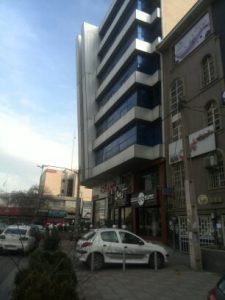
A glass curtain wall is an exterior building envelope made of glass panels that are attached to a metal frame. It is a modern architectural design that has become increasingly popular in recent years. Glass curtain walls offer many advantages over traditional building materials such as brick, stone, and concrete. In this article, we will explore the advantages of glass curtain walls and why they are the preferred choice for many architects and building owners.
-
Natural Light
One of the biggest advantages of glass curtain walls is the natural light that they provide. Unlike traditional building materials, glass allows natural light to penetrate deep into the building. This helps to reduce the need for artificial lighting and creates a more comfortable and productive environment for occupants. Natural light is also known to improve mood and well-being, which can lead to increased productivity and employee satisfaction.
-
Energy Efficiency
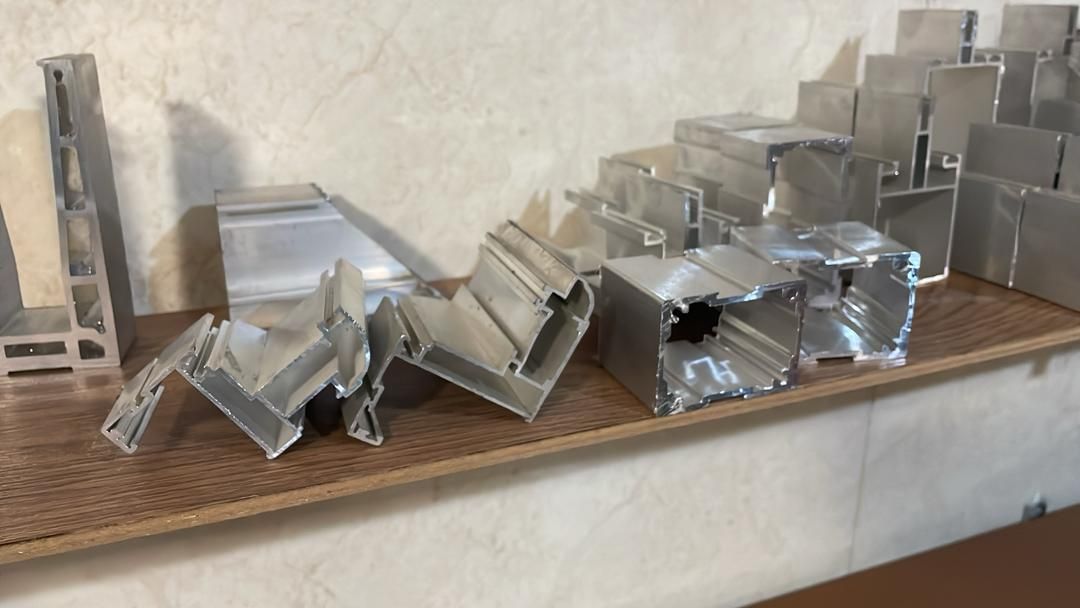
Glass curtain walls are highly energy-efficient. They are designed to prevent heat loss in the winter and heat gain in the summer. This is achieved through the use of insulated glass panels and thermal breaks in the metal frame. As a result, buildings with glass curtain walls require less energy to heat and cool, which can lead to significant energy savings and lower utility bills.
-
Aesthetics
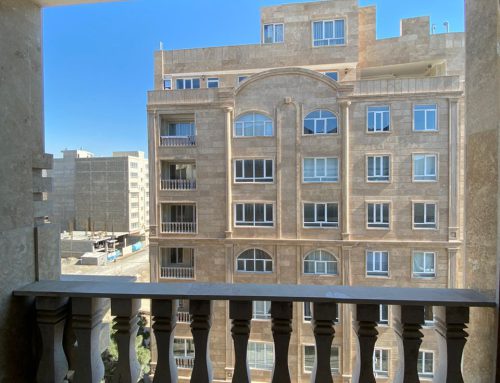
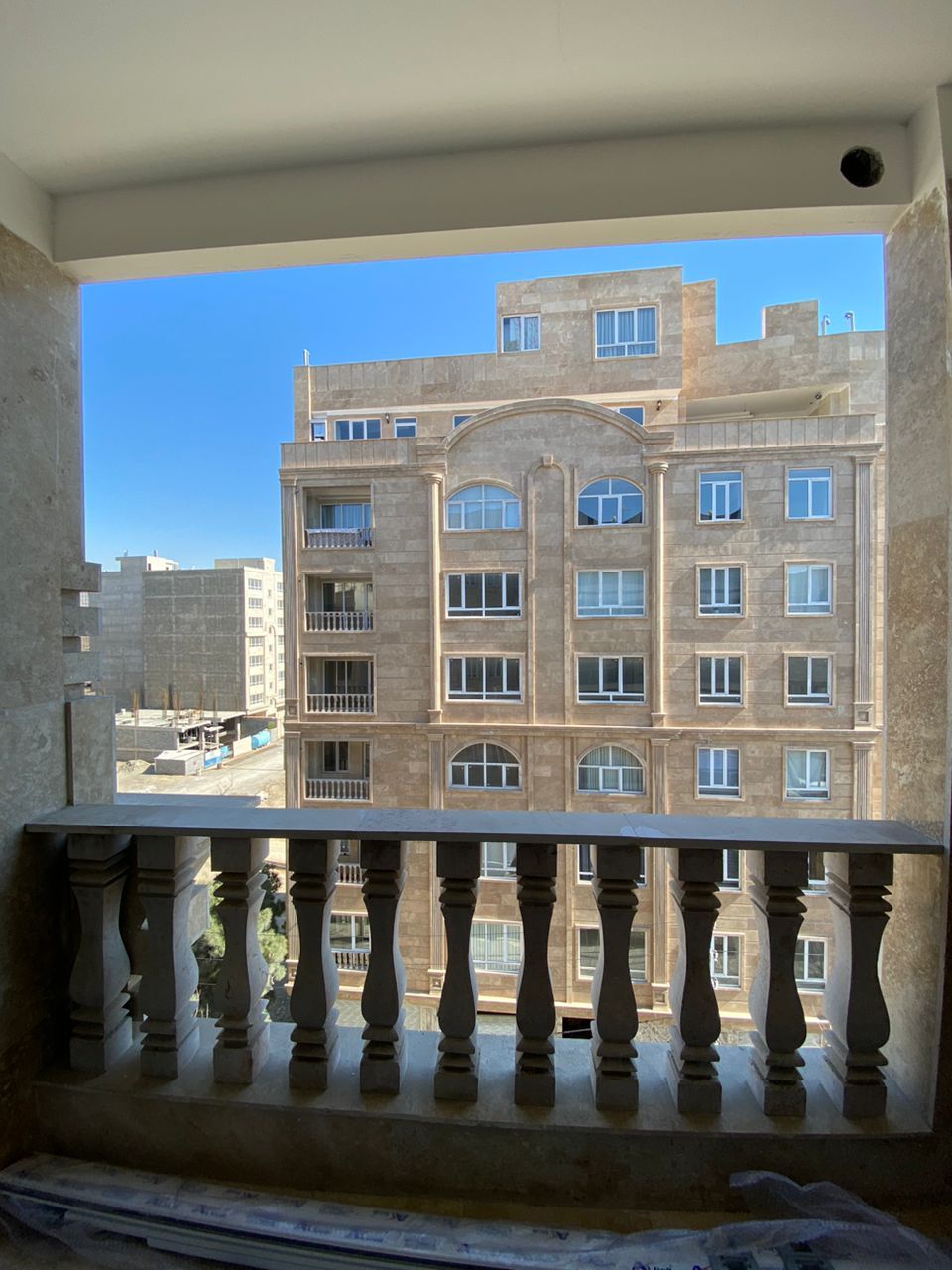
Glass curtain walls offer a sleek and modern look that is highly desirable in today’s architecture. They can be designed in a variety of shapes and sizes, and can be customized with different colors and patterns. This allows architects to create unique and eye-catching designs that stand out from traditional buildings. Glass curtain walls also offer unobstructed views of the surrounding landscape, which is highly desirable in urban areas.
-
Durability
Glass curtain walls are highly durable and require minimal maintenance. They are designed to withstand extreme weather conditions such as high winds, heavy rain, and snow. The glass panels are made of tempered or laminated glass, which is highly resistant to breakage and can withstand impacts from debris. The metal frames are typically made of aluminum or steel, which are highly resistant to corrosion and rust.
-
Noise Reduction
Glass curtain walls offer excellent noise reduction properties. The insulated glass panels and the metal frame work together to create a barrier that reduces the amount of noise that enters the building. This is highly desirable in urban areas where noise pollution can be a major issue. Glass curtain walls also offer excellent acoustics, which is highly desirable in buildings such as concert halls and theaters.
-
Sustainability
Glass curtain walls are highly sustainable and environmentally friendly. They are designed to maximize natural light and reduce the need for artificial lighting. This helps to reduce energy consumption and lower greenhouse gas emissions. Glass is also recyclable, which means that it can be reused or repurposed at the end of its life cycle. This makes glass curtain walls a highly sustainable building material.
-
Flexibility
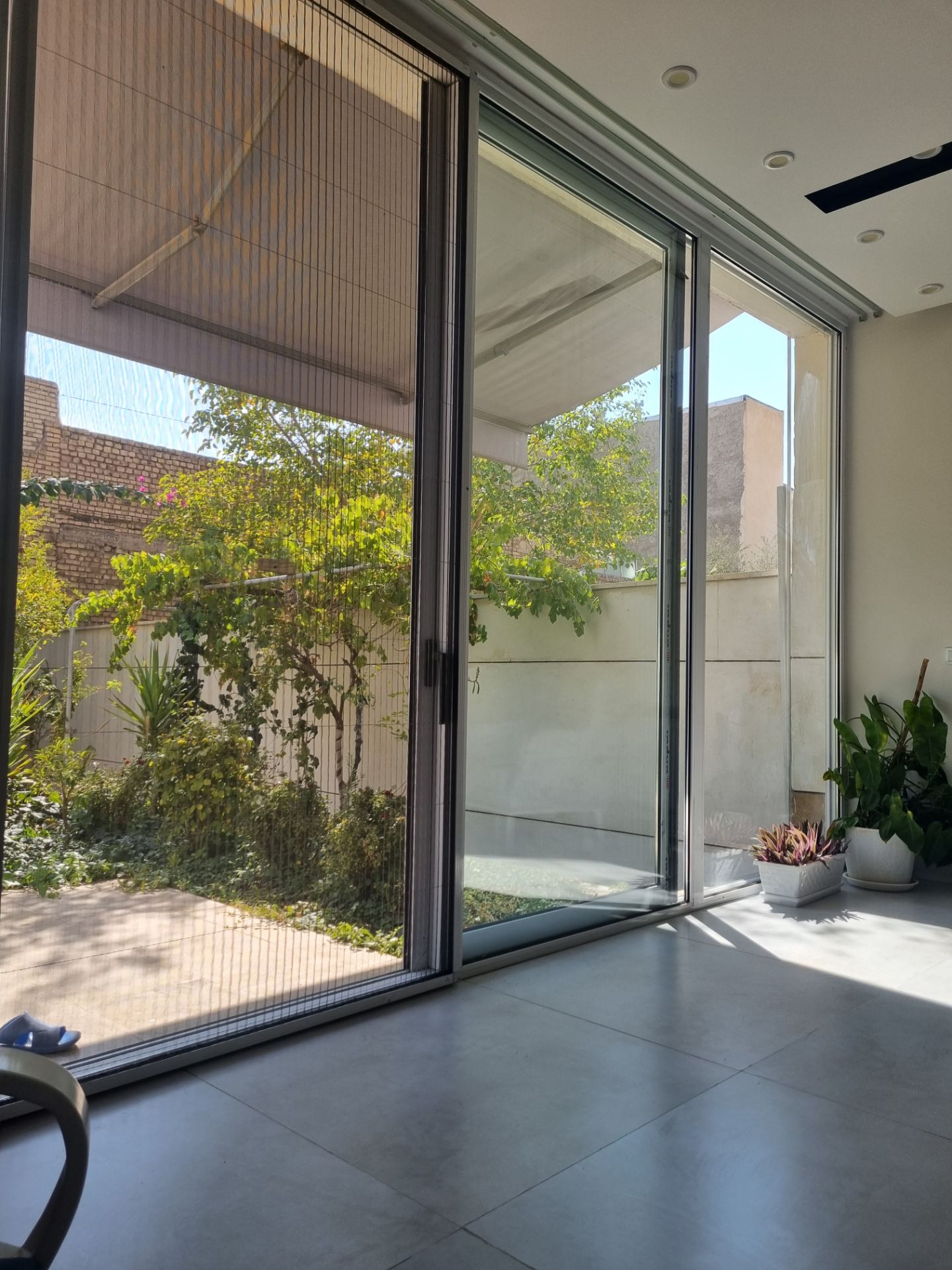
Glass curtain walls offer a high degree of flexibility in terms of design and functionality. They can be designed to accommodate a variety of building shapes and sizes. They can also be designed to incorporate other building materials such as stone, brick, or wood. Glass curtain walls can also be designed to accommodate different types of opening systems such as sliding, folding, or pivoting doors.
-
Fire Safety
Glass curtain walls are highly fire-resistant. The glass panels are typically made of tempered or laminated glass, which is highly resistant to breakage and can withstand extreme heat. The metal frame is also designed to be fire-resistant and can help to contain the spread of fire. This makes glass curtain walls a highly desirable building material in terms of fire safety.
-
Cost-Effective
Glass curtain walls can be a cost-effective building material in the long run. While the initial cost of installation may be higher than traditional building materials, the energy savings and lower maintenance costs can lead to significant cost savings over the life of the building. Additionally, glass curtain walls can increase the value of a building due to their modern and attractive design, which can lead to higher rental or resale prices.
-
Natural Ventilation
Glass curtain walls can also be designed to incorporate natural ventilation systems. This is achieved through the use of operable windows and vents that allow fresh air to enter the building. Natural ventilation can help to improve indoor air quality and reduce the need for mechanical ventilation systems, which can lead to energy savings.
In conclusion, glass curtain walls offer numerous advantages over traditional building materials. They provide natural light, energy efficiency, aesthetic appeal, durability, noise reduction, sustainability, flexibility, fire safety, cost-effectiveness, and natural ventilation. These advantages have made glass curtain walls a popular choice for modern buildings, especially in urban areas where the need for natural light and efficient use of space is high. As technology continues to advance, glass curtain walls are likely to become even more efficient and sustainable, making them an even more attractive building material for the future.
However, it is important to note that glass curtain walls also have some disadvantages. For example, they can be more susceptible to damage from extreme weather events such as hurricanes or earthquakes. They can also be more expensive to repair or replace than traditional building materials.
In addition, glass curtain walls can pose a challenge for bird safety. The reflective surface of the glass can cause confusion for birds, leading to collisions that can be fatal. However, there are ways to mitigate this risk, such as using patterned or tinted glass, installing bird-friendly decals, or incorporating bird-friendly design features such as fritted glass or bird screens.
Another potential disadvantage is the lack of privacy that glass curtain walls can provide. While this may not be an issue for commercial or office buildings, it can be a concern for residential buildings or buildings that require privacy such as hospitals or government buildings.
Despite these potential drawbacks, glass curtain walls remain a popular choice for modern buildings. With their numerous advantages and ability to create stunning architectural designs, glass curtain walls are likely to continue to be a preferred building material for years to come.

Leave A Comment