Hello Ms. Engineer

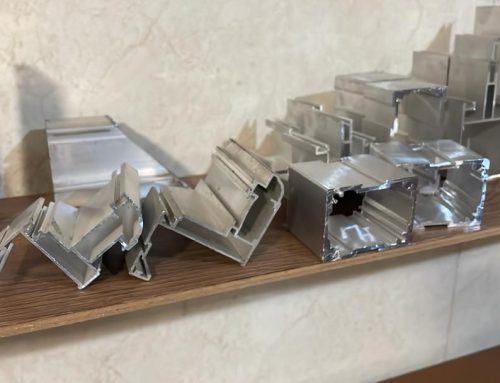
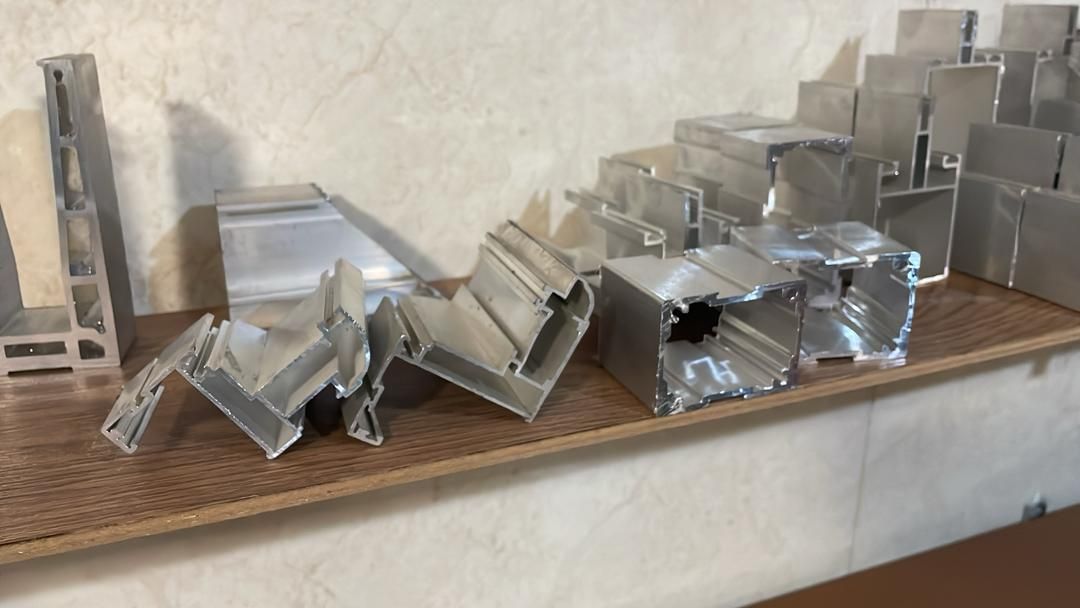
Our company’s work system generally operates on two main principles. One is that we take orders from customers based on factory samples. This means you send us the samples and molds you have, with three to four pieces of each type, because just one piece isn’t useful for us. If we give the only piece to the first customer who comes to the office, it’s gone. These samples are for the customer to take and discuss with the project owner, as most of our customers are not the final clients but those handling the execution of projects, and they need the samples to show to the project owners or to negotiate.

For instance, we might go to a project ourselves and leave the samples with the project owner. We need three or four pieces of five to ten centimeters from the profiles you have molds for and can offer us at a lower price. We keep these samples in our office to present to customers. If they want a specific mold related to your products, we coordinate with you for shipment. This is one way we collaborate with factories.

The second collaboration method is to establish a mutual agreement contract and proceed based on the terms of that contract. This means the conditions in the mutual agreement define our collaboration. These terms ensure that the supplier, which is the customer, receives the service they need efficiently and that our commission is paid accurately. Details with customers should be clearly outlined in the initial invoice. We introduce customers to the factory, they visit, and if they purchase after the visit, it works. But if not, we try not to send customers to the factory; instead, we present to them in our office. If they decide later, we then bring them to the factory for a visit.

In some cases, factories work with us in a way where we take orders and place them with the factory without mentioning the brand. We offer based on the samples received and proceed accordingly. We have collaborations with various factories. For example, one factory, which I won’t name, proposed we work with their brand. They sent us cut samples, each two meters long, and we received about three boxes, roughly twenty by sixty by two meters, containing all their profile samples. We have these samples in our office, and many customers visit, see the profiles, and place orders.

For instance, a customer from Iraq visited for a ceramic dry system but saw our Louvre profiles and expressed interest. This shows how samples can influence decisions. Initially, I’d like to mention that pricing is crucial for us. Our customers usually compare prices from multiple sources, and we need competitive prices to collaborate. Sometimes, we had to sell at our purchase price to make a sale. If you can offer us competitive prices, we can work together. The conditions where we proceed only based on the catalog without sending samples are challenging because we need specific profiles requested by the customer to place an order. This rarely happens, maybe once or twice a year with such factories. However, with two types of factories, we make more purchases: those who sign a collaboration agreement with us, showing their goodwill to work with us.

2:09 Hello Ms. Engineer
For example, suppose a person who makes an advance payment for the customer also pays a percentage of our money. This means he wants to collaborate with us more closely. Someone who makes our pre-commission dependent on the customer’s final payment is waiting to see whether the customer makes the full payment or not. It’s like saying, “Will this customer work out or not?” and then deciding how much profit they made for us and paying a part of that profit. You can’t really do business with these models, and we don’t take the conditions too strictly, but in reality, the actions that should guarantee security… see, we put a lot of effort into attracting a customer. Just as you spent money to participate in the exhibition and got to know us, we also incur those costs in different ways. We have friends, old customers, and we’ve invested, so that investment needs to be returned to us. This return comes from the commission we receive from you, and it must be guaranteed. Moreover, when a customer connects and buys from the factory, that customer is our company’s customer. This must also be secured so that the second, third, and hundredth times, the next customer introduced by this customer, they all are our customers, and this must be considered by the factory to determine how we can cooperate. Please explain this to us. Look, we’ve negotiated with several factories, we have some preliminary contracts and some backgrounds, but our suggestion is for the factories to make us offers so we can proceed with their proposals and not be perceived as someone with strict rules. We discuss the issues and reach a conclusion. This way is better. It also helps us understand your approach to cooperating with us—whether you have a cooperative approach or are looking to make a lot of profit. This will be clear in the written cooperation agreements you send us, and consider more details than just a percentage commission. For example, the previous factory we talked to ended up with about seven or eight pages of details. What happens if a customer introduces another customer? What if the customer we introduced introduces a project and the project isn’t very profitable, just a profile sale? What happens if the customer introduces a profitable project and we are the executor, meaning we could execute it? These details should be somewhat addressed in the middle as part of the cooperation conditions. The easiest way is if you have the molds for your profiles and there’s no need for new mold making. The mold making discussion is separate and should be discussed with the customer, but it should be on the agenda. The best option, which we discussed with Dr. X and the businesses we work with, and it’s the best option for starting cooperation with minimal hassle and details, is for you to send us a one or two-meter sample from any profile mold you are producing, or send three pieces of the profiles you have as samples in your office or warehouse. This way, we have your work samples in terms of quality and profile to demonstrate to the customer and to showcase the usability of your profiles. This is another case where sending sample pieces is the best option for us. Regarding costs, I usually say that employers and factories work differently with us. One model is sending the sample. I say that the friend who sent us a two-meter piece, the shipping cost and the aluminum cost were on them, and although we couldn’t make a purchase from them for about six or seven months, they showed their good faith. They sent us two meters of each profile they produced so that we could have samples and work with them. The second option is that whenever a customer requests a sample from your catalog, we will inquire about the availability based on your catalog. I say this rarely happens and we probably won’t have more than one or two transactions a year. Additionally, regarding the profile piece, I discussed with Bendini and Aqua’s representative; they send us three pieces from their Louvre 102 series, for instance. I’m telling you this before we discuss it further.
2:20 Hello Ms. Engineer
If you send us three pieces of the Dukey 10 profile, we will assume that the only mold you have in the factory is the Dukey 10 Louvre, and we will record it as such in our office. We consider the molds available in your factory to be those whose samples you send to us, and you should send samples of the molds you have in stock. Most of our customers are not interested in mold making; they are in a hurry and want to receive the mold quickly. Send us samples of the molds you currently have ready for production. Regarding costs, aluminum has a price per kilogram, and we do not have a problem with the price. If you estimate the cost of sending us aluminum, we can pay for it. We understand that you incur costs by collecting samples for us, and we will pay a reasonable fee for that.

Another issue we have with some factories, which prevents us from working with them, is the announcement of prices. Our customers usually want to get prices quickly; they are in contact with many others, including competitors, and are looking to procure goods and get prices. For us to give them prices, we need to get them from you quickly and provide them to our customers, ideally within half a day or less. If there is a sudden price increase, whether due to the dollar exchange rate, billet prices, or a decision by your manager, please notify us immediately. As your sales agent, we need to be informed of such changes promptly to manage our operations effectively.

We have noticed that some factories are reluctant to take the risk of setting prices quickly or are merely intermediaries rather than producers. We don’t want to deal with intermediaries; we want to work directly with producers. Please only offer us the products you personally manufacture and provide the prices quickly. Our customers make advance payments, and we pass those payments on to you immediately, allowing you to purchase billets and stock them. The only variable costs should be your service fees, which are stable, and the factory’s fixed costs. We aim to work in a way that allows you to give us prices quickly, unaffected by external factors. This approach will make it easier for us to work together, Hello Ms. Engineer , Hello Ms. Engineer.