
Frameless and Curtain Wall façade
Introduction:
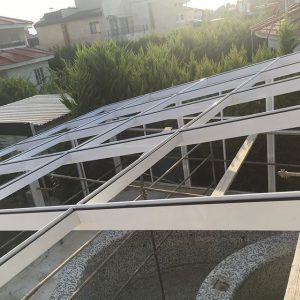
When it comes to architectural marvels, the beauty lies not just in the grandeur of the structure, but also in the intricate details that adorn its exterior. Building facades play a crucial role in defining the character and aesthetics of a structure, while also serving functional purposes. In recent years, two popular design trends have emerged – frameless and curtain wall facades. Let’s delve into these innovative designs and understand their impact on contemporary architecture.
Frameless Facade:
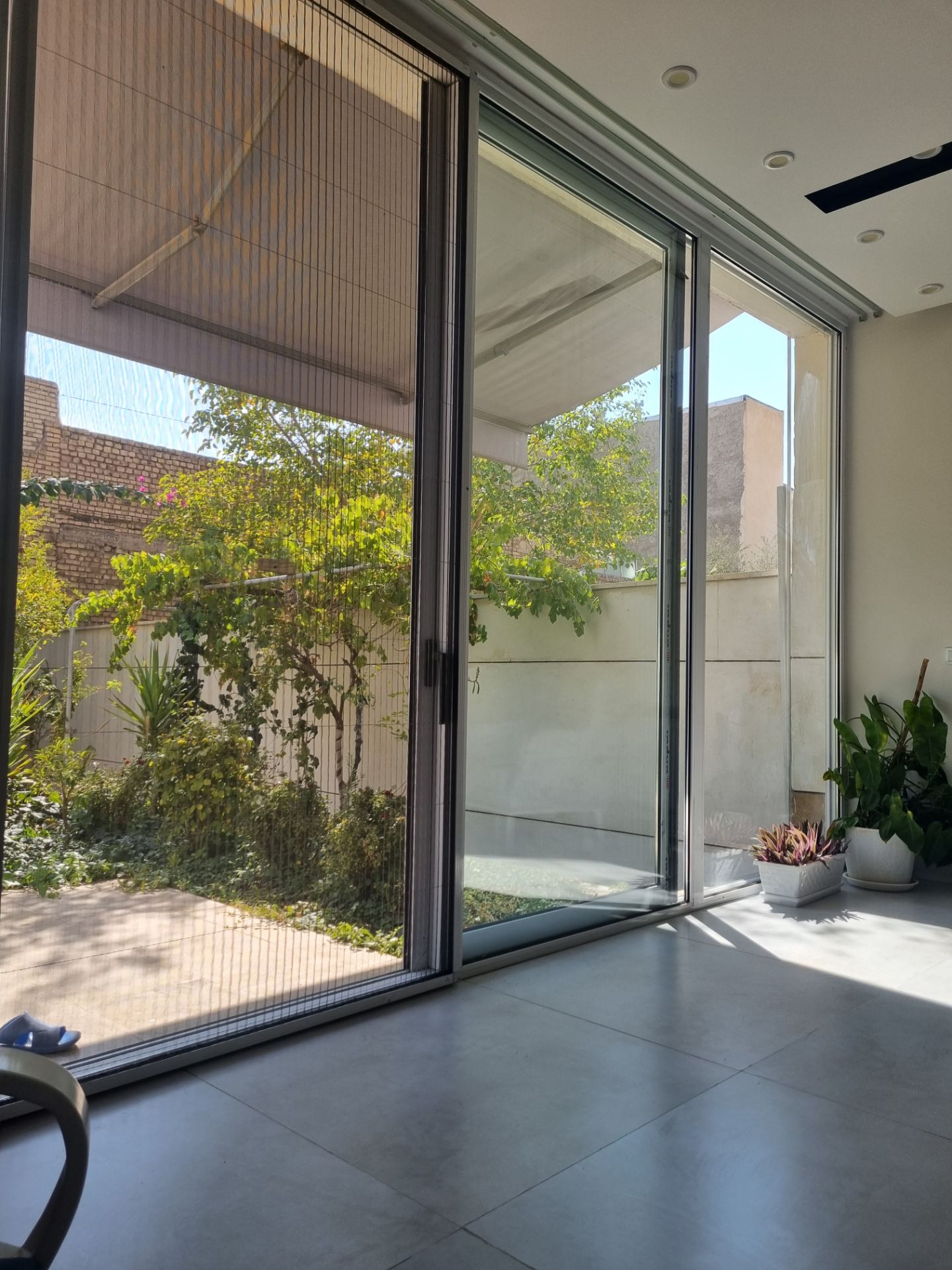
The concept of a frameless facade revolves around the idea of eliminating visible structural elements from the exterior, giving the building a sleek and seamless appearance. This design approach relies on advanced engineering techniques and materials to support the structure, while the emphasis is on transparency and maximizing natural light penetration.
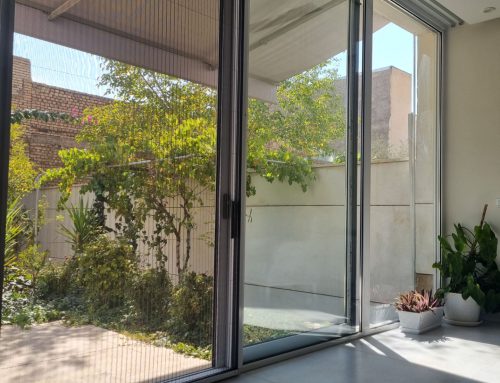
One of the key advantages of a frameless facade is the unobstructed views it offers. The absence of visible frames or mullions allows for expansive glass panels, enabling occupants to connect with the surrounding environment. This design also enhances the overall aesthetics, creating an elegant and modern look.
In terms of functionality, frameless facades are designed to provide excellent thermal and acoustic insulation. High-performance glass and advanced sealing techniques ensure energy efficiency and minimize external noise infiltration. These facades often incorporate automated shading systems and glazing options that can adapt to changing weather conditions, optimizing comfort levels inside the building.
Curtain Wall Facade:
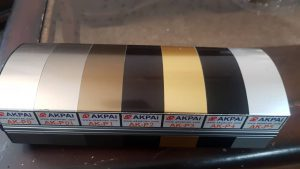
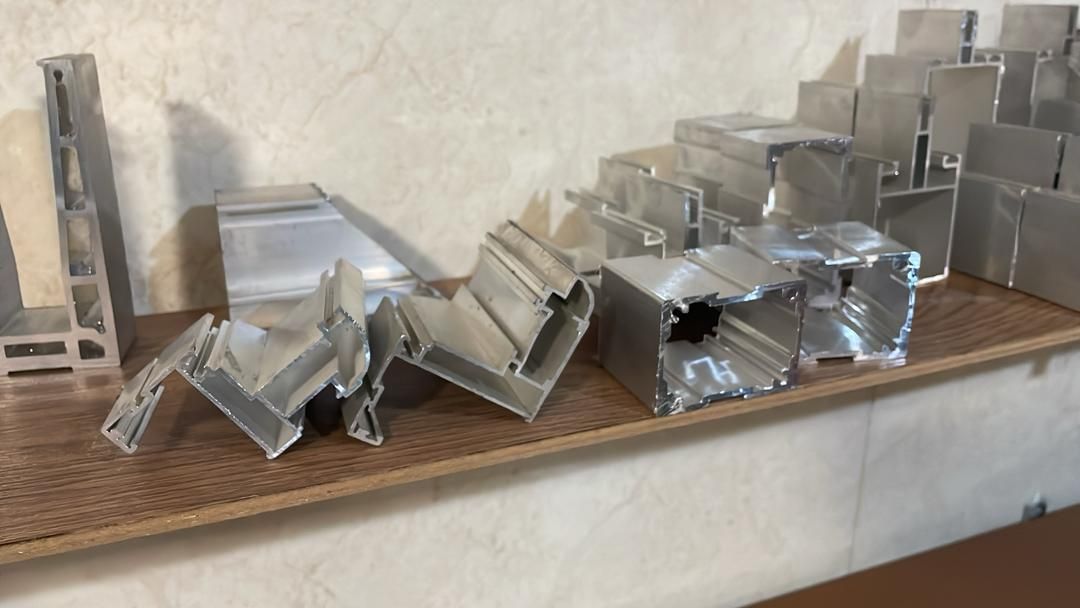
The curtain wall facade is a system of non-structural exterior cladding that serves as a protective envelope for the building. It comprises lightweight materials such as aluminum, glass, and steel, assembled into panels and installed on the building’s framework. This design approach allows for a significant degree of flexibility and creativity in shaping the building’s exterior appearance.
Curtain walls offer numerous benefits, including enhanced insulation, weather resistance, and durability. The use of high-quality glass panels with thermal breaks and efficient insulation materials ensures energy efficiency and minimizes heat loss. Furthermore, the curtain wall system acts as a barrier against external elements, protecting the building from wind, rain, and UV radiation.
Another advantage of curtain wall facades is their adaptability to various architectural styles and designs. The modular nature of the system allows architects to incorporate diverse shapes, patterns, and colors, giving buildings a distinctive identity. Additionally, curtain walls offer designers the opportunity to integrate sustainable features such as photovoltaic panels and solar shading devices, contributing to the building’s overall environmental performance.
Design Considerations for Frameless and Curtain Wall Facades:
When considering the implementation of frameless or curtain wall facades, several design considerations come into play. Architects and engineers need to address factors such as structural integrity, environmental impact, and maintenance requirements to ensure the success of these façade systems.
Structural Stability and Support:
Frameless facades require careful engineering to provide structural stability while maintaining the desired seamless appearance. The absence of visible framing elements necessitates the use of specialized techniques such as point-fixed glass connections or hidden structural supports. This ensures that the glass panels are securely held in place while withstanding wind loads and other environmental forces.
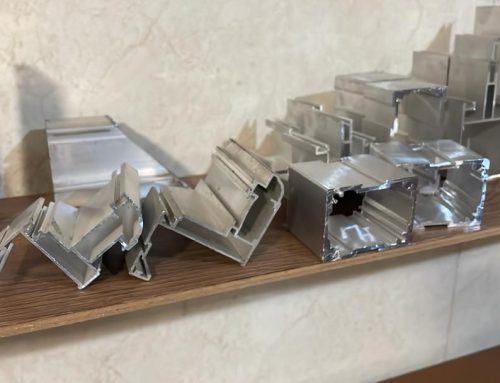
Similarly, curtain wall facades must be designed to withstand the lateral forces acting on the building. The curtain wall system’s framework, typically made of lightweight materials like aluminum, must be engineered to distribute loads evenly and provide adequate support. Engineers need to consider factors such as building movement, wind resistance, and seismic activity when designing the structural framework for curtain wall systems.
Energy Efficiency and Sustainability:
In today’s era of sustainable design, energy efficiency is a crucial consideration for building facades. Both frameless and curtain wall systems offer opportunities to optimize energy performance.
Frameless facades benefit from the extensive use of glass, which allows natural light to flood the interior spaces, reducing the need for artificial lighting during the day. To enhance energy efficiency, low-emissivity (low-E) coatings can be applied to the glass panels to minimize heat transfer. Additionally, thermal insulation and proper sealing techniques help reduce heat loss and improve overall energy performance.
Curtain walls, on the other hand, can incorporate various strategies to enhance energy efficiency. Double or triple glazing units with low-E coatings and thermal breaks can significantly reduce heat transfer and improve insulation properties. Additionally, integrating shading devices, such as external fins or louvers, can minimize solar heat gain and optimize daylighting.
Maintenance and Accessibility:
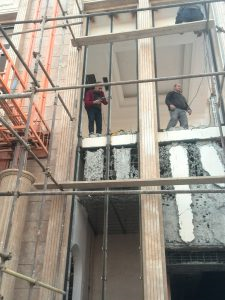
Regular maintenance is essential to ensure the longevity and performance of both frameless and curtain wall facades. However, the accessibility and ease of maintenance can vary between the two systems.
Frameless facades often require specialized cleaning techniques and equipment due to the large glass surfaces and the absence of visible frames or mullions. Cleaning and maintenance plans should be developed during the design phase, considering factors such as access points, safety measures, and the use of self-cleaning glass coatings.
Curtain walls, with their modular panel system, offer greater ease of maintenance as individual panels can be replaced or repaired without affecting the entire façade. Regular inspections of sealants, gaskets, and connections are necessary to ensure the integrity of the system and prevent water leakage.
Conclusion:
Frameless and curtain wall facades have transformed the architectural landscape with their modern aesthetics and functional advantages. Architects and engineers must consider structural stability, energy efficiency, and maintenance requirements when implementing these façade systems.
Both design approaches offer unique benefits, whether it’s the seamless transparency of frameless facades or the versatility and creative possibilities of curtain walls. By integrating these façade systems into their projects, architects can achieve visually stunning buildings that harmonize with the environment while promoting sustainable practices.
As the construction industry continues to evolve, frameless and curtain wall facades will remain at the forefront of architectural innovation, pushing the boundaries of design and engineering. With their ability to blend artistry, functionality, and sustainability, these façade systems will continue to shape the skylines of our cities for years to come.

Leave A Comment