
Choose the right material in the facade design | facade designer
Choose the right material in the facade design | facade designer
The facade of a building plays a crucial role in its overall aesthetics and functionality. It not only protects the interior from external elements but also creates a visual impact that defines the building’s character. As a facade designer, selecting the right material is essential to achieve a harmonious and durable design. In this article, we will explore the key considerations for choosing the right material in facade design.
-
Aesthetics:
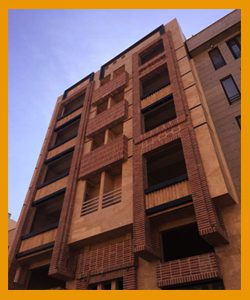
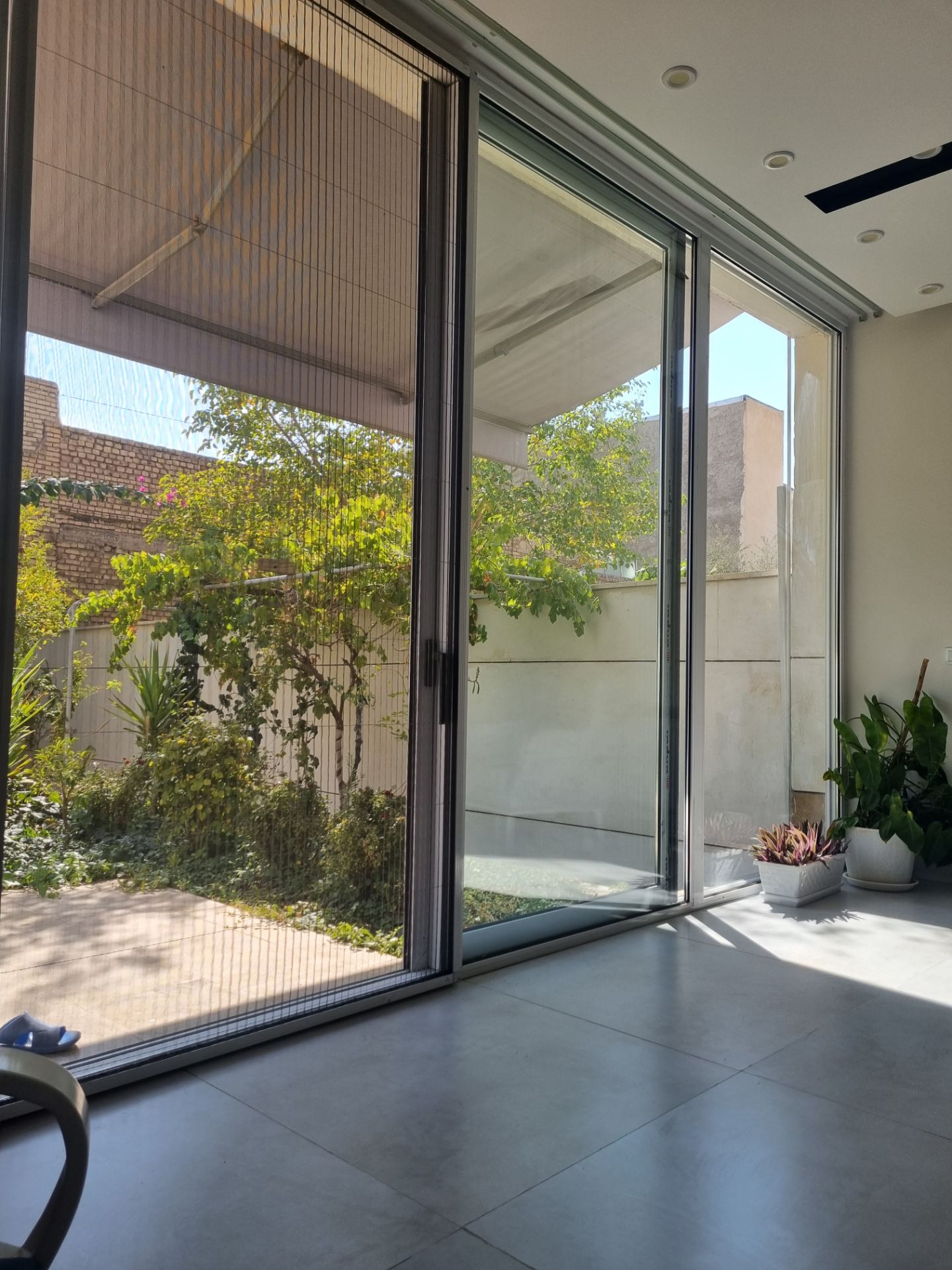
The choice of material should align with the architectural style and design intent of the building. Different materials evoke distinct visual effects and textures. For example, glass provides a sleek and modern appearance, while brick offers a more traditional and rustic look. Consider the desired color palette, patterns, and overall visual impact when selecting a material that complements the building’s design.
-
Durability:
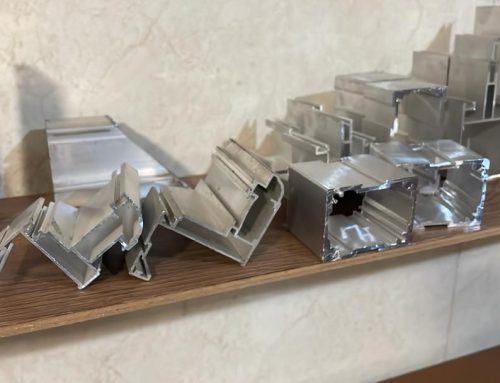
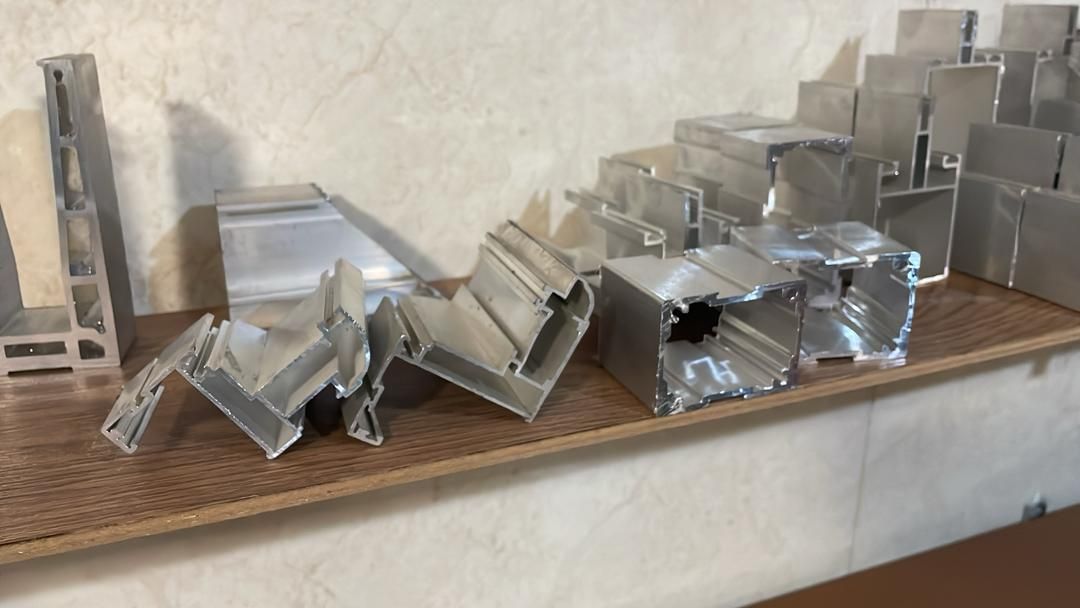
Facades are exposed to various environmental conditions, including weather fluctuations, UV radiation, and pollution. It is crucial to choose a material that can withstand these elements over an extended period. Factors such as resistance to fading, corrosion, and structural integrity should be evaluated. Materials like aluminum, concrete, and certain types of stone are known for their durability and low maintenance requirements.
-
Thermal Performance:
With increasing emphasis on energy efficiency and sustainability, the thermal performance of a facade material is vital. The material should have good insulation properties to minimize heat transfer, reducing the need for excessive heating or cooling. Look for materials with high thermal resistance (R-value) and low thermal conductivity (U-value) to enhance energy efficiency and occupant comfort.
-
Environmental Impact:
As the construction industry seeks more sustainable practices, considering the environmental impact of facade materials is crucial. Opt for materials that are recyclable, renewable, or made from recycled content. Additionally, evaluate the embodied energy of the material, which refers to the energy consumed during extraction, manufacturing, and transportation. Choosing locally sourced materials can help reduce carbon emissions associated with transportation.
-
Maintenance and Lifespan:
The longevity of the facade material and the maintenance required should be taken into account. Some materials may require regular cleaning, sealing, or repainting to maintain their appearance and performance. Consider the lifecycle costs associated with maintenance and potential refurbishments when selecting a material. Materials like fiber cement, metal composites, and certain types of stone are known for their durability and low maintenance needs.
-
Cost:
Budget considerations are an integral part of any construction project. Evaluate the cost of the material, including its installation, ongoing maintenance, and potential repairs or replacements. It is essential to find a balance between aesthetics, performance, and affordability. While high-end materials may offer a luxurious appearance, there are often cost-effective alternatives that can achieve a similar effect without compromising quality.
-
Local Regulations and Standards:
Familiarize yourself with local building codes, regulations, and standards that may dictate the permissible materials for facades. Certain materials may have specific requirements or restrictions based on fire safety, structural considerations, or historical preservation. Ensure that the chosen material complies with these regulations to avoid any legal or compliance issues.
-
Structural Considerations:
The structural integrity of the building must be taken into account when choosing facade materials. Different materials have varying weights and load-bearing capacities. Consult with structural engineers to ensure that the chosen material can be safely supported by the building’s structure. Additionally, consider factors such as wind resistance, seismic activity, and potential impacts from nearby structures or objects.
-
Acoustic Performance:
Depending on the location and purpose of the building, acoustic performance may be an important factor to consider. Some materials offer better sound insulation properties, reducing the transmission of noise from outside sources. For buildings located in busy urban areas or near high-traffic zones, selecting materials with good acoustic properties can contribute to a more peaceful and comfortable indoor environment.
-
Flexibility and Adaptability:
Buildings often undergo changes or renovations throughout their lifespan. The chosen facade material should have the flexibility to accommodate future modifications or additions. Consider materials that can be easily altered, replaced, or integrated with new technologies. This adaptability ensures that the facade can evolve along with the changing needs of the building and its occupants.
-
Compatibility with Other Systems:
Facades are not standalone elements but are integrated with various building systems such as insulation, ventilation, lighting, and rainwater management. Ensure that the chosen material is compatible with these systems and can be effectively integrated without compromising their performance. Collaborate with other design disciplines to ensure seamless coordination and functionality.
-
Local Context and Cultural Significance:
When designing facades, it is important to consider the local context and cultural significance of the building. The choice of material should align with the architectural heritage, local building traditions, and cultural references. This integration ensures that the building becomes a part of its surroundings, respects its history, and contributes positively to the local identity.
In conclusion
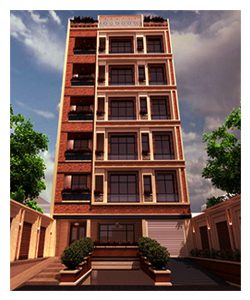
By considering these key factors, facade designers can make informed decisions regarding material selection in their design process. Each project may have unique requirements, and it is crucial to balance all these considerations to achieve a successful and visually appealing facade design that meets the functional, aesthetic, and sustainability goals of the building and its occupants.
Ultimately, the right choice of material in facade design is a careful balance between aesthetics, performance, sustainability, and practicality. By carefully evaluating each factor and collaborating with other professionals, facade designers can create remarkable buildings that stand out for their design excellence and contribute to a sustainable built environment.



Leave A Comment