
Detail of curtain wall face cap

Introduction:
Curtain walls are an integral part of modern architecture, providing both functional and aesthetic benefits to buildings. Among the various components that make up a curtain wall system, the face cap stands out as a crucial element. Often overlooked, the face cap plays a significant role in the overall appearance, weather protection, and structural integrity of the curtain wall. In this article, we will explore the details and significance of the curtain wall face cap, shedding light on its importance in contemporary building design.
-
What is a Face Cap:
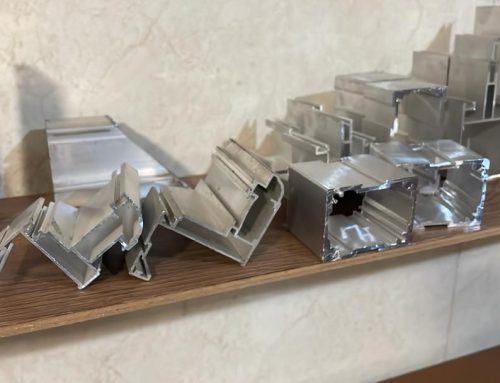
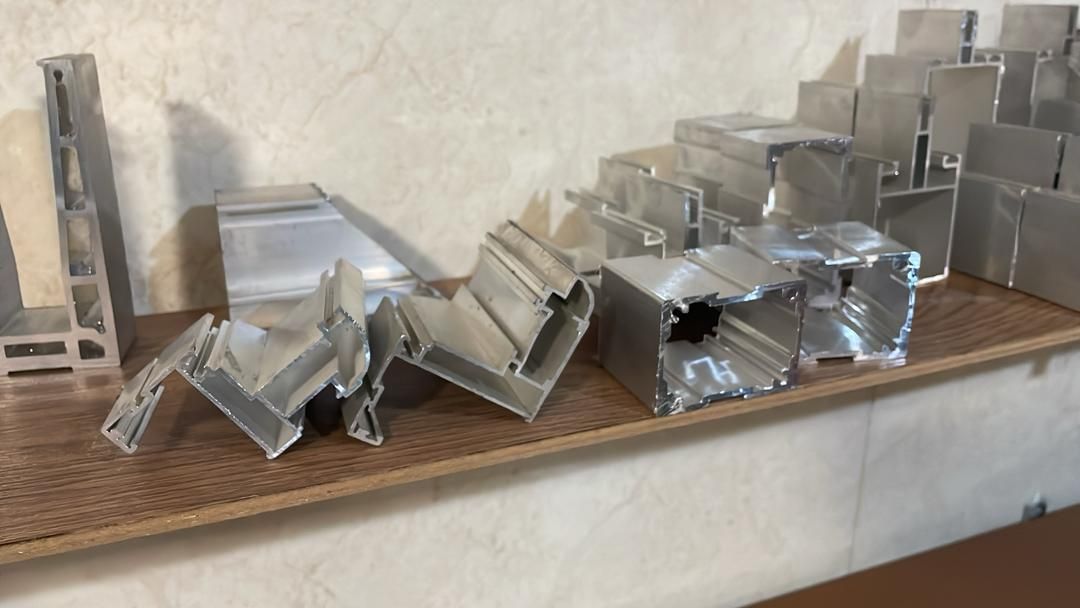
The face cap is an essential component of the curtain wall system, covering the exposed faces of the curtain wall framing and creating a uniform aesthetic appearance. It serves as a protective layer, shielding the interior of the building from external elements such as rain, wind, and sunlight. The face cap is typically made of durable materials such as aluminum, stainless steel, or composite materials, ensuring longevity and resistance to weathering.
-
Aesthetic Appeal:
One of the primary purposes of the face cap is to enhance the visual appeal of the curtain wall system. With its clean lines and sleek design, the face cap creates a polished and uniform facade, contributing to the overall architectural style of the building. Architects can choose from various profiles, finishes, and colors to achieve the desired aesthetic effect, seamlessly integrating the curtain wall with the surrounding environment.
-
Weather Protection:
In addition to its aesthetic function, the face cap provides essential weather protection to the building. By covering the exposed edges of the curtain wall system, it prevents water infiltration, air leakage, and the penetration of dust or other pollutants. The face cap acts as a barrier against wind-driven rain, ensuring the interior remains dry and comfortable while safeguarding the building’s structural integrity.
-
Structural Considerations:
While the face cap primarily serves as a protective and decorative element, it also contributes to the structural stability of the curtain wall system. The face cap helps distribute loads and stresses evenly across the curtain wall panels, transferring them to the framing system and the building structure. By providing structural reinforcement, the face cap ensures that the curtain wall can withstand external forces, such as wind pressure and seismic activity, maintaining the safety and longevity of the building.
-
Installation and Maintenance:
The installation of the face cap is a critical step in the curtain wall construction process. It requires precise alignment and secure attachment to the curtain wall framing, often utilizing concealed fastening systems for a seamless appearance. Proper installation is crucial to ensure the face cap functions effectively in terms of weather resistance and structural integrity.
Regular maintenance of the face cap is essential to preserve its appearance and functionality over time. Periodic cleaning and inspections help identify any damage, corrosion, or deterioration that may compromise its performance. Timely repairs or replacements of damaged face caps can prevent water infiltration and maintain the overall integrity of the curtain wall system.
-
Customization and Innovation:
Advancements in technology and manufacturing techniques have opened up new possibilities for customization and innovation in curtain wall face caps. Architects and designers now have the flexibility to create unique and eye-catching designs, incorporating intricate patterns, textures, or even branding elements into the face cap. This customization allows buildings to make a distinctive statement while maintaining the functionality and performance expected from a curtain wall system.
-
Energy Efficiency:
In the pursuit of sustainable building design, energy efficiency is a crucial consideration. Curtain wall face caps can contribute to the energy performance of a building by incorporating thermal breaks or insulation within the cap’s design. These additions help reduce heat transfer through the face cap, minimizing thermal bridging and improving the overall energy efficiency of the curtain wall system.
-
Integration with Building Systems:
The face cap can also serve as a platform for integrating various building systems and components. For instance, it can accommodate lighting fixtures, signage, or sensors seamlessly, creating a unified appearance while providing functional benefits. This integration enhances the building’s functionality, safety, and overall user experience.
-
Fire Safety Considerations:
Fire safety is a critical aspect of building design, and curtain walls must meet stringent fire resistance requirements. The face cap can be designed to incorporate fire-rated materials or fire-resistant coatings, ensuring compliance with fire safety regulations. By considering fire safety during the design and fabrication of face caps, architects can create curtain wall systems that offer both aesthetic appeal and the necessary fire protection measures.
-
Future Trends:
As the field of architecture continues to evolve, so too will the design and functionality of curtain wall face caps. Future trends may include the use of advanced materials, such as lightweight composites or smart materials, which offer enhanced durability and performance. Additionally, innovations in digital design and fabrication technologies may allow for intricate and complex face cap designs that were previously unachievable.
Conclusion:
The curtain wall face cap is a vital component of modern architectural design, offering aesthetic, functional, and structural benefits to buildings. From its role in enhancing visual appeal to providing weather protection, structural stability, and customization options, the face cap is an integral part of the curtain wall system. Architects, designers, and engineers must consider the selection, installation, and maintenance of face caps to ensure the longevity, performance, and sustainability of curtain wall systems. By paying attention to this seemingly small detail, we can create buildings that not only impress but also offer optimal functionality and withstand the test of time.


Leave A Comment