
Facade design and construction modern glass walls and windows wall
Introduction
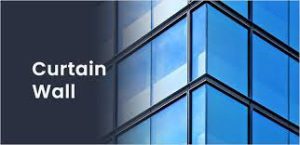
Facade design and construction modern glass walls and windows wall ,The design and construction of facades have evolved significantly in recent years, with a particular focus on modern glass walls and windows. Today, architects and engineers are pushing the boundaries of creativity and functionality to create stunning, energy-efficient, and sustainable buildings. In this article, we will explore the world of facade design and construction, with a special emphasis on modern glass walls and windows.
The Evolution of Facade Design
Facades, the outer shells of buildings, have come a long way from the simple, utilitarian designs of the past. They are no longer just protective barriers but are integral to the overall aesthetics and performance of a structure. Modern facade design seeks to strike a balance between form and function, incorporating innovative materials and technologies to achieve remarkable results.
The Beauty of Glass
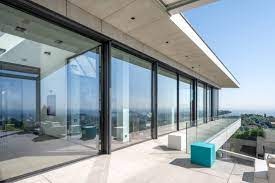
Glass is a cornerstone of modern facade design. Its transparency allows for the play of light and shadow, creating a visually appealing and dynamic exterior. Glass facades provide a seamless connection between the indoor and outdoor environments, enhancing occupants’ well-being and connectivity with nature.
Moreover, the use of high-performance glass can significantly improve a building’s energy efficiency. Low-E (low-emissivity) coatings, for instance, reduce heat transfer, keeping interiors cooler in summer and warmer in winter. This not only reduces energy consumption but also enhances the comfort of building occupants.
Innovative Glass Technologies
Several cutting-edge technologies have transformed the way architects and engineers work with glass in facade design and construction:
Smart Glass: Smart glass, or switchable glass, can change its opacity or transparency at the touch of a button. This technology offers privacy on demand and can help regulate light and heat, reducing the need for blinds or curtains.
Solar-Responsive Glass: Photovoltaic (PV) glass captures solar energy and converts it into electricity, making buildings more self-sufficient and sustainable. These integrated PV systems can be used in windows, skylights, or entire facades.
Self-Cleaning Glass: Innovative coatings, like titanium dioxide, are applied to glass surfaces to break down dirt and organic matter when exposed to sunlight. This self-cleaning technology reduces maintenance costs and keeps facades looking pristine.
Dynamic Shading Systems: Automated shading systems, often integrated into the facade, can adjust to the sun’s position, optimizing natural light and minimizing heat gain. This not only enhances occupant comfort but also reduces energy consumption.
Challenges and Sustainability
While modern glass facades offer many advantages, they also present unique challenges, primarily related to energy efficiency and environmental impact. Excessive use of glass can lead to increased cooling and heating demands, negating the benefits of natural light. Therefore, designers must strike a balance between aesthetics and energy performance.
Sustainability is a driving force in contemporary architecture. To mitigate the environmental impact of glass facades, architects and engineers are implementing various strategies. These include incorporating renewable energy sources, using recycled materials, and ensuring efficient insulation and ventilation systems.
Case Studies: Iconic Glass Facades
The Apple Park: Apple’s futuristic headquarters in Cupertino, California, features the world’s largest curved glass panels. These glass walls seamlessly blend the interior with the surrounding park-like landscape while maintaining exceptional energy efficiency.
The Louvre Abu Dhabi: Designed by renowned architect Jean Nouvel, this museum boasts a stunning latticed dome made of eight layers of stainless steel and aluminum. The complex geometry of the dome allows for dappled sunlight to filter through, creating an awe-inspiring visual effect.
In the coming years, we can expect further advancements in the field of facade design and construction. Here are some trends and considerations that may shape the future of modern glass walls and windows:
Integration of Biomimicry: As architects draw inspiration from nature, we may see more facade designs that mimic natural patterns and processes. For instance, facades that self-regulate temperature and light based on natural ecosystems could become a reality, enhancing both sustainability and aesthetics.
Energy-Positive Buildings: The goal of achieving energy-positive buildings, where a structure generates more energy than it consumes, will continue to gain traction. Glass facades with integrated energy-producing technologies, such as transparent solar cells, could play a pivotal role in achieving this objective.
Interactive and Adaptive Facades: Facades that respond dynamically to environmental conditions and user preferences are on the horizon. Imagine glass walls that adjust their transparency based on the angle of the sun or user commands, optimizing comfort and energy usage in real-time.
3D Printing and Advanced Materials: Emerging construction technologies like 3D printing and the development of new materials will expand design possibilities. Architects may have the ability to create intricate, customized glass facades with unprecedented precision and complexity.
Enhanced Durability and Safety: Innovations in glass coatings and reinforcement techniques will improve the durability and safety of glass facades. This includes advancements in anti-shatter technology, impact resistance, and fire resistance.
Bioclimatic Design: Bioclimatic architecture aims to create structures that work harmoniously with their local climate. Facades will increasingly incorporate natural ventilation systems, passive heating and cooling strategies, and greenery to reduce the reliance on mechanical systems.
Data-Driven Design: The use of data analytics and simulations will become more prevalent in facade design. Architects and engineers will rely on data to optimize the performance of glass facades in terms of energy efficiency, daylighting, and occupant comfort.
Cultural and Aesthetic Diversity: Facade design will continue to reflect cultural and regional aesthetics. Expect to see a wide range of styles, patterns, and materials that celebrate local identity while adhering to modern principles of sustainability and performance.
The challenges and opportunities of modern glass walls and windows extend beyond the technical and aesthetic aspects. There are several key considerations that architects, engineers, and building owners must address as the industry evolves:
Cost-Effectiveness: While glass facades offer numerous benefits, they can also be expensive to design, manufacture, and install. Balancing the initial investment with long-term energy savings and aesthetic appeal is crucial for building owners and developers.
Maintenance and Cleaning: Keeping large glass surfaces clean and well-maintained is essential to preserve their functionality and appearance. Developments in self-cleaning technologies will likely become increasingly important in reducing ongoing maintenance costs.
Safety and Security: As glass is a fragile material, ensuring the safety and security of occupants is paramount. Advances in impact-resistant glass and security systems will continue to improve the safety of glass facades, making them suitable for various building types.
Privacy and Transparency: Achieving the right balance between transparency and privacy can be challenging. Architects must consider the specific needs of occupants and the surrounding environment when designing glass facades, especially in urban settings.
Environmental Impact: Despite their advantages, glass facades can contribute to excessive solar heat gain and light pollution. Architects will need to employ innovative shading and glazing strategies to mitigate these issues and reduce the environmental footprint of buildings.
Regulations and Standards: Building codes and regulations are continually evolving to address the unique challenges of modern glass facades. Staying informed about these changes and ensuring compliance is critical for successful construction projects.
Occupant Experience: Designing spaces that promote occupant well-being is a top priority. Balancing natural light, thermal comfort, and visual appeal can enhance the overall experience of a building’s occupants.
Long-Term Sustainability: As sustainability becomes a central focus in the construction industry, it’s essential to consider the long-term environmental impact of glass facades. Sustainable materials, efficient energy use, and a focus on lifecycle analysis will be crucial.
Resilience: Modern glass facades should be designed to withstand extreme weather events, such as hurricanes, earthquakes, and severe storms. Ensuring the resilience of these structures is vital for the safety of occupants and the longevity of the building.
In conclusion, the design and construction of modern glass walls and windows represent a fascinating intersection of art, science, and sustainability. As architects and engineers continue to innovate in this field, we can expect to see more awe-inspiring structures that not only captivate our senses but also contribute to a more sustainable and comfortable built environment.
The future of facade design and construction holds the promise of creating structures that are not only visually stunning but also highly efficient, responsive to user needs, and environmentally responsible. As the industry progresses, it will be exciting to witness the ways in which modern glass facades continue to shape the architectural landscape, providing us with buildings that are both functional and works of art,Facade design and construction modern glass walls and windows wall.

Leave A Comment