
Aluminium Drawn Profiles
Introduction
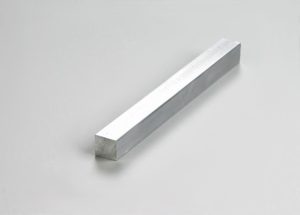
Aluminium, a lightweight and corrosion-resistant metal, has become a favored choice in various industries due to its remarkable combination of properties. One of the versatile applications of aluminum is in the form of drawn profiles. These profiles are created through a process known as extrusion, where aluminum billets are forced through a die to obtain specific shapes and sizes. Aluminum drawn profiles have found their way into an array of industries, offering unique advantages in design flexibility, durability, and cost-effectiveness.
The Extrusion Process
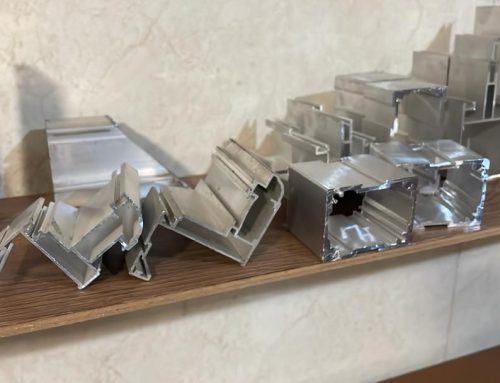
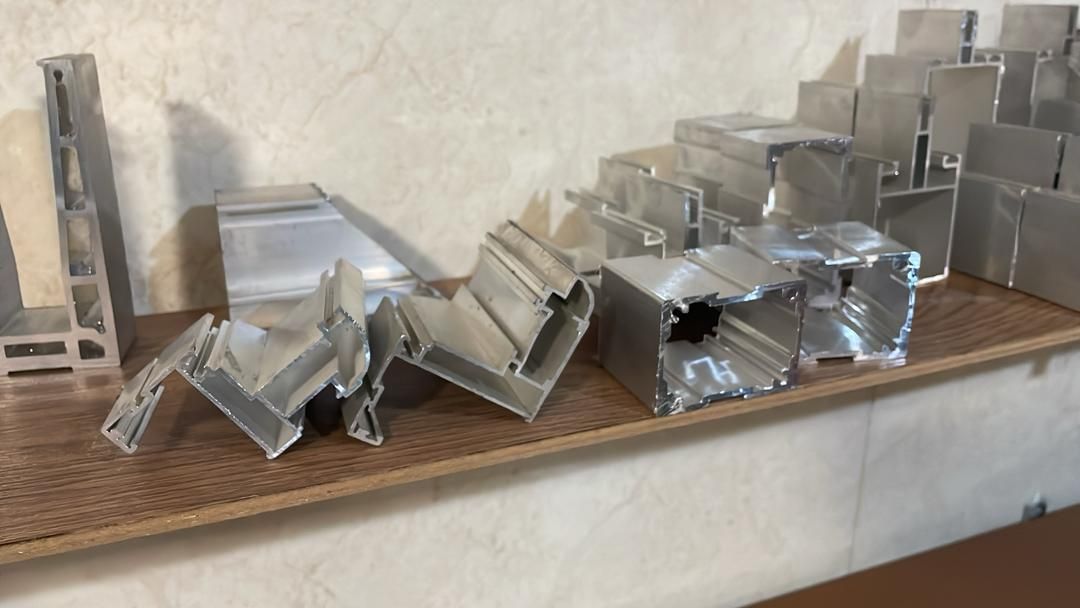
Aluminium drawn profiles are made using the extrusion process, which is both cost-effective and efficient. The process begins with aluminum billets, which are heated to a specific temperature and then forced through a die. The die imparts the desired shape to the aluminum as it passes through. This method allows for a wide variety of profiles to be created, from simple shapes like tubes and rods to complex and intricate designs. The versatility of this process is a significant advantage of aluminum drawn profiles.
Design Flexibility
One of the most significant advantages of aluminum drawn profiles is their exceptional design flexibility. Engineers and designers can create custom profiles to meet their specific requirements, whether it’s for architectural purposes, automotive components, or industrial machinery. The ability to design profiles with precise dimensions and intricate shapes makes aluminum drawn profiles a go-to choice for many applications.
Lightweight and High Strength
Aluminum is renowned for its low density, making it incredibly lightweight compared to many other metals. However, don’t let its weight fool you, as aluminum is also impressively strong. Aluminum drawn profiles offer the perfect balance between strength and weight, making them ideal for applications where weight savings are crucial. This characteristic is particularly valuable in industries like aerospace, automotive, and transportation.
Corrosion Resistance
Another noteworthy advantage of aluminum drawn profiles is their inherent corrosion resistance. Aluminum naturally forms a thin layer of oxide on its surface, which protects it from corrosion. This makes aluminum profiles suitable for outdoor and marine applications where exposure to moisture and harsh environmental conditions is common. It also reduces maintenance costs and extends the lifespan of products made from aluminum drawn profiles.
High Thermal Conductivity
Aluminum is an excellent conductor of heat, making it a popular choice for applications where efficient heat transfer is essential. This property is valuable in the manufacturing of heat sinks, HVAC systems, and electronics, where aluminum drawn profiles can dissipate heat effectively, ensuring the longevity and performance of the products.
Cost-Effectiveness
Aluminum drawn profiles offer cost-effectiveness throughout their lifecycle. The extrusion process allows for efficient material utilization, minimizing waste. Additionally, aluminum is readily available and recyclable, contributing to its cost-effectiveness. Over time, the durability and longevity of aluminum drawn profiles further reduce replacement and maintenance costs, making them an economical choice for many industries.
Applications and Industries
The adaptability of aluminum drawn profiles has led to their incorporation into a multitude of applications and industries. Here are some notable examples:
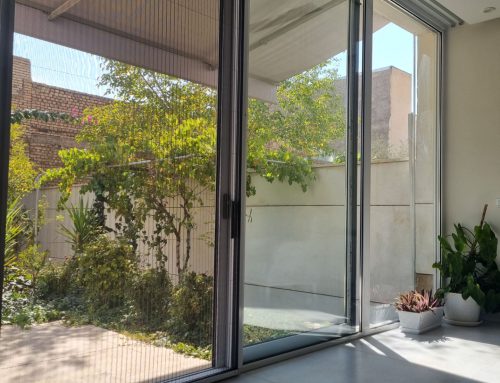
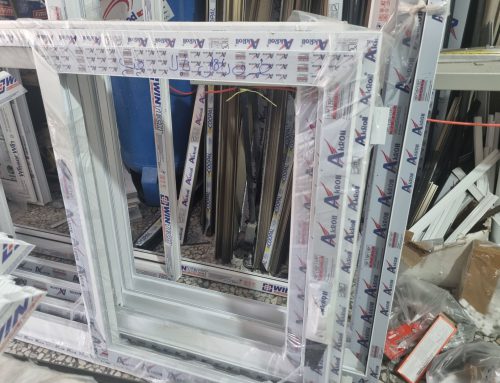
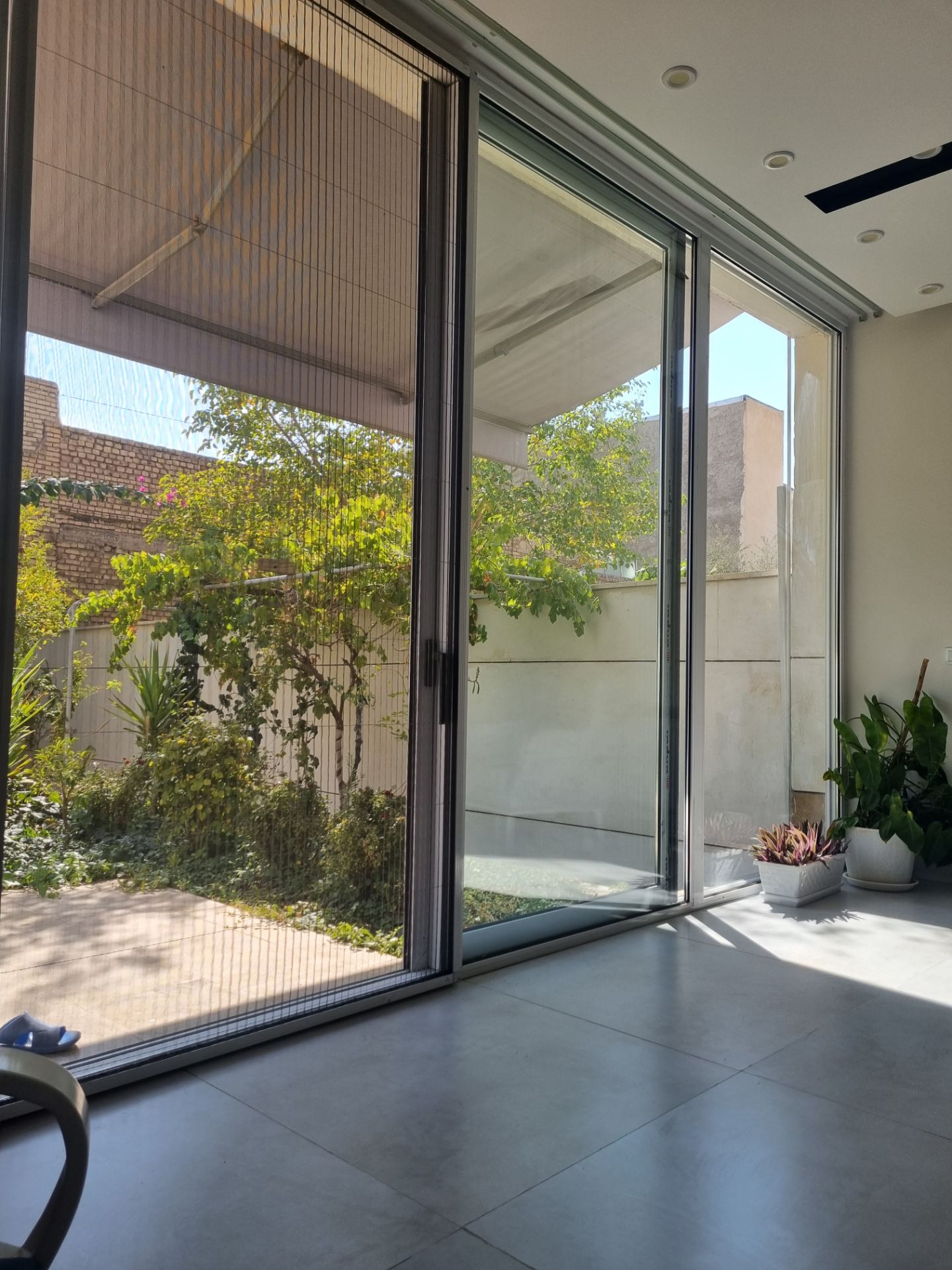
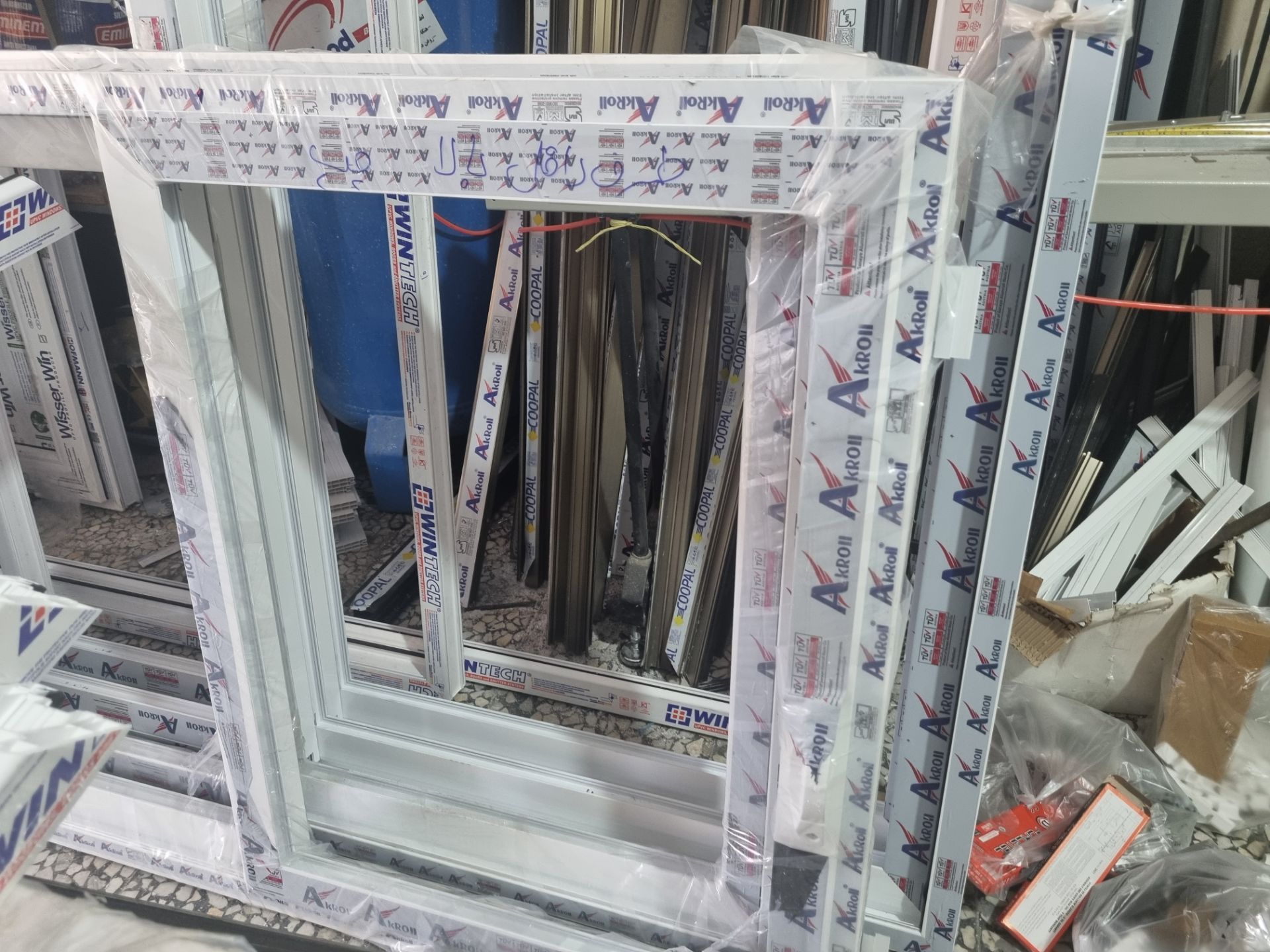
- Construction and Architecture: Aluminum drawn profiles are frequently used in construction for various purposes, including window and door frames, curtain walls, and structural components. Their lightweight yet strong characteristics make them ideal for large-scale architectural projects.
- Automotive: In the automotive industry, aluminum drawn profiles are employed in various vehicle components, such as chassis, body frames, and interior trim. The weight savings offered by aluminum contribute to improved fuel efficiency without compromising safety.
- Electronics: The high thermal conductivity of aluminum makes it an excellent choice for heat sinks and electronic enclosures. These profiles help dissipate heat generated by electronic components, ensuring reliable and efficient operation.
- Aerospace: Aluminum drawn profiles are used extensively in the aerospace industry due to their lightweight properties. They play a crucial role in aircraft construction, where reducing weight is paramount to enhance fuel efficiency and overall performance.
- Transportation: Aluminum profiles are found in various transportation applications, including railway systems and marine vessels. Their resistance to corrosion makes them well-suited for use in marine environments, while their lightweight design benefits both fuel efficiency and cargo capacity in rail transport.
- Industrial Machinery: Many industrial machines and equipment utilize aluminum drawn profiles in their construction. These profiles can be customized to meet specific structural and design requirements, enhancing the overall functionality and longevity of machinery.
- Consumer Goods: From bicycle frames to furniture and sporting equipment, aluminum drawn profiles are used in a wide range of consumer products. Their durability, lightweight nature, and sleek appearance contribute to their popularity in this sector.
- Renewable Energy: Aluminum drawn profiles are used in the renewable energy sector for the construction of solar panel frames and wind turbine components. Their corrosion resistance ensures a longer lifespan in outdoor environments.
Challenges and Future Trends
While aluminum drawn profiles offer numerous advantages, they are not without challenges. Addressing these challenges and staying ahead of emerging trends is crucial for industries that rely on these profiles:
- Material Efficiency: Despite the efficient extrusion process, there is always room for improvement in minimizing material waste. Innovative die designs and production techniques are continually being developed to enhance material efficiency further.
- Alloy Development: Researchers are working on developing new aluminum alloys with improved properties, such as increased strength, without compromising on the lightweight nature of aluminum. These alloys could lead to even more versatile and high-performance drawn profiles.
- Sustainability: As environmental concerns gain prominence, the aluminum industry is focusing on sustainable practices, such as recycling and reducing energy consumption during production. The use of recycled aluminum in drawn profiles is likely to increase.
- Integration of Smart Technologies: With the rise of the Internet of Things (IoT) and smart technologies, aluminum drawn profiles could play a role in housing sensors and wiring for various applications, contributing to the development of intelligent and connected systems.
- Customization and Additive Manufacturing: The demand for highly customized solutions is growing across industries. Additive manufacturing techniques, such as 3D printing, are being explored in conjunction with traditional extrusion methods to offer even greater design flexibility.
In conclusion, aluminum drawn profiles have firmly established themselves as a versatile and indispensable component in numerous industries, offering design flexibility, lightweight strength, corrosion resistance, and cost-effectiveness. Their adaptability to emerging technologies and evolving industry needs ensures they will continue to play a vital role in shaping the future of manufacturing and design. By addressing challenges and embracing sustainability, the aluminum industry is poised to remain at the forefront of material innovation, providing solutions for the ever-changing demands of a dynamic world. As industries continue to advance, aluminum drawn profiles will be an integral part of the journey towards more efficient, sustainable, and technologically advanced solutions.



Leave A Comment