
Facade aluminum profile factory
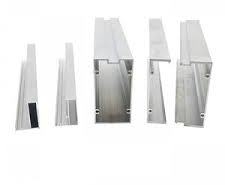
Introduction
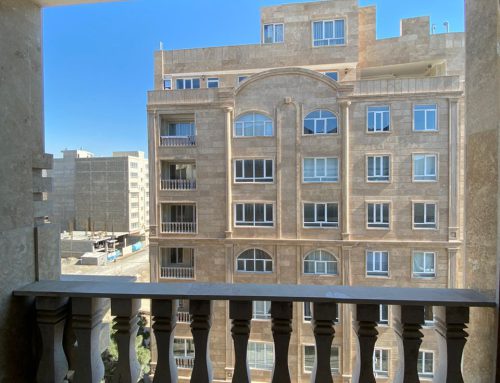
In the realm of modern architecture, the use of aluminum has become increasingly prevalent, particularly in the construction of facades. Facades not only serve as a building’s protective shield but also as an aesthetic expression of its identity. Behind these remarkable facades lies a world of precision and innovation, driven by factories specializing in the production of facade aluminum profiles. In this article, we delve into the fascinating world of facade aluminum profile factories, exploring their significance, production processes, and the impact they have on the construction industry.
The Significance of Facade Aluminum Profile Factories
Facade aluminum profile factories are the unsung heroes of contemporary architecture. They play a pivotal role in transforming architectural visions into tangible structures. These factories provide architects and builders with a versatile and durable material that meets both aesthetic and functional requirements.
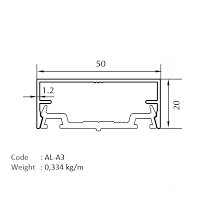
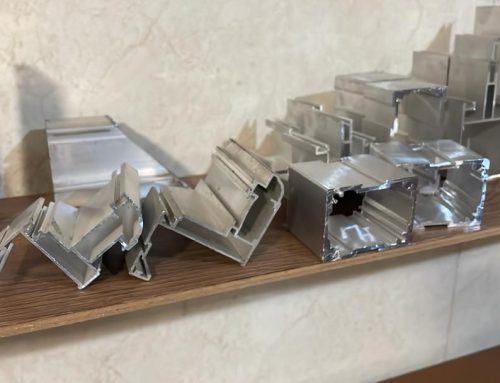
Customization: Facade aluminum profile factories offer a wide range of profiles, allowing architects to customize their designs. Whether it’s a sleek, minimalist look or a complex, geometric pattern, these factories can create profiles that meet the precise needs of each project.
Durability: Aluminum is renowned for its durability and resistance to corrosion. Facade aluminum profiles are designed to withstand harsh weather conditions, making them ideal for outdoor applications. This durability ensures that buildings maintain their aesthetics and structural integrity over time.
Sustainability: In an era where sustainability is a top priority, aluminum is an environmentally friendly choice. It is highly recyclable, reducing the carbon footprint of construction projects. Facade aluminum profile factories often use recycled aluminum, contributing to the industry’s sustainability efforts.
The Production Process
The production of facade aluminum profiles is a meticulous process that combines cutting-edge technology with skilled craftsmanship. Here’s an overview of the key steps involved:
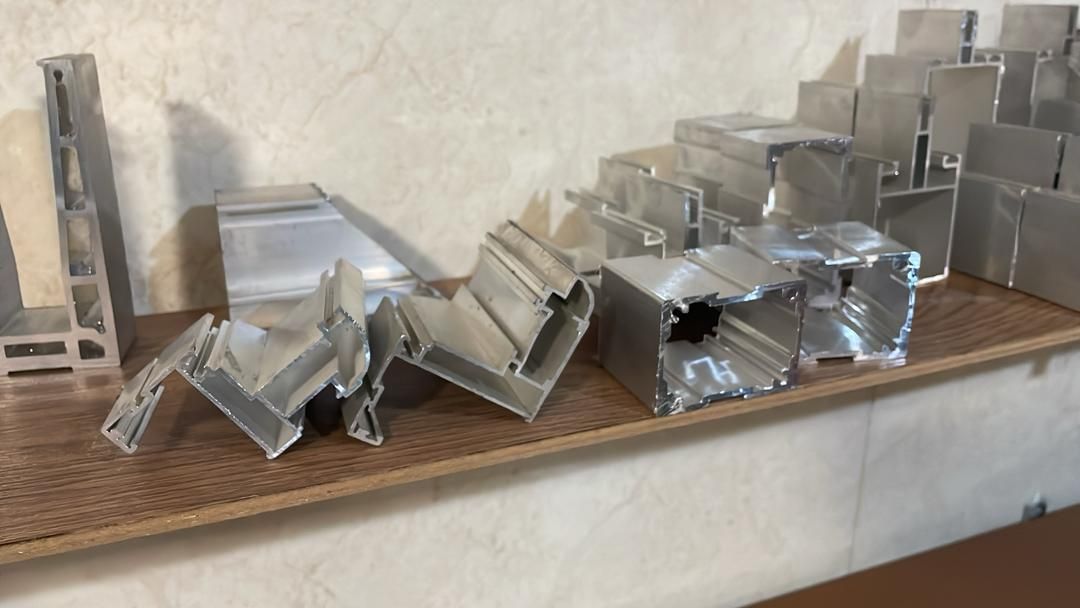
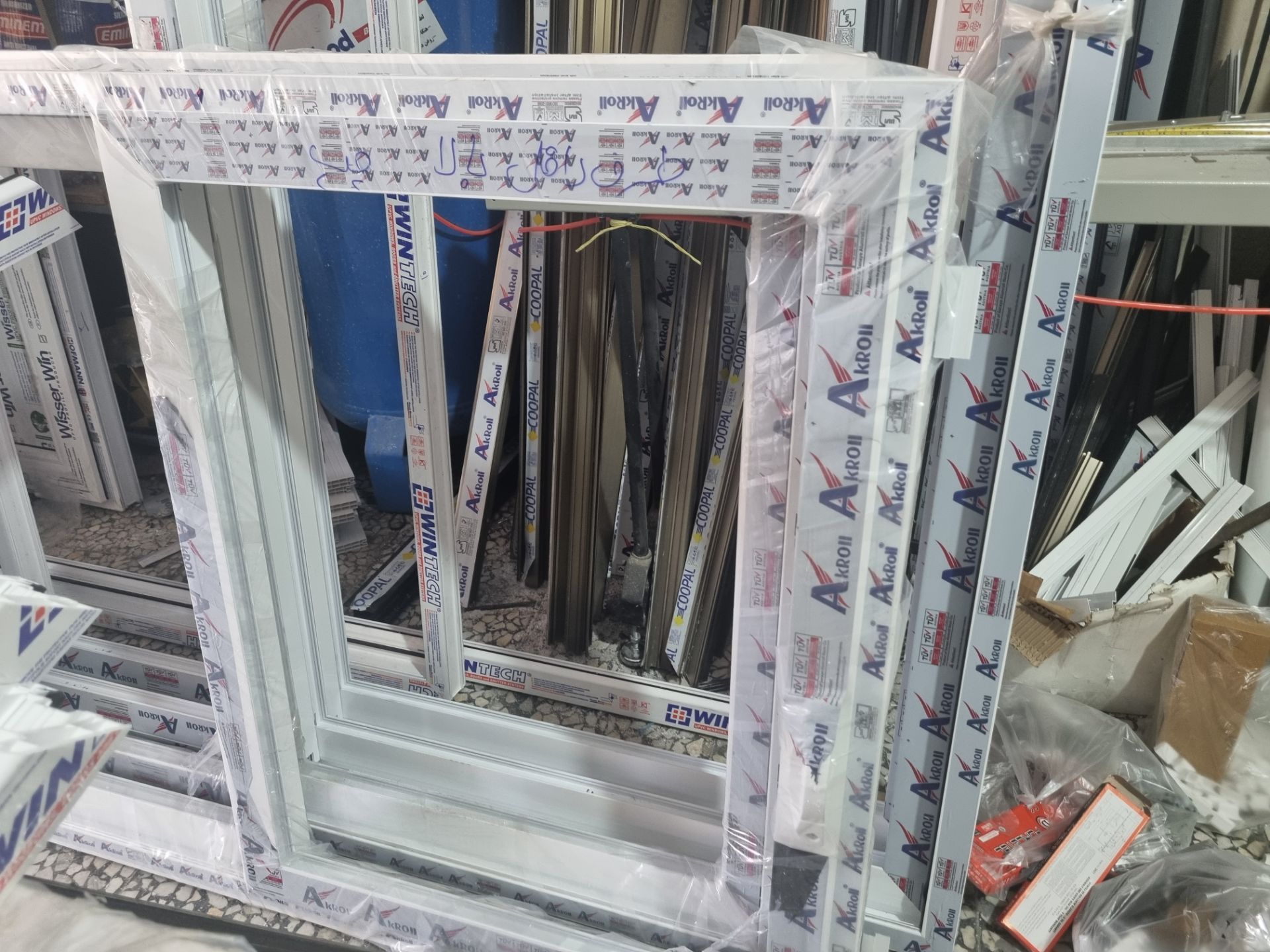
Extrusion: The process begins with extrusion, where aluminum billets are heated and pushed through a die to create the desired profile shape. This process is highly precise, ensuring uniformity in the final product.
Surface Treatment: To enhance the appearance and protect against corrosion, the aluminum profiles undergo surface treatment. This can include anodizing, powder coating, or other finishing techniques. These treatments also allow for a variety of color options to suit architectural preferences.
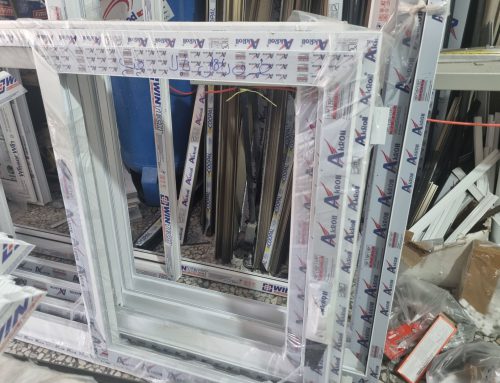
Fabrication: Facade aluminum profiles are often cut, drilled, and machined to precise specifications. This step ensures that the profiles fit seamlessly into the building’s design and accommodate fixtures such as windows and doors.
Quality Control: Rigorous quality control measures are in place throughout the production process to guarantee that each profile meets the highest standards for strength, durability, and aesthetics.
Impact on the Construction Industry
Facade aluminum profile factories have had a profound impact on the construction industry. Their contributions extend beyond providing materials; they influence the very design and functionality of modern buildings.
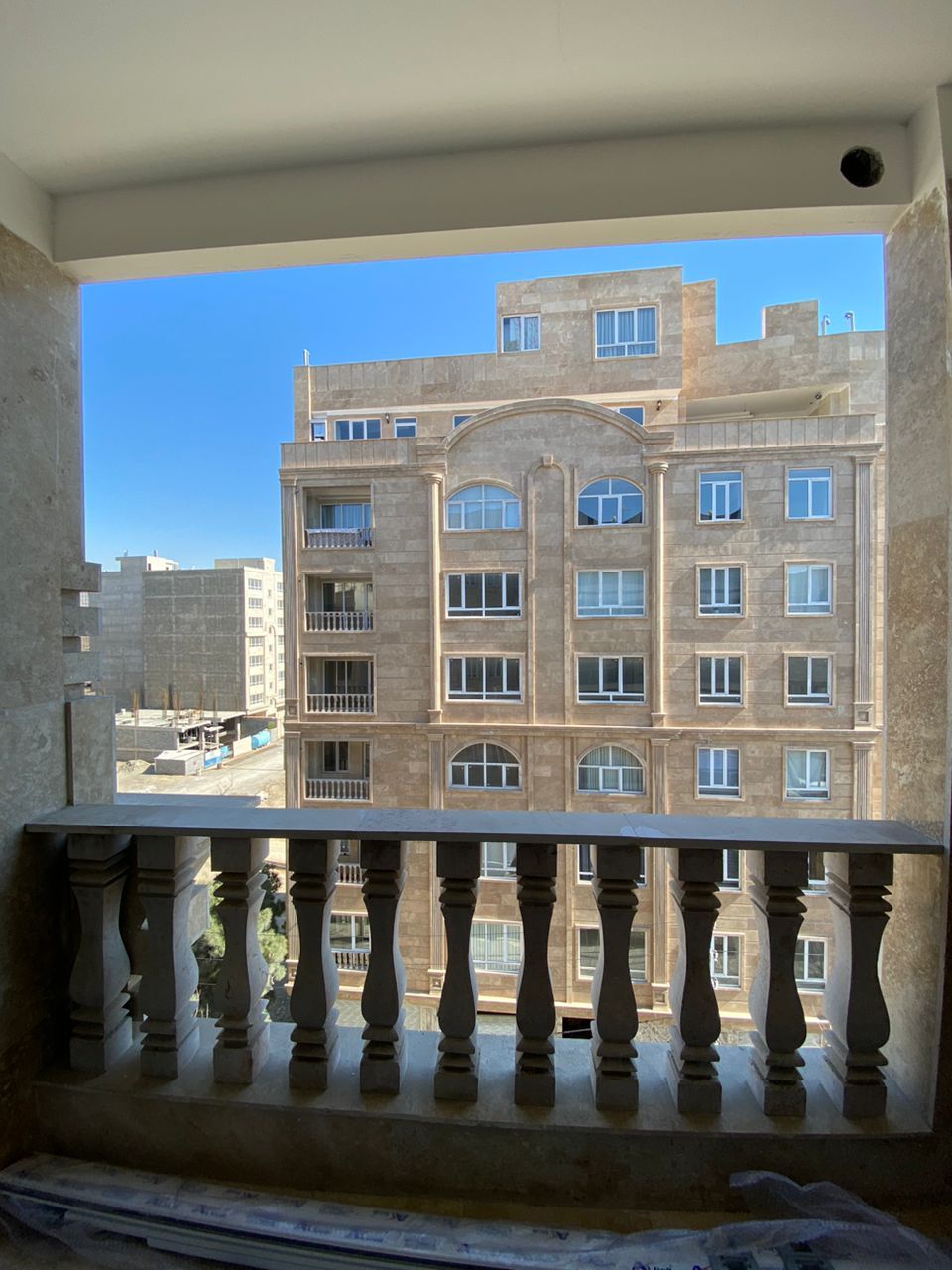
Architectural Innovation: Facade aluminum profiles enable architects to push the boundaries of design. Their versatility and ability to create intricate shapes and patterns have led to iconic buildings that redefine the skyline of cities worldwide.
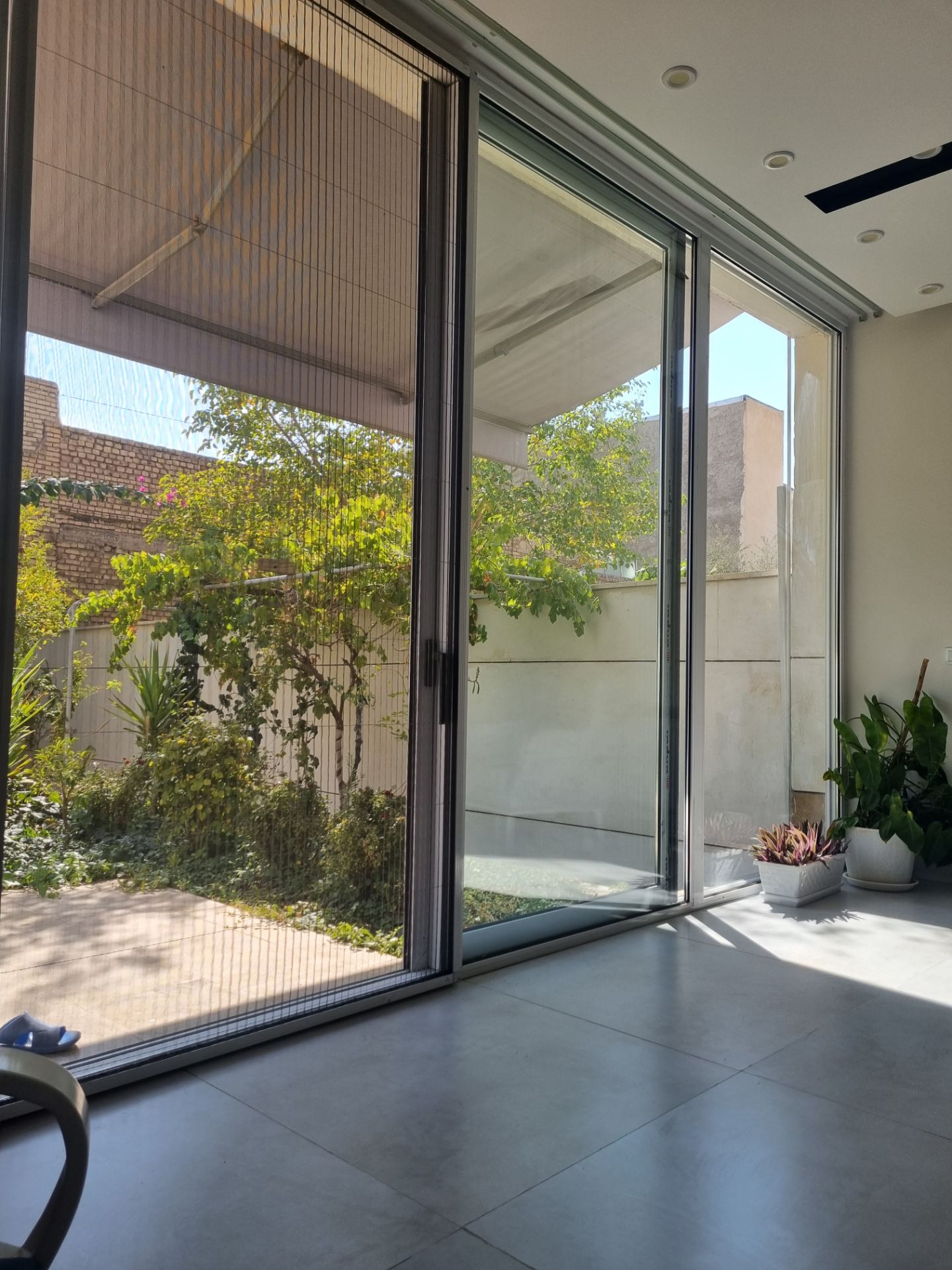
Energy Efficiency: Aluminum profiles can be integrated with advanced insulation systems, contributing to improved energy efficiency in buildings. This feature aligns with the global drive towards sustainable and eco-friendly construction practices.
Cost-Effective Solutions: The durability of aluminum profiles reduces maintenance costs over the lifespan of a building. This makes them a cost-effective choice for both developers and building owners.
The Future of Facade Aluminum Profile Factories
The future of facade aluminum profile factories looks promising, driven by ongoing technological advancements and an increased emphasis on sustainability. Here are some key trends and developments we can expect to see:
Advanced Materials: Research and development efforts are continually improving aluminum alloys, making them even lighter, stronger, and more corrosion-resistant. These innovations will expand the range of applications for aluminum profiles in construction.
Digital Design and Manufacturing: With the aid of computer-aided design (CAD) and computer-aided manufacturing (CAM) technologies, architects and factories can collaborate more seamlessly. This leads to greater precision in design and quicker production.
Energy Efficiency: Facade aluminum profiles will play a pivotal role in achieving higher energy efficiency standards in buildings. They will be integrated into smart building systems, allowing for dynamic control of lighting, shading, and temperature, thereby reducing energy consumption.
Sustainable Practices: Facade aluminum profile factories will continue to prioritize sustainability by adopting greener manufacturing processes and sourcing more recycled aluminum. This aligns with global efforts to reduce the carbon footprint of construction.
3D Printing: The adoption of 3D printing technology in the production of aluminum profiles is on the horizon. This innovation could revolutionize the customization and rapid prototyping of profiles, further expanding design possibilities.
Challenges and Considerations
While facade aluminum profile factories hold immense potential, there are also challenges they must address to thrive in an ever-changing industry:
Environmental Regulations: As sustainability becomes increasingly crucial, factories must adhere to stricter environmental regulations. This includes not only reducing their own environmental impact but also ensuring the aluminum they use is responsibly sourced.
Supply Chain Disruptions: Global events, such as the COVID-19 pandemic, have highlighted vulnerabilities in supply chains. Factories need to establish robust contingency plans to address disruptions in the supply of raw materials and logistics.
Technological Adoption: Keeping up with evolving technologies can be challenging for some factories. Investing in cutting-edge machinery and ensuring that the workforce is adequately trained is vital to maintaining competitiveness.
Market Competition: The industry is becoming more competitive as new players enter the market. Established factories must innovate continuously to stay ahead and maintain their reputation for quality.
Design Trends: Facade design trends evolve rapidly. Factories must stay attuned to the latest architectural preferences and adapt their offerings accordingly.
The Human Element
Behind every facade aluminum profile factory are skilled individuals who bring precision and craftsmanship to the production process. From engineers and designers to machine operators and quality control experts, these individuals are the backbone of the industry. The success of a factory often hinges on the expertise, dedication, and creativity of its workforce.
Moreover, collaboration with architects, builders, and developers is essential to translate creative visions into reality. The synergy between these professionals and the factories that produce the aluminum profiles results in iconic buildings that leave a lasting impression.
Conclusion
Facade aluminum profile factories may operate behind the scenes, but their impact on modern architecture is undeniable. They enable architects and builders to push the boundaries of design while meeting the highest standards of durability and sustainability. As the construction industry continues to evolve, these factories will remain at the forefront, shaping the skylines of our cities and contributing to a more sustainable and visually inspiring world. With innovation, adaptability, and a commitment to excellence, facade aluminum profile factories will continue to play an integral role in the construction industry’s ongoing transformation.

Leave A Comment