
curtain wall, frame less , Louver, window, door, skylight, Aluminum profiles manufacturer
Introduction
curtain wall, frame less , Louver, window, door, skylight, Aluminum profiles manufacturer ,In the realm of modern architecture and construction, building envelopes have undergone significant transformations over the years. Architects and builders are constantly seeking innovative solutions to enhance the aesthetics, energy efficiency, and functionality of buildings. One crucial aspect of this transformation is the integration of advanced materials and design concepts into various architectural elements such as curtain walls, frameless systems, louvers, windows, doors, skylights, and aluminum profiles. In this article, we will explore these components and highlight the role of manufacturers in driving innovation in the construction industry.
Curtain Walls: Merging Aesthetics and Functionality
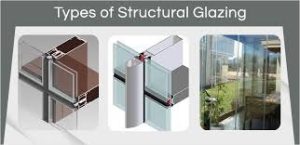
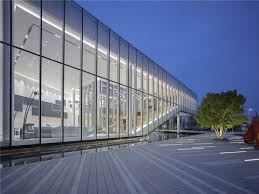
Curtain walls are non-structural, outer coverings of a building that provide an array of benefits, including enhanced aesthetics, natural light penetration, and energy efficiency. They are typically made of aluminum frames filled with glass or other transparent materials. Curtain wall systems are designed to withstand wind loads, seismic forces, and thermal expansion, while still allowing for design flexibility. Manufacturers in this space continually refine the technology, producing more energy-efficient and sustainable curtain wall systems.
Frameless Systems: Seamless Design Integration
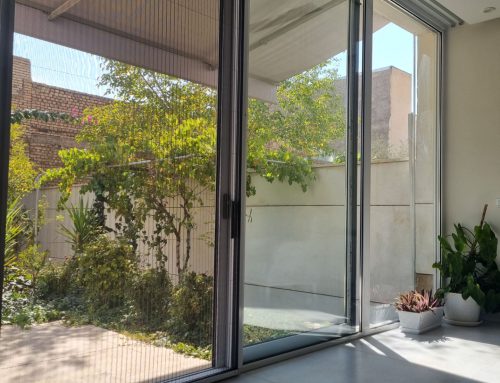
Frameless systems have gained popularity for their minimalist and sleek appearance. They often find use in shower enclosures, glass balustrades, and glass partition walls. Frameless glass systems eliminate the need for bulky frames, creating a seamless and open aesthetic. Manufacturers have developed advanced glass mounting systems and hardware, ensuring safety and durability while maintaining the desired aesthetic appeal.
Louvers: Balancing Form and Function
Louvers serve both functional and aesthetic purposes in building design. They control the flow of air and light into a building while adding a unique architectural touch. Louvers come in various materials and configurations, such as aluminum, steel, and wood. Manufacturers are constantly innovating to improve the performance of louvers in terms of energy efficiency and weather resistance. Additionally, louvers can be customized to suit the design and branding of a building, offering architects a wide range of creative possibilities.
Windows: Windows to the World
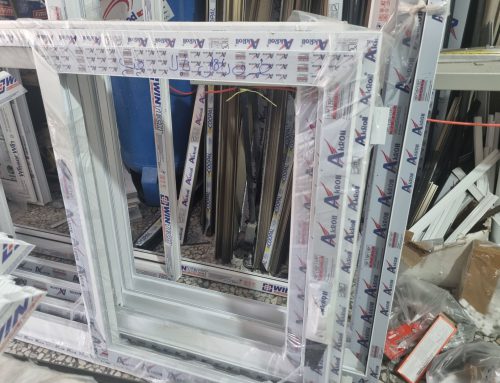
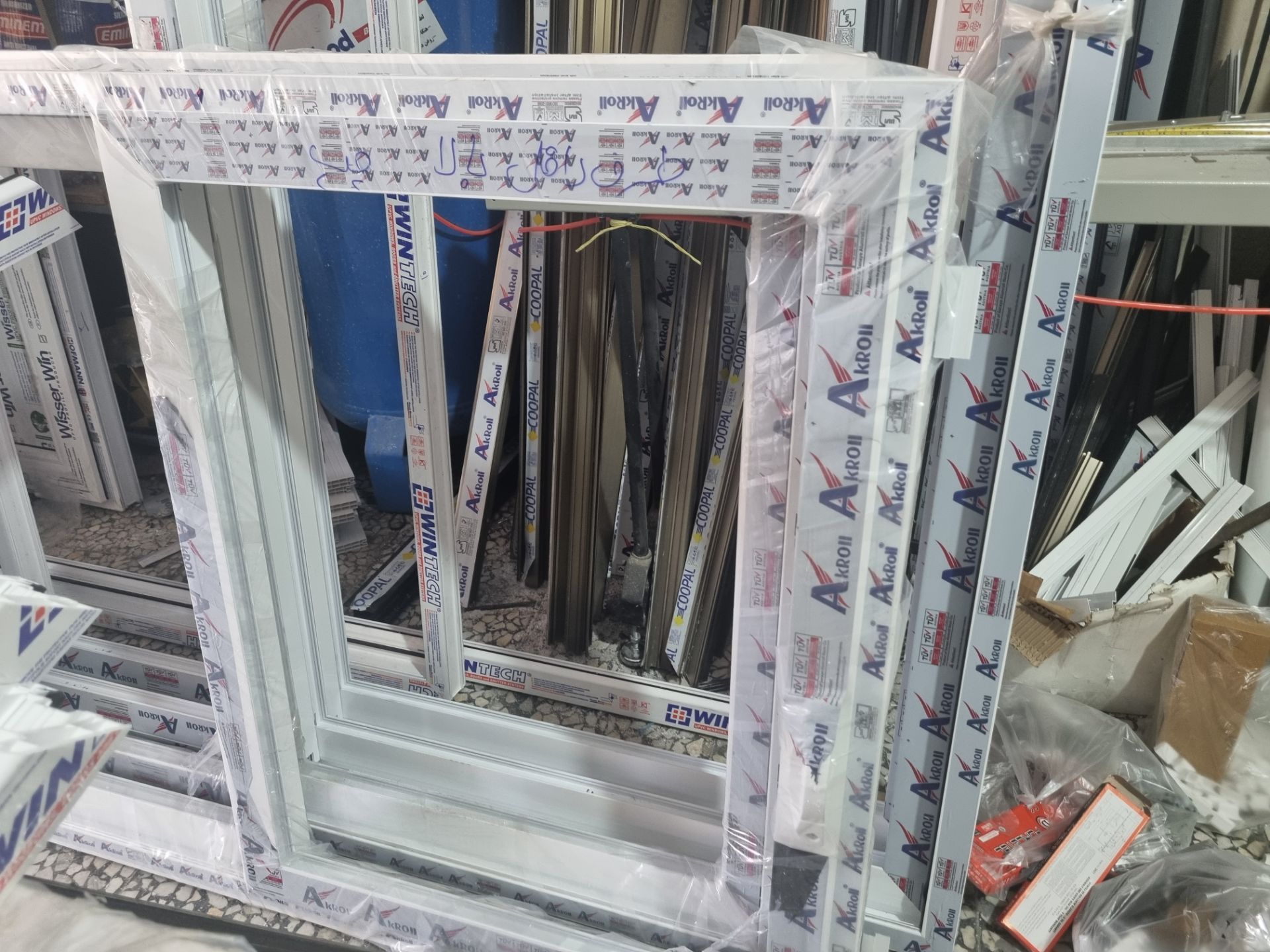
Windows are not just openings in walls; they are critical elements of a building’s design and functionality. Today’s windows are designed with energy efficiency in mind, featuring double-glazed or triple-glazed glass, low-emissivity coatings, and advanced framing materials. Manufacturers play a vital role in developing windows that not only meet stringent energy standards but also enhance the visual appeal of the building. From fixed to operable, casement to awning windows, the variety of options available to architects and builders is continually expanding.
Doors: Bridging Aesthetics and Security
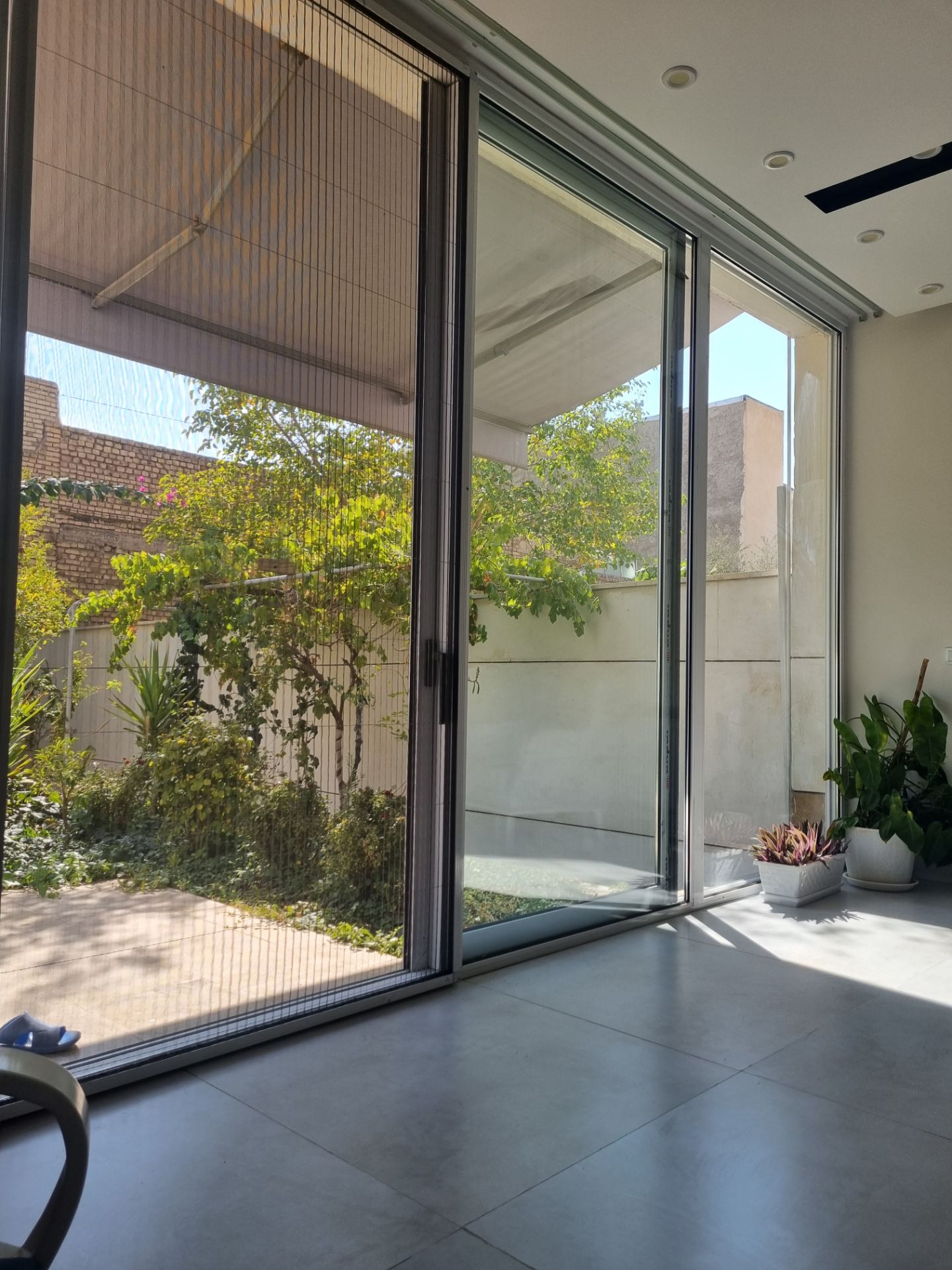
Doors are more than mere entrances; they are the first point of contact with a building. As such, they need to provide a secure and inviting experience. Modern door systems come in a variety of materials, including wood, steel, and aluminum. Manufacturers focus on combining aesthetics and security by offering a wide range of finishes, hardware options, and access control solutions. Additionally, energy-efficient doors contribute to a building’s overall sustainability.
Skylights: Embracing Natural Light
Skylights are a source of natural light and ventilation, contributing to the health and well-being of occupants. Advanced skylight systems utilize high-performance glazing and automated controls to optimize energy efficiency and comfort. Manufacturers continually develop innovative designs and materials to meet the growing demand for sustainable and aesthetically pleasing skylights.
Aluminum Profiles: The Backbone of Modern Building Elements
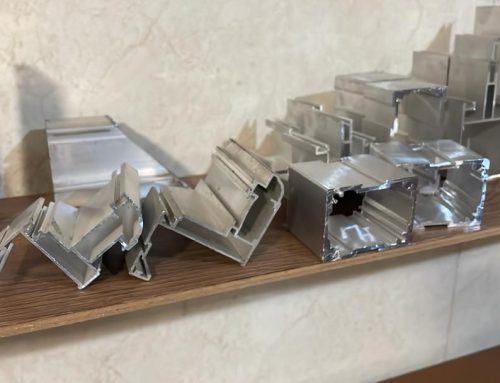
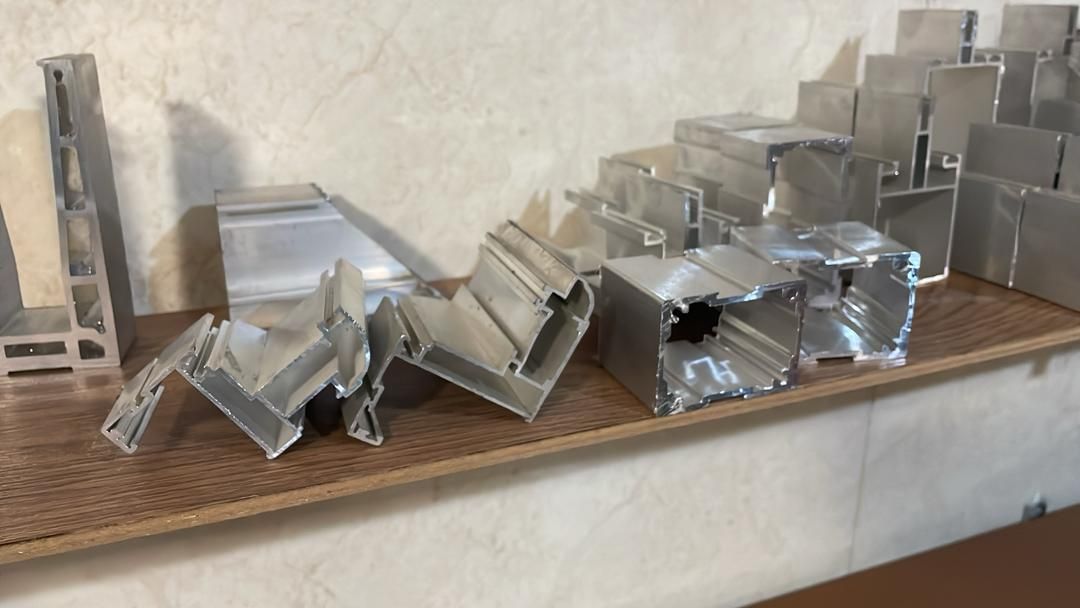
Aluminum profiles are the foundation of many architectural elements discussed here, from curtain walls to windows and doors. These profiles provide the structural integrity and support necessary for the design and functionality of various building components. Manufacturers invest in research and development to create lightweight yet strong aluminum profiles that meet stringent performance requirements while offering design flexibility.
Manufacturers in this industry must adapt to changing architectural trends and building codes while also addressing the growing importance of sustainability. Here are a few trends and considerations that will continue to shape the world of building envelopes and architectural elements:
- Sustainability: As environmental consciousness grows, manufacturers are developing products that meet stringent sustainability criteria. This includes using recycled materials, energy-efficient designs, and products that contribute to LEED (Leadership in Energy and Environmental Design) certifications.
- Energy Efficiency: The quest for energy-efficient buildings is an ongoing trend. Modern architectural elements must provide insulation, minimize heat transfer, and harness natural light effectively. Manufacturers are developing glazing systems, thermal breaks, and coatings to improve energy performance.
- Technology Integration: With the advent of smart buildings, manufacturers are incorporating technology into their products. This includes integrated sensors for lighting, shading, and climate control, as well as automated systems for safety and convenience.
- Customization: Architects and designers seek unique and customized solutions. Manufacturers are responding by offering a wide array of colors, finishes, and configurations to meet the specific aesthetic and functional requirements of each project.
- Safety and Security: In an increasingly uncertain world, security is paramount. Manufacturers are developing advanced locking systems, impact-resistant glass, and blast-resistant materials to enhance the safety and security of building envelopes.
- Health and Well-being: The COVID-19 pandemic has highlighted the importance of indoor air quality and health. Manufacturers are exploring materials and technologies that contribute to improved indoor environments, including anti-microbial coatings and improved ventilation systems.
- BIM (Building Information Modeling): The adoption of BIM in the construction industry has changed the way architectural elements are designed and integrated. Manufacturers are providing BIM-ready models and collaborating with architects and builders to streamline the construction process.
- Globalization: Manufacturers are expanding their global reach to cater to architects and builders worldwide. This globalization brings diverse design influences, materials, and techniques, leading to a rich tapestry of architectural styles.
As we look ahead, it’s evident that the world of architectural elements will continue to evolve, with manufacturers leading the way in shaping the industry. Here are some key areas where we can expect further advancements and innovations:
1. Integration of Sustainable Materials: Manufacturers will continue to explore sustainable materials such as recycled aluminum, low-impact glass, and other eco-friendly options to reduce the environmental footprint of their products.
2. Advancements in Energy-Efficient Glazing: Research into advanced glazing technologies will yield more energy-efficient and dynamic glass solutions, capable of adjusting their transparency and insulation properties in response to environmental conditions.
3. Smart Building Integration: The integration of Internet of Things (IoT) technology into building elements will become more prevalent. Manufacturers will develop products that seamlessly connect to building automation systems, enabling real-time data monitoring and control.
4. High-Performance Coatings: Innovative coatings will improve the durability and performance of architectural elements, making them more resistant to corrosion, UV radiation, and other environmental factors.
5. Prefabrication and Modular Construction: Manufacturers will increasingly provide prefabricated and modular solutions, reducing construction time and waste while maintaining high-quality standards.
6. Collaboration with Architects and Designers: Close collaboration between manufacturers, architects, and designers will be crucial to creating custom solutions that meet the unique demands of each project.
7. Health-Centric Design: Manufacturers will respond to the growing focus on health and wellness by developing products that enhance indoor air quality, minimize noise pollution, and contribute to occupant well-being.
8. Environmental Certifications: Manufacturers will seek and obtain certifications such as Cradle to Cradle, BREEAM, or WELL Building Standard for their products, further emphasizing their commitment to sustainability and occupant health.
9. Global Expansion: Manufacturers will continue to expand their presence globally, fostering cross-cultural design influences and meeting the diverse needs of architects and builders in different regions.
In conclusion, the world of architectural elements, including curtain walls, frameless systems, louvers, windows, doors, skylights, and aluminum profiles, is on an exciting trajectory of innovation and sustainability. Manufacturers are at the forefront of these advancements, driving the industry towards more environmentally responsible, technologically advanced, and aesthetically pleasing solutions. As buildings become smarter, more energy-efficient, and better suited for the well-being of occupants, we can anticipate an inspiring future where architectural elements play a central role in shaping the cities and spaces we inhabit.

Leave A Comment