
Exporting Profiles Worldwide

Introduction
Exporting Profiles Worldwide Exporting aluminum profiles worldwide has become a critical business strategy for manufacturers looking to expand their market presence and increase revenue streams. Aluminum profiles are versatile components used in construction, industrial machinery, electronics, transportation, and interior design. Their global demand has surged due to the growing need for lightweight, durable, and sustainable materials. This article explores the types of aluminum profiles, key international markets, advantages, logistical considerations, and best practices for successful global sales.
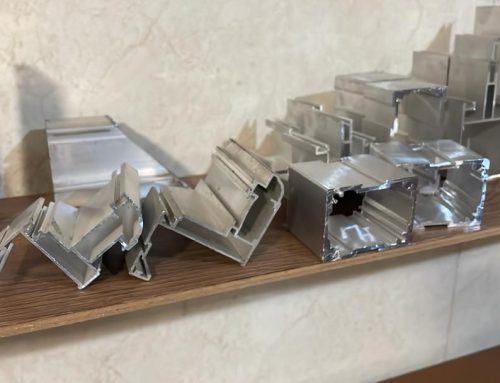
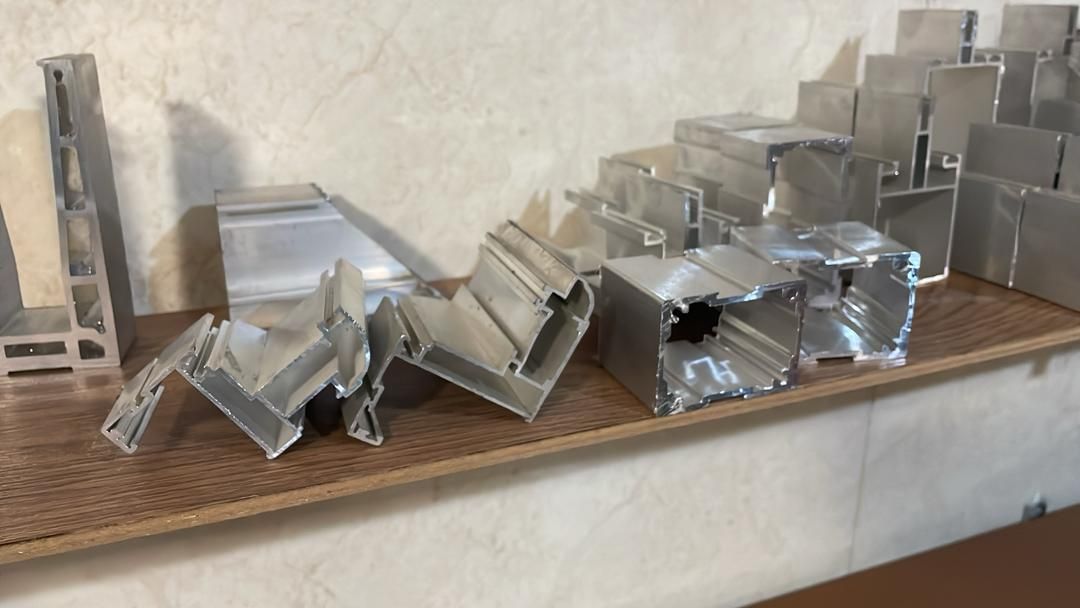
Types of Aluminum Profiles

Manufacturers produce aluminum profiles in various designs and specifications to meet specific industry requirements:
- T-Slot Profiles: Widely used in machine frames, industrial automation systems, and modular workstations.
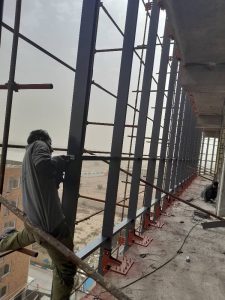
- Structural Profiles: Designed for load-bearing applications in buildings, bridges, and infrastructure projects.
- Heat-Sink Profiles: Applied in electronics and lighting solutions for efficient heat management.
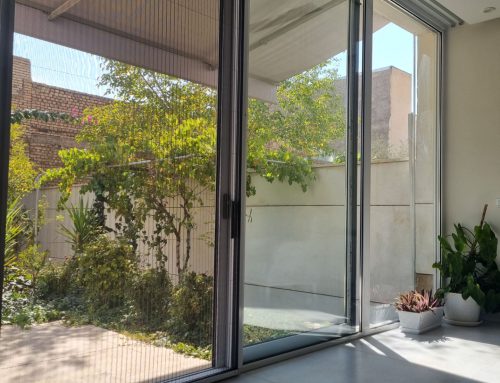
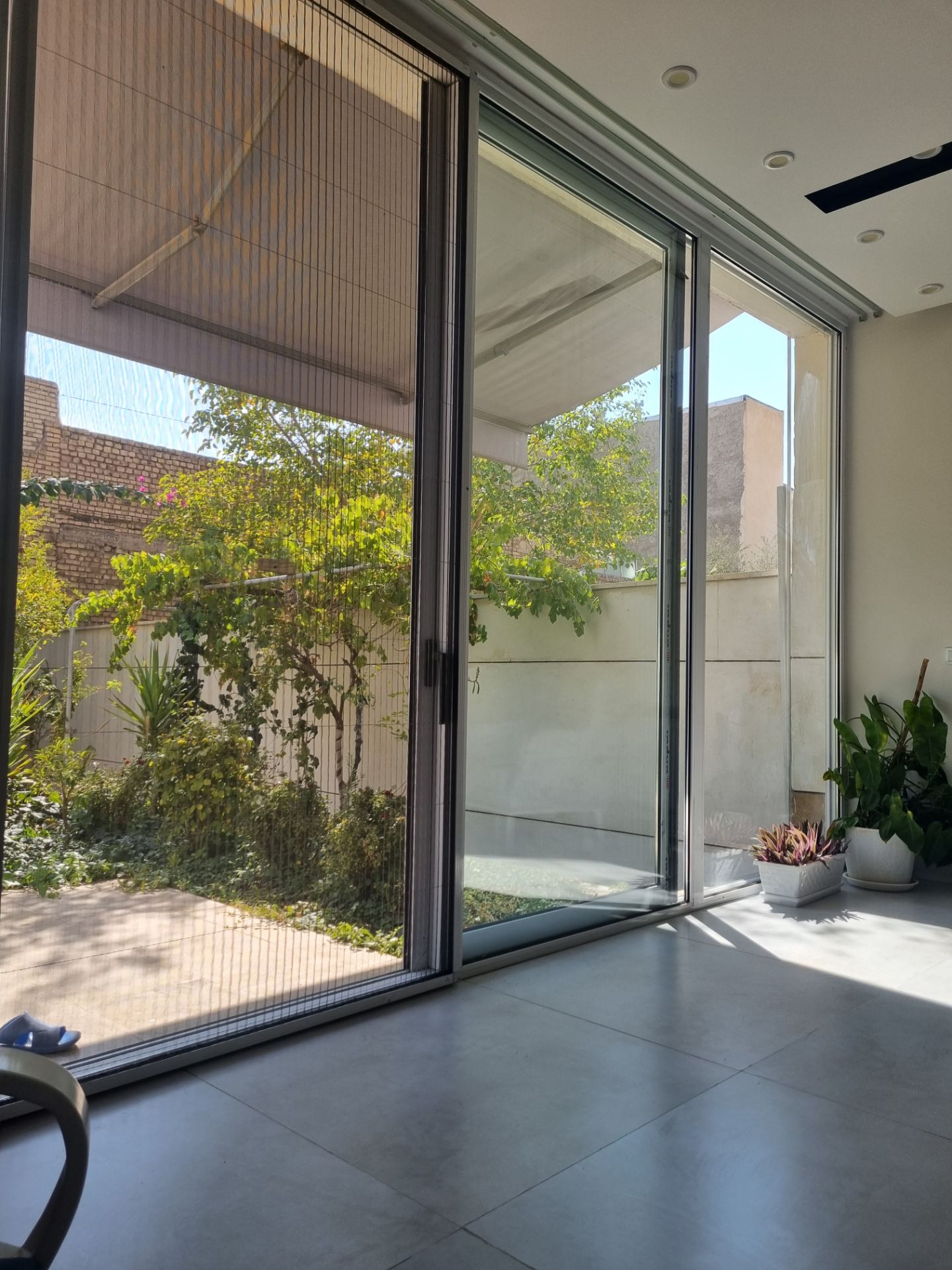
- Decorative Profiles: Suitable for interior design, window frames, and furniture enhancements.
- Custom Extrusions: Tailored profiles that meet specialized architectural or industrial requirements.
Key International Markets
The global demand for aluminum profiles varies by region, each with unique requirements and preferences:
- North America: Strong demand for automotive, aerospace, and industrial machinery components.
- Europe: Emphasis on energy-efficient building materials and sustainable architectural solutions.
- Asia: Rapid urbanization and industrial growth create high-volume demand.
- Middle East: Infrastructure projects and luxury construction drive specialized requirements.
- Africa: Emerging markets focus on cost-effective and durable construction materials.
- South America: Expanding urban development and industrialization increase demand for modular and versatile aluminum solutions.
Advantages of Aluminum Profiles
| Feature | Benefit |
|---|---|
| Lightweight | Reduces transportation and handling costs while facilitating easy installation. |
| Durable | Resistant to corrosion, weathering, and mechanical stress. |
| Versatile | Customizable shapes suitable for architectural, industrial, and decorative applications. |
| Recyclable | Environmentally friendly and compliant with sustainability regulations. |
| Thermal Conductivity | Effective in heat dissipation for electronics and industrial applications. |
Logistics and Export Considerations
Exporting aluminum profiles involves multiple logistical challenges that must be addressed to ensure smooth operations:
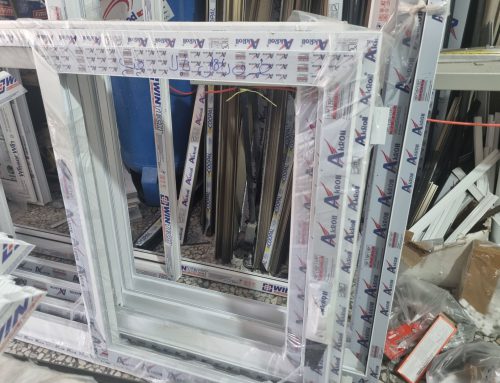
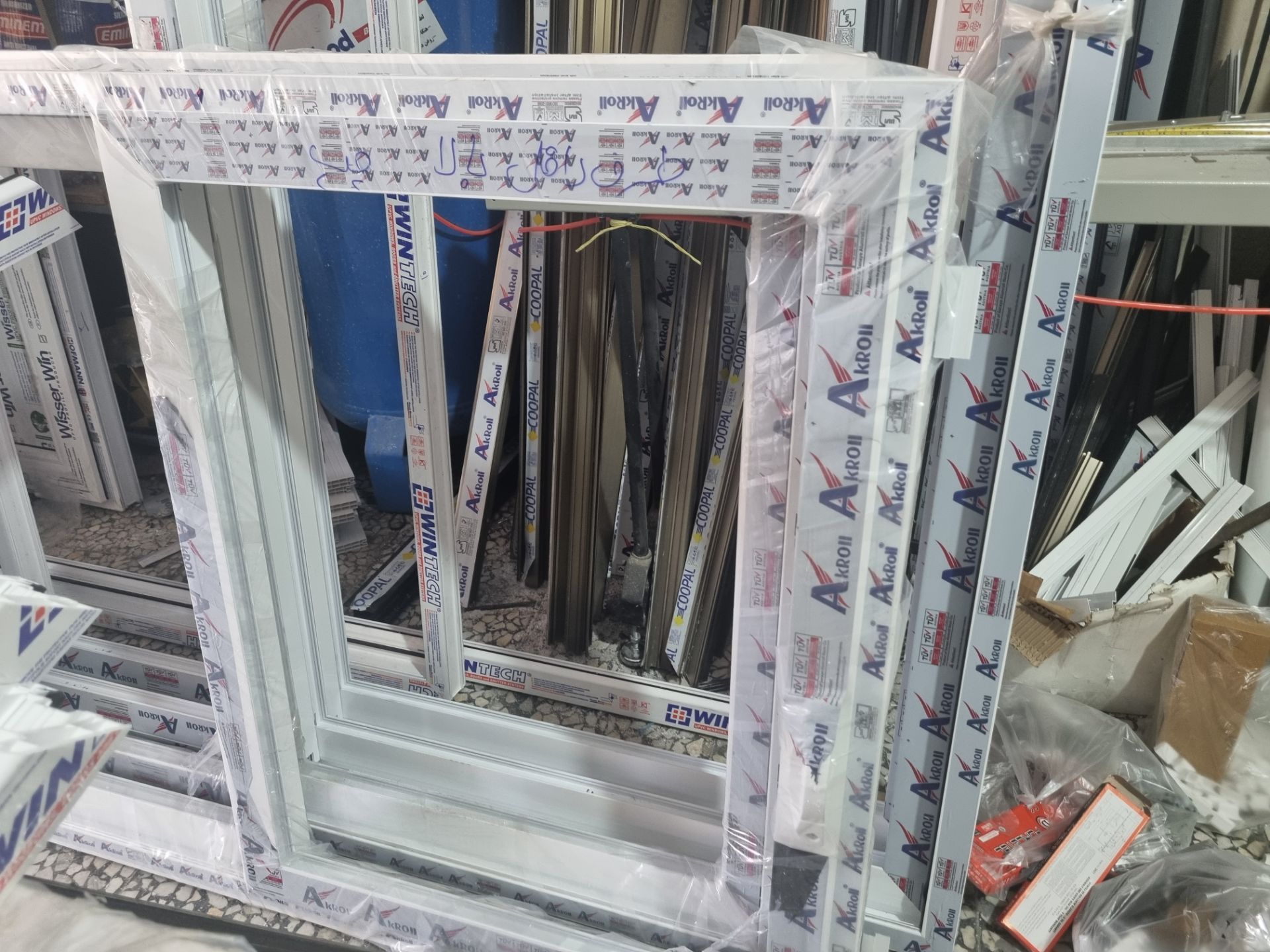
- Packaging: Proper protective packaging to prevent deformation or surface damage during transit.
- Shipping: Selection of efficient and reliable shipping methods, including sea freight, air freight, and land transport.
- Customs Compliance: Adhering to import regulations, tariffs, and standards of the destination country.
- Quality Assurance: Maintaining consistent product quality through testing, certifications, and inspections.
- Inventory Management: Ensuring adequate stock levels to meet international orders without delays.
Export Strategies for Success
To maximize global sales, manufacturers must adopt effective strategies tailored to each region:
- Obtain international certifications to enhance credibility and compliance with regional standards.
- Provide flexible product customization options to meet diverse client requirements.
- Develop partnerships with local distributors to expand market reach and reduce logistical challenges.
- Use digital marketing and trade platforms to connect with global buyers efficiently.
- Monitor international market trends to anticipate demand and adjust production accordingly.
Challenges in Global Export
- Fluctuating aluminum prices can impact profit margins.
- Intense international competition requires differentiation through quality and service.
- Compliance with multiple international standards and certifications adds complexity.
- Transportation delays and customs issues can disrupt supply chains.
- Maintaining consistent quality across high-volume production is critical for reputation.
Future Outlook
The future of aluminum profile exports is closely linked to global industrial trends and sustainability initiatives:
- Advances in automation and precision extrusion will improve production efficiency and quality.
- Growing focus on sustainable building materials will increase demand in developed markets.
- Emerging economies will continue to drive high-volume sales in construction and industrial applications.
- Development of lightweight, high-strength alloys will expand applications in transportation and aerospace.
- Digital trade platforms and e-commerce solutions will simplify global sales and logistics management.
Conclusion
Exporting aluminum profiles worldwide requires a deep understanding of regional market needs, product versatility, and logistical efficiency. Manufacturers that invest in quality, certifications, customization, and strategic partnerships can successfully expand their global footprint. With continued urbanization, industrial growth, and a focus on sustainable materials, aluminum profiles will remain an essential component of modern infrastructure, industrial projects, and technological innovation across the world.



Leave A Comment