
Aluminum Profiles for International Markets
Introduction
Aluminum Profiles for International Markets Aluminum profiles have established themselves as one of the most versatile and widely used materials in the global construction, industrial, and manufacturing sectors. Their unique combination of lightweight properties, durability, corrosion resistance, and adaptability makes them essential for modern infrastructure, architectural projects, transportation, and industrial automation. The international market for aluminum profiles is growing rapidly, driven by urbanization, industrial expansion, sustainable building initiatives, and technological advancements. Companies looking to expand their operations internationally must understand regional requirements, regulatory standards, market trends, and effective export strategies. This article provides a detailed examination of aluminum profiles, their applications, market opportunities, challenges, and future outlook for global sales.

Diverse Types of Aluminum Profiles
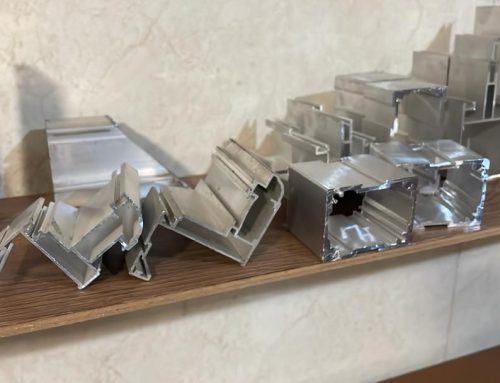
Aluminum profiles are manufactured in various shapes, sizes, and specifications to meet the needs of multiple industries:
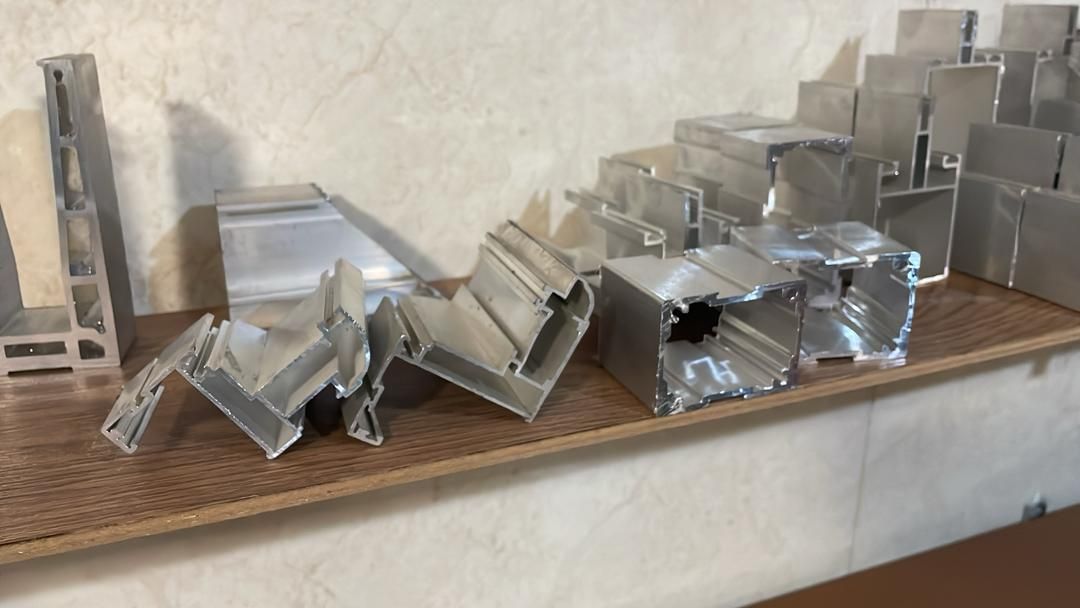
- T-Slot Profiles: Widely used in industrial automation, machinery frames, workstations, and assembly lines. Their modular design allows for flexibility in production setups.
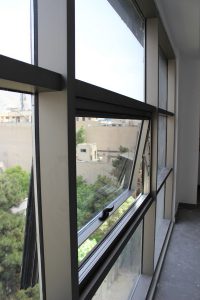
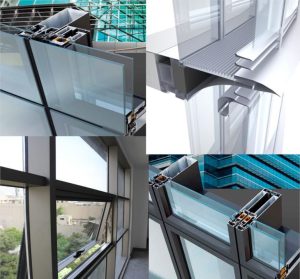
- Structural Profiles: Applied in building frameworks, curtain walls, bridges, and large-scale infrastructure projects. Their strength and stability make them ideal for load-bearing applications.
- Heat-Sink Profiles: Essential for electronics, LED lighting, and other heat-sensitive applications. Aluminum’s excellent thermal conductivity helps dissipate heat efficiently.
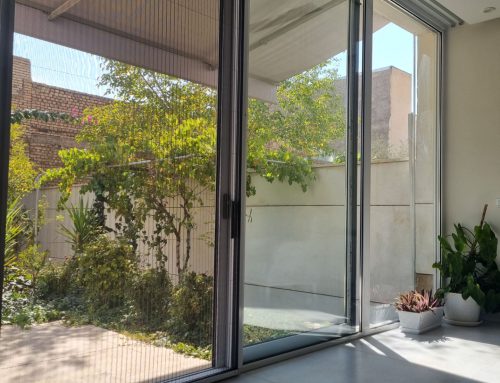
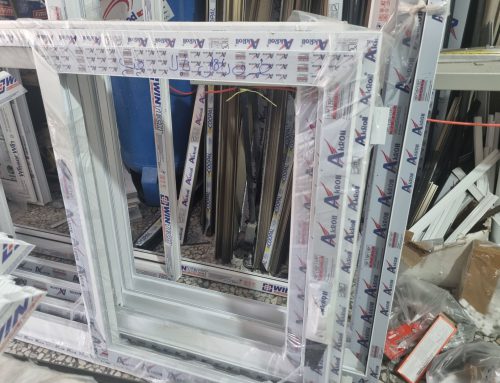
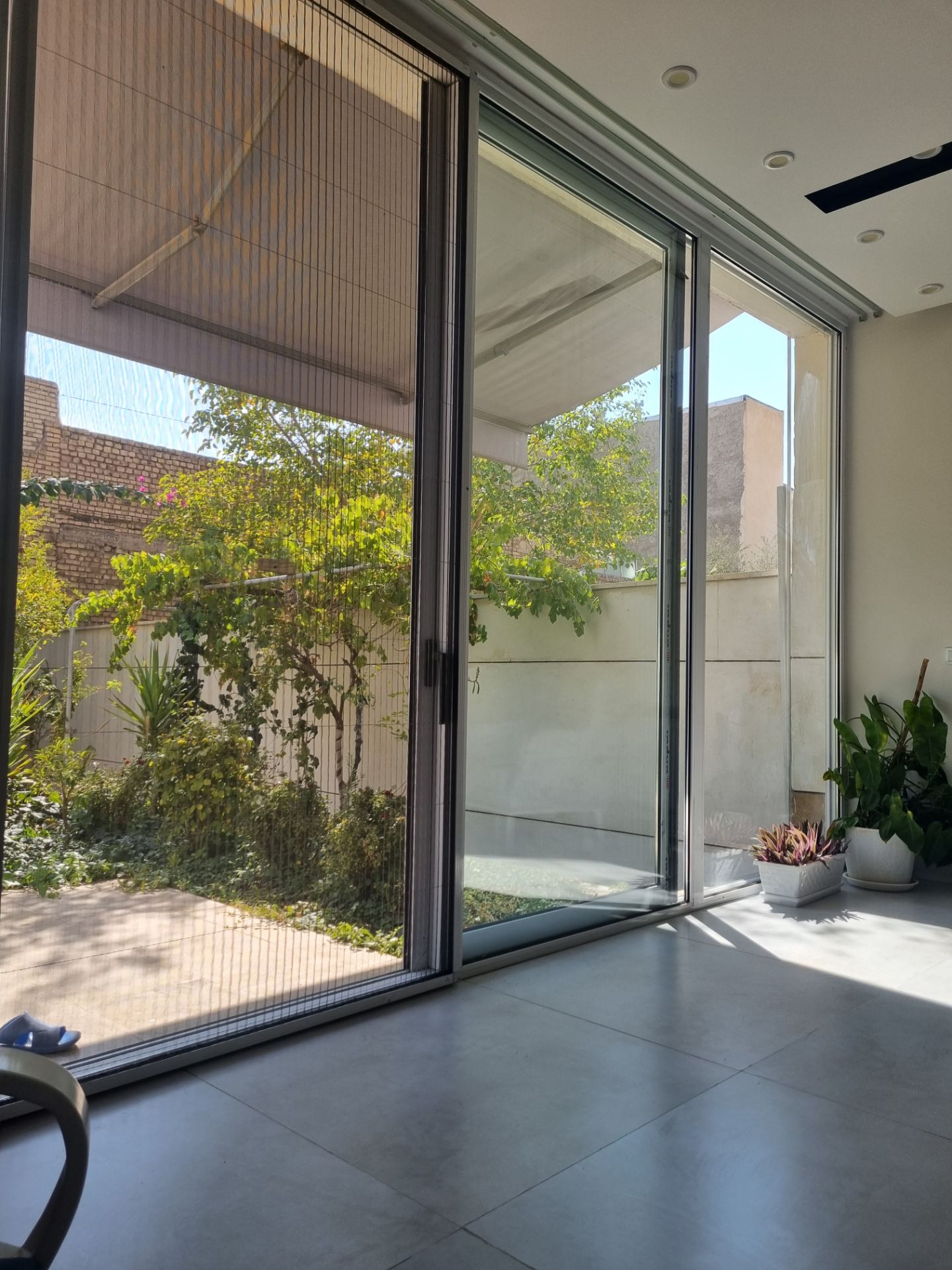
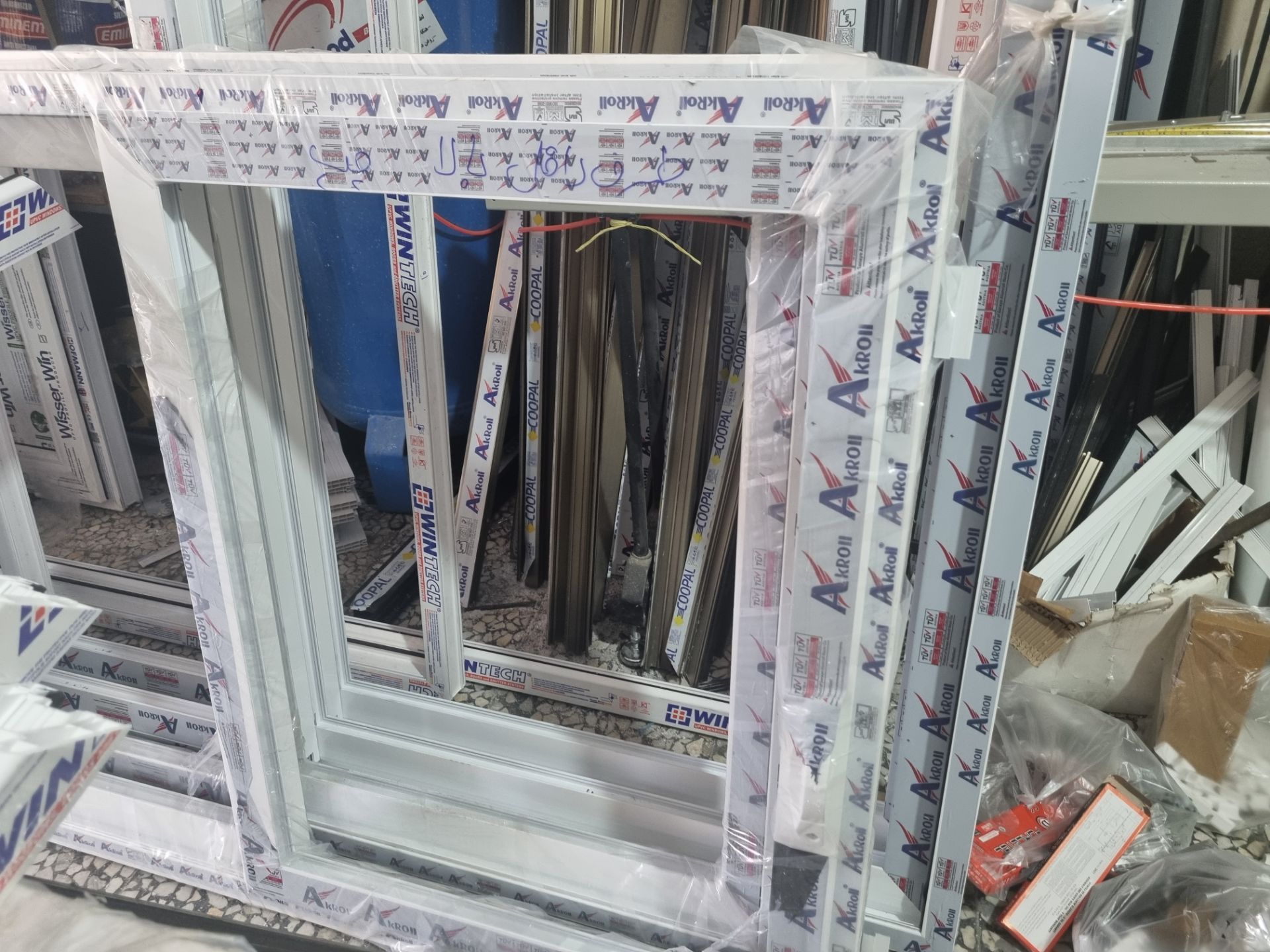
- Decorative Profiles: Used in interior design, furniture, window frames, and architectural elements. They combine aesthetic appeal with functional performance.
- Custom Extrusions: Tailored profiles for specific engineering or architectural projects. Customization allows manufacturers to meet unique client requirements and specialized applications.
- Lightweight High-Strength Profiles: Developed for transportation and aerospace applications where weight reduction without compromising structural integrity is crucial.
Global Market Distribution
The international demand for aluminum profiles is influenced by regional industrial needs, construction projects, and technological development. Major regions include:
- North America: High demand in automotive, aerospace, industrial automation, and modular manufacturing sectors. Emphasis on certified, high-quality profiles drives the market.
- Europe: Focus on energy-efficient construction, sustainable architecture, and precision-engineered products. Demand for eco-friendly and recyclable profiles is particularly strong.
- Asia: Rapid urbanization, industrial growth, and large-scale residential projects drive high-volume demand. Emerging economies increasingly adopt aluminum for cost-effective and durable solutions.
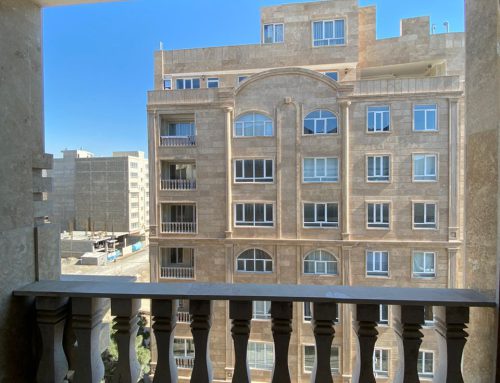
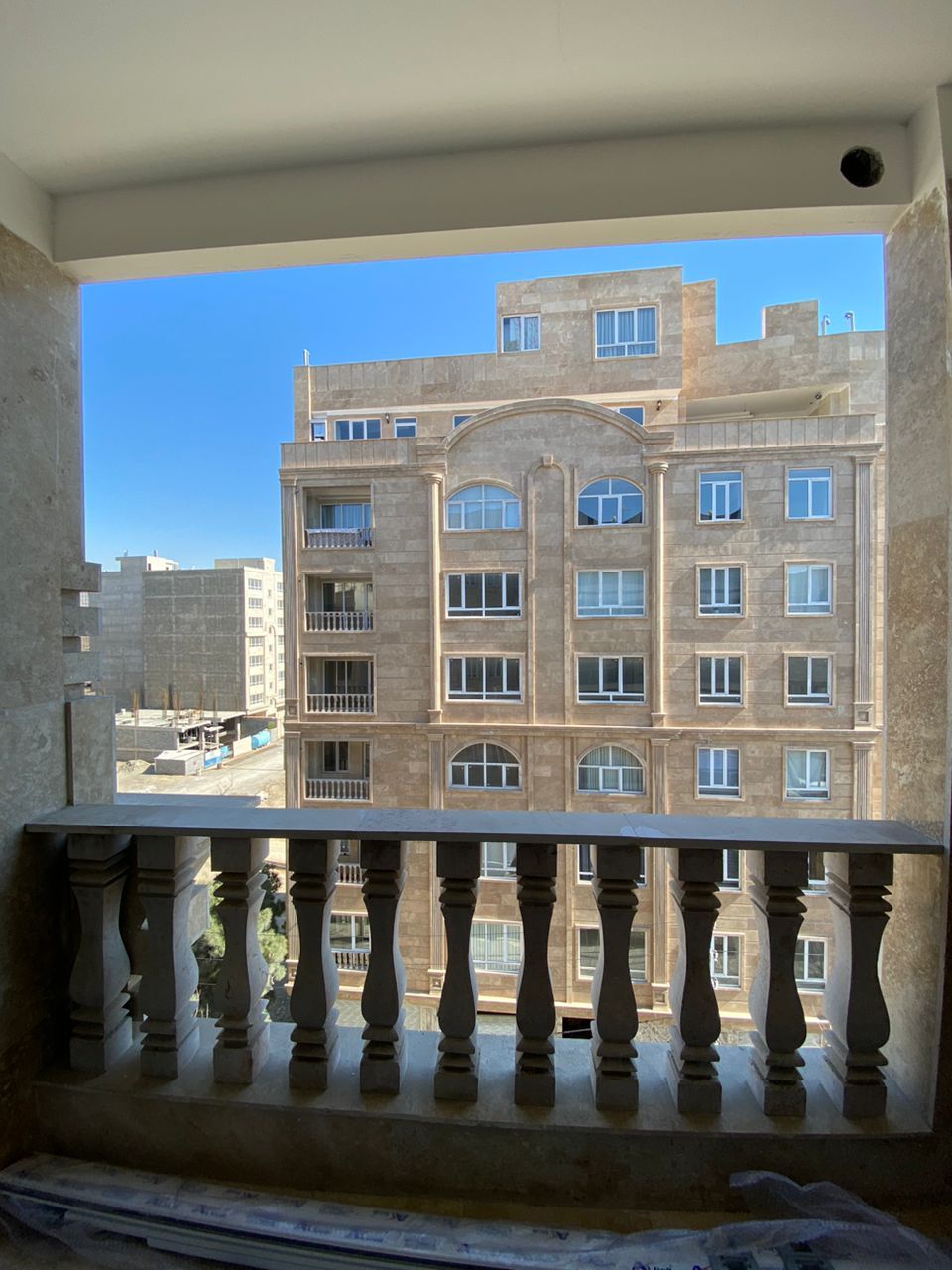
- Middle East: Infrastructure development, luxury construction, and high-rise buildings create steady demand for architectural and structural profiles.
- Africa: Growing urban development and industrialization increase demand for durable and affordable aluminum profiles suitable for infrastructure projects.
- South America: Expanding cities, industrial projects, and agricultural infrastructure stimulate market growth, particularly for modular and versatile profiles.
Advantages of Aluminum Profiles
| Feature | Benefit |
|---|---|
| Lightweight | Reduces transportation and handling costs, facilitating easier installation and modular construction. |
| Durable | Resistant to corrosion, environmental stress, and mechanical wear, ensuring long-term reliability. |
| Versatile | Customizable shapes and sizes allow adaptation for industrial, architectural, and decorative applications. |
| Recyclable | Supports sustainable practices, reduces environmental impact, and complies with global regulations. |
| Thermal Conductivity | Effective heat dissipation for electronics, lighting, and industrial equipment. |
| Strength-to-Weight Ratio | Offers high structural integrity without excessive weight, ideal for transportation and aerospace applications. |
| Design Flexibility | Supports complex architectural designs and innovative industrial solutions. |
Export Strategies for International Markets
Successful export of aluminum profiles requires careful planning and market-specific strategies:
- Regulatory Compliance: Ensure adherence to international standards such as ISO, ASTM, EN, and region-specific certifications.
- Customization: Offer tailored profiles and designs to meet local industrial, architectural, or commercial requirements.
- Distribution Networks: Partner with local distributors, resellers, and contractors to streamline supply and logistics.
- Competitive Pricing: Balance quality with affordability to remain competitive in price-sensitive markets.
- Marketing and Branding: Use digital marketing, trade shows, and international exhibitions to showcase capabilities and reach global buyers.
- After-Sales Support: Provide technical support, warranty services, and guidance for installation to build trust with international clients.
Challenges in Global Aluminum Profile Sales
Despite increasing demand, exporting aluminum profiles globally involves several challenges:
- Volatile raw material costs can affect pricing and profit margins.
- Complex international shipping and customs processes can delay deliveries.
- Diverse regulatory standards require additional certifications and documentation.
- Intense competition from regional and global manufacturers.
- Maintaining consistent quality across multiple production batches and markets.
- Currency fluctuations impacting export revenue.
Technological Innovations and Trends
The aluminum profile industry is continuously evolving with new technologies and design trends:
- Advanced extrusion techniques improving precision, consistency, and production speed.
- Integration of automation and smart manufacturing systems for efficiency and cost reduction.
- Development of lightweight, high-strength alloys for specialized applications in transportation and aerospace.
- Focus on environmentally sustainable production methods and recycling initiatives.
- Use of digital platforms for order processing, supply chain management, and global client engagement.
- Incorporation of aesthetic design elements for architectural and decorative profiles.
Tips for Successful Global Expansion
- Conduct thorough market research to understand regional demand, competitors, and pricing structures.
- Invest in international certifications to increase credibility and compliance.
- Develop flexible production capabilities to accommodate custom orders.
- Build a robust logistics network to minimize shipping delays and damages.
- Engage in marketing strategies targeting key global markets and industry segments.
- Continuously innovate product lines to stay ahead of industry trends and customer expectations.
Conclusion
Aluminum profiles are essential components in modern industrial, architectural, and technological applications. Their lightweight, durable, and versatile properties have driven global demand, making international markets highly competitive yet full of opportunities. Companies that understand regional requirements, invest in quality and certifications, adopt effective export strategies, and embrace technological innovations are positioned for success. With continued growth in urbanization, industrialization, and sustainable construction, aluminum profiles will remain a cornerstone of global infrastructure and manufacturing for years to come.

Leave A Comment