
Worldwide Aluminum Profile Distribution


Introduction
Worldwide Aluminum Profile Distribution Aluminum profiles have become a critical component in modern construction, manufacturing, and industrial applications worldwide. Their combination of lightweight, strength, durability, and adaptability makes them suitable for everything from architectural facades to industrial automation equipment. As global urbanization and industrialization accelerate, the demand for high-quality aluminum profiles continues to rise. Efficient worldwide distribution is crucial for manufacturers aiming to expand their market reach, ensure timely deliveries, and meet the growing expectations of international clients.

Types of Aluminum Profiles
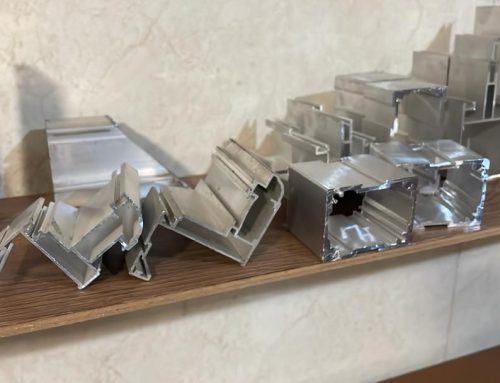
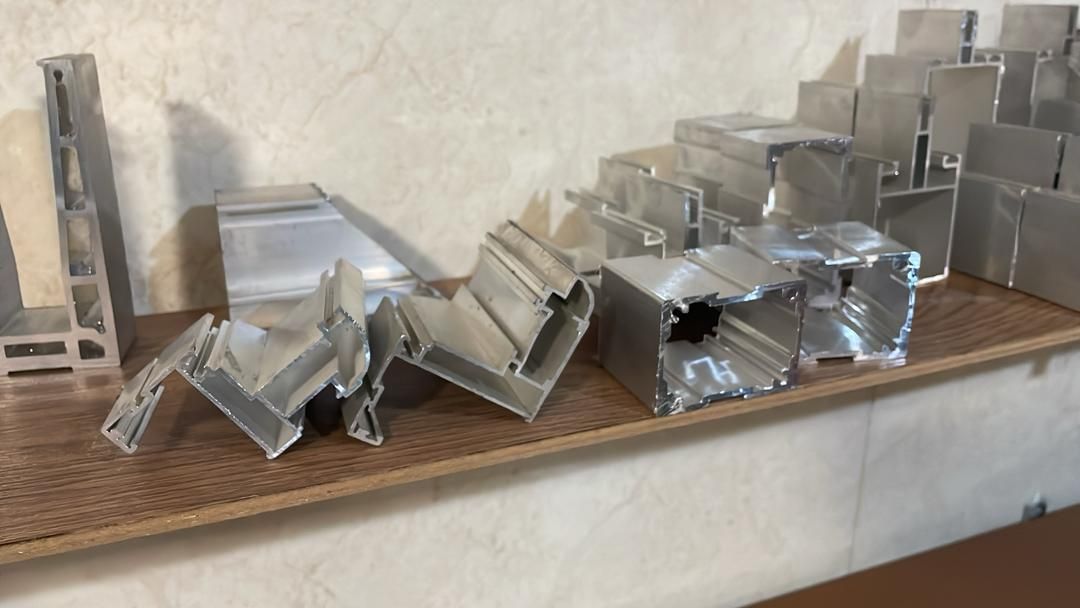
Aluminum profiles are manufactured in diverse shapes and specifications to serve multiple industries:
- T-Slot Profiles: Ideal for modular machinery, assembly lines, workstations, and industrial automation.
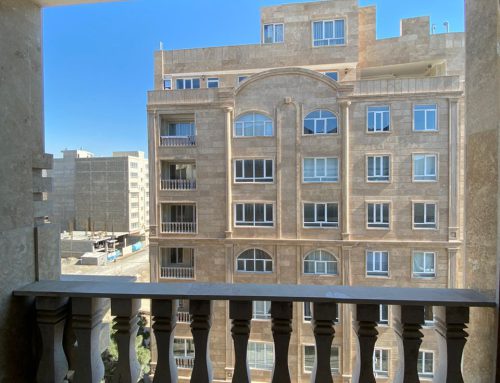
- Structural Profiles: Used in construction frameworks, curtain walls, bridges, and infrastructure projects.
- Heat-Sink Profiles: Essential in electronics, lighting, and industrial equipment for efficient heat dissipation.
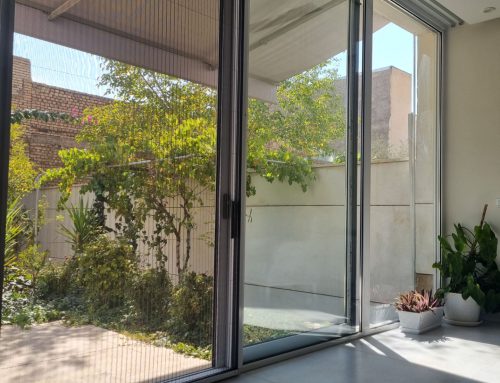
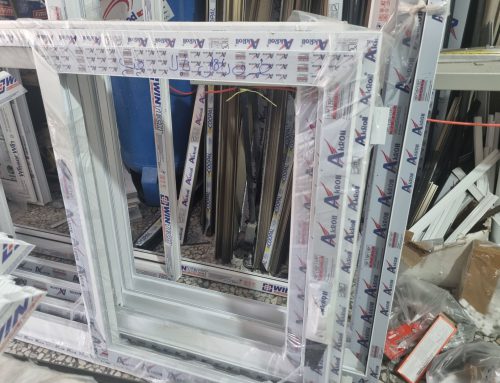
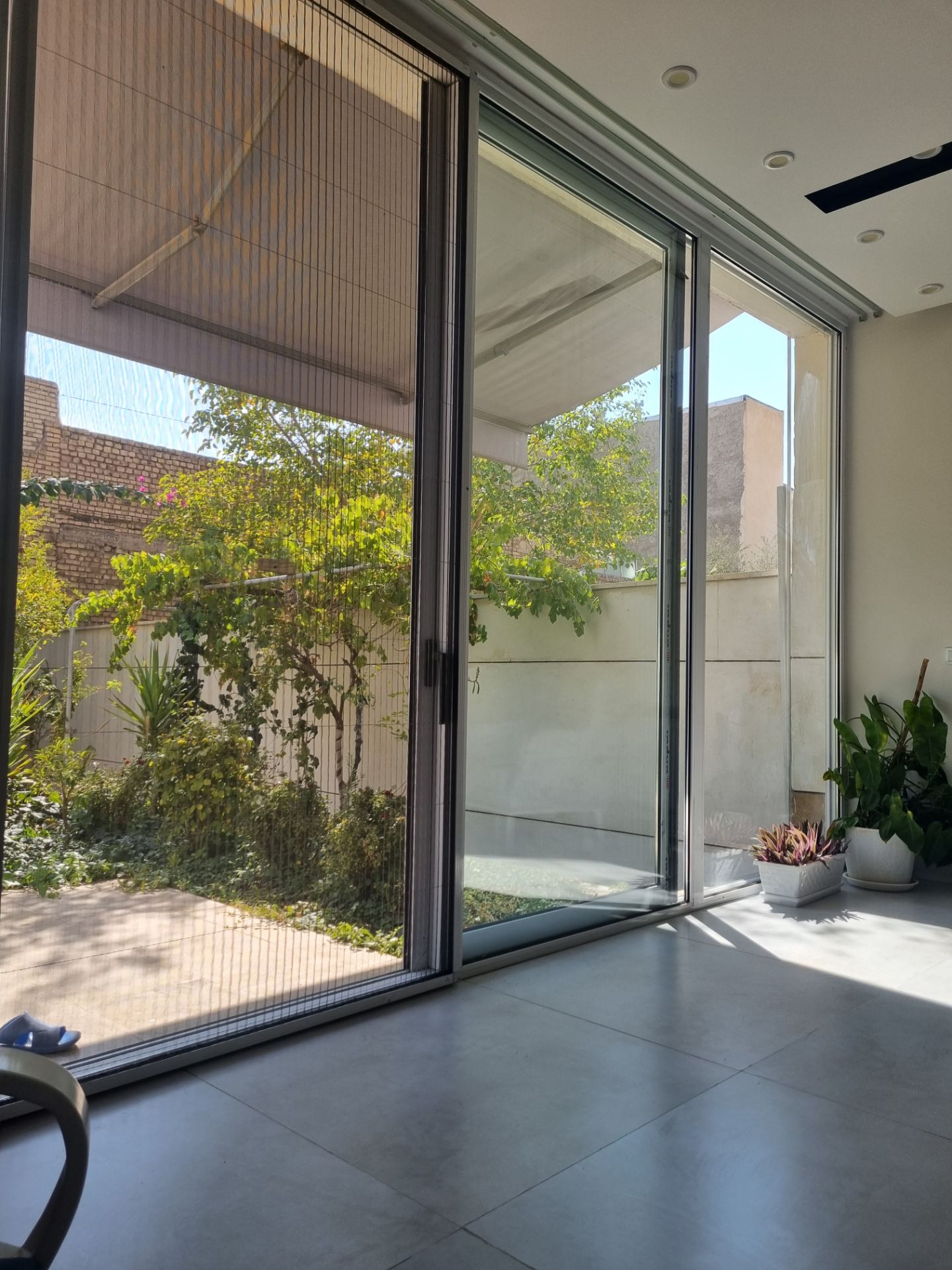
- Decorative Profiles: Applied in interior design, furniture, windows, and architectural enhancements.
- Custom Extrusions: Tailored solutions for specialized engineering and architectural projects requiring unique designs or specifications.
Global Market Overview
The international demand for aluminum profiles varies significantly across regions, influenced by industrial growth, construction projects, and technological development:
- North America: Strong demand in aerospace, automotive, and industrial automation sectors. High emphasis on certified and precision-engineered profiles.
- Europe: Focus on sustainable architecture, energy-efficient buildings, and premium construction materials. Recyclability and eco-friendly production are highly valued.
- Asia: Rapid urbanization and industrial expansion drive high-volume demand. Emerging economies increasingly adopt aluminum for durable, cost-effective solutions.
- Middle East: Infrastructure development, high-rise construction, and luxury projects require high-quality structural and decorative profiles.
- Africa: Growing construction projects and industrialization create demand for affordable, durable aluminum solutions.
- South America: Urban development and industrial projects increase the need for versatile, modular profiles suitable for large-scale applications.
Advantages of Aluminum Profiles
| Feature | Benefit |
|---|---|
| Lightweight | Facilitates easier handling, transportation, and installation. |
| Durable | Resistant to corrosion, weathering, and mechanical stress. |
| Versatile | Customizable for architectural, industrial, and decorative applications. |
| Recyclable | Supports sustainable manufacturing and environmental compliance. |
| Thermal Conductivity | Efficiently dissipates heat in electronics, lighting, and industrial equipment. |
| Design Flexibility | Enables innovative solutions in architecture, construction, and industrial applications. |
Distribution Strategies
Efficient distribution is essential for meeting global demand and maintaining competitiveness:
- Regional Warehousing: Establish warehouses in key markets to reduce delivery times and shipping costs.
- Logistics Optimization: Use multimodal transport solutions combining sea, air, and land freight for efficiency.
- Quality Assurance: Ensure products meet international standards and certifications before shipment.
- Local Partnerships: Collaborate with regional distributors, contractors, and resellers to expand market penetration.
- Inventory Management: Maintain sufficient stock levels to fulfill large orders and reduce lead times.
Challenges in Global Distribution
- Variations in regional regulations and certification requirements.
- Fluctuating aluminum raw material costs affecting pricing and profit margins.
- Shipping delays, customs inspections, and logistical disruptions.
- High competition from local and international manufacturers.
- Maintaining consistent quality across multiple batches and international markets.
Best Practices for Export Success
- Adopt international certifications (ISO, ASTM, EN) to enhance credibility.
- Customize products according to regional specifications and customer requirements.
- Develop strong distribution networks and partnerships for efficient delivery.
- Invest in packaging solutions to prevent damage during long-distance transport.
- Monitor global market trends to adjust production, inventory, and pricing strategies.
- Implement after-sales support, technical guidance, and warranty services for international clients.
Future Trends in Global Aluminum Profile Sales
- Increased adoption of lightweight, high-strength alloys for transportation and aerospace applications.
- Growth of sustainable production methods and recycling initiatives to meet environmental standards.
- Integration of smart manufacturing and automation to improve efficiency and precision.
- Expansion into emerging markets with urbanization and industrial development.
- Use of digital platforms and e-commerce solutions to streamline international sales and logistics.
- Rising demand for aesthetic and decorative profiles in high-end architectural projects.
Conclusion
Worldwide aluminum profile distribution is a growing and competitive industry that requires strategic planning, quality assurance, and efficient logistics. Companies that understand regional markets, maintain high standards, adopt innovative production techniques, and implement effective distribution strategies can successfully expand their international presence. With continued industrialization, urbanization, and sustainable development, aluminum profiles will remain a critical material in construction, manufacturing, and technological applications across the globe.

Leave A Comment