
Global Aluminum Profile Sales


Introduction
Global Aluminum Profile Sales Aluminum profiles have become a critical component in global construction, manufacturing, and industrial projects. Their strength-to-weight ratio, corrosion resistance, and adaptability make them ideal for applications in architecture, transportation, electronics, and interior design. As the world moves toward sustainable and energy-efficient infrastructure, the demand for aluminum profiles continues to grow. This article provides an in-depth analysis of aluminum profile types, global market distribution, advantages, export strategies, and challenges faced in international trade.
Types of Aluminum Profiles
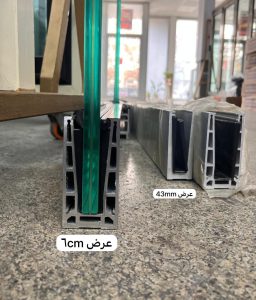
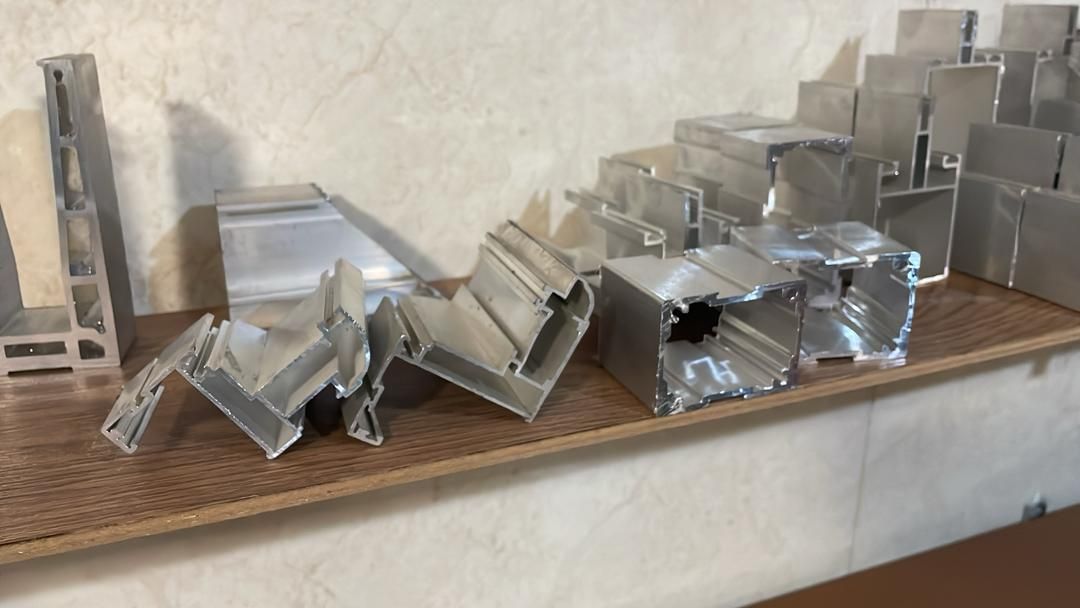
Aluminum profiles are produced in various shapes and specifications to meet diverse industrial and architectural needs:
- T-Slot Profiles: Commonly used for industrial frames, workstations, and automation equipment.
- Structural Profiles: Designed for building frameworks, facades, and modular structures.
- Heat-Sink Profiles: Utilized in electronics to efficiently dissipate heat.
- Decorative Profiles: Applied in furniture, interior design, and window systems.
- Custom Extrusions: Tailored profiles for unique engineering or architectural projects.
Global Market Distribution
The international demand for aluminum profiles varies across continents:
- North America: High demand in automotive, aerospace, and industrial automation sectors.
- Europe: Driven by sustainable architecture, energy-efficient construction, and luxury infrastructure.
- Asia: Rapid urbanization, industrial expansion, and large-scale residential projects fuel market growth.
- Middle East: Infrastructure development, high-rise construction, and luxury projects create steady demand.
- Africa: Emerging markets increasingly use durable and cost-effective aluminum solutions for construction.
- South America: Urban development, industrial growth, and agricultural infrastructure expand the need for aluminum profiles.
Advantages of Aluminum Profiles
| Feature | Benefit |
|---|---|
| Lightweight | Reduces transport and installation costs, improving efficiency. |
| Durable | Resistant to corrosion, extreme temperatures, and wear. |
| Versatile | Customizable shapes suitable for architectural, industrial, and decorative purposes. |
| Recyclable | Environmentally friendly, supporting sustainability initiatives. |
| Thermal Conductivity | Effective heat dissipation for electronic and industrial applications. |
Export Strategies
Successful global sales of aluminum profiles require tailored approaches:
- North America: Compliance with ISO and ASTM standards; certifications increase client trust.
- Europe: Emphasize eco-friendly production, energy efficiency, and premium quality.
- Asia: Competitive pricing, local partnerships, and flexible logistics are essential.
- Middle East: Highlight robustness, luxury applications, and structural reliability.
- Africa: Focus on durability, cost-efficiency, and infrastructure support.
- South America: Provide scalable solutions for urban and industrial projects.
Challenges in Global Sales
- Fluctuating raw material prices affecting profit margins.
- International shipping and logistics complexities.
- Meeting diverse regulatory standards across countries.
- Intense competition in both local and international markets.
- Ensuring consistent quality across large-scale production.
Tips for Export Success
- Invest in certifications and quality assurance to build credibility.
- Offer tailored solutions for different regional requirements.
- Develop strong logistics networks to ensure timely delivery.
- Monitor global market trends and adjust production accordingly.
- Participate in international trade shows and digital marketing campaigns.
Future Trends
The aluminum profile industry is evolving with technological innovations:
- Integration of smart manufacturing and automation in production lines.
- Development of lightweight, high-strength alloys for specialized applications.
- Increased focus on recycling and sustainable production methods.
- Expansion into emerging markets with urban development and industrialization.
- Customization for energy-efficient building materials and architectural design.
Conclusion
Global aluminum profile sales represent a dynamic market with growing demand across all continents. By understanding regional needs, offering versatile and high-quality products, and employing effective export strategies, manufacturers can establish strong international presence. The combination of durability, lightweight design, recyclability, and customization ensures that aluminum profiles remain integral to modern construction, industrial, and technological advancements worldwide.

Leave A Comment