
Dry façade ceramic wall
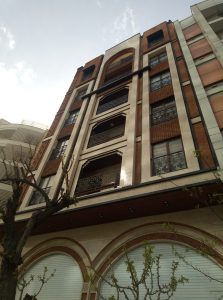
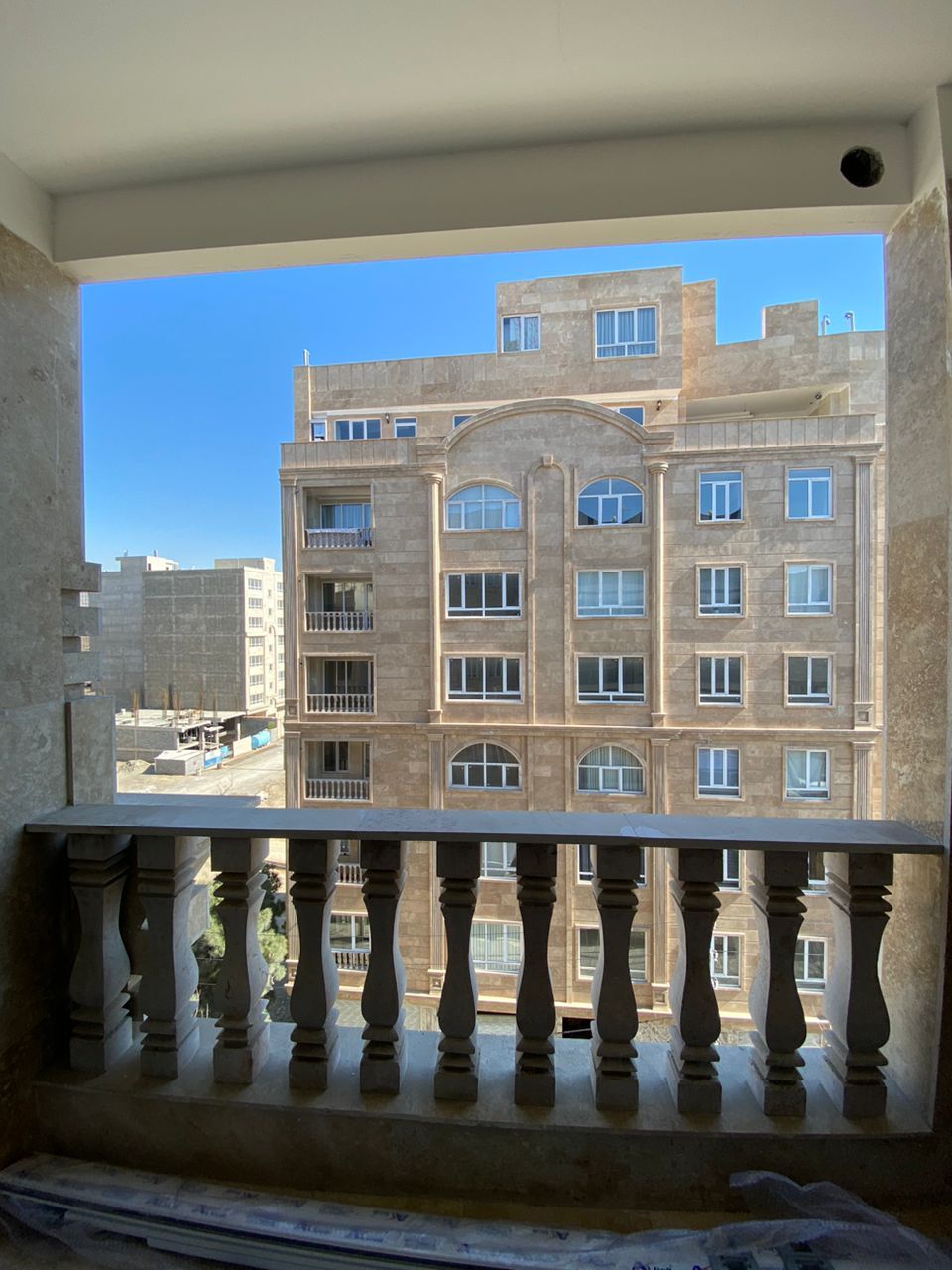
Dry façade ceramic walls are an innovative and aesthetically pleasing solution to modern building design. They provide a sleek and elegant look to any structure, while also improving energy efficiency and reducing maintenance costs. In this article, we will explore the benefits of dry façade ceramic walls, their design and installation process, and their maintenance requirements.
What is a Dry Façade Ceramic Wall?
Dry façade ceramic walls, also known as ventilated ceramic facades, are a type of cladding system that uses ceramic tiles to create an exterior wall. Unlike traditional masonry walls, which rely on a structural support system to carry the weight of the building, dry façade walls are hung from a metal frame that is attached to the building’s primary structure.
The space between the ceramic tiles and the building’s structural wall creates a ventilated cavity that allows air to circulate freely. This provides a number of benefits, including improved energy efficiency, reduced moisture buildup, and increased durability.
Benefits of Dry Façade Ceramic Walls
Energy Efficiency
One of the main benefits of dry façade ceramic walls is their ability to improve energy efficiency. The ventilated cavity between the tiles and the building’s structural wall acts as a natural insulator, helping to regulate the temperature inside the building. This can significantly reduce heating and cooling costs, as well as the overall energy consumption of the building.
Moisture Control
All-focus
Another advantage of dry façade ceramic walls is their ability to prevent moisture buildup. The ventilated cavity allows air to circulate freely, which helps to dry out any moisture that may accumulate between the tiles and the building’s structural wall. This can help to prevent mold and mildew growth, as well as other moisture-related problems such as rotting wood or rusted metal.
Durability
Dry façade ceramic walls are also highly durable and resistant to weathering. The ceramic tiles used in the cladding system are strong and can withstand a variety of environmental conditions, including wind, rain, and extreme temperatures. Additionally, the ventilated cavity helps to protect the building’s structural wall from moisture damage, which can help to extend the life of the building.
Design and Installation Process
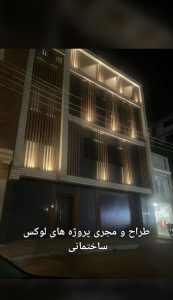
The design and installation process of a dry façade ceramic wall typically involves several steps. First, the architect will work with the building owner to determine the desired aesthetic look of the wall. This may involve selecting specific colors, textures, and shapes of the ceramic tiles.
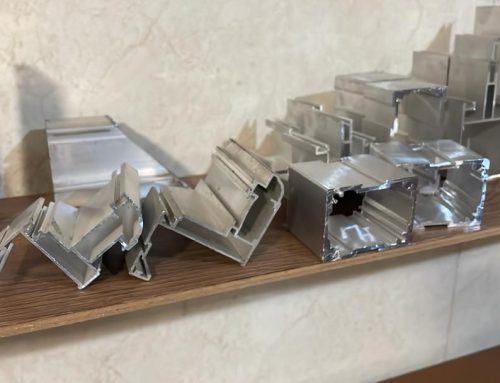
Once the design has been finalized, the installation process can begin. The first step is to install the metal frame onto the building’s primary structure. This frame will support the weight of the ceramic tiles and provide a secure attachment point for the cladding system.
Next, a layer of insulation is applied to the building’s structural wall to improve energy efficiency and prevent moisture buildup. This is followed by the installation of a waterproof membrane, which serves as a barrier to prevent water from penetrating the wall.
Finally, the ceramic tiles are attached to the metal frame using a variety of fastening systems, such as clips, hooks, or adhesives. The tiles are typically installed in a staggered pattern to create a visually interesting design.
Maintenance Requirements
Dry façade ceramic walls require minimal maintenance, making them an attractive option for building owners who want to reduce maintenance costs. However, regular inspections and cleaning are still necessary to ensure that the cladding system is functioning properly and looking its best.
Inspections should be conducted at least once a year to check for any damage or signs of wear and tear. The metal frame should be inspected for corrosion, and any damaged or missing tiles should be replaced.
Cleaning should also be performed on a regular basis to remove dirt, dust, and other debris that may accumulate on the tiles. This can be done using a mild detergent and a soft-bristled brush.
It is important to avoid using abrasive cleaners or tools, as these can scratch or damage the ceramic tiles.
In addition to regular inspections and cleaning, it is also important to address any issues with the building’s structural wall that may impact the performance of the dry façade ceramic wall. For example, if the insulation or waterproof membrane becomes damaged, it should be repaired or replaced to prevent moisture buildup and potential damage to the cladding system.
Overall, dry façade ceramic walls are a versatile and durable solution for modern building design. They offer a number of benefits, including improved energy efficiency, moisture control, and durability, while also providing an aesthetically pleasing look to any structure. With proper design, installation, and maintenance, dry façade ceramic walls can provide years of reliable performance and contribute to the overall success of a building project.
Dry façade ceramic walls are also environmentally friendly, as they can contribute to a building’s sustainability goals. By improving energy efficiency and reducing energy consumption, they can help to reduce a building’s carbon footprint and contribute to a more sustainable future.
In terms of cost, dry façade ceramic walls can be more expensive than traditional masonry walls. However, the long-term benefits in terms of energy efficiency and reduced maintenance costs can offset these initial costs over time.
It is important to work with experienced professionals when designing and installing a dry façade ceramic wall. This will help to ensure that the wall is installed properly and that all necessary components are in place to ensure its long-term performance.
Conclusion
In conclusion, dry façade ceramic walls are a modern and innovative solution for building design. They offer a wide range of benefits, including improved energy efficiency, moisture control, durability, and environmental sustainability. With proper design, installation, and maintenance, they can provide reliable and aesthetically pleasing performance for years to come.

Leave A Comment