
Dry facade design cost
Dry facade design is a popular method of creating a visually appealing and sustainable building envelope. A dry facade, also known as a ventilated facade, is a cladding system that leaves a cavity between the insulation and the exterior panel. This design allows air to circulate, creating a natural ventilation system that helps to regulate indoor temperatures, reduce energy consumption, and improve indoor air quality.
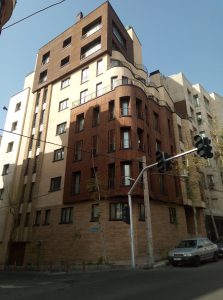
Dry facades have become increasingly popular in recent years, as architects and builders seek to create energy-efficient buildings that are aesthetically pleasing and environmentally sustainable. However, one of the key considerations when designing a dry facade is the cost. In this article, we will explore the factors that influence the cost of dry facade design and installation, and provide some tips for keeping costs under control.
-
Materials
The choice of materials is one of the most significant factors influencing the cost of a dry facade. The type and quality of materials used will determine the durability, aesthetics, and maintenance requirements of the facade. Some of the most commonly used materials for dry facades include:
- Aluminum composite panels (ACPs)
- Fiber cement boards
- Natural stone
- Porcelain tiles
- Glass
The cost of these materials can vary significantly, depending on factors such as quality, thickness, and finish. ACPs are often the most cost-effective option, while natural stone and porcelain tiles tend to be more expensive.
-
Installation
The cost of installation is another key consideration when designing a dry facade. The complexity of the design, the size of the building, and the location can all influence the installation cost. Factors that can impact the installation cost include:
- Access: If the building is difficult to access, such as in a densely populated urban area, the installation cost may be higher.
- Height: The height of the building will also influence the installation cost. The higher the building, the more difficult it will be to install the facade, which can increase the installation cost.
- Complexity: The more complex the design of the facade, the more time-consuming and costly the installation process will be.
-
Maintenance
The maintenance requirements of a dry facade will also influence the cost. Facades that require more maintenance will have higher costs over the lifetime of the building. Some of the maintenance requirements to consider include:
- Cleaning: Some materials, such as glass and natural stone, require more frequent cleaning than others, which can increase the maintenance cost.
- Repairs: If the facade becomes damaged or needs repairs, the cost of maintenance will be higher.
- Replacement: Over time, some materials may need to be replaced due to wear and tear, which can also increase the maintenance cost.
Tips for keeping costs under control
While the cost of dry facade design and installation can vary significantly, there are some steps that architects and builders can take to keep costs under control. Here are a few tips:
-
Choose cost-effective materials
Choosing cost-effective materials, such as ACPs, can help to keep the overall cost of the facade down. However, it is important to balance cost with durability and aesthetics, to ensure that the facade meets the requirements of the project.
-
Plan for access and installation
Planning for access and installation from the outset can help to minimize installation costs. By considering factors such as the height of the building and the complexity of the design, architects and builders can design a facade that is easier and less costly to install.
-
Consider maintenance requirements
Considering the maintenance requirements of the facade from the outset can also help to minimize costs over the lifetime of the building. Choosing materials that require less maintenance, such as ACPs, can help to keep maintenance costs down.
-
Plan for the long-term
Finally, it is important to consider the long-term cost implications of the facade design. While cost is an important consideration, it is also important to consider the durability, sustainability, and aesthetics of the facade. By investing in a high-quality, sustainable facade, architects and builders can create a building that will stand the test of time and contribute to the overall success of the project.
In conclusion, the cost of dry facade design and installation can vary significantly, depending on factors such as materials, installation, and maintenance requirements. However, by taking a strategic approach to design and planning, architects and builders can keep costs under control while still achieving their goals for the project. With careful consideration of these factors, architects and builders can create stunning, sustainable facades that will stand the test of time and contribute to the overall success of the project.
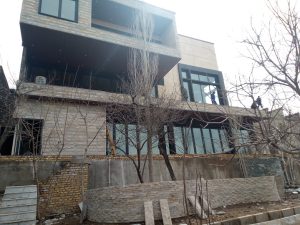
Moreover, it is important to keep in mind that the cost of the facade design and installation is just one component of the overall cost of the building. When considering the cost of the facade, it is also important to consider the potential cost savings that can be achieved through energy efficiency and improved indoor air quality. Dry facades can help to reduce energy consumption by regulating indoor temperatures, and can also contribute to improved indoor air quality by reducing the amount of moisture and pollutants that enter the building.
In addition, dry facades can also add significant value to a building in terms of aesthetics and sustainability. A well-designed, sustainable facade can help to attract tenants and increase the value of the property over time. By investing in a high-quality, sustainable facade, architects and builders can create a building that is not only cost-effective in the short term but also valuable in the long term.
In summary, the cost of dry facade design and installation is an important consideration for architects and builders. However, it is important to balance cost with durability, sustainability, and aesthetics, in order to achieve the best possible outcome for the project. By taking a strategic approach to design and planning, and by considering the long-term cost implications of the facade, architects and builders can create stunning, sustainable facades that will stand the test of time and add value to the building over the long term.

Leave A Comment