Design exterior architecture dry facade modern house

Introduction:

Introduction:

In the realm of architecture, the exterior facade of a house plays a pivotal role in defining its character and appeal. One style that has gained significant popularity in recent years is the modern house with a dry facade design. This contemporary approach to exterior architecture not only showcases sleek aesthetics but also offers practical benefits, making it a sought-after choice for homeowners and architects alike. In this article, we will delve into the captivating world of modern exterior architecture and explore the features and advantages of dry facade designs.

Sleek Lines and Bold Statements:

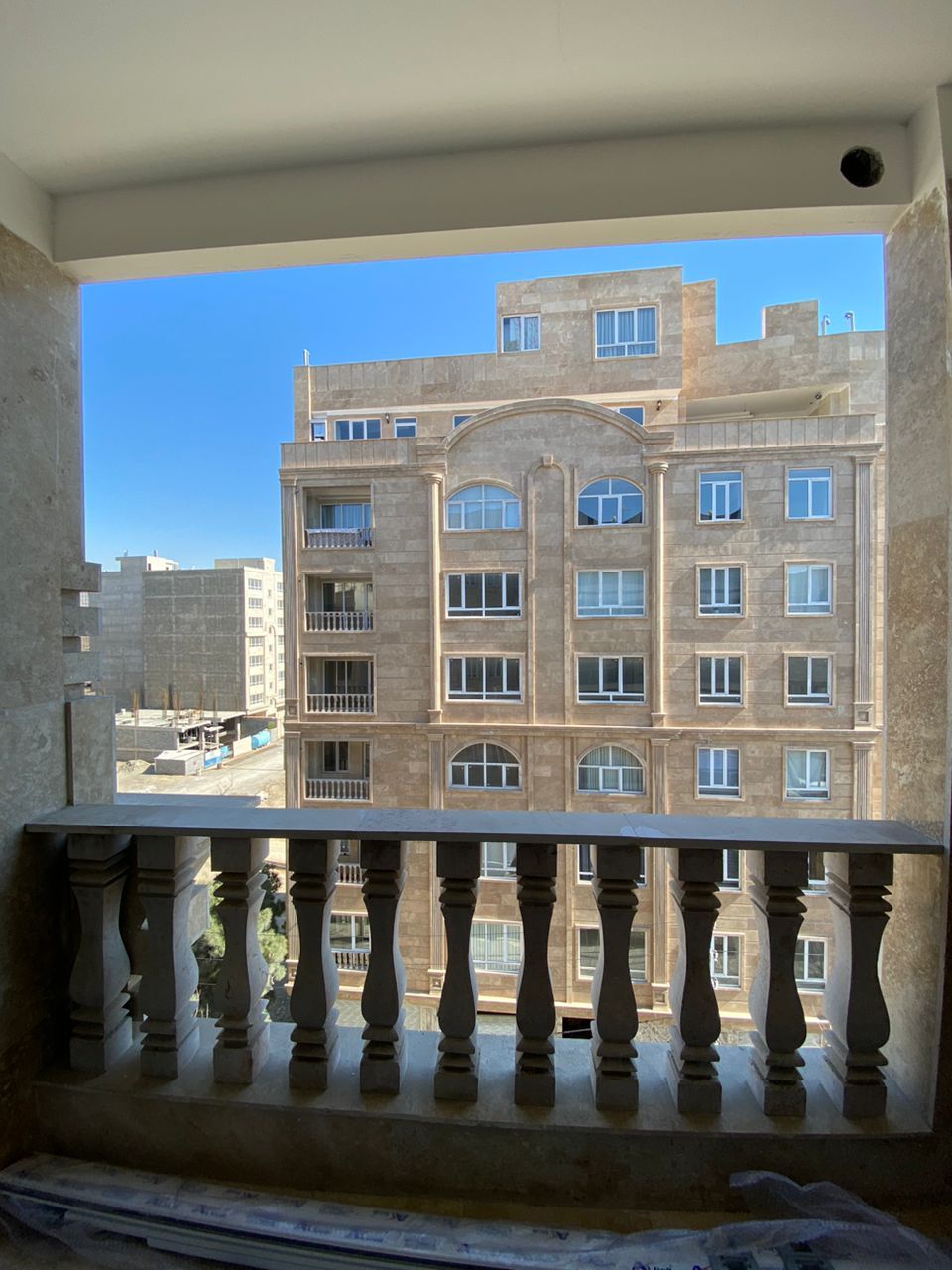
Modern exterior architecture embraces clean lines, simplicity, and a minimalist approach to design. With a focus on form and function, modern houses stand out with their geometric shapes and striking visual statements. Dry facade design, characterized by the absence of traditional mortar joints, enhances these modern aesthetics even further. The uninterrupted surfaces create a seamless appearance, offering a sleek and contemporary look to the overall structure.

Endless Material Possibilities:

One of the most significant advantages of dry facade design is the vast array of materials that can be used. This versatility allows homeowners and architects to create unique exteriors tailored to their preferences and the surrounding environment. Whether it's the warmth of wood, the sophistication of glass, the industrial charm of metal, or the timelessness of concrete, the choices are virtually limitless. The combination of these materials with the clean lines of modern architecture results in an exterior that stands out while harmonizing with its surroundings.

Durability and Low Maintenance:

In addition to their aesthetic appeal, dry facade designs offer practical advantages. These modern exteriors are engineered to be durable and require minimal maintenance. The materials used in dry facades are often selected for their weather resistance, ensuring longevity and reducing the need for constant upkeep. With the absence of mortar joints, the risk of cracks and water infiltration is significantly reduced, further enhancing the durability of the structure. This makes modern houses with dry facades an attractive option for those seeking a long-lasting and low-maintenance architectural solution.

Energy Efficiency and Environmental Considerations:

Modern exterior architecture and dry facade design also embrace energy efficiency and environmental sustainability. With a focus on insulation and reducing thermal bridging, these designs contribute to better energy performance and lower carbon footprints. The choice of materials and construction techniques allows for effective insulation, minimizing heat transfer and reducing reliance on mechanical heating and cooling systems. Additionally, dry facades can incorporate features such as solar panels, rainwater harvesting systems, and green walls, further enhancing the eco-friendliness of the structure.

Integration with Surroundings:
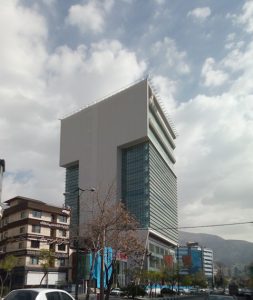
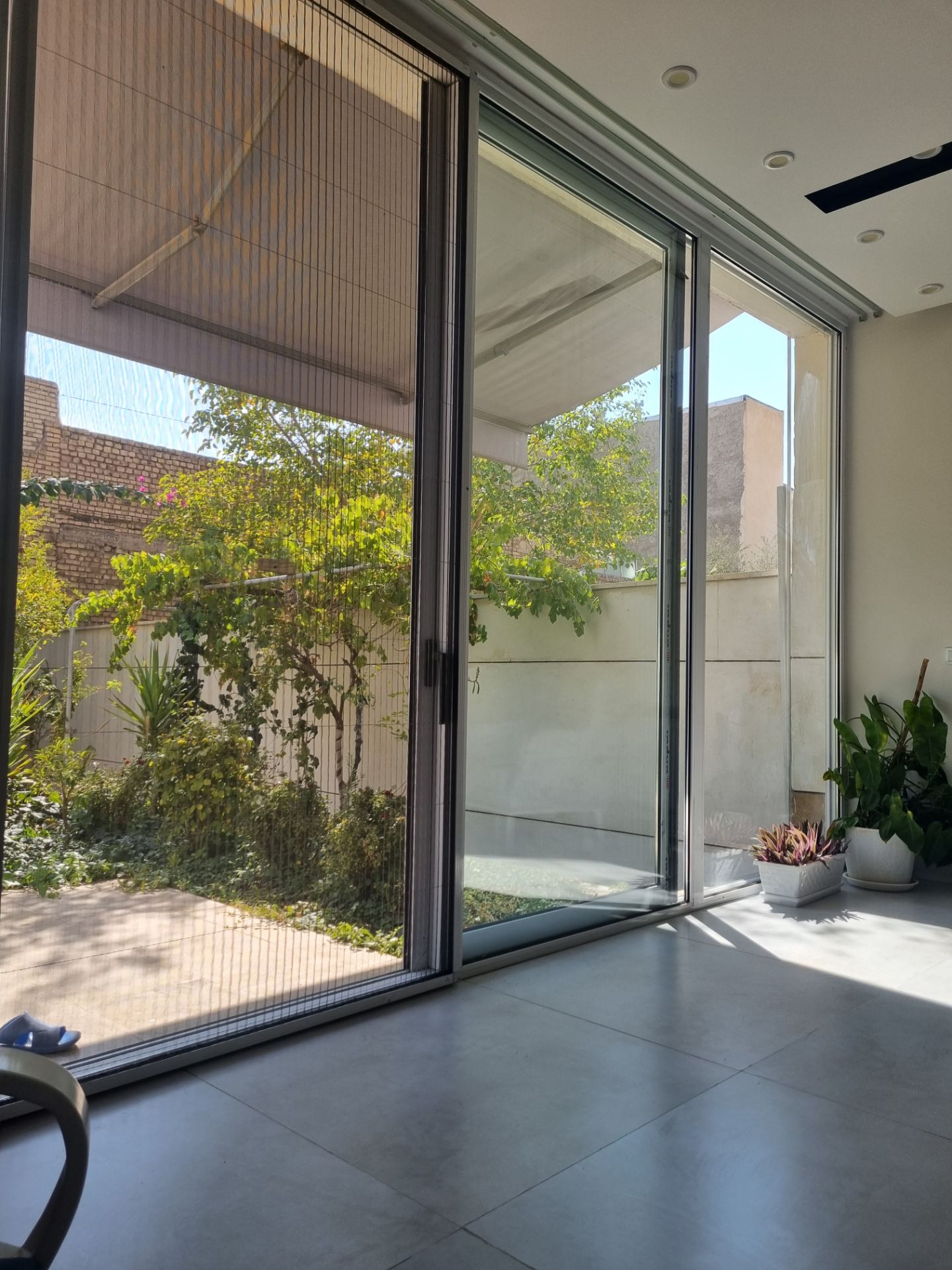
Modern houses with dry facades excel in their ability to integrate seamlessly with their surroundings. By harmonizing with the environment, these designs create a visual balance and a connection to nature. Large windows and open floor plans allow for ample natural light, while well-placed outdoor spaces and landscaping create inviting transitions between indoor and outdoor living areas. The result is a residence that feels like an extension of the landscape, fostering a sense of tranquility and serenity.

Conclusion:

The allure of modern exterior architecture with dry facade design lies in its ability to blend elegance, practicality, and environmental consciousness. With its sleek lines, material versatility, durability, and low maintenance, this architectural style offers homeowners a contemporary and sustainable living space. The seamless integration with the surroundings enhances the overall experience, creating a harmonious and visually captivating environment. As the demand for modern living continues to grow, the dry facade design is destined to leave a lasting impression in the world of architecture.

User
write the rest

ChatGPT
Design Considerations and Customization:

When it comes to designing a modern house with a dry facade, there are several key considerations to keep in mind. Architects and homeowners often collaborate to ensure that the design reflects their unique vision and lifestyle. Here are a few design considerations to ponder:

Scale and Proportions: Modern architecture emphasizes a sense of balance and proportion. Careful consideration must be given to the scale of the house, the height of the walls, and the placement of windows and openings. Achieving the right balance ensures that the structure remains visually appealing while maintaining functionality.

Color Palette: The choice of colors can significantly impact the overall aesthetic of the house. Modern designs often incorporate neutral tones such as whites, grays, and earthy hues. These colors create a timeless and sophisticated look. However, pops of vibrant colors can be added strategically to add visual interest and create focal points.

Texture and Surface Treatments: While the dry facade design is known for its sleek and smooth surfaces, incorporating textures can add depth and visual intrigue. Textured materials such as wood grain, rough stone, or patterned tiles can be used strategically to create visual contrast and enhance the overall design.

Landscaping and Outdoor Spaces: A modern house with a dry facade should seamlessly connect with its outdoor environment. Landscaping plays a vital role in creating a cohesive and inviting exterior space. Thoughtful placement of gardens, hardscaping elements, and outdoor amenities such as patios or swimming pools can transform the outdoor area into a functional and aesthetically pleasing extension of the living space.

Sustainability Features: As sustainable living gains more prominence, integrating eco-friendly features into the design becomes essential. Incorporating energy-efficient systems, such as solar panels or rainwater harvesting, not only reduces the environmental impact but also contributes to long-term cost savings.

Future Trends in Modern Exterior Architecture:
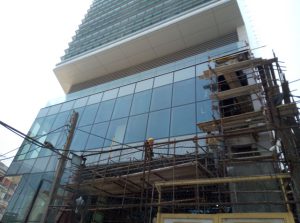
As architectural trends evolve, the world of modern exterior design continues to push boundaries. Here are a few emerging trends to watch for:

Smart Technology Integration: With the rise of the Internet of Things (IoT), smart home technology is becoming more prevalent in modern house design. From automated lighting and temperature control to security systems and voice-activated assistants, integrating these technologies seamlessly into the design allows for enhanced comfort, convenience, and energy efficiency.

Sustainable Materials: The use of sustainable and renewable materials is gaining momentum in exterior architecture. From recycled building materials to innovative eco-friendly products, architects are exploring new ways to minimize the environmental impact of construction while maintaining the sleek aesthetic appeal of modern designs.

Biophilic Design: Biophilic design aims to bring nature into the built environment, enhancing human well-being and connection to the natural world. Incorporating elements such as living walls, green roofs, or large windows that frame scenic views can create a sense of harmony, improve air quality, and promote a sense of tranquility within the modern house.

Conclusion:
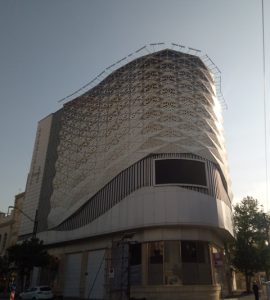
The allure of modern exterior architecture with a dry facade design lies in its ability to create visually striking and sustainable living spaces. By embracing clean lines, utilizing versatile materials, and focusing on energy efficiency, these designs offer homeowners a contemporary and environmentally conscious solution. With careful consideration of design elements and customization options, architects can create unique structures that seamlessly integrate with their surroundings while providing a sense of tranquility and modern elegance. As the future unfolds, modern exterior architecture will continue to evolve, embracing technological advancements and sustainable practices to meet the changing needs and desires of homeowners around the world.

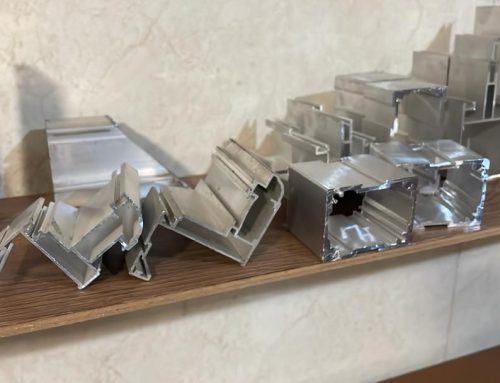
In the realm of architecture, the exterior facade of a house plays a pivotal role in defining its character and appeal. One style that has gained significant popularity in recent years is the modern house with a dry facade design. This contemporary approach to exterior architecture not only showcases sleek aesthetics but also offers practical benefits, making it a sought-after choice for homeowners and architects alike. In this article, we will delve into the captivating world of modern exterior architecture and explore the features and advantages of dry facade designs.

Sleek Lines and Bold Statements:

Modern exterior architecture embraces clean lines, simplicity, and a minimalist approach to design. With a focus on form and function, modern houses stand out with their geometric shapes and striking visual statements. Dry facade design, characterized by the absence of traditional mortar joints, enhances these modern aesthetics even further. The uninterrupted surfaces create a seamless appearance, offering a sleek and contemporary look to the overall structure.

Endless Material Possibilities:

One of the most significant advantages of dry facade design is the vast array of materials that can be used. This versatility allows homeowners and architects to create unique exteriors tailored to their preferences and the surrounding environment. Whether it’s the warmth of wood, the sophistication of glass, the industrial charm of metal, or the timelessness of concrete, the choices are virtually limitless. The combination of these materials with the clean lines of modern architecture results in an exterior that stands out while harmonizing with its surroundings.

Durability and Low Maintenance:

In addition to their aesthetic appeal, dry facade designs offer practical advantages. These modern exteriors are engineered to be durable and require minimal maintenance. The materials used in dry facades are often selected for their weather resistance, ensuring longevity and reducing the need for constant upkeep. With the absence of mortar joints, the risk of cracks and water infiltration is significantly reduced, further enhancing the durability of the structure. This makes modern houses with dry facades an attractive option for those seeking a long-lasting and low-maintenance architectural solution.

Energy Efficiency and Environmental Considerations:

Modern exterior architecture and dry facade design also embrace energy efficiency and environmental sustainability. With a focus on insulation and reducing thermal bridging, these designs contribute to better energy performance and lower carbon footprints. The choice of materials and construction techniques allows for effective insulation, minimizing heat transfer and reducing reliance on mechanical heating and cooling systems. Additionally, dry facades can incorporate features such as solar panels, rainwater harvesting systems, and green walls, further enhancing the eco-friendliness of the structure.

Integration with Surroundings:

Introduction:

In the realm of architecture, the exterior facade of a house plays a pivotal role in defining its character and appeal. One style that has gained significant popularity in recent years is the modern house with a dry facade design. This contemporary approach to exterior architecture not only showcases sleek aesthetics but also offers practical benefits, making it a sought-after choice for homeowners and architects alike. In this article, we will delve into the captivating world of modern exterior architecture and explore the features and advantages of dry facade designs.

Sleek Lines and Bold Statements:

Modern exterior architecture embraces clean lines, simplicity, and a minimalist approach to design. With a focus on form and function, modern houses stand out with their geometric shapes and striking visual statements. Dry facade design, characterized by the absence of traditional mortar joints, enhances these modern aesthetics even further. The uninterrupted surfaces create a seamless appearance, offering a sleek and contemporary look to the overall structure.

Endless Material Possibilities:

One of the most significant advantages of dry facade design is the vast array of materials that can be used. This versatility allows homeowners and architects to create unique exteriors tailored to their preferences and the surrounding environment. Whether it's the warmth of wood, the sophistication of glass, the industrial charm of metal, or the timelessness of concrete, the choices are virtually limitless. The combination of these materials with the clean lines of modern architecture results in an exterior that stands out while harmonizing with its surroundings.

Durability and Low Maintenance:

In addition to their aesthetic appeal, dry facade designs offer practical advantages. These modern exteriors are engineered to be durable and require minimal maintenance. The materials used in dry facades are often selected for their weather resistance, ensuring longevity and reducing the need for constant upkeep. With the absence of mortar joints, the risk of cracks and water infiltration is significantly reduced, further enhancing the durability of the structure. This makes modern houses with dry facades an attractive option for those seeking a long-lasting and low-maintenance architectural solution.

Energy Efficiency and Environmental Considerations:

Modern exterior architecture and dry facade design also embrace energy efficiency and environmental sustainability. With a focus on insulation and reducing thermal bridging, these designs contribute to better energy performance and lower carbon footprints. The choice of materials and construction techniques allows for effective insulation, minimizing heat transfer and reducing reliance on mechanical heating and cooling systems. Additionally, dry facades can incorporate features such as solar panels, rainwater harvesting systems, and green walls, further enhancing the eco-friendliness of the structure.

Integration with Surroundings:

Modern houses with dry facades excel in their ability to integrate seamlessly with their surroundings. By harmonizing with the environment, these designs create a visual balance and a connection to nature. Large windows and open floor plans allow for ample natural light, while well-placed outdoor spaces and landscaping create inviting transitions between indoor and outdoor living areas. The result is a residence that feels like an extension of the landscape, fostering a sense of tranquility and serenity.

Conclusion:

The allure of modern exterior architecture with dry facade design lies in its ability to blend elegance, practicality, and environmental consciousness. With its sleek lines, material versatility, durability, and low maintenance, this architectural style offers homeowners a contemporary and sustainable living space. The seamless integration with the surroundings enhances the overall experience, creating a harmonious and visually captivating environment. As the demand for modern living continues to grow, the dry facade design is destined to leave a lasting impression in the world of architecture.

User
write the rest

ChatGPT
Design Considerations and Customization:

When it comes to designing a modern house with a dry facade, there are several key considerations to keep in mind. Architects and homeowners often collaborate to ensure that the design reflects their unique vision and lifestyle. Here are a few design considerations to ponder:

Scale and Proportions: Modern architecture emphasizes a sense of balance and proportion. Careful consideration must be given to the scale of the house, the height of the walls, and the placement of windows and openings. Achieving the right balance ensures that the structure remains visually appealing while maintaining functionality.

Color Palette: The choice of colors can significantly impact the overall aesthetic of the house. Modern designs often incorporate neutral tones such as whites, grays, and earthy hues. These colors create a timeless and sophisticated look. However, pops of vibrant colors can be added strategically to add visual interest and create focal points.

Texture and Surface Treatments: While the dry facade design is known for its sleek and smooth surfaces, incorporating textures can add depth and visual intrigue. Textured materials such as wood grain, rough stone, or patterned tiles can be used strategically to create visual contrast and enhance the overall design.

Landscaping and Outdoor Spaces: A modern house with a dry facade should seamlessly connect with its outdoor environment. Landscaping plays a vital role in creating a cohesive and inviting exterior space. Thoughtful placement of gardens, hardscaping elements, and outdoor amenities such as patios or swimming pools can transform the outdoor area into a functional and aesthetically pleasing extension of the living space.

Sustainability Features: As sustainable living gains more prominence, integrating eco-friendly features into the design becomes essential. Incorporating energy-efficient systems, such as solar panels or rainwater harvesting, not only reduces the environmental impact but also contributes to long-term cost savings.

Future Trends in Modern Exterior Architecture:

As architectural trends evolve, the world of modern exterior design continues to push boundaries. Here are a few emerging trends to watch for:

Smart Technology Integration: With the rise of the Internet of Things (IoT), smart home technology is becoming more prevalent in modern house design. From automated lighting and temperature control to security systems and voice-activated assistants, integrating these technologies seamlessly into the design allows for enhanced comfort, convenience, and energy efficiency.

Sustainable Materials: The use of sustainable and renewable materials is gaining momentum in exterior architecture. From recycled building materials to innovative eco-friendly products, architects are exploring new ways to minimize the environmental impact of construction while maintaining the sleek aesthetic appeal of modern designs.

Biophilic Design: Biophilic design aims to bring nature into the built environment, enhancing human well-being and connection to the natural world. Incorporating elements such as living walls, green roofs, or large windows that frame scenic views can create a sense of harmony, improve air quality, and promote a sense of tranquility within the modern house.

Conclusion:

The allure of modern exterior architecture with a dry facade design lies in its ability to create visually striking and sustainable living spaces. By embracing clean lines, utilizing versatile materials, and focusing on energy efficiency, these designs offer homeowners a contemporary and environmentally conscious solution. With careful consideration of design elements and customization options, architects can create unique structures that seamlessly integrate with their surroundings while providing a sense of tranquility and modern elegance. As the future unfolds, modern exterior architecture will continue to evolve, embracing technological advancements and sustainable practices to meet the changing needs and desires of homeowners around the world.
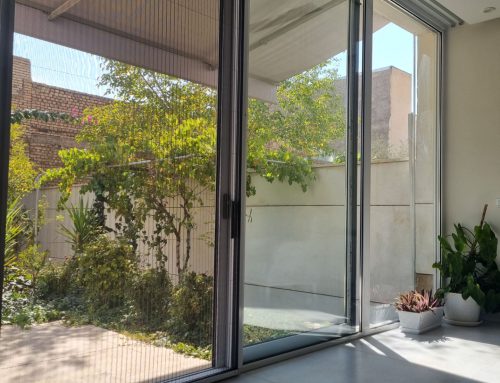
Modern houses with dry facades excel in their ability to integrate seamlessly with their surroundings. By harmonizing with the environment, these designs create a visual balance and a connection to nature. Large windows and open floor plans allow for ample natural light, while well-placed outdoor spaces and landscaping create inviting transitions between indoor and outdoor living areas. The result is a residence that feels like an extension of the landscape, fostering a sense of tranquility and serenity.

Design Considerations and Customization:

When it comes to designing a modern house with a dry facade, there are several key considerations to keep in mind. Architects and homeowners often collaborate to ensure that the design reflects their unique vision and lifestyle. Here are a few design considerations to ponder:
  1. Scale and Proportions: Modern architecture emphasizes a sense of balance and proportion. Careful consideration must be given to the scale of the house, the height of the walls, and the placement of windows and openings. Achieving the right balance ensures that the structure remains visually appealing while maintaining functionality.
  2. Color Palette: The choice of colors can significantly impact the overall aesthetic of the house. Modern designs often incorporate neutral tones such as whites, grays, and earthy hues. These colors create a timeless and sophisticated look. However, pops of vibrant colors can be added strategically to add visual interest and create focal points.
  3. Texture and Surface Treatments: While the dry facade design is known for its sleek and smooth surfaces, incorporating textures can add depth and visual intrigue. Textured materials such as wood grain, rough stone, or patterned tiles can be used strategically to create visual contrast and enhance the overall design.
  4. Landscaping and Outdoor Spaces: A modern house with a dry facade should seamlessly connect with its outdoor environment. Landscaping plays a vital role in creating a cohesive and inviting exterior space. Thoughtful placement of gardens, hardscaping elements, and outdoor amenities such as patios or swimming pools can transform the outdoor area into a functional and aesthetically pleasing extension of the living space.
  5. Sustainability Features: As sustainable living gains more prominence, integrating eco-friendly features into the design becomes essential. Incorporating energy-efficient systems, such as solar panels or rainwater harvesting, not only reduces the environmental impact but also contributes to long-term cost savings.

Future Trends in Modern Exterior Architecture:

Introduction:

In the realm of architecture, the exterior facade of a house plays a pivotal role in defining its character and appeal. One style that has gained significant popularity in recent years is the modern house with a dry facade design. This contemporary approach to exterior architecture not only showcases sleek aesthetics but also offers practical benefits, making it a sought-after choice for homeowners and architects alike. In this article, we will delve into the captivating world of modern exterior architecture and explore the features and advantages of dry facade designs.

Sleek Lines and Bold Statements:

Modern exterior architecture embraces clean lines, simplicity, and a minimalist approach to design. With a focus on form and function, modern houses stand out with their geometric shapes and striking visual statements. Dry facade design, characterized by the absence of traditional mortar joints, enhances these modern aesthetics even further. The uninterrupted surfaces create a seamless appearance, offering a sleek and contemporary look to the overall structure.

Endless Material Possibilities:

One of the most significant advantages of dry facade design is the vast array of materials that can be used. This versatility allows homeowners and architects to create unique exteriors tailored to their preferences and the surrounding environment. Whether it's the warmth of wood, the sophistication of glass, the industrial charm of metal, or the timelessness of concrete, the choices are virtually limitless. The combination of these materials with the clean lines of modern architecture results in an exterior that stands out while harmonizing with its surroundings.

Durability and Low Maintenance:

In addition to their aesthetic appeal, dry facade designs offer practical advantages. These modern exteriors are engineered to be durable and require minimal maintenance. The materials used in dry facades are often selected for their weather resistance, ensuring longevity and reducing the need for constant upkeep. With the absence of mortar joints, the risk of cracks and water infiltration is significantly reduced, further enhancing the durability of the structure. This makes modern houses with dry facades an attractive option for those seeking a long-lasting and low-maintenance architectural solution.

Energy Efficiency and Environmental Considerations:

Modern exterior architecture and dry facade design also embrace energy efficiency and environmental sustainability. With a focus on insulation and reducing thermal bridging, these designs contribute to better energy performance and lower carbon footprints. The choice of materials and construction techniques allows for effective insulation, minimizing heat transfer and reducing reliance on mechanical heating and cooling systems. Additionally, dry facades can incorporate features such as solar panels, rainwater harvesting systems, and green walls, further enhancing the eco-friendliness of the structure.

Integration with Surroundings:

Modern houses with dry facades excel in their ability to integrate seamlessly with their surroundings. By harmonizing with the environment, these designs create a visual balance and a connection to nature. Large windows and open floor plans allow for ample natural light, while well-placed outdoor spaces and landscaping create inviting transitions between indoor and outdoor living areas. The result is a residence that feels like an extension of the landscape, fostering a sense of tranquility and serenity.

Conclusion:

The allure of modern exterior architecture with dry facade design lies in its ability to blend elegance, practicality, and environmental consciousness. With its sleek lines, material versatility, durability, and low maintenance, this architectural style offers homeowners a contemporary and sustainable living space. The seamless integration with the surroundings enhances the overall experience, creating a harmonious and visually captivating environment. As the demand for modern living continues to grow, the dry facade design is destined to leave a lasting impression in the world of architecture.

User
write the rest

ChatGPT
Design Considerations and Customization:

When it comes to designing a modern house with a dry facade, there are several key considerations to keep in mind. Architects and homeowners often collaborate to ensure that the design reflects their unique vision and lifestyle. Here are a few design considerations to ponder:

Scale and Proportions: Modern architecture emphasizes a sense of balance and proportion. Careful consideration must be given to the scale of the house, the height of the walls, and the placement of windows and openings. Achieving the right balance ensures that the structure remains visually appealing while maintaining functionality.

Color Palette: The choice of colors can significantly impact the overall aesthetic of the house. Modern designs often incorporate neutral tones such as whites, grays, and earthy hues. These colors create a timeless and sophisticated look. However, pops of vibrant colors can be added strategically to add visual interest and create focal points.

Texture and Surface Treatments: While the dry facade design is known for its sleek and smooth surfaces, incorporating textures can add depth and visual intrigue. Textured materials such as wood grain, rough stone, or patterned tiles can be used strategically to create visual contrast and enhance the overall design.

Landscaping and Outdoor Spaces: A modern house with a dry facade should seamlessly connect with its outdoor environment. Landscaping plays a vital role in creating a cohesive and inviting exterior space. Thoughtful placement of gardens, hardscaping elements, and outdoor amenities such as patios or swimming pools can transform the outdoor area into a functional and aesthetically pleasing extension of the living space.

Sustainability Features: As sustainable living gains more prominence, integrating eco-friendly features into the design becomes essential. Incorporating energy-efficient systems, such as solar panels or rainwater harvesting, not only reduces the environmental impact but also contributes to long-term cost savings.

Future Trends in Modern Exterior Architecture:

As architectural trends evolve, the world of modern exterior design continues to push boundaries. Here are a few emerging trends to watch for:

Smart Technology Integration: With the rise of the Internet of Things (IoT), smart home technology is becoming more prevalent in modern house design. From automated lighting and temperature control to security systems and voice-activated assistants, integrating these technologies seamlessly into the design allows for enhanced comfort, convenience, and energy efficiency.

Sustainable Materials: The use of sustainable and renewable materials is gaining momentum in exterior architecture. From recycled building materials to innovative eco-friendly products, architects are exploring new ways to minimize the environmental impact of construction while maintaining the sleek aesthetic appeal of modern designs.

Biophilic Design: Biophilic design aims to bring nature into the built environment, enhancing human well-being and connection to the natural world. Incorporating elements such as living walls, green roofs, or large windows that frame scenic views can create a sense of harmony, improve air quality, and promote a sense of tranquility within the modern house.

Conclusion:

The allure of modern exterior architecture with a dry facade design lies in its ability to create visually striking and sustainable living spaces. By embracing clean lines, utilizing versatile materials, and focusing on energy efficiency, these designs offer homeowners a contemporary and environmentally conscious solution. With careful consideration of design elements and customization options, architects can create unique structures that seamlessly integrate with their surroundings while providing a sense of tranquility and modern elegance. As the future unfolds, modern exterior architecture will continue to evolve, embracing technological advancements and sustainable practices to meet the changing needs and desires of homeowners around the world.
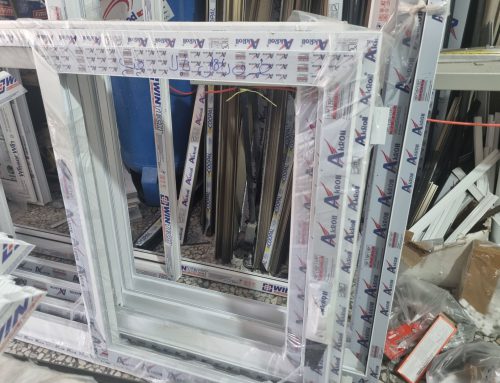
As architectural trends evolve, the world of modern exterior design continues to push boundaries. Here are a few emerging trends to watch for:
  1. Smart Technology Integration: With the rise of the Internet of Things (IoT), smart home technology is becoming more prevalent in modern house design. From automated lighting and temperature control to security systems and voice-activated assistants, integrating these technologies seamlessly into the design allows for enhanced comfort, convenience, and energy efficiency.
  2. Sustainable Materials: The use of sustainable and renewable materials is gaining momentum in exterior architecture. From recycled building materials to innovative eco-friendly products, architects are exploring new ways to minimize the environmental impact of construction while maintaining the sleek aesthetic appeal of modern designs.
  3. Biophilic Design: Biophilic design aims to bring nature into the built environment, enhancing human well-being and connection to the natural world. Incorporating elements such as living walls, green roofs, or large windows that frame scenic views can create a sense of harmony, improve air quality, and promote a sense of tranquility within the modern house.

Conclusion:

Introduction:

In the realm of architecture, the exterior facade of a house plays a pivotal role in defining its character and appeal. One style that has gained significant popularity in recent years is the modern house with a dry facade design. This contemporary approach to exterior architecture not only showcases sleek aesthetics but also offers practical benefits, making it a sought-after choice for homeowners and architects alike. In this article, we will delve into the captivating world of modern exterior architecture and explore the features and advantages of dry facade designs.

Sleek Lines and Bold Statements:

Modern exterior architecture embraces clean lines, simplicity, and a minimalist approach to design. With a focus on form and function, modern houses stand out with their geometric shapes and striking visual statements. Dry facade design, characterized by the absence of traditional mortar joints, enhances these modern aesthetics even further. The uninterrupted surfaces create a seamless appearance, offering a sleek and contemporary look to the overall structure.

Endless Material Possibilities:

One of the most significant advantages of dry facade design is the vast array of materials that can be used. This versatility allows homeowners and architects to create unique exteriors tailored to their preferences and the surrounding environment. Whether it's the warmth of wood, the sophistication of glass, the industrial charm of metal, or the timelessness of concrete, the choices are virtually limitless. The combination of these materials with the clean lines of modern architecture results in an exterior that stands out while harmonizing with its surroundings.

Durability and Low Maintenance:

In addition to their aesthetic appeal, dry facade designs offer practical advantages. These modern exteriors are engineered to be durable and require minimal maintenance. The materials used in dry facades are often selected for their weather resistance, ensuring longevity and reducing the need for constant upkeep. With the absence of mortar joints, the risk of cracks and water infiltration is significantly reduced, further enhancing the durability of the structure. This makes modern houses with dry facades an attractive option for those seeking a long-lasting and low-maintenance architectural solution.

Energy Efficiency and Environmental Considerations:

Modern exterior architecture and dry facade design also embrace energy efficiency and environmental sustainability. With a focus on insulation and reducing thermal bridging, these designs contribute to better energy performance and lower carbon footprints. The choice of materials and construction techniques allows for effective insulation, minimizing heat transfer and reducing reliance on mechanical heating and cooling systems. Additionally, dry facades can incorporate features such as solar panels, rainwater harvesting systems, and green walls, further enhancing the eco-friendliness of the structure.

Integration with Surroundings:

Modern houses with dry facades excel in their ability to integrate seamlessly with their surroundings. By harmonizing with the environment, these designs create a visual balance and a connection to nature. Large windows and open floor plans allow for ample natural light, while well-placed outdoor spaces and landscaping create inviting transitions between indoor and outdoor living areas. The result is a residence that feels like an extension of the landscape, fostering a sense of tranquility and serenity.

Conclusion:

The allure of modern exterior architecture with dry facade design lies in its ability to blend elegance, practicality, and environmental consciousness. With its sleek lines, material versatility, durability, and low maintenance, this architectural style offers homeowners a contemporary and sustainable living space. The seamless integration with the surroundings enhances the overall experience, creating a harmonious and visually captivating environment. As the demand for modern living continues to grow, the dry facade design is destined to leave a lasting impression in the world of architecture.

User
write the rest

ChatGPT
Design Considerations and Customization:

When it comes to designing a modern house with a dry facade, there are several key considerations to keep in mind. Architects and homeowners often collaborate to ensure that the design reflects their unique vision and lifestyle. Here are a few design considerations to ponder:

Scale and Proportions: Modern architecture emphasizes a sense of balance and proportion. Careful consideration must be given to the scale of the house, the height of the walls, and the placement of windows and openings. Achieving the right balance ensures that the structure remains visually appealing while maintaining functionality.

Color Palette: The choice of colors can significantly impact the overall aesthetic of the house. Modern designs often incorporate neutral tones such as whites, grays, and earthy hues. These colors create a timeless and sophisticated look. However, pops of vibrant colors can be added strategically to add visual interest and create focal points.

Texture and Surface Treatments: While the dry facade design is known for its sleek and smooth surfaces, incorporating textures can add depth and visual intrigue. Textured materials such as wood grain, rough stone, or patterned tiles can be used strategically to create visual contrast and enhance the overall design.

Landscaping and Outdoor Spaces: A modern house with a dry facade should seamlessly connect with its outdoor environment. Landscaping plays a vital role in creating a cohesive and inviting exterior space. Thoughtful placement of gardens, hardscaping elements, and outdoor amenities such as patios or swimming pools can transform the outdoor area into a functional and aesthetically pleasing extension of the living space.

Sustainability Features: As sustainable living gains more prominence, integrating eco-friendly features into the design becomes essential. Incorporating energy-efficient systems, such as solar panels or rainwater harvesting, not only reduces the environmental impact but also contributes to long-term cost savings.

Future Trends in Modern Exterior Architecture:

As architectural trends evolve, the world of modern exterior design continues to push boundaries. Here are a few emerging trends to watch for:

Smart Technology Integration: With the rise of the Internet of Things (IoT), smart home technology is becoming more prevalent in modern house design. From automated lighting and temperature control to security systems and voice-activated assistants, integrating these technologies seamlessly into the design allows for enhanced comfort, convenience, and energy efficiency.

Sustainable Materials: The use of sustainable and renewable materials is gaining momentum in exterior architecture. From recycled building materials to innovative eco-friendly products, architects are exploring new ways to minimize the environmental impact of construction while maintaining the sleek aesthetic appeal of modern designs.

Biophilic Design: Biophilic design aims to bring nature into the built environment, enhancing human well-being and connection to the natural world. Incorporating elements such as living walls, green roofs, or large windows that frame scenic views can create a sense of harmony, improve air quality, and promote a sense of tranquility within the modern house.

Conclusion:

The allure of modern exterior architecture with a dry facade design lies in its ability to create visually striking and sustainable living spaces. By embracing clean lines, utilizing versatile materials, and focusing on energy efficiency, these designs offer homeowners a contemporary and environmentally conscious solution. With careful consideration of design elements and customization options, architects can create unique structures that seamlessly integrate with their surroundings while providing a sense of tranquility and modern elegance. As the future unfolds, modern exterior architecture will continue to evolve, embracing technological advancements and sustainable practices to meet the changing needs and desires of homeowners around the world.
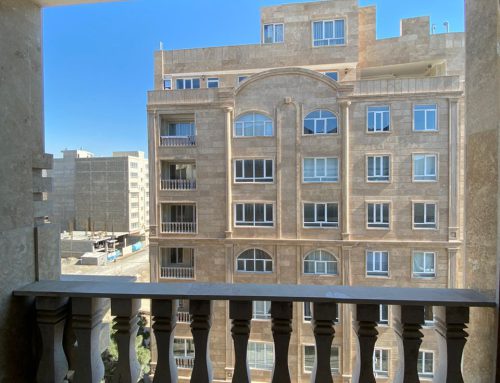
The allure of modern exterior architecture with a dry facade design lies in its ability to create visually striking and sustainable living spaces. By embracing clean lines, utilizing versatile materials, and focusing on energy efficiency, these designs offer homeowners a contemporary and environmentally conscious solution. With careful consideration of design elements and customization options, architects can create unique structures that seamlessly integrate with their surroundings while providing a sense of tranquility and modern elegance. As the future unfolds, modern exterior architecture will continue to evolve, embracing technological advancements and sustainable practices to meet the changing needs and desires of homeowners around the world.