
Design exterior architecture dry facade ceramic wall
Introduction
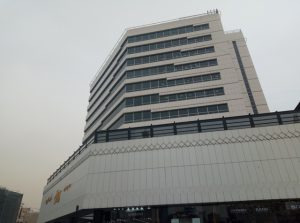
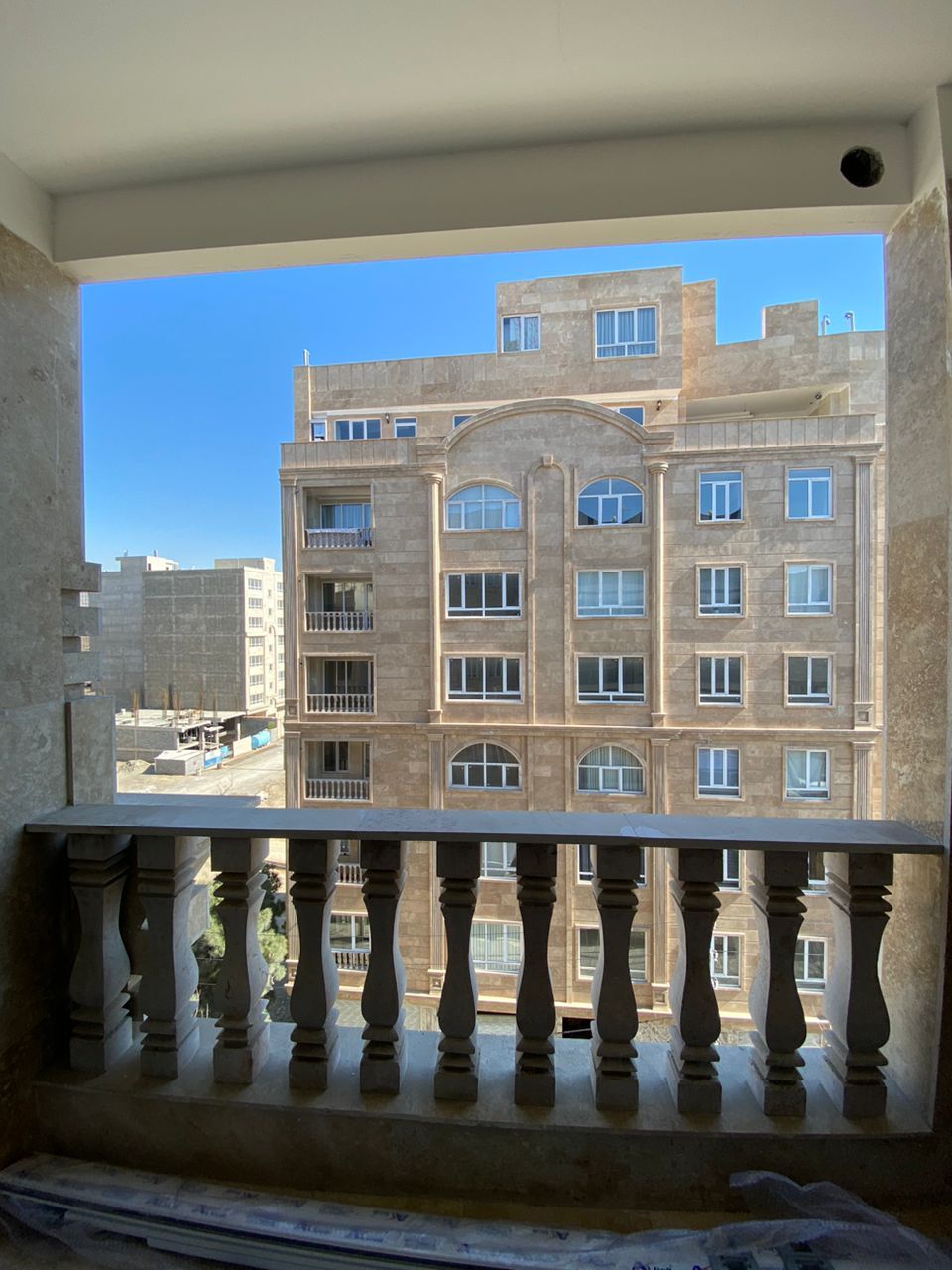
Design exterior architecture dry facade ceramic wall,In the realm of architectural design, the exterior facade holds immense importance as it not only contributes to the overall aesthetic appeal but also plays a crucial role in the functionality and sustainability of a building. One of the prominent trends in modern architecture is the use of dry facade ceramic walls, which offers a myriad of benefits ranging from durability and versatility to energy efficiency and design flexibility. In this article, we will explore the advantages and design potential of dry facade ceramic walls in enhancing the exterior architecture of buildings.
Durability and Low Maintenance
Dry facade ceramic walls are known for their exceptional durability and long lifespan. Made from high-quality ceramics, these walls are highly resistant to weathering, UV radiation, and other environmental factors, ensuring they maintain their original appearance over time. Unlike traditional facade materials, ceramic walls do not fade or deteriorate easily, reducing the need for frequent repairs or replacements. Additionally, ceramic walls require minimal maintenance, making them an ideal choice for architects and building owners seeking a hassle-free exterior solution.
Versatility and Design Flexibility
Dry facade ceramic walls offer an extensive range of design possibilities, enabling architects to create visually striking and unique exteriors. The availability of various colors, textures, patterns, and sizes allows for limitless combinations, giving architects the freedom to customize and personalize the facade according to the building’s architectural style or the client’s preferences. Whether aiming for a sleek and contemporary look or a more traditional and rustic aesthetic, dry facade ceramic walls can adapt to any design vision.
Energy Efficiency and Sustainability
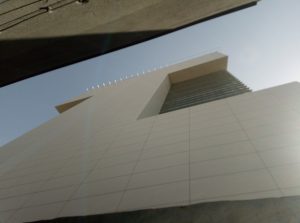
In an era of growing environmental consciousness, energy efficiency and sustainability have become integral aspects of architectural design. Dry facade ceramic walls contribute significantly to these goals. Due to their inherent insulation properties, ceramic walls help regulate the internal temperature of buildings, reducing the need for excessive heating or cooling. By improving thermal efficiency, these walls contribute to energy savings and lower carbon footprints.
Furthermore, ceramic is a natural and eco-friendly material. It is non-toxic, non-combustible, and recyclable, making it a sustainable choice for architectural applications. The production process of ceramic walls also involves minimal water consumption, making it an environmentally responsible choice compared to other facade materials.
Enhanced Acoustic and Fire Resistance
Dry facade ceramic walls excel in their acoustic insulation capabilities, making them ideal for buildings located in noisy urban environments. By effectively reducing exterior noise penetration, ceramic walls create a quieter and more comfortable indoor environment, contributing to occupant well-being and productivity.
Additionally, ceramic is inherently fire-resistant, providing an added layer of safety and security to the building. Ceramic walls have high fire resistance ratings, ensuring they meet stringent safety regulations and minimize the risk of fire spread in case of an incident.
Future Innovations and Advancements
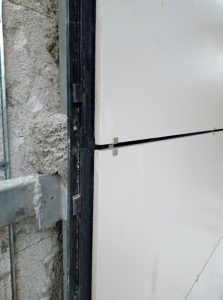
As the world of architecture continues to evolve, advancements in technology and material science are likely to bring new possibilities for dry facade ceramic walls. Here are a few potential future innovations:
- Smart Ceramic Walls: Integration of smart technology within ceramic walls can offer enhanced functionality and energy efficiency. Imagine ceramic walls equipped with sensors that can adjust the internal temperature based on external weather conditions, or panels embedded with solar cells to generate renewable energy.
- Interactive Facades: With the advancement of interactive technologies, ceramic walls could incorporate interactive elements, such as LED displays or kinetic components, to create dynamic and engaging facades. These interactive features can transform the building into a visually captivating landmark, showcasing art installations or conveying important messages.
- Self-Cleaning Surfaces: Researchers are constantly exploring self-cleaning coatings for building materials, and ceramic walls could benefit from such innovations. Self-cleaning ceramic walls would minimize the accumulation of dirt, pollutants, and organic matter, reducing maintenance efforts and ensuring a pristine appearance for extended periods.
- Customizable Ceramic Patterns: With the integration of digital design and manufacturing techniques, it may be possible to create custom patterns and textures on ceramic walls. Architects and designers would have the freedom to craft intricate and unique designs, incorporating elements like 3D motifs or personalized patterns that reflect the building’s purpose or local culture.
Implementation and Considerations
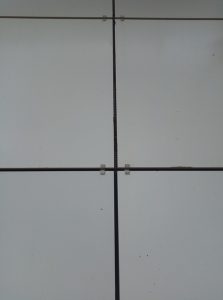
While dry facade ceramic walls offer numerous benefits, their successful implementation requires careful consideration of various factors:
- Structural Considerations: Before incorporating dry facade ceramic walls, it is crucial to assess the structural capacity of the building. Ceramic walls can add weight to the structure, so it is essential to ensure that the existing framework can support the additional load.
- Installation and Maintenance: Proper installation techniques are vital for the longevity and performance of ceramic walls. It is recommended to work with experienced professionals who have expertise in handling ceramic materials. Additionally, regular maintenance, such as cleaning and inspection, will help preserve the appearance and functionality of the walls over time.
- Building Codes and Regulations: Compliance with local building codes and regulations is essential when implementing dry facade ceramic walls. These codes may outline specific requirements for fire resistance, insulation, and structural integrity, among other factors. Architects and builders should work closely with regulatory authorities to ensure compliance and adherence to safety standards.
- Cost Considerations: The cost of dry facade ceramic walls can vary depending on factors such as material quality, customization, and installation complexity. While they may require a higher upfront investment compared to other facade materials, the long-term durability and low maintenance requirements can offset these costs. A comprehensive cost analysis should be conducted during the planning stage to determine the feasibility and budget allocation for ceramic walls.
- Climate and Environmental Factors: The climate and environmental conditions of the building’s location should be taken into account. Ceramic walls have excellent resistance to weathering, but extreme climates or areas prone to seismic activity may require additional structural reinforcements or specialized design considerations.
Conclusion
Dry facade ceramic walls offer a compelling solution for enhancing the exterior architecture of buildings. Their durability, low maintenance, design flexibility, and sustainable qualities make them an attractive choice for architects and building owners. By integrating these walls into architectural designs, structures can achieve aesthetic excellence while contributing to energy efficiency and occupant comfort.
However, successful implementation requires careful consideration of structural, installation, regulatory, and cost factors. By addressing these considerations, architects can maximize the potential of dry facade ceramic walls and create visually stunning, sustainable, and resilient buildings that stand the test of time.
As the field of architecture continues to evolve, the versatility and design possibilities of dry facade ceramic walls are likely to expand further. With ongoing advancements in technology and material science, architects can look forward to even more innovative solutions that push the boundaries of creativity and functionality. By embracing the potential of dry facade ceramic walls, architects can shape a future where buildings are not only visually captivating but also environmentally responsible and sustainable.

Leave A Comment