
Design exterior architecture dry facade windows wall
Introduction:
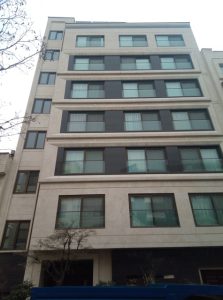
Design exterior architecture dry facade windows wall,In the realm of architectural design, the exterior of a building holds immense significance. It is the first impression that greets visitors and passersby, leaving a lasting impact on the overall aesthetic appeal. Among the various elements that contribute to an exquisite exterior architecture, dry facade windows and walls stand out as design features that combine both functionality and artistic expression. This article explores the beauty and benefits of dry facade windows and walls, shedding light on their transformative role in modern architectural design.
-
Defining Dry Facade Windows and Walls:
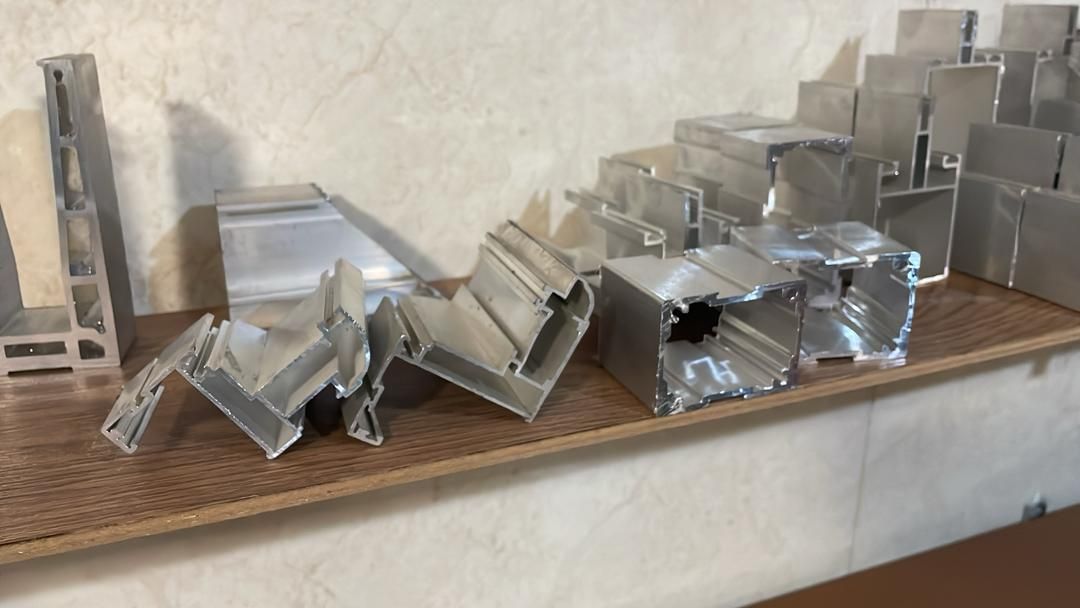
Dry facade systems, also known as curtain walls, are non-structural elements that serve as the external envelope of a building. Unlike traditional load-bearing walls, they bear no weight and are primarily designed to provide protection from the elements while allowing natural light to permeate the interior space. Dry facade windows, often integrated within these walls, are designed to provide views, ventilation, and contribute to the overall aesthetic appeal.
-
Aesthetic Appeal and Design Freedom:
One of the major advantages of dry facade windows and walls is the design freedom they offer to architects. These systems enable architects to create visually striking exteriors by incorporating various materials, such as glass, metal, stone, or composite panels, in combination with unique shapes and patterns. The result is a seamless and harmonious integration of architectural elements that can transform a building into a work of art.
-
Natural Light and Energy Efficiency:
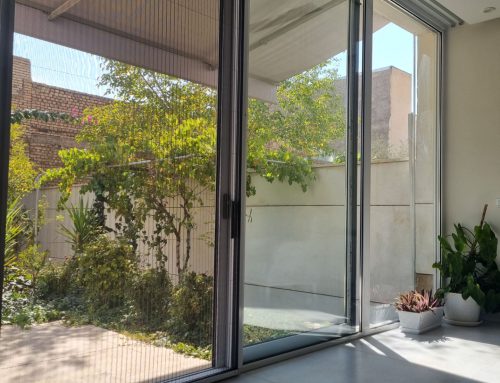
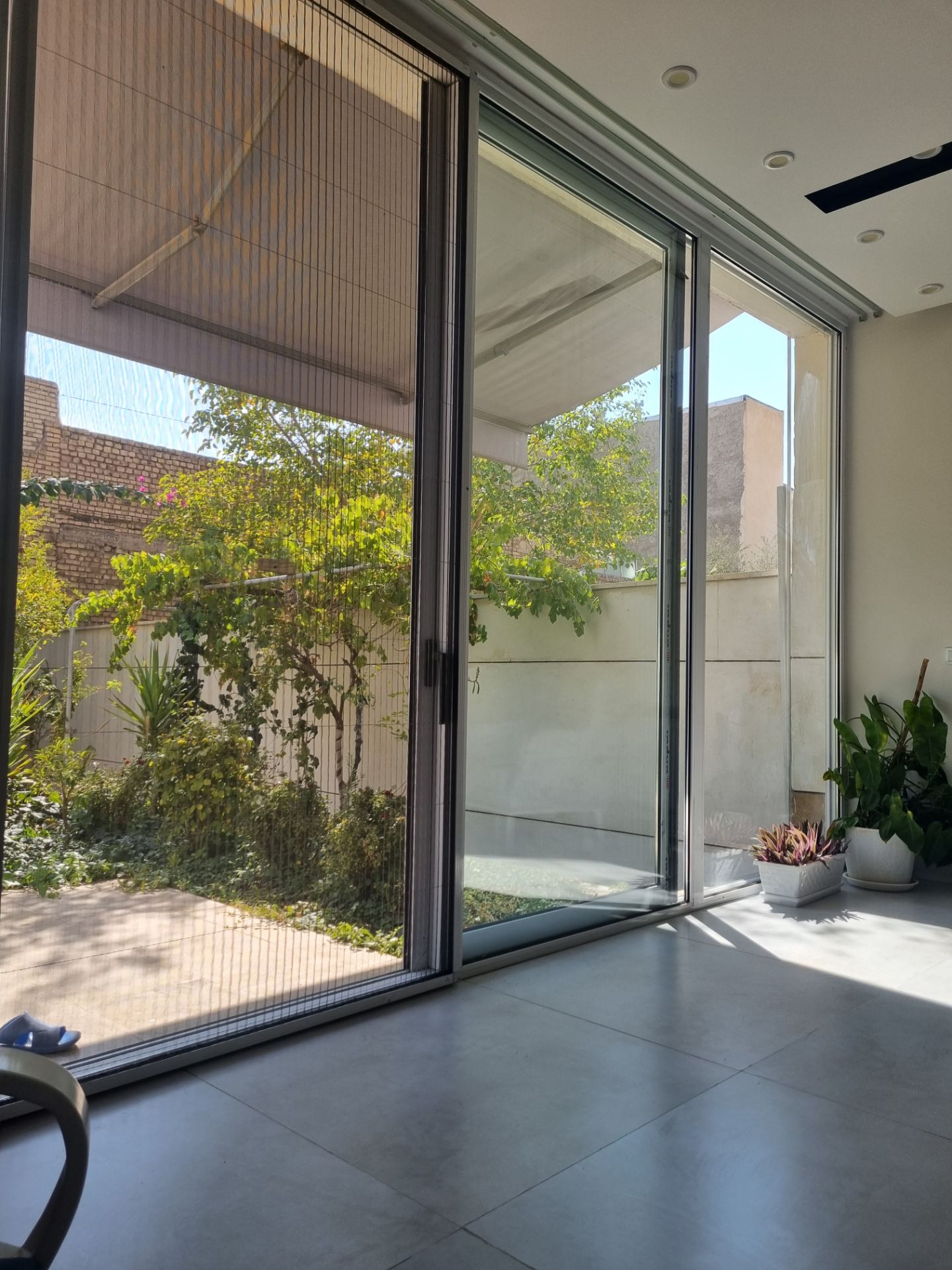
Dry facade windows are known for their ability to maximize the entry of natural light into a building. Large glass panels provide unobstructed views while creating a bright and open ambiance inside. This not only enhances the well-being and productivity of occupants but also reduces the reliance on artificial lighting during daylight hours, leading to significant energy savings.
-
Thermal Insulation and Environmental Sustainability:
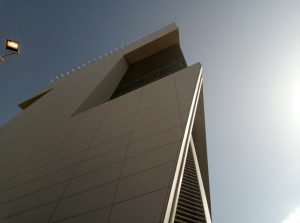
Dry facade systems can also incorporate advanced thermal insulation techniques, helping to regulate the indoor temperature and reduce energy consumption for heating and cooling. The use of double or triple-glazed glass, low-emissivity coatings, and thermally broken frames ensures excellent thermal performance, preventing heat transfer and maintaining a comfortable indoor environment. By improving energy efficiency, these systems contribute to a building’s environmental sustainability.
-
Versatility and Adaptability:
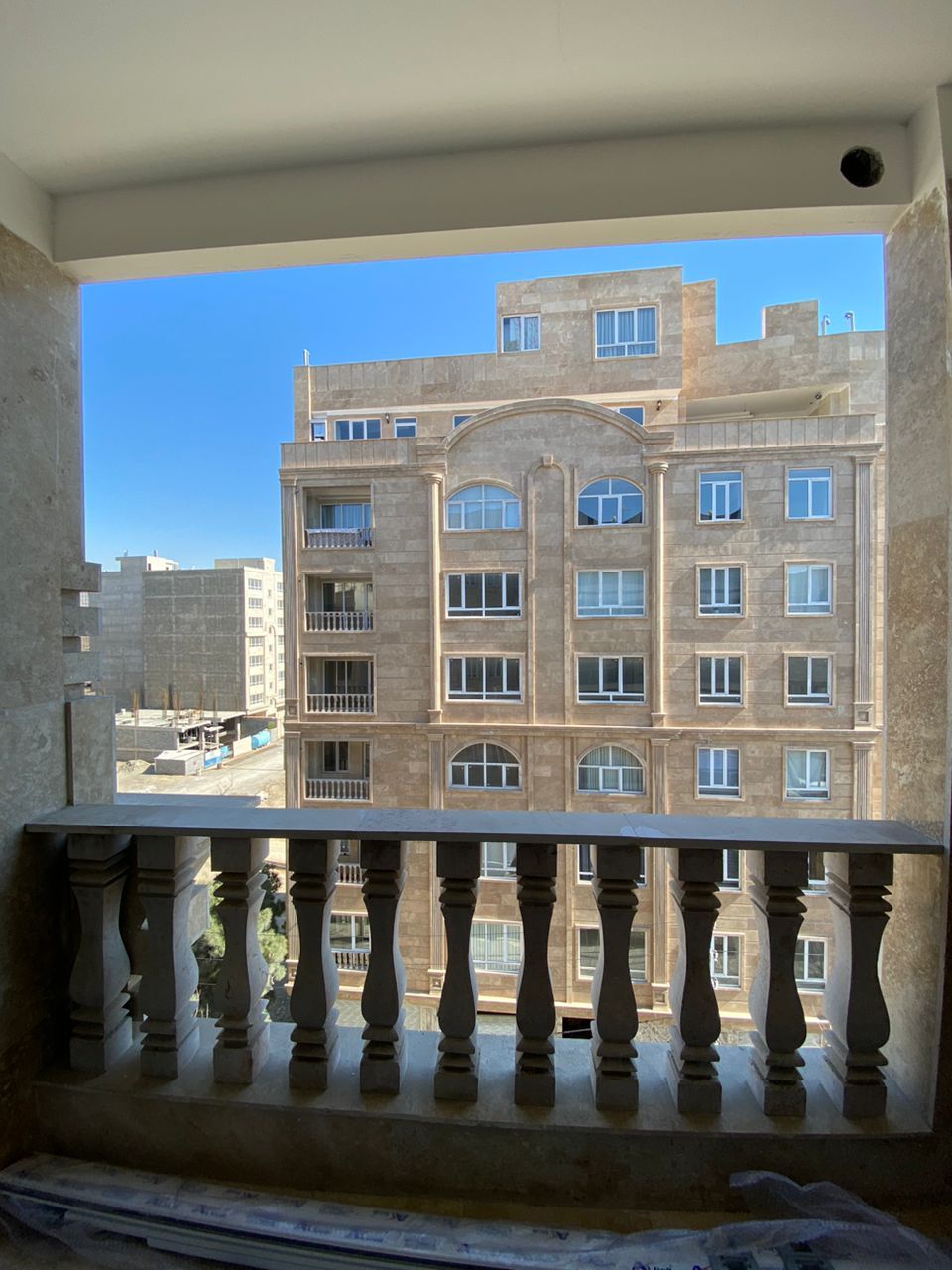
Dry facade windows and walls offer versatility in terms of design, size, and shape, making them suitable for a wide range of architectural styles and applications. Whether it’s a sleek and modern skyscraper or a historical restoration project, these systems can be customized to complement the overall design intent. They can be seamlessly integrated with other architectural features, such as balconies, terraces, or louvers, further enhancing their functionality and aesthetic appeal.
-
Durability and Maintenance:
Dry facade systems are designed to withstand various environmental factors, including wind, rain, and temperature fluctuations. The materials used in their construction are selected for their durability and resistance to corrosion and fading, ensuring long-lasting performance. Additionally, the ease of maintenance, such as cleaning the glass panels or replacing damaged components, makes these systems a practical choice for building owners.
-
Sound Insulation and Privacy:
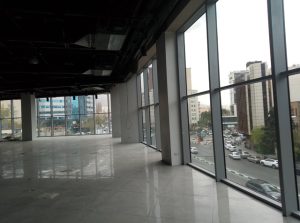
In addition to their visual and functional benefits, dry facade windows and walls also contribute to sound insulation. The multiple layers of glass and the air gap between them act as a barrier against external noise, creating a quieter and more peaceful indoor environment. This is particularly advantageous for buildings located in busy urban areas or near transportation hubs. Furthermore, the design and placement of windows can be strategically considered to optimize privacy, allowing natural light to enter while maintaining a sense of seclusion.
-
Integration of Sustainable Technologies:
Dry facade systems can seamlessly integrate various sustainable technologies to further enhance their environmental performance. For instance, solar panels can be integrated into the glass panels to harness solar energy and contribute to the building’s power supply. This integration of renewable energy sources promotes sustainable practices and reduces reliance on traditional energy grids. Additionally, rainwater harvesting systems can be incorporated within the walls, capturing and repurposing rainwater for landscaping or other non-potable uses.
-
Iconic Landmarks and Architectural Identity:
Throughout history, many iconic landmarks have embraced the use of dry facade windows and walls as a defining element of their architectural identity. Structures like the Louvre Pyramid in Paris, the Guggenheim Museum in Bilbao, and the Burj Khalifa in Dubai all showcase the transformative power of these design features. By incorporating dry facade systems, architects can create buildings that become instantly recognizable and synonymous with their location, contributing to the cultural fabric of a city.
-
Future Innovations and Advancements:
As technology and design continue to progress, so too will the possibilities and advancements in dry facade windows and walls. Innovations such as smart glass, which can switch between transparent and opaque states, interactive displays embedded within glass surfaces, or self-cleaning coatings are just a few examples of how these systems may evolve. Additionally, advancements in sustainable materials and construction techniques will further enhance the environmental performance of dry facade systems.
-
Cost Considerations and Return on Investment:
While dry facade windows and walls offer numerous benefits, it’s essential to consider the cost implications. The initial investment in these systems can be higher compared to traditional building envelopes. However, the long-term benefits, such as energy savings, reduced maintenance costs, and improved occupant satisfaction, often outweigh the upfront expenses. Additionally, the aesthetic value and enhanced market appeal of buildings featuring dry facade systems can result in increased property values and higher returns on investment.
-
Collaboration between Architects and Manufacturers:
The successful implementation of dry facade windows and walls relies on effective collaboration between architects and manufacturers. Architects must work closely with manufacturers to ensure that the design intent is translated into functional and visually pleasing systems. Manufacturers, in turn, can provide valuable insights into the technical aspects and possibilities of the chosen materials, helping architects make informed decisions that align with their vision.
-
Building Codes, Regulations, and Safety:
When incorporating dry facade windows and walls into architectural designs, it is crucial to comply with local building codes and regulations. Safety considerations, such as fire resistance, wind load capacity, and structural stability, must be addressed to ensure the longevity and well-being of the building and its occupants. Engaging qualified professionals and conducting thorough engineering and feasibility studies is essential to meet safety requirements while realizing the design goals.
-
Cultural and Regional Context:
The use of dry facade systems should also take into account the cultural and regional context of the building. Local architectural traditions, climate conditions, and aesthetics can greatly influence the design choices and material selection. By integrating elements that reflect the local culture and environment, architects can create buildings that harmoniously blend with their surroundings and contribute to the sense of place.
-
Continual Advancements and Adaptation:
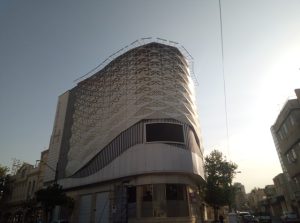
As architecture and design continue to evolve, so too will the possibilities and advancements in dry facade windows and walls. New materials, technologies, and construction techniques will emerge, providing architects with even greater opportunities for innovation and creativity. Staying informed about the latest developments in the field and adapting designs accordingly will ensure that buildings featuring dry facade systems remain at the forefront of architectural excellence.
Conclusion:
Dry facade windows and walls have become a hallmark of modern architectural design, offering a harmonious blend of functionality, aesthetics, and sustainability. Their ability to maximize natural light, improve energy efficiency, and provide design freedom has propelled them into the spotlight of contemporary building exteriors. By embracing these systems, architects can create visually striking structures that prioritize occupant comfort, environmental sustainability, and timeless beauty. As the field continues to evolve, the integration of dry facade windows and walls will undoubtedly play a pivotal role in shaping the architectural landscape of the future.

Leave A Comment