
Curve Horizontal Cover Cap Profile
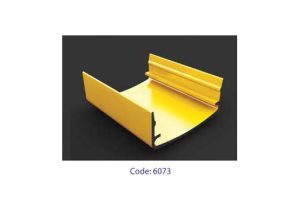
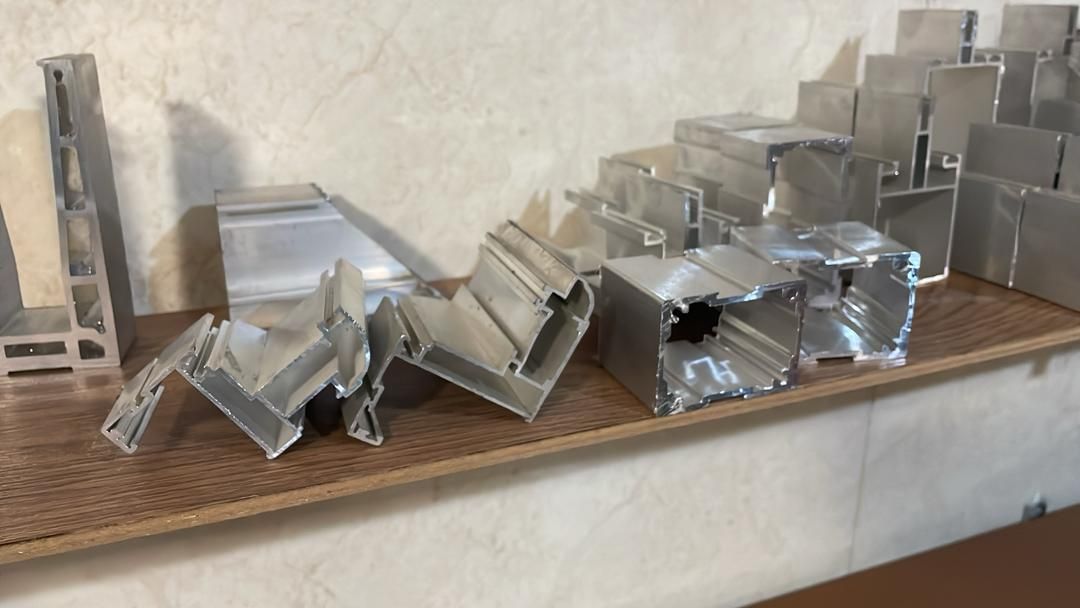
Curve horizontal cover cap profiles are a type of metal profile that is used to protect the exposed edges of curved surfaces. They are typically made of aluminum or steel, and are available in a variety of finishes, including anodized, painted, and powder coated. Curve horizontal cover cap profiles can be used in a wide range of applications, including:
- Construction: Curve horizontal cover cap profiles can be used to protect the edges of metal roofing and siding panels, as well as the edges of concrete and masonry walls.
- HVAC: Curve horizontal cover cap profiles can be used to protect the edges of ductwork and other HVAC components.
- Transportation: Curve horizontal cover cap profiles can be used to protect the edges of truck bodies, bus bodies, and other vehicles.
- Signage: Curve horizontal cover cap profiles can be used to protect the edges of signs and other signage.
Benefits of Using Curve Horizontal Cover Cap Profiles
There are a number of benefits to using curve horizontal cover cap profiles, including:
- Protection: Curve horizontal cover cap profiles protect the exposed edges of curved surfaces from damage caused by the elements, such as rain, snow, and wind. They also protect the edges of surfaces from impact damage.
- Aesthetics: Curve horizontal cover cap profiles can improve the appearance of curved surfaces by providing a clean and finished look.
- Durability: Curve horizontal cover cap profiles are made of durable materials, such as aluminum and steel, and can withstand a wide range of environmental conditions.
- Ease of installation: Curve horizontal cover cap profiles are relatively easy to install, and can be attached to a variety of substrates using screws, rivets, or adhesives.
Types of Curve Horizontal Cover Cap Profiles
There are a variety of different types of curve horizontal cover cap profiles available, depending on the application. Some of the most common types include:
- Single curve cover cap profiles: These profiles are designed to protect the edges of surfaces with a single curve.
- Double curve cover cap profiles: These profiles are designed to protect the edges of surfaces with two curves.
- Compound curve cover cap profiles: These profiles are designed to protect the edges of surfaces with multiple curves.
- Custom curve cover cap profiles: These profiles can be custom-made to fit the specific needs of the application.
How to Choose the Right Curve Horizontal Cover Cap Profiles
When choosing a curve horizontal cover cap profile, it is important to consider the following factors:
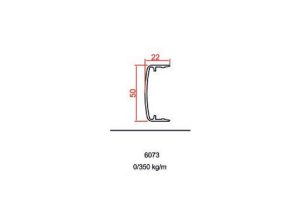
- The material of the profile: Aluminum and steel are the two most common materials used for curve horizontal cover cap profiles. Aluminum is lightweight and corrosion resistant, while steel is strong and durable.
- The finish of the profile: Curve horizontal cover cap profiles are available in a variety of finishes, including anodized, painted, and powder coated. The finish should be chosen based on the desired appearance and the environmental conditions to which the profile will be exposed.
- The size and shape of the profile: The size and shape of the profile should be chosen based on the specific needs of the application. The profile should be wide enough to cover the exposed edge of the surface, and it should have the correct curvature to match the surface.
- The installation method: Curve horizontal cover cap profiles can be attached to a variety of substrates using screws, rivets, or adhesives. The installation method should be chosen based on the type of substrate and the desired aesthetic.
Application of Curve Horizontal Cover Cap Profiles
Curve horizontal cover cap profiles can be used in a wide range of applications, including:
Construction:
- Protecting the edges of metal roofing and siding panels
- Protecting the edges of concrete and masonry walls
- Protecting the edges of parapets and copings
- Protecting the edges of balconies and decks
- Protecting the edges of stairs and walkways
HVAC:
- Protecting the edges of ductwork
- Protecting the edges of air handling units
- Protecting the edges of chillers and boilers
- Protecting the edges of rooftop equipment
Transportation:
- Protecting the edges of truck bodies
- Protecting the edges of bus bodies
- Protecting the edges of railcars
- Protecting the edges of trailers
- Protecting the edges of shipping containers
Signage:
- Protecting the edges of signs
- Protecting the edges of awnings and canopies
- Protecting the edges of lightboxes and other signage
Other applications:
- Protecting the edges of playground equipment
- Protecting the edges of park benches and other outdoor furniture
- Protecting the edges of planters and other landscaping features
- Protecting the edges of industrial machinery and equipment
Installation of Curve Horizontal Cover Cap Profiles
Curve horizontal cover cap profiles can be installed using a variety of methods, depending on the type of profile and the substrate to which it is being attached. Some common installation methods include:
- Screws: Screws are the most common method for attaching curve horizontal cover cap profiles. The screws should be long enough to penetrate the profile and the substrate, and they should be countersunk to create a flush finish.
- Rivets: Rivets are another common method for attaching curve horizontal cover cap profiles. Rivets are especially useful for attaching profiles to thin substrates, such as metal roofing and siding panels.
- Adhesives: Adhesives can be used to attach curve horizontal cover cap profiles to a variety of substrates, including concrete, masonry, and metal. However, it is important to choose an adhesive that is specifically designed for the type of substrate and the environment to which the profile will be exposed.
Maintenance of Curve Horizontal Cover Cap Profiles
Curve horizontal cover cap profiles require minimal maintenance. However, it is important to inspect the profiles regularly for signs of damage or corrosion. If any damage is found, the profile should be repaired or replaced immediately.
Advantages of Using Curve Horizontal Cover Cap Profiles
There are many advantages to using curve horizontal cover cap profiles, including:
- Protection: Curve horizontal cover cap profiles protect the exposed edges of curved surfaces from damage caused by the elements, such as rain, snow, and wind. They also protect the edges of surfaces from impact damage. This can help to extend the lifespan of the surface and reduce the need for repairs.
- Aesthetics: Curve horizontal cover cap profiles can improve the appearance of curved surfaces by providing a clean and finished look. They can also be used to create a variety of architectural effects.
- Durability: Curve horizontal cover cap profiles are made of durable materials, such as aluminum and steel, and can withstand a wide range of environmental conditions. This makes them ideal for use in a variety of applications, including both indoor and outdoor environments.
- Ease of installation: Curve horizontal cover cap profiles are relatively easy to install, and can be attached to a variety of substrates using screws, rivets, or adhesives. This makes them a cost-effective and efficient solution for protecting curved surfaces.
Selection of Curve Horizontal Cover Cap Profiles
When selecting curve horizontal cover cap profiles, it is important to consider the following factors:
- The material of the profile: The most common materials used for curve horizontal cover cap profiles are aluminum and steel. Aluminum is lightweight and corrosion resistant, while steel is strong and durable. The best material for a particular application will depend on the specific requirements of the project.
- The finish of the profile: Curve horizontal cover cap profiles are available in a variety of finishes, including anodized, painted, and powder coated. The finish should be chosen based on the desired appearance and the environmental conditions to which the profile will be exposed.
- The size and shape of the profile: The size and shape of the profile should be chosen based on the specific needs of the application. The profile should be wide enough to cover the exposed edge of the surface, and it should have the correct curvature to match the surface.
- The installation method: Curve horizontal cover cap profiles can be attached to a variety of substrates using screws, rivets, or adhesives. The installation method should be chosen based on the type of substrate and the desired aesthetic.
Conclusion
Curve horizontal cover cap profiles are a versatile and durable solution for protecting the exposed edges of curved surfaces. They offer a number of advantages, including protection from damage, improved aesthetics, durability, and ease of installation. When selecting curve horizontal cover cap profiles, it is important to consider the material, finish, size and shape of the profile, and the installation method.

Leave A Comment