
curve vertical cover cap profiles
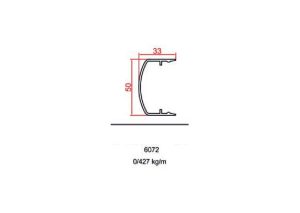
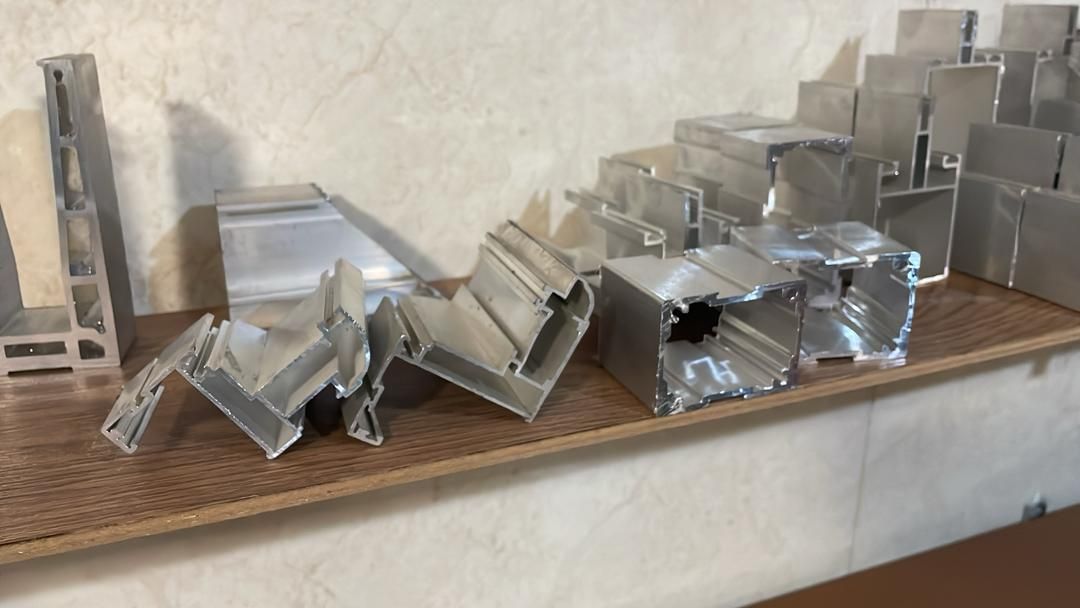
Curve vertical cover cap profiles is a type of aluminum extrusion that is used to cover the vertical edges of curved surfaces. It is typically used in architectural applications, such as roofing and cladding, but can also be used in industrial and commercial applications.
Benefits of Curve Vertical Cover Cap Profile
There are several benefits to using curve vertical cover cap profile, including:
- Durability: Aluminum is a strong and durable material that is resistant to corrosion and weathering. This makes curve vertical cover cap profile ideal for use in outdoor applications.
- Versatility: Curve vertical cover cap profile can be used to cover curved surfaces of any size or shape. It is also available in a variety of finishes to match any architectural style.
- Ease of installation: Curve vertical cover cap profile is relatively easy to install and can be done by most professional contractors.
Applications of Curve Vertical Cover Cap Profile
Curve vertical cover cap profile is commonly used in the following applications:
- Roofing: Curve vertical cover cap profile can be used to cover the vertical edges of curved roofing systems, such as domes and barrel vaults. It can also be used to cover the vertical edges of skylights and other roof openings.
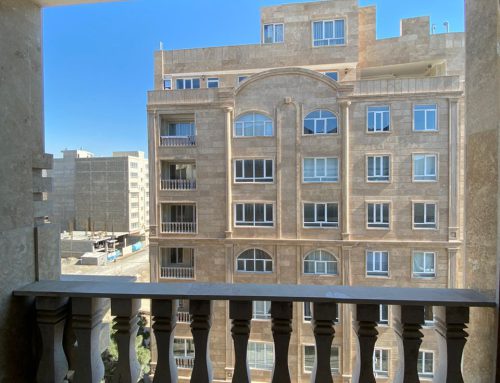
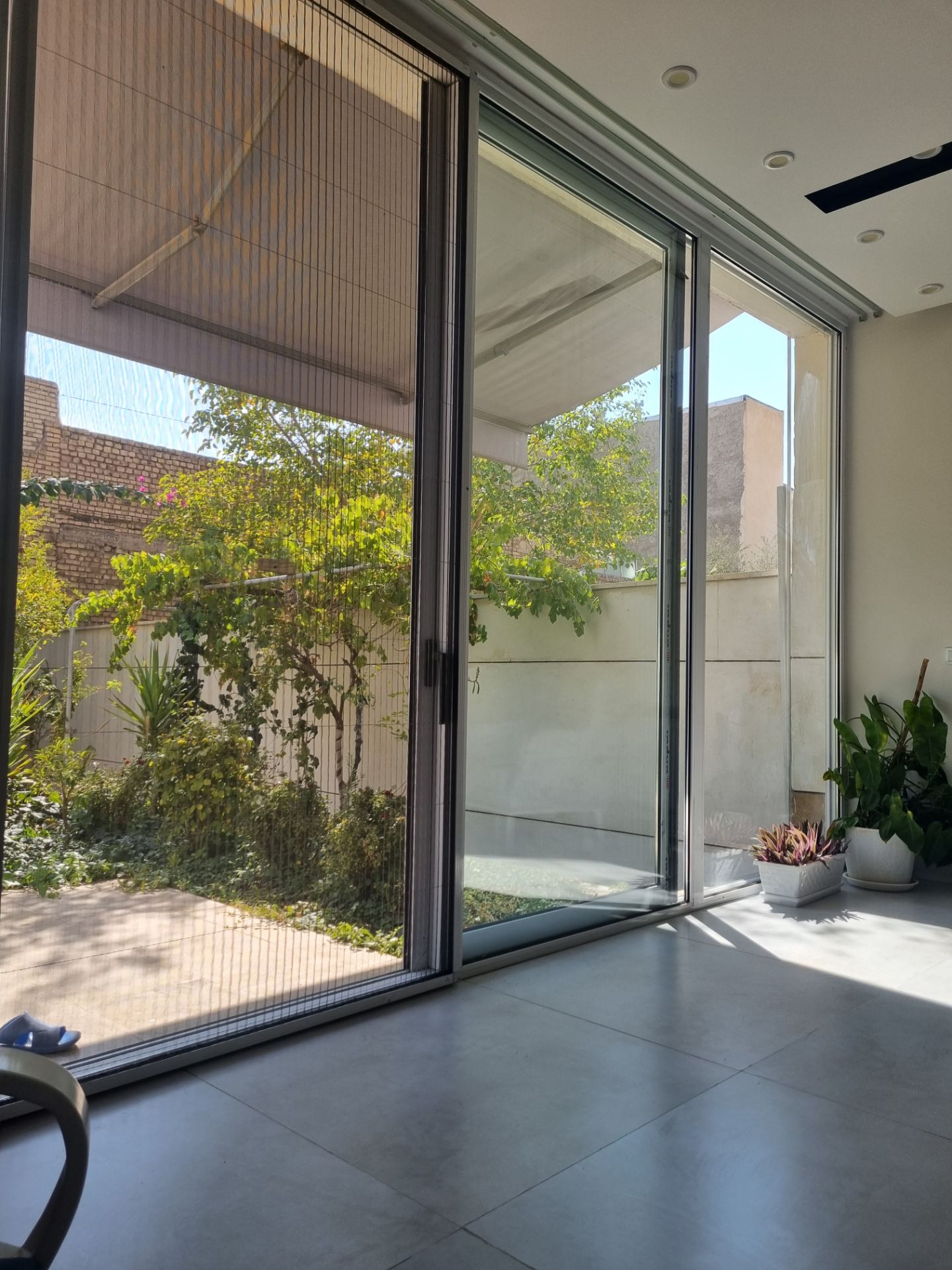
- Cladding: Curve vertical cover cap profile can be used to cover the vertical edges of curved cladding systems, such as curtain walls and rain screens. It can also be used to cover the vertical edges of window and door openings.
- Industrial and commercial applications: Curve vertical cover cap profile can also be used in a variety of industrial and commercial applications, such as covering the vertical edges of conveyor belts, machinery enclosures, and other equipment.
How to Choose the Right Curve Vertical Cover Cap Profile
When choosing a curve vertical cover cap profile, it is important to consider the following factors:
- The type of curved surface that will be covered: The curve vertical cover cap profile must be able to conform to the shape of the curved surface.
- The material of the curved surface: The curve vertical cover cap profile must be made of a material that is compatible with the material of the curved surface.
- The finish of the curved surface: The curve vertical cover cap profile should have a finish that matches the finish of the curved surface.
- The budget: Curve vertical cover cap profile is available in a variety of price ranges. It is important to choose a profile that fits within your budget.
Installation of Curve Vertical Cover Cap Profile
The installation of curve vertical cover cap profile is relatively straightforward, but it is important to follow the manufacturer’s instructions carefully. The following are the general steps involved in installing curve vertical cover cap profile:
- Prepare the curved surface. Make sure that the curved surface is clean and free of debris. If the curved surface is painted, you may need to sand it lightly to remove the paint.
- Measure and cut the curve vertical cover cap profile. Measure the length of the curved surface that you will be covering and cut the curve vertical cover cap profile to the appropriate length.
- Attach the curve vertical cover cap profile to the curved surface. There are several different ways to attach curve vertical cover cap profile to a curved surface. The most common method is to use screws or rivets. However, you may also be able to use adhesive or sealant.
- Seal the joints. Once the curve vertical cover cap profile is attached to the curved surface, seal the joints with silicone sealant or other sealant. This will help to prevent water and moisture from seeping into the structure.
Tips for Installing Curve Vertical Cover Cap Profile

Here are a few tips for installing curve vertical cover cap profile:
- Use a level to make sure that the curve vertical cover cap profile is level before attaching it to the curved surface.
- Use a sealant that is compatible with the material of the curve vertical cover cap profile and the material of the curved surface.
- Be careful not to overtighten the screws or rivets when attaching the curve vertical cover cap profile to the curved surface. This could damage the profile or the curved surface.
- Allow the sealant to dry completely before using the structure.
Maintenance of Curve Vertical Cover Cap Profile
Curve vertical cover cap profile is a relatively low-maintenance product. However, it is important to inspect the profile regularly for any signs of damage or wear. If you find any damage, it is important to repair it immediately to prevent further damage to the structure.
Here are a few tips for maintaining curve vertical cover cap profile:
- Inspect the profile regularly for any signs of damage, such as cracks, dents, or corrosion.
- If you find any damage, repair it immediately using a sealant or other repair product.
- Clean the profile regularly using a mild soap and water solution. Avoid using harsh chemicals or abrasive cleaners, as these could damage the profile.
- If the profile is located in an area that is exposed to salt air or other corrosive elements, you may need to apply a protective coating to the profile.
By following these tips, you can help to ensure that your curve vertical cover cap profile lasts for many years to come.
Conclusion
Curve vertical cover cap profile is a durable and versatile solution for covering the vertical edges of curved surfaces. It is relatively easy to install and maintain. By following the tips above, you can ensure that your curve vertical cover cap profile looks great and functions properly for many years to come.

Leave A Comment