
Cover Cap in Curtain Wall System
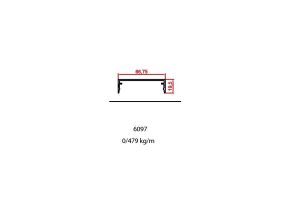
Cover Cap in Curtain Wall System ,A cover cap is a non-structural element that is used to protect the top of a curtain wall system. It is typically made of metal or plastic and is attached to the top of the curtain wall mullions. Cover caps serve a number of important functions, including:
- Protection from the elements: Cover caps help to protect the curtain wall system from rain, snow, wind, and other environmental factors.
- Improved aesthetics: Cover caps can be used to improve the overall appearance of a curtain wall system by hiding the exposed ends of the mullions.
- Thermal insulation: Cover caps can help to improve the thermal insulation of a curtain wall system by reducing the amount of heat that can escape through the top of the system.
Cover caps are available in a variety of shapes, sizes, and colors to match the specific needs of a curtain wall project. They can also be custom-fabricated to meet the specific requirements of a project.
Types of Cover Caps
There are two main types of cover caps used in curtain wall systems:
- Face caps: Face caps are attached to the front of the curtain wall mullions and are visible from the exterior of the building. Face caps are typically made of metal or plastic and can be finished in a variety of colors and textures.
- Mullion caps: Mullion caps are attached to the top of the curtain wall mullions and are not visible from the exterior of the building. Mullion caps are typically made of metal or plastic and are designed to be weatherproof and durable.
Installation of Cover Caps
Cover caps are typically installed by a qualified curtain wall installer. The installer will first measure the top of the curtain wall mullions to determine the size and type of cover caps that are needed. The installer will then attach the cover caps to the mullions using screws, rivets, or other fasteners.
Maintenance of Cover Caps
Cover caps require very little maintenance. However, it is important to inspect the cover caps regularly for signs of damage or wear. If any damage is found, the cover cap should be repaired or replaced immediately.
Benefits of Using Cover Caps in Curtain Wall Systems
There are a number of benefits to using cover caps in curtain wall systems, including:
- Improved performance: Cover caps can help to improve the performance of a curtain wall system by reducing air and water infiltration, improving thermal insulation, and reducing noise transmission.
- Reduced maintenance: Cover caps can help to reduce the maintenance requirements of a curtain wall system by protecting the system from the elements and preventing damage to the mullions.
- Enhanced aesthetics: Cover caps can be used to enhance the overall aesthetics of a curtain wall system by hiding the exposed ends of the mullions and creating a more polished appearance.
Overall, cover caps are an important component of curtain wall systems. They provide a number of benefits, including improved performance, reduced maintenance, and enhanced aesthetics.
Additional Considerations
In addition to the benefits listed above, cover caps can also provide a number of other advantages, such as:
- Reducing the risk of condensation: Cover caps can help to reduce the risk of condensation forming on the inside of the curtain wall system. This is because cover caps help to keep the warm, moist air inside the building from coming into contact with the cold surface of the curtain wall system.
- Improving the fire resistance of the curtain wall system: Cover caps can help to improve the fire resistance of the curtain wall system by acting as a barrier to flames and smoke.
- Reducing the noise transmission through the curtain wall system: Cover caps can help to reduce the noise transmission through the curtain wall system by absorbing sound waves.
Selection of Cover Caps
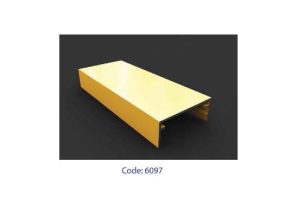
When selecting cover caps for a curtain wall project, there are a number of factors to consider, including:
- The type of curtain wall system: The type of curtain wall system will determine the type of cover caps that are needed. For example, face caps are typically used with stick-built curtain wall systems, while mullion caps are typically used with unitized curtain wall systems.
- The material of the curtain wall system: The material of the curtain wall system will also determine the type of cover caps that can be used. For example, metal cover caps are typically used with metal curtain wall systems, while plastic cover caps are typically used with plastic curtain wall systems.
- The climate: The climate where the curtain wall system will be installed will also affect the type of cover caps that are needed. For example, cover caps that are made of a corrosion-resistant material are needed for curtain wall systems that will be installed in coastal areas.
- The budget: The budget for the project will also affect the type of cover caps that are selected. Metal cover caps are typically more expensive than plastic cover caps.
Installation of Cover Caps
Cover caps should be installed by a qualified curtain wall installer. The installer will first measure the top of the curtain wall mullions to determine the size and type of cover caps that are needed. The installer will then attach the cover caps to the mullions using screws, rivets, or other fasteners.
Maintenance of Cover Caps
Cover caps require very little maintenance. However, it is important to inspect the cover caps regularly for signs of damage or wear. If any damage is found, the cover cap should be repaired or replaced immediately.
Types of Cover Cap Materials
Cover caps are available in a variety of materials, including:
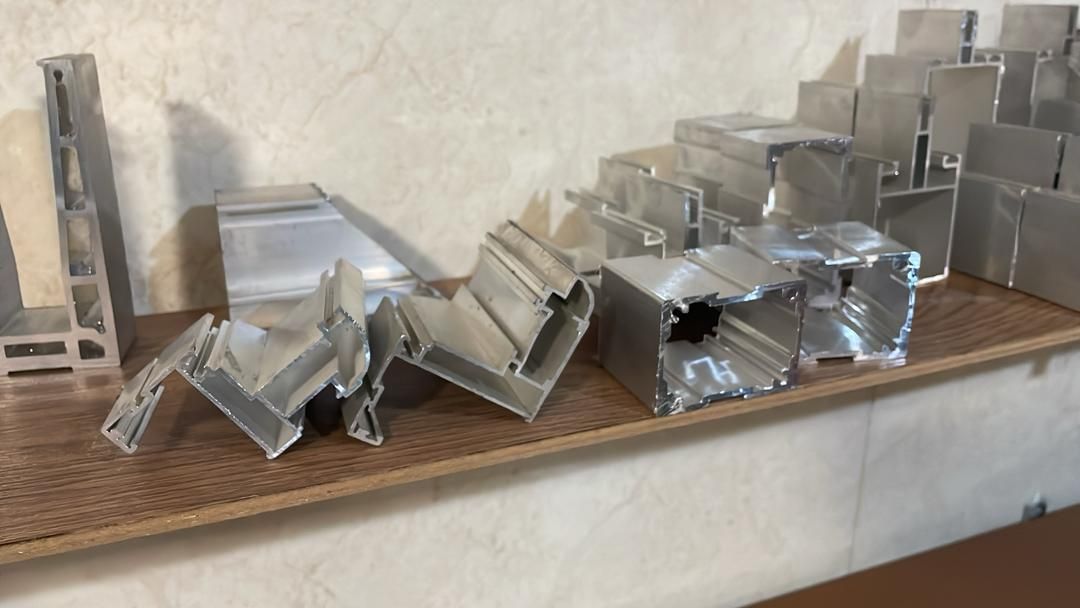
- Metal: Metal cover caps are the most durable and long-lasting type of cover cap. They are typically made of aluminum or stainless steel. Metal cover caps are available in a variety of finishes, including anodized, powder-coated, and painted.
- Plastic: Plastic cover caps are less expensive than metal cover caps, but they are not as durable. Plastic cover caps are typically made of PVC or ABS. Plastic cover caps are available in a variety of colors and finishes.
- Composite: Composite cover caps are made of a combination of materials, such as metal and plastic. Composite cover caps offer the durability of metal cover caps with the affordability of plastic cover caps. Composite cover caps are available in a variety of colors and finishes.
Choosing the Right Cover Cap Material
The best way to choose the right cover cap material for your project is to consider the specific needs of your project. If you are looking for a cover cap that is durable and long-lasting, then a metal cover cap is the best option. If you are looking for a cover cap that is affordable, then a plastic cover cap is the best option. If you are looking for a cover cap that is both durable and affordable, then a composite cover cap is the best option.
Cover Cap Finishes
Cover caps are available in a variety of finishes, including:
- Anodized: Anodized cover caps have a hard, protective coating that is resistant to corrosion and scratches.
- Powder-coated: Powder-coated cover caps have a durable, long-lasting finish that is available in a variety of colors.
- Painted: Painted cover caps are the least expensive type of cover cap finish. However, painted cover caps are not as durable as anodized or powder-coated cover caps.
- Brushed: Brushed cover caps have a matte finish that gives them a modern, sophisticated look.
- Polished: Polished cover caps have a shiny finish that gives them a classic look.
Choosing the Right Cover Cap Finish
The best way to choose the right cover cap finish for your project is to consider the overall look and feel of your building. If you are looking for a cover cap that will blend in with the rest of your building, then you should choose a cover cap with a neutral finish, such as anodized or powder-coated. If you are looking for a cover cap that will make a statement, then you should choose a cover cap with a more unique finish, such as brushed or polished.
Conclusion
Cover caps are an important component of any curtain wall system. They provide a number of benefits, including protection from the elements, improved thermal insulation, enhanced aesthetics, and reduced risk of condensation, improved fire resistance, and reduced noise transmission. When choosing cover caps for a curtain wall project, it is important to consider the specific needs of the project and to select cover caps that are made of high-quality materials and are properly installed.Cover Cap in Curtain Wall System.


Leave A Comment