
Connection to Wall Bracket
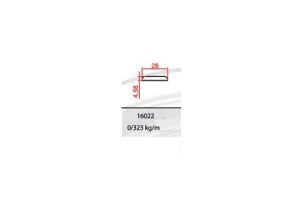
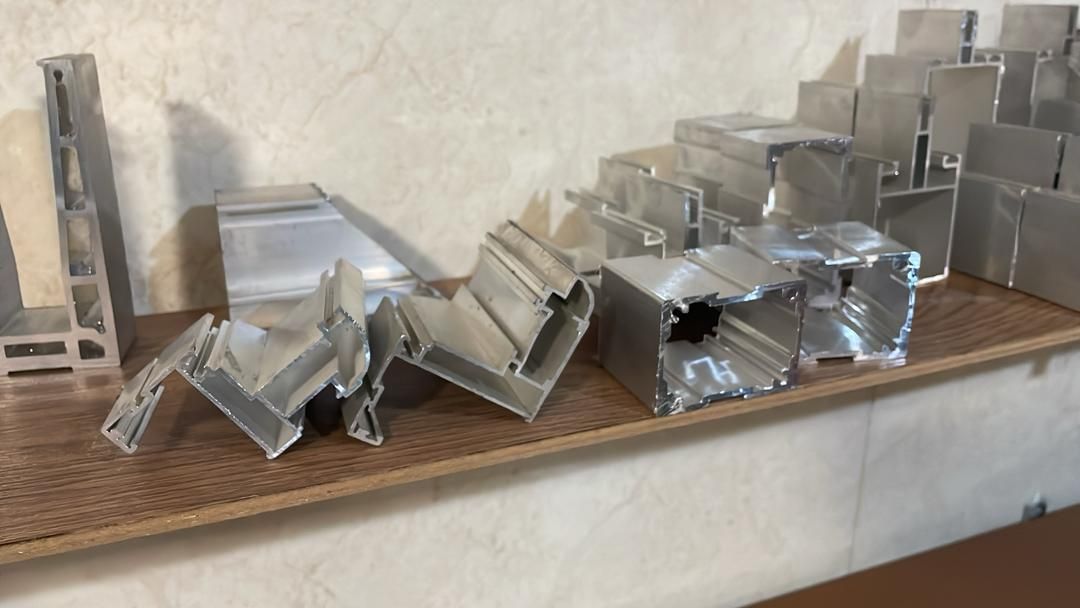
Curtain wall profile connections to wall brackets are a critical component of the curtain wall system. These connections must be designed and installed to withstand the full range of structural loads that the curtain wall will experience, including wind, seismic, and gravity loads.
There are a variety of different ways to connect curtain wall profiles to wall brackets. The most common method is to use mechanical fasteners, such as bolts or screws. These fasteners are typically inserted through pre-drilled holes in the curtain wall profile and the wall bracket. Once the fasteners are inserted, they are tightened to create a secure connection.
Another method of connecting curtain wall profiles to wall brackets is to use welding. Welding is typically used for heavy-duty curtain wall systems that require a very strong connection. When welding is used, the curtain wall profile and the wall bracket are fused together using a high-heat welding process.
The specific type of connection that is used will depend on a number of factors, including the type of curtain wall system, the loads that the curtain wall will experience, and the materials that are used in the curtain wall system.
Design Considerations
When designing a connection between a curtain wall profile and a wall bracket, there are a number of factors that must be considered, including:
- The type of curtain wall system: Curtain wall systems can be divided into two main categories: stick-built curtain wall systems and unitized curtain wall systems. Stick-built curtain wall systems are assembled piece-by-piece on site, while unitized curtain wall systems are pre-assembled in a factory and then transported to the site for installation. The type of curtain wall system will affect the type of connection that can be used.
- The loads that the curtain wall will experience: Curtain wall systems are subject to a variety of different loads, including wind, seismic, and gravity loads. The design of the connection must account for all of the loads that the curtain wall will experience.
- The materials that are used in the curtain wall system: Curtain wall systems can be made from a variety of different materials, including aluminum, steel, and glass. The materials that are used in the curtain wall system will affect the type of connection that can be used.
Installation Considerations
When installing a connection between a curtain wall profile and a wall bracket, there are a number of factors that must be considered, including:
- The alignment of the curtain wall profile and the wall bracket: The curtain wall profile and the wall bracket must be carefully aligned before the connection is made. This will ensure that the connection is strong and secure.
- The tightness of the fasteners: If mechanical fasteners are used, they must be tightened to the correct torque. This will ensure that the connection is strong and secure.
- The quality of the weld: If welding is used, the weld must be of high quality. This will ensure that the connection is strong and secure.
Common Types of Curtain Wall Profile Connections to Wall Brackets
The following are some of the most common types of curtain wall profile connections to wall brackets:
- Bolted connections: Bolted connections are the most common type of connection for curtain wall profiles to wall brackets. These connections are typically used for light- to medium-duty curtain wall systems. Bolted connections are relatively easy to install and maintain.
- Screwed connections: Screwed connections are similar to bolted connections, but they use screws instead of bolts. Screwed connections are typically used for light-duty curtain wall systems. Screwed connections are even easier to install and maintain than bolted connections, but they are not as strong.
- Welded connections: Welded connections are the strongest type of connection for curtain wall profiles to wall brackets. These connections are typically used for heavy-duty curtain wall systems that require a very strong connection. Welded connections are difficult to install and maintain, but they are very strong and durable.
- Expansion connections: Expansion connections are used to accommodate thermal movement in the curtain wall system. These connections allow the curtain wall profile to expand and contract without damaging the connection. Expansion connections are typically used for large curtain wall systems that are subject to significant temperature variations.
Advantages and Disadvantages of Different Connection Types
The following table summarizes the advantages and disadvantages of different types of curtain wall profile connections to wall brackets:
| Connection Type | Advantages | Disadvantages |
|---|---|---|
| Bolted connections | Easy to install and maintain | Not as strong as welded connections |
| Screwed connections | Even easier to install and maintain than bolted connections | Not as strong as bolted connections |
| Welded connections | Strongest type of connection | Difficult to install and maintain |
| Expansion connections | Accommodate thermal movement | Not as strong as welded connections |
Selection of the Appropriate Connection Type
The selection of the appropriate connection type for a curtain wall system will depend on a number of factors, including:
- The type of curtain wall system: Stick-built curtain wall systems typically use bolted or screwed connections, while unitized curtain wall systems typically use welded connections.
- The loads that the curtain wall will experience: Curtain wall systems that are subject to high loads will require stronger connections, such as welded connections.
- The materials that are used in the curtain wall system: Curtain wall systems that are made from heavy-duty materials, such as steel, will require stronger connections than curtain wall systems that are made from lighter-weight materials, such as aluminum.
- The budget: Welded connections are typically more expensive than bolted or screwed connections.
Installation Guidelines for Curtain Wall Profile Connections to Wall Brackets
The following are some general installation guidelines for curtain wall profile connections to wall brackets:
- Prepare the surfaces: The surfaces of the curtain wall profile and the wall bracket must be clean and free of debris before the connection is made. This will ensure a good bond between the two surfaces.
- Align the curtain wall profile and the wall bracket: The curtain wall profile and the wall bracket must be carefully aligned before the connection is made. This will ensure that the connection is strong and secure.
- Install the fasteners: If mechanical fasteners are used, they must be tightened to the correct torque. This will ensure that the connection is strong and secure.
- Weld the connection: If welding is used, the weld must be of high quality. This will ensure that the connection is strong and durable.
Inspection and Testing of Curtain Wall Profile Connections to Wall Brackets
Once the curtain wall profile connections to wall brackets have been installed, they must be inspected and tested to ensure that they are strong and secure. The inspection should include a visual inspection of the connections to check for any signs of damage or defects. The connections should also be tested to ensure that they can withstand the full range of structural loads that the curtain wall will experience.
Maintenance of Curtain Wall Profile Connections to Wall Brackets
Curtain wall profile connections to wall brackets should be inspected and maintained on a regular basis. This will help to identify and repair any damage or defects before they cause a problem. The frequency of inspections and maintenance will depend on a number of factors, including the type of curtain wall system, the environment in which the curtain wall system is located, and the age of the curtain wall system.
Conclusion
Connections between curtain wall profiles and wall brackets are a critical component of the curtain wall system. These connections must be designed and installed to withstand the full range of structural loads that the curtain wall will experience. There are a variety of different ways to connect curtain wall profiles to wall brackets, and the specific type of connection that is used will depend on a number of factors. It is important to follow the installation guidelines and to inspect and maintain the connections on a regular basis.



Leave A Comment