
Curtain wall frameless design
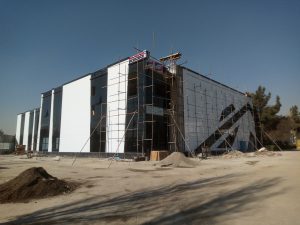
Curtain wall frameless design is a modern and sleek approach to constructing buildings. It is an exterior cladding system that does not require any visible frame or mullions, and instead relies on various attachment methods to hold the glass in place. Curtain wall systems are a popular choice for commercial buildings, high-rise structures, and even some residential projects.
Curtain walls were first introduced in the early 20th century and have since become a standard feature in modern architecture. Initially, they were designed to provide an extra layer of protection against the elements while still allowing natural light to enter the building. Over time, they evolved to incorporate a more decorative element, and glass became a key component in modern curtain wall design.
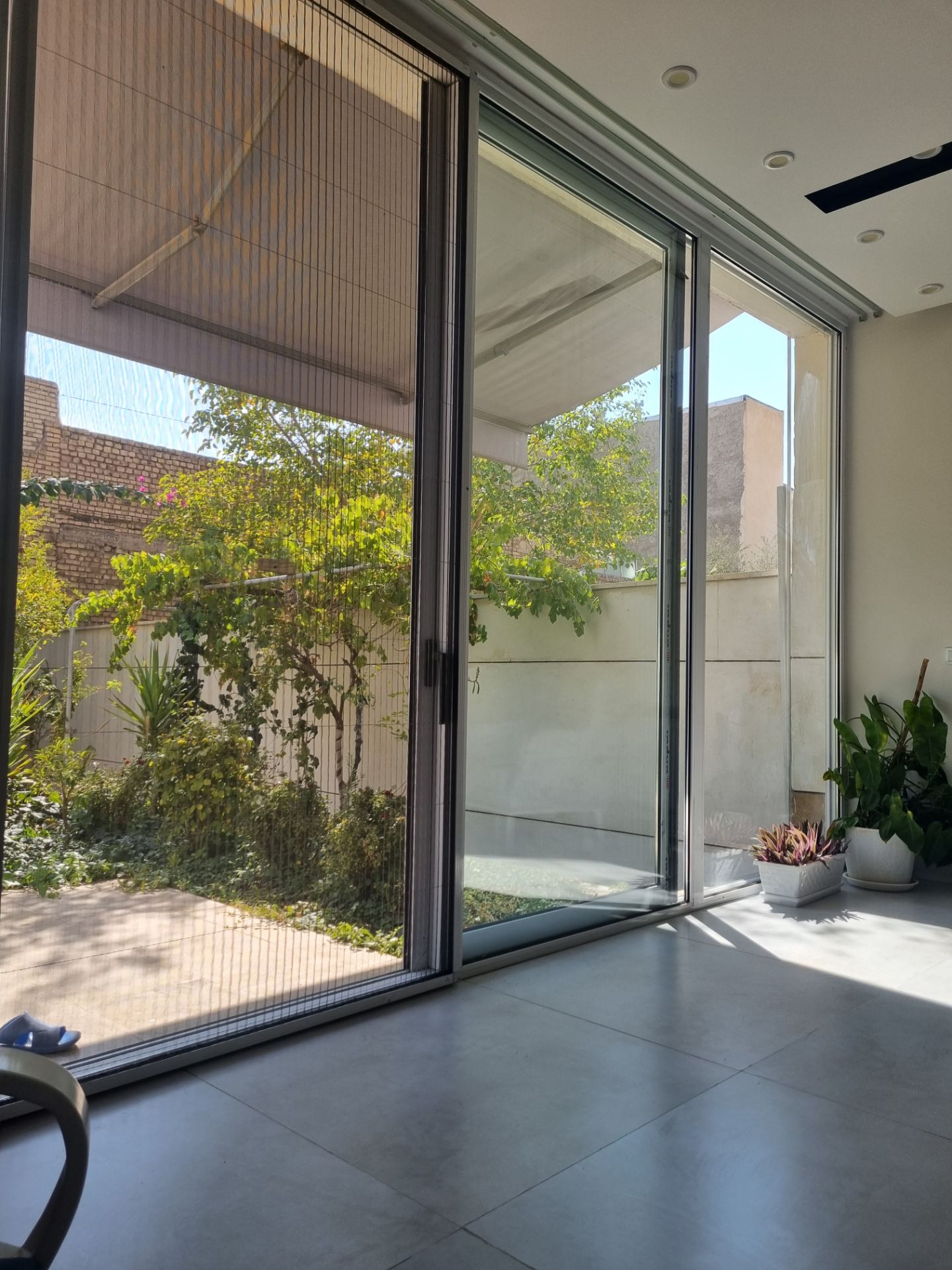
In traditional curtain wall systems, frames and mullions are used to support the glass panels. These components are often made of aluminum or steel and are visible from the exterior of the building. The frameless curtain wall design, on the other hand, eliminates the need for these components, resulting in a clean, seamless look that highlights the beauty of the glass panels.
One of the primary benefits of a frameless curtain wall design is the increased amount of natural light that enters the building. The lack of frames and mullions allows for more glass to be used, which means more natural light can penetrate the building’s interior. This not only creates a bright and airy environment, but it can also reduce energy costs by relying less on artificial lighting.
Another advantage of a frameless curtain wall design is the versatility it offers in terms of design. With traditional curtain wall systems, the frames and mullions limit the design options and can make the building appear boxy and uniform. With a frameless design, the architect has more freedom to create unique shapes and designs, resulting in a building that stands out from the crowd.
When it comes to the actual construction of a frameless curtain wall system, there are a few different attachment methods that can be used to hold the glass panels in place. These methods include spider fittings, point-supported glass, and cable-supported glass.
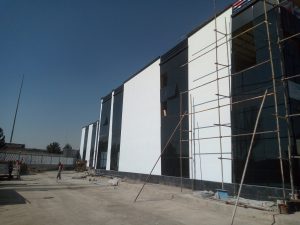
Spider fittings are a popular choice for frameless curtain wall systems because they allow for a minimal amount of hardware to be used. These fittings consist of a central spider that supports the glass panel and attaches to the building’s structure via bolts or anchors. Spider fittings can be customized to fit a variety of glass thicknesses and shapes, making them a versatile option for architects.
Point-supported glass, also known as structural glazing, uses a series of small brackets or clamps to hold the glass panels in place. These brackets or clamps are attached to the building’s structure and are virtually invisible from the exterior, resulting in a truly frameless design. Point-supported glass systems are ideal for large, expansive glass panels that require a high level of support.
Cable-supported glass systems use tension cables to support the glass panels. These cables are attached to the building’s structure at the top and bottom and run vertically along the sides of the glass panels. Cable-supported glass systems are a popular choice for buildings with irregular shapes or designs, as they can be easily customized to fit any configuration.
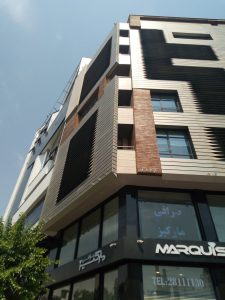
While frameless curtain wall systems offer many advantages, there are also some challenges to consider. One of the primary challenges is the cost of the materials and installation. Frameless curtain wall systems are typically more expensive than traditional systems due to the specialized hardware and glass required.
Another challenge is the maintenance required to keep the system functioning properly. Since the glass panels are not held in place by visible frames or mullions, there is a greater risk of damage from wind, rain, or other weather-related events. Regular maintenance and inspections are essential to ensure that the system remains secure and functional.
Finally, it’s important to consider the environmental impact of a frameless curtain wall system on the environment. While the increased natural light can reduce energy costs, the amount of glass used in these systems can also have a negative impact on the environment. Glass production is energy-intensive and can produce greenhouse gas emissions. Additionally, the high cost of these systems can make them less accessible to those looking to build sustainable and environmentally-friendly buildings.
To address these challenges, architects and developers can incorporate sustainable design principles into their frameless curtain wall systems. This can include using low-emissivity glass, which reflects heat and light to reduce energy consumption, and incorporating shading devices to reduce heat gain during the summer months.
Additionally, the use of recycled glass in the production of curtain wall systems can reduce the environmental impact of these systems. By using recycled materials, the demand for new glass production can be reduced, which can help to lower greenhouse gas emissions and reduce the environmental impact of these systems.
Conclusion
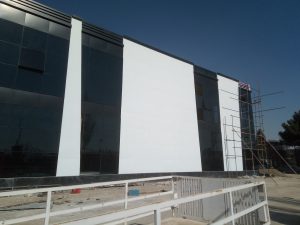
In conclusion, frameless curtain wall design offers a sleek and modern approach to building construction. It provides increased natural light, design versatility, and a clean aesthetic that can enhance any building. However, it is important to consider the challenges and environmental impact of these systems when making design and construction decisions. By incorporating sustainable design principles and using recycled materials, architects and developers can minimize the negative impact of frameless curtain wall systems and create sustainable and beautiful buildings for generations to come.
Finally, it’s worth noting that frameless curtain wall systems can also impact the indoor environment. While the increased natural light can create a bright and open atmosphere, it can also result in glare and heat gain, which can be uncomfortable for occupants. To address this, architects and developers can incorporate shading devices, such as louvers or brise-soleil, into the design of the curtain wall system. These devices can help to reduce glare and heat gain while still allowing natural light to enter the building.
Another consideration for the indoor environment is acoustics. Since frameless curtain wall systems do not have the same level of insulation as traditional wall systems, they can allow more outside noise to enter the building. To address this, acoustical treatments, such as insulated glass or sound-absorbing panels, can be incorporated into the design of the system.
Overall, frameless curtain wall design is a popular and stylish approach to building construction. It offers numerous benefits, including increased natural light and design versatility. However, it’s important to consider the challenges and environmental impact of these systems when making design and construction decisions. By incorporating sustainable design principles and addressing indoor environmental concerns, architects and developers can create beautiful and functional buildings that enhance the built environment for generations to come.

Leave A Comment