
Curtain wall system design
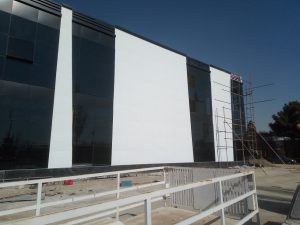
Curtain wall systems have become increasingly popular in modern building designs. They offer several advantages over traditional wall systems, including improved thermal performance, greater structural integrity, and better sound insulation. In this article, we will explore the basics of curtain wall system design, including materials, types, and installation.
What is a Curtain Wall System?
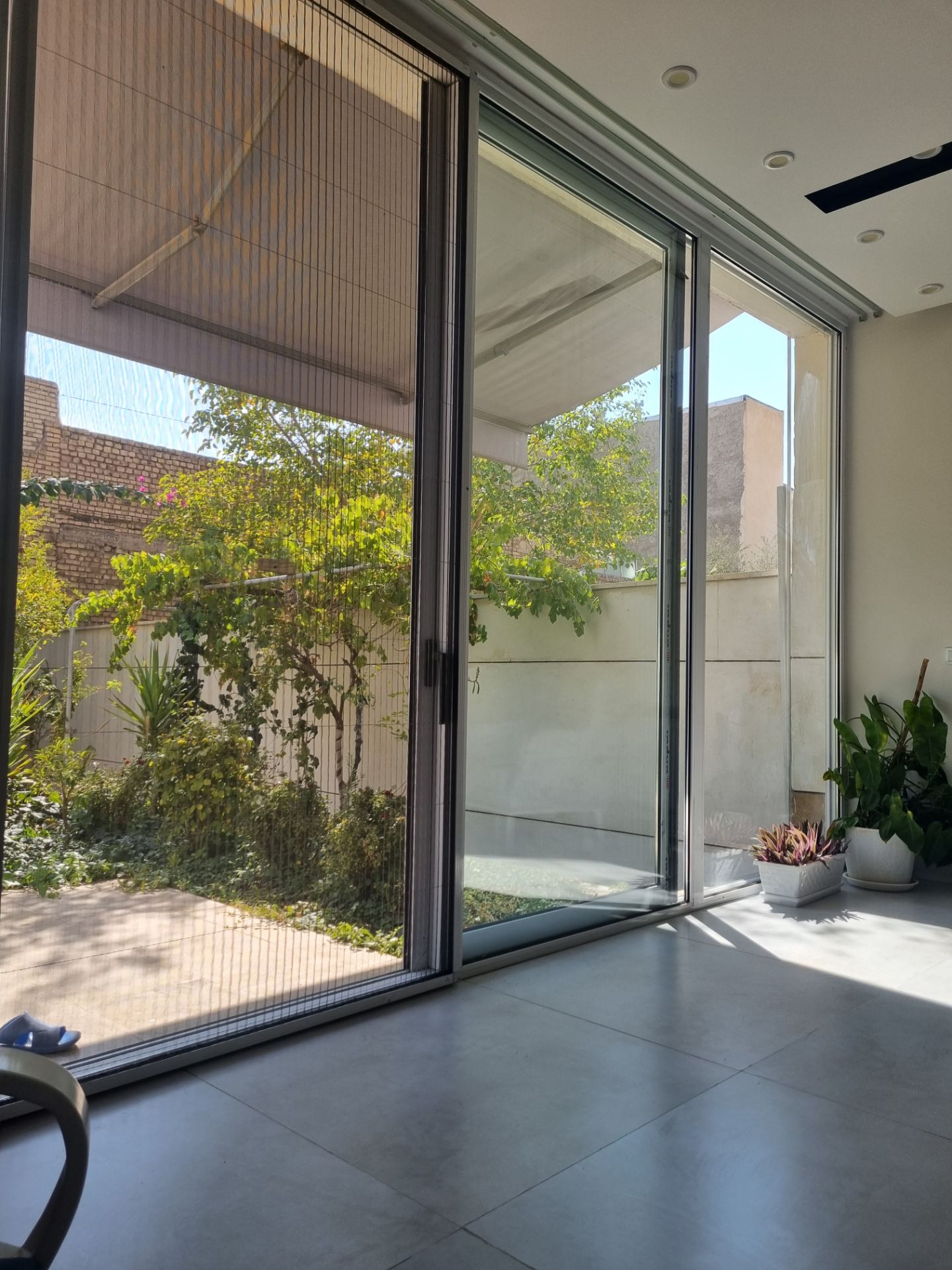
A curtain wall system is a non-structural, external building enclosure that consists of panels, mullions, and other components that are fixed to the building’s structural frame. Curtain walls are typically made of glass, metal, or stone and serve as a protective barrier against weather, wind, and other environmental elements.
Curtain wall systems can be classified into two main categories: stick-built and unitized systems. Stick-built systems are assembled on-site, with each component being installed one at a time. In contrast, unitized systems are pre-fabricated in a factory and shipped to the construction site for installation as complete units.
Curtain Wall Materials
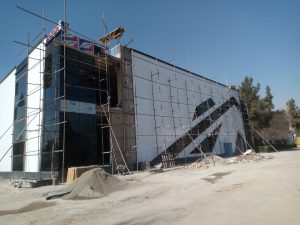
The choice of material for a curtain wall system will depend on various factors, including aesthetic considerations, performance requirements, and budget constraints. Some of the most common materials used in curtain wall systems include the following:
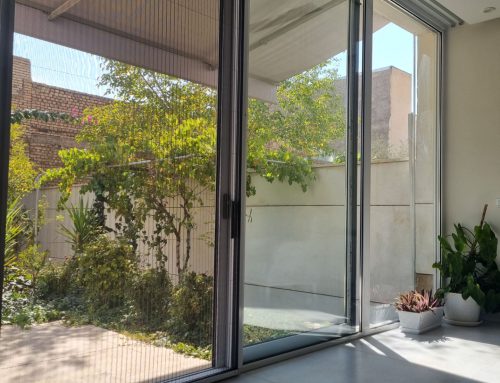
Glass: Glass is a popular choice for curtain walls because of its transparency and ability to let in natural light. It also offers excellent thermal performance and sound insulation. However, it is relatively expensive and requires careful handling and installation.
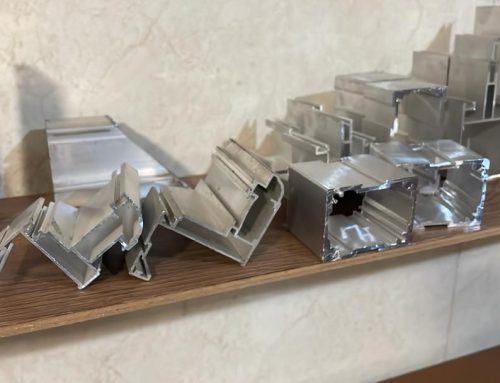
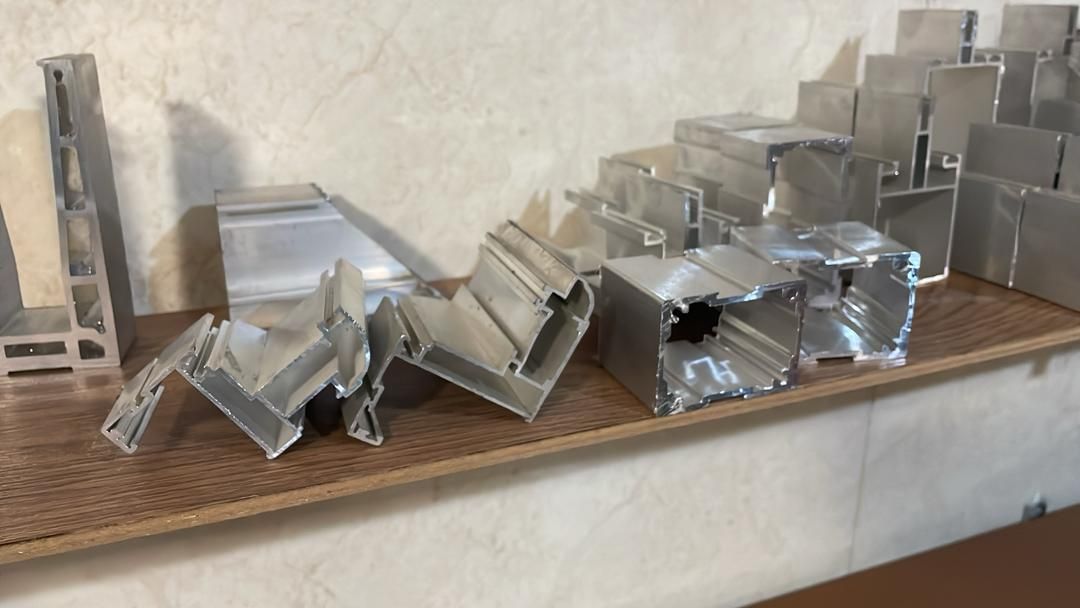
Aluminum: Aluminum is widely used in curtain walls due to its lightweight, durability, and ease of fabrication. It can also be finished in a range of colors and textures to match the building’s aesthetic.
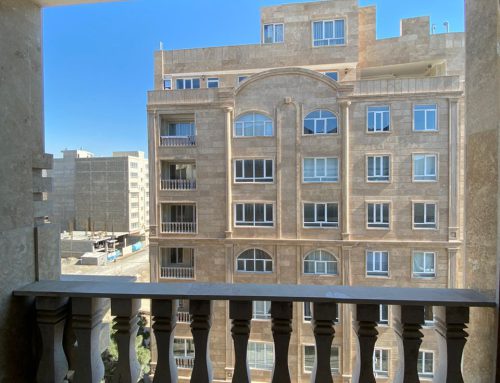
Stone: Stone is a high-end option for curtain walls and is often used in luxury buildings. It offers excellent durability and natural beauty, but it is also heavy and requires significant structural support.
Steel: Steel is another option for curtain walls, although it is less commonly used due to its weight and higher cost.
Types of Curtain Wall Systems
There are several types of curtain wall systems, each with its unique advantages and disadvantages. Some of the most common types of curtain walls include the following:
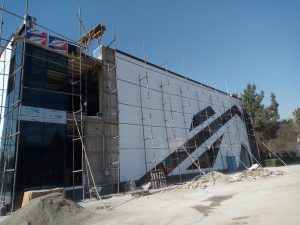
- Stick-built Curtain Walls
Stick-built curtain walls are assembled on-site, with each component being installed one at a time. They are typically used in low- to mid-rise buildings and offer greater design flexibility than pre-fabricated systems. However, they are more labor-intensive and can be time-consuming to install.
- Unitized Curtain Walls
Unitized curtain walls are pre-fabricated in a factory and shipped to the construction site as complete units. They are typically used in high-rise buildings and offer faster installation times and greater consistency in quality. However, they offer less design flexibility than stick-built systems.
- Semi-Unitized Curtain Walls
Semi-unitized curtain walls combine the benefits of both stick-built and unitized systems. They are partially pre-fabricated in a factory, with some components being assembled on-site. This allows for greater design flexibility while still offering faster installation times.
- Point-supported Glass Curtain Walls
Point-supported glass curtain walls are a type of curtain wall that uses point-fixings to support the glass panels. These fixings can be made of stainless steel or aluminum and are typically bolted or glued to the glass. Point-supported glass curtain walls offer excellent transparency and can create a striking visual effect. However, they are more expensive than other types of curtain walls and require careful design and engineering.
- Cable-supported Glass Curtain Walls
Cable-supported glass curtain walls use tensioned cables to support the glass panels. These cables are typically made of stainless steel and are anchored to the building’s structure. Cable-supported glass curtain walls offer a sleek, minimalist look and can be used in a variety of architectural styles. However, they require careful engineering and can be difficult to install.
- Double Skin Curtain Walls
Double skin curtain walls are a type of curtain wall that consists of two layers of glass, with a cavity between them. The cavity can be filled with air or an insulating material, providing improved thermal performance. Double skin curtain walls are often used in high-performance buildings and can offer significant energy savings. However, they are more expensive than other types of curtain walls and require careful design and engineering.
Installation of Curtain Wall Systems
The installation of curtain wall systems requires careful planning and coordination between the design team, the manufacturer, and the construction team. The following are some of the key considerations when installing curtain wall systems:
- Structural Support: Curtain walls are not structural components and require significant structural support from the building’s frame. The structural support must be designed and engineered to withstand the loads imposed by the curtain wall system.
- Water Management: Curtain walls must be designed to prevent water from penetrating the building envelope. This requires careful detailing and installation of sealants, gaskets, and flashing.
- Thermal Performance: Curtain walls can have a significant impact on the building’s thermal performance. The system must be designed to minimize thermal bridging and provide adequate insulation.
- Acoustic Performance: Curtain walls can also affect the building’s acoustic performance. The system must be designed to provide adequate sound insulation to prevent noise from entering the building.
- Safety: Curtain wall systems must be installed in accordance with local building codes and safety regulations. This includes providing adequate fall protection for workers during installation.
Conclusion
Curtain wall systems have become an increasingly popular choice for modern building designs due to their aesthetic appeal, structural integrity, and performance benefits. The choice of materials and type of system will depend on various factors, including aesthetic considerations, performance requirements, and budget constraints. The installation of curtain wall systems requires careful planning and coordination between the design team, the manufacturer, and the construction team. By considering these factors, architects and builders can create stunning and high-performance buildings that meet the needs of their clients and occupants.
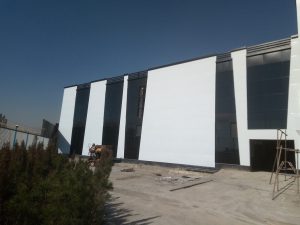
In conclusion, curtain wall systems are an excellent choice for modern building designs due to their many advantages. They provide not only an aesthetically pleasing exterior but also improved structural integrity, thermal performance, and sound insulation. The choice of materials and type of system will depend on various factors, including budget, performance requirements, and design preferences. However, careful planning, design, and installation can lead to a successful outcome, resulting in high-performance buildings that meet the needs of their occupants and contribute to a sustainable future.

Leave A Comment