
Curtain wall design facade
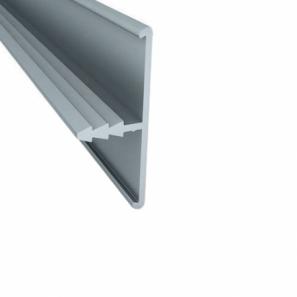
Curtain wall design facades have been a popular choice in modern architectural design for the past several decades. These facades are essentially a non-structural outer covering that is hung on the building’s structure and are typically made up of glass, metal, or stone panels. In this article, we will take a closer look at curtain wall design facades, their history, benefits, and challenges.
History of Curtain Wall Design Facades:
The term curtain wall was first coined by architect Louis Curtiss in the early 20th century, and the design concept became popular in the 1930s. However, it was not until the 1950s and 1960s that curtain wall design facades started to gain popularity, especially in commercial buildings. The first curtain wall design facades were made of steel and glass, but today they can be made from a variety of materials, including aluminum, stone, and composite panels.
Benefits of Curtain Wall Design Facades:
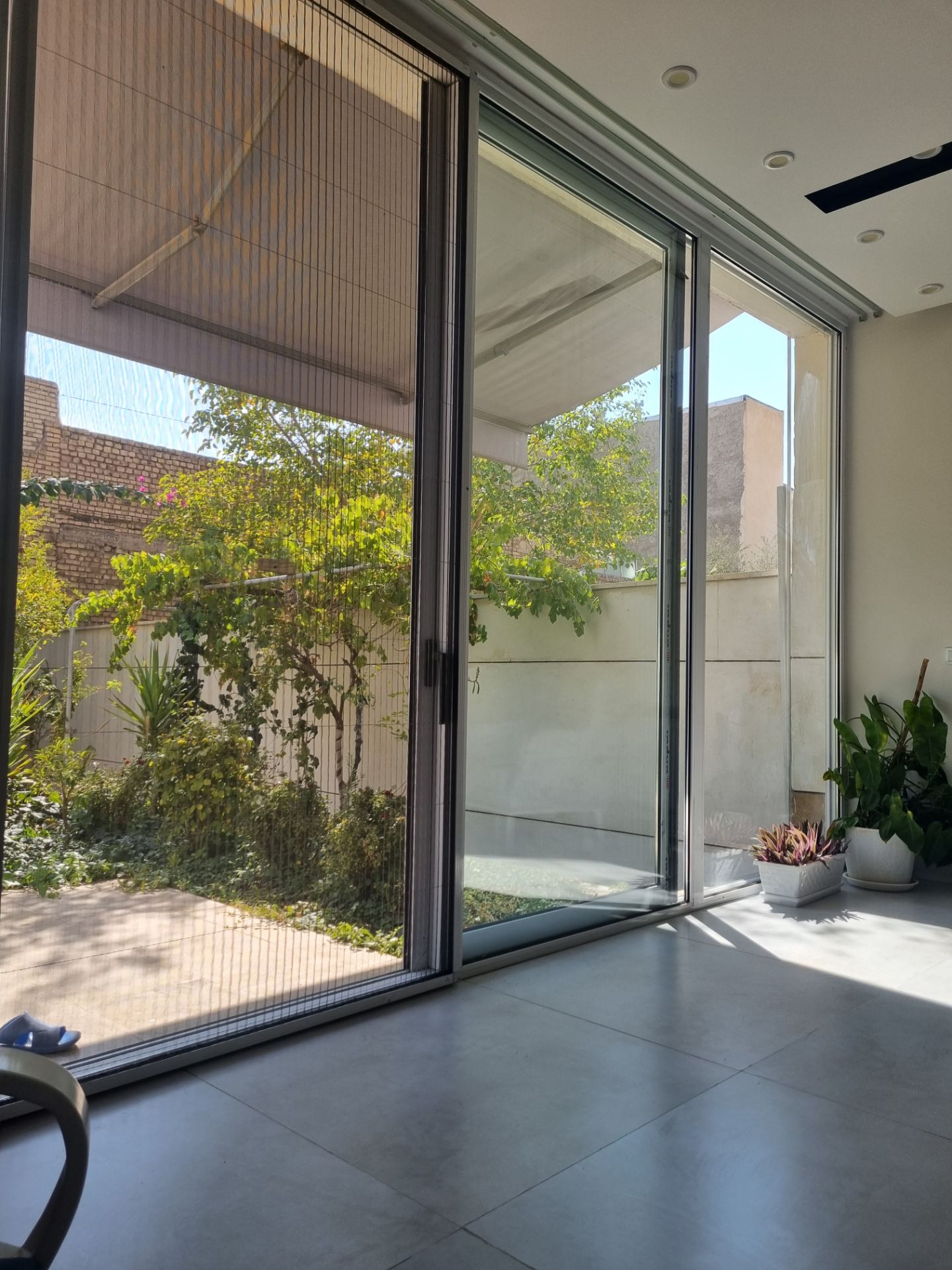
One of the main benefits of curtain wall design facades is their aesthetic appeal. The use of glass, metal, and stone can create a sleek and modern appearance, which is desirable for many architects and building owners. Additionally, curtain wall design facades allow for natural light to enter the building, which can reduce the need for artificial lighting and help save energy costs.
Another benefit of curtain wall design facades is that they are typically more efficient than traditional building envelopes. Curtain wall design facades are made of materials that are designed to insulate the building, which can help regulate indoor temperatures and reduce the need for heating and cooling. Additionally, the use of curtain wall design facades can help prevent air and water leaks, which can help increase the longevity of the building.
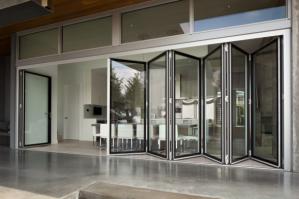
Challenges of Curtain Wall Design Facades:
One of the main challenges of curtain wall design facades is their cost. Curtain wall design facades are typically more expensive than traditional building envelopes, and they can be even more expensive when made from high-quality materials, such as glass or stone. Additionally, the installation process for curtain wall design facades can be complex, which can add to the overall cost of the project.
Another challenge of curtain wall design facades is their maintenance. The materials used in curtain wall design facades require regular cleaning and maintenance to keep them looking their best. Additionally, if a panel becomes damaged, it can be difficult to replace, especially if the panel is located on a higher floor.
Design Considerations:
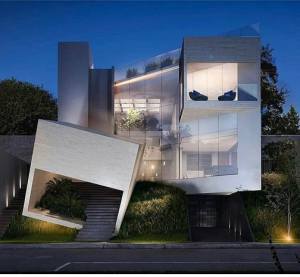
When designing a curtain wall design facade, there are several important considerations to keep in mind. First, it is important to consider the local climate and environmental factors, such as wind, rain, and temperature fluctuations. The design of the facade should be able to withstand these elements and maintain its structural integrity.
Another important consideration is the aesthetic appeal of the facade. The design should be visually appealing and fit with the overall style of the building. Additionally, it is important to consider the purpose of the building and the intended use of the space. For example, a commercial building may require more natural light to create an inviting environment for customers.
Finally, it is important to consider the materials used in the facade. The materials should be durable, energy-efficient, and easy to maintain. Additionally, the materials should be able to withstand the forces of nature and the wear and tear of daily use.
Conclusion:
Curtain wall design facades have become a popular choice in modern architectural design due to their aesthetic appeal, energy efficiency, and durability. While they do come with their own set of challenges, such as cost and maintenance, the benefits of curtain wall design facades often outweigh the drawbacks. When designing a curtain wall design facade, it is important to consider the local climate, the aesthetic appeal, and the materials used in the facade to ensure that it is both functional and visually appealing. With careful planning and consideration, a curtain wall design facade can be a valuable addition to any building.
As technology and materials continue to advance, the possibilities for curtain wall design facades will only continue to expand. New materials and design techniques are emerging that offer increased energy efficiency and durability, while also providing unique visual effects. As such, it is important for architects and building owners to stay up-to-date with the latest trends and innovations in curtain wall design facades to ensure that they are making the most informed decisions when designing or renovating a building.
In conclusion, curtain wall design facades offer many benefits for modern buildings, including energy efficiency, durability, and aesthetic appeal. While they do come with their own set of challenges, with careful planning and consideration, these challenges can be overcome. As technology and materials continue to evolve, it is important to stay up-to-date with the latest innovations to ensure that your curtain wall design facade is as functional and visually appealing as possible.

Leave A Comment