
Curtain wall design architecture
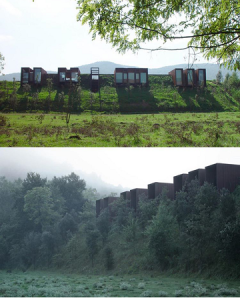
Curtain wall design architecture is a modern approach to building construction that is gaining popularity in the architecture world. It is a non-structural exterior wall system that is designed to protect the building from the outside environment. The curtain wall system is made up of glass, aluminum, or other lightweight materials that are attached to the building’s structure. The system has been used in high-rise buildings, commercial buildings, and other structures.
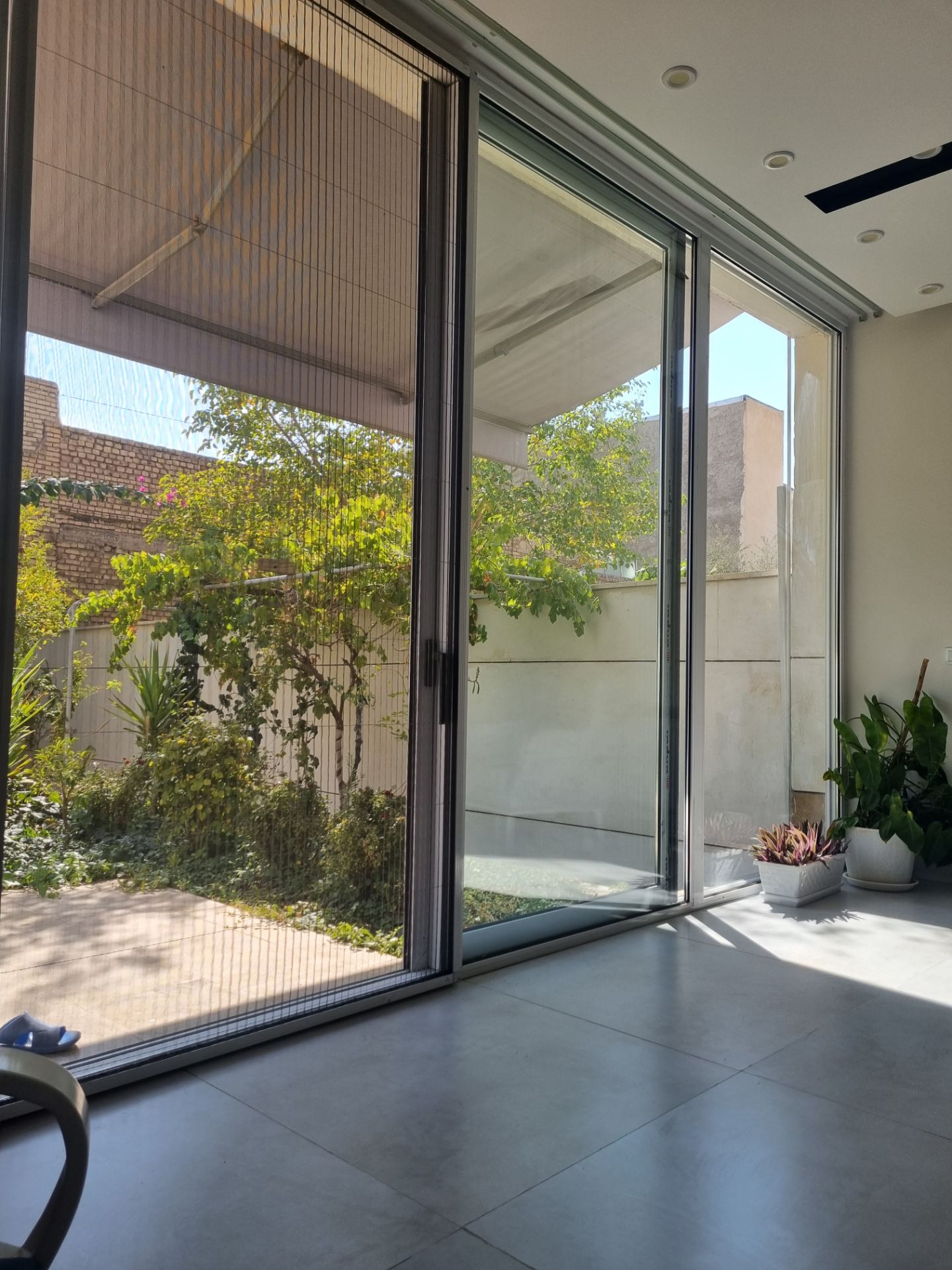
The curtain wall system is designed to provide several benefits to the building. The system is designed to be energy-efficient, which means it can help to reduce the building’s energy costs. The system can also be designed to allow natural light into the building, which can reduce the need for artificial lighting. The curtain wall system can also be designed to provide an aesthetic appeal to the building. The system can be designed to be transparent, which can provide views of the outside environment. The system can also be designed to be opaque, which can provide privacy to the building’s occupants.
The design of a curtain wall system requires careful consideration of several factors. The design should be based on the building’s location, climate, and orientation. The design should also be based on the building’s use and the building’s structural requirements. The design should also take into consideration the cost of the system and the system’s maintenance requirements.
One of the key considerations in curtain wall design architecture is the use of materials. The choice of materials can have a significant impact on the system’s performance and durability. The most commonly used materials for curtain wall systems are glass and aluminum.
Glass is a popular choice for curtain wall systems because it provides a transparent barrier between the inside and outside of the building. Glass can also be designed to be energy-efficient by using low-E coatings or by using double or triple glazing. Glass can also be designed to provide thermal insulation, which can help to reduce the building’s energy costs.
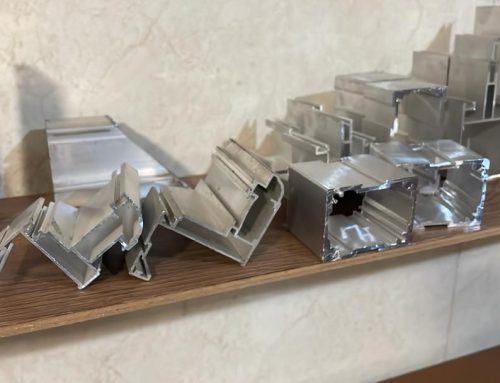
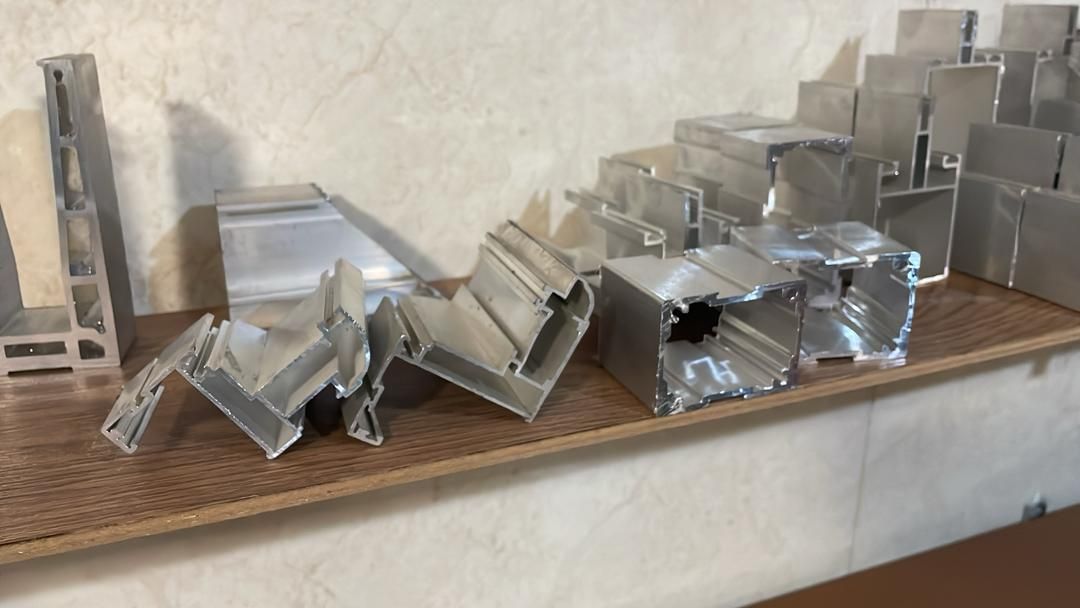
Aluminum is another popular choice for curtain wall systems because it is lightweight, durable, and easy to install. Aluminum can also be designed to provide thermal insulation by using thermal breaks, which can help to reduce the building’s energy costs. Aluminum can also be designed to provide an aesthetic appeal to the building by using different colors and finishes.
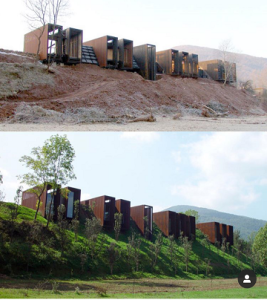
The design of a curtain wall system should also take into consideration the system’s performance in different weather conditions. The system should be designed to withstand wind loads, snow loads, and seismic loads. The system should also be designed to prevent water infiltration, which can cause damage to the building’s interior. The system should also be designed to prevent air infiltration, which can cause energy loss.
The design of a curtain wall system should also take into consideration the system’s maintenance requirements. The system should be designed to be easy to clean and maintain. The system should also be designed to be durable and long-lasting. The system should also be designed to be easy to repair if it becomes damaged.
The design of a curtain wall system should also take into consideration the system’s cost. The cost of the system should be considered in relation to the building’s overall budget. The cost of the system should also be considered in relation to the system’s performance and durability. The cost of the system should also be considered in relation to the system’s maintenance requirements.
The design of a curtain wall system should also take into consideration the system’s impact on the environment. The system should be designed to be energy-efficient, which can help to reduce the building’s carbon footprint. The system should also be designed to be recyclable, which can help to reduce waste.
In conclusion, curtain wall design architecture is a modern approach to building construction that is gaining popularity in the architecture world. The system is designed to provide several benefits to the building, including energy efficiency, natural light, and an aesthetic appeal. The design of a curtain wall system should take into consideration several factors, including the use of materials, performance in different weather conditions, maintenance requirements, cost, and environmental impact.
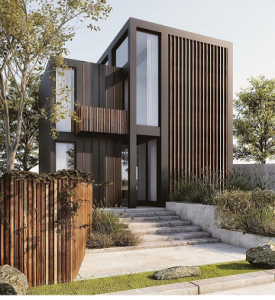
The use of advanced technology and innovative design techniques have allowed for the creation of unique and complex curtain wall systems. These systems can incorporate a range of features, such as shading devices, photovoltaic panels, and dynamic facades, which enhance the system’s performance and aesthetic appeal.
Moreover, curtain wall systems have also been used to create iconic buildings that have become landmarks in their cities, such as the Burj Khalifa in Dubai, the Shard in London, and the Marina Bay Sands in Singapore. These buildings showcase the potential of curtain wall design architecture to create structures that are not only functional but also visually stunning.
However, the use of curtain wall systems also presents some challenges. The systems can be susceptible to issues such as water infiltration, air infiltration, and thermal bridging. These issues can compromise the system’s performance and durability and lead to increased energy costs and maintenance requirements.
Therefore, it is crucial to ensure that the design and installation of the curtain wall system are carried out by experienced professionals who can address these challenges and ensure the system’s proper functioning.
Conclusion
In conclusion, curtain wall design architecture is a promising approach to building construction that offers several benefits to the building, including energy efficiency, natural light, and aesthetic appeal. The design of a curtain wall system should consider several factors, including the use of materials, performance in different weather conditions, maintenance requirements, cost, and environmental impact. While the use of curtain wall systems presents some challenges, these can be addressed through advanced technology and innovative design techniques and the expertise of professionals in the field. With careful consideration and proper implementation, curtain wall design architecture can contribute to the creation of sustainable and visually stunning buildings.

Additionally, curtain wall design architecture has also become an important aspect in achieving sustainable building design and green building certification. The system’s energy-efficient properties, ability to incorporate renewable energy sources, and use of recyclable materials can help to reduce the building’s carbon footprint and contribute to a healthier environment.
Several green building certification programs, such as LEED and BREEAM, recognize the benefits of curtain wall design architecture and provide credits for its incorporation in building design. These programs encourage the use of sustainable building practices and help to promote awareness and adoption of sustainable design principles.
Moreover, the use of curtain wall systems can also improve the indoor environmental quality of the building. The system’s ability to provide natural light and views to the outside environment can contribute to the occupants’ well-being and productivity.
In terms of future developments, advancements in technology and materials are expected to further enhance the performance and design of curtain wall systems. For example, the use of smart glass technology, which can change its opacity in response to the environment, can enhance the system’s energy efficiency and reduce the need for shading devices. The development of new materials, such as bio-based materials and nanomaterials, can also contribute to the creation of sustainable and innovative curtain wall systems.
In conclusion, curtain wall design architecture is an innovative and promising approach to building construction that offers several benefits, including energy efficiency, aesthetic appeal, and sustainability. The design of a curtain wall system requires careful consideration of several factors, including materials, performance, maintenance, cost, and environmental impact. With proper implementation and the expertise of professionals in the field, curtain wall design architecture can contribute to the creation of sustainable and visually stunning buildings. The continued development of technology and materials is expected to further enhance the performance and design of curtain wall systems, making them an essential element in achieving sustainable building design.

Leave A Comment