
Curtain wall building design
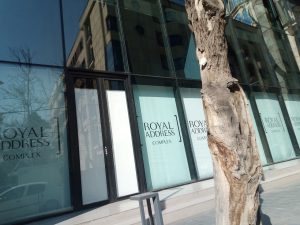
Curtain wall building design is a popular approach to constructing modern buildings. A curtain wall refers to the outer layer of a building, which does not support any weight and is instead designed to protect the interior from external elements. In this article, we will explore the concept of curtain wall building design, its benefits, and its challenges.
What is a Curtain Wall?
A curtain wall is a non-structural layer of a building that is made up of glass, metal, or other materials. It is designed to protect the interior of the building from weather elements, noise, and pollution while allowing natural light to enter. The term “curtain wall” is derived from the idea of a curtain hanging in front of a window, and it is used to describe the facade of a building that covers the structural frame.
The Benefits of Curtain Wall Building Design
One of the primary benefits of curtain wall building design is its aesthetic appeal. Curtain walls can be designed in a variety of shapes, sizes, and materials, allowing architects to create unique and visually striking buildings. This flexibility in design is particularly useful for commercial and office buildings, where an impressive exterior can help attract tenants and clients.
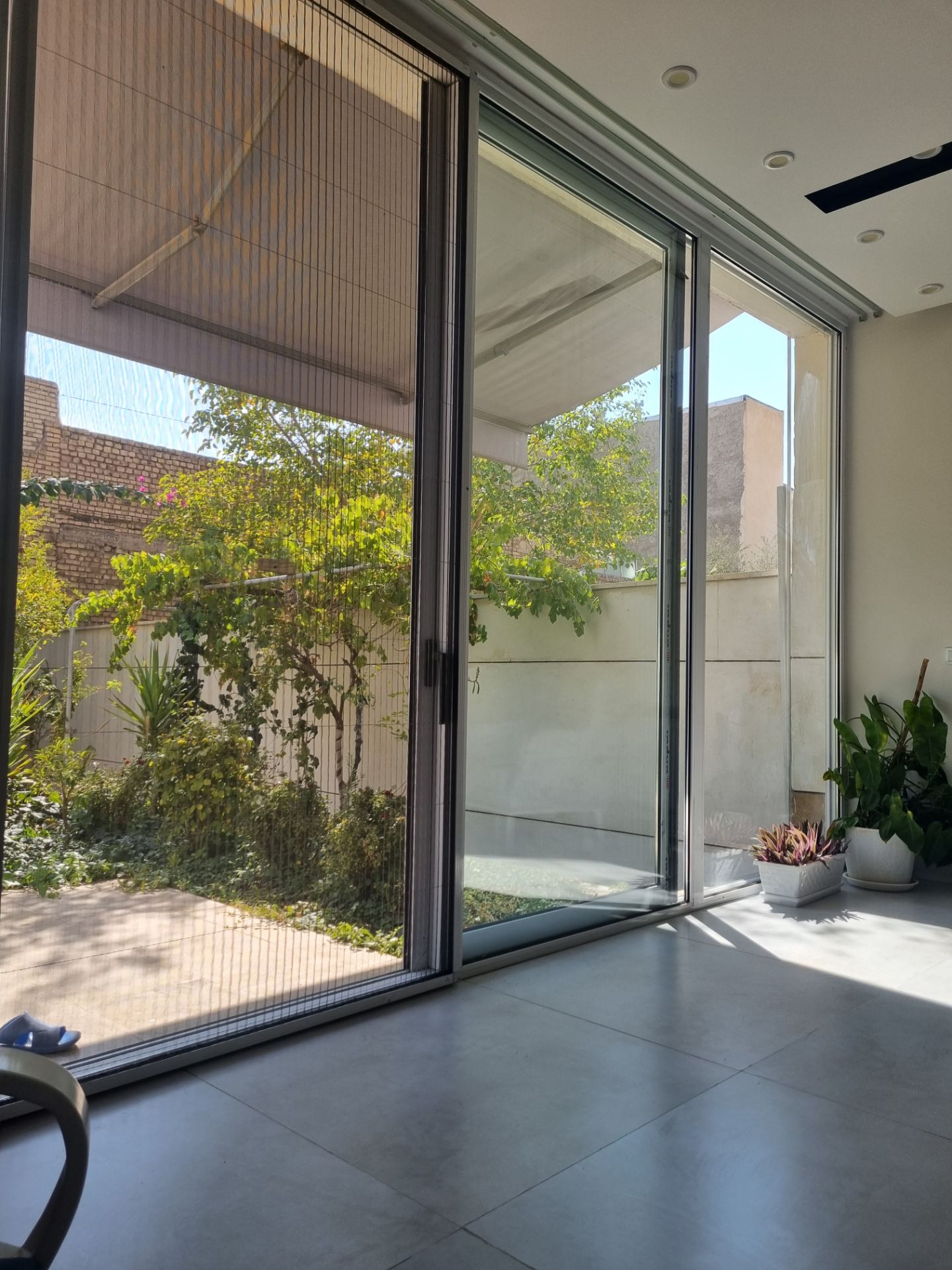
Another benefit of curtain wall building design is the increased natural light it provides. Traditional building facades often feature small windows, which can lead to dark and gloomy interiors. In contrast, curtain walls allow for large expanses of glass that flood the interior with natural light. This not only enhances the visual appeal of the building but also has numerous health benefits for occupants, including increased productivity and reduced stress levels.
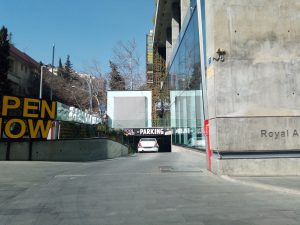
Curtain wall building dsign is also energy-efficient. By using high-performance glass and insulating materials, curtain walls can reduce the amount of energy required to heat and cool the building. This can lead to significant cost savings on utility bills and is an important consideration in today’s environmentally conscious world.
Challenges of Curtain Wall Building Design
Despite its many benefits, curtain wall building design also presents challenges. One of the primary concerns is the potential for air leakage. Because curtain walls are not structural, they must be sealed to prevent air infiltration. However, over time, seals can become damaged or degraded, leading to air leaks that can reduce the energy efficiency of the building and compromise indoor air quality.
Another challenge of curtain wall building design is the potential for water infiltration. Because curtain walls are designed to protect the interior of the building from external elements, they must be able to withstand rain, snow, and other forms of precipitation. If the seals on the curtain wall are not properly maintained, water can seep through and damage the interior of the building.
Finally, curtain wall building design can be expensive. The cost of materials and installation can be higher than that of traditional building facades, and the ongoing maintenance and repair costs can also be significant. However, the long-term benefits of curtain wall building design can often outweigh the initial costs.
Types of Curtain Wall Systems
There are several different types of curtain wall systems, each with its own unique advantages and disadvantages. The most common types of curtain wall systems include stick-built, unitized, and semi-unitized systems.
Stick-built systems are the most traditional type of curtain wall system. In this system, individual components are assembled on-site, including the framing, glass, and other materials. While stick-built systems offer the greatest flexibility in terms of design, they can be time-consuming and labor-intensive to install.
Unitized systems, on the other hand, are pre-fabricated off-site and then assembled on-site. The framing, glass, and other components are pre-assembled into large panels, which are then attached to the building’s structural frame. Unitized systems offer faster installation times and higher quality control, but they may be less flexible in terms of design.
Semi-unitized systems are a hybrid of stick-built and unitized systems. In this system, some components are pre-fabricated off-site, while others are assembled on-site. This allows for greater flexibility in design while still offering some of the benefits of a pre-fabricated system.
Choosing the Right Curtain Wall System
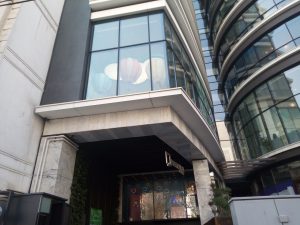
When selecting a curtain wall system for a building, it is important to consider a variety of factors, including cost, performance, and aesthetic appeal. The right system will depend on the specific needs of the building and the preferences of the owner and architect.
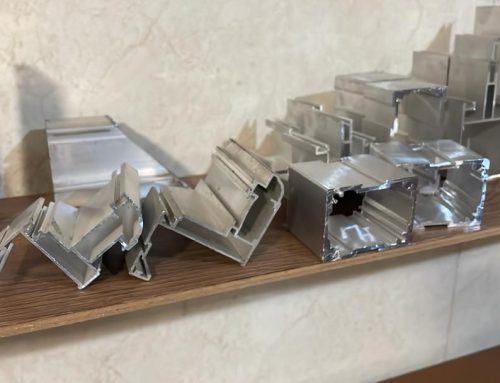
In addition to the type of system, other factors to consider include the type of glass used, the framing material, and the thermal performance of the system. High-performance glass and insulation can help improve energy efficiency and reduce heating and cooling costs.
Maintenance and Repair
Proper maintenance and repair of a curtain wall system are essential for ensuring its long-term performance. Regular inspections can help identify potential issues such as air or water leaks, which can be addressed before they cause significant damage. Sealants and gaskets should be inspected and replaced as necessary to ensure the system remains watertight and airtight.
In the event of damage or wear and tear, repairs should be made promptly to prevent further damage and maintain the integrity of the system. If repairs are not possible or cost-effective, it may be necessary to replace the entire curtain wall system.
Conclusion
Curtain wall building design is a popular approach to constructing modern buildings that offers numerous benefits, including aesthetic appeal, natural light, and energy efficiency. However, it also presents challenges, including air and water infiltration and maintenance and repair costs. By selecting the right type of system, choosing high-performance materials, and properly maintaining and repairing the system, owners and architects can ensure the long-term performance and durability of their curtain wall building design.
Overall, curtain wall building design is a versatile and innovative approach to constructing modern buildings. It offers numerous benefits, including improved aesthetic appeal, energy efficiency, and occupant health and well-being. However, it also presents challenges that must be carefully considered and addressed to ensure the long-term performance and durability of the system.
As technology and materials continue to evolve, curtain wall building design is likely to become even more popular and innovative in the future. Advances in materials science, automation, and digital design tools are already making it possible to create increasingly complex and sophisticated curtain wall systems that offer even greater levels of performance and functionality.
If you are considering a curtain wall system for your building, it is important to work with experienced architects and contractors who can help guide you through the process and ensure that you select the right system for your specific needs and budget. With the right approach and attention to detail, a curtain wall building design can offer a beautiful and functional solution for modern building construction.

Leave A Comment