
Curtain wall design facade
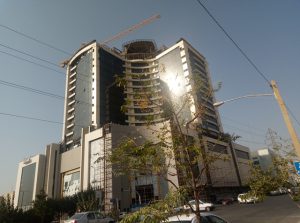
A curtain wall is a non-structural exterior wall that is typically made of glass, metal, or stone. It is designed to provide a barrier against the elements while allowing natural light to enter a building. Curtain wall design has become an essential aspect of modern architecture. In this article, we will explore the importance of curtain wall design and the different facade options available.
The Importance of Curtain Wall Design
Curtain wall design is a critical element in modern architecture. The design of the curtain wall affects the energy efficiency, aesthetics, and functionality of a building. The curtain wall is the first line of defense against external forces such as wind, rain, and temperature. It must be designed to withstand these forces while maintaining its structural integrity.
The design of the curtain wall also affects the energy efficiency of the building. The curtain wall can provide insulation, reduce heat gain, and regulate the temperature of a building. The design of the curtain wall must consider these factors to create an energy-efficient building.
Lastly, the curtain wall design can affect the aesthetics and functionality of a building. The curtain wall can be designed to provide natural light, views, and privacy. The design can also affect the interior space of a building by creating an open or closed environment.
Facade Options
There are several facade options available for curtain wall design. The most common options are glass, metal, and stone.
Glass Facade
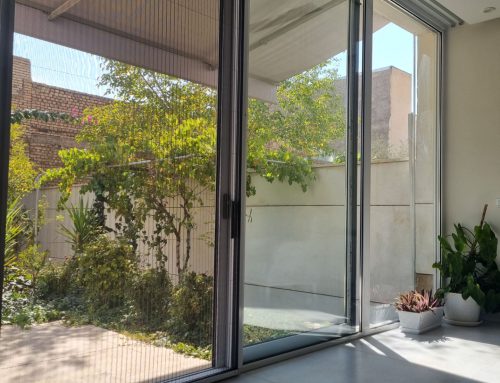
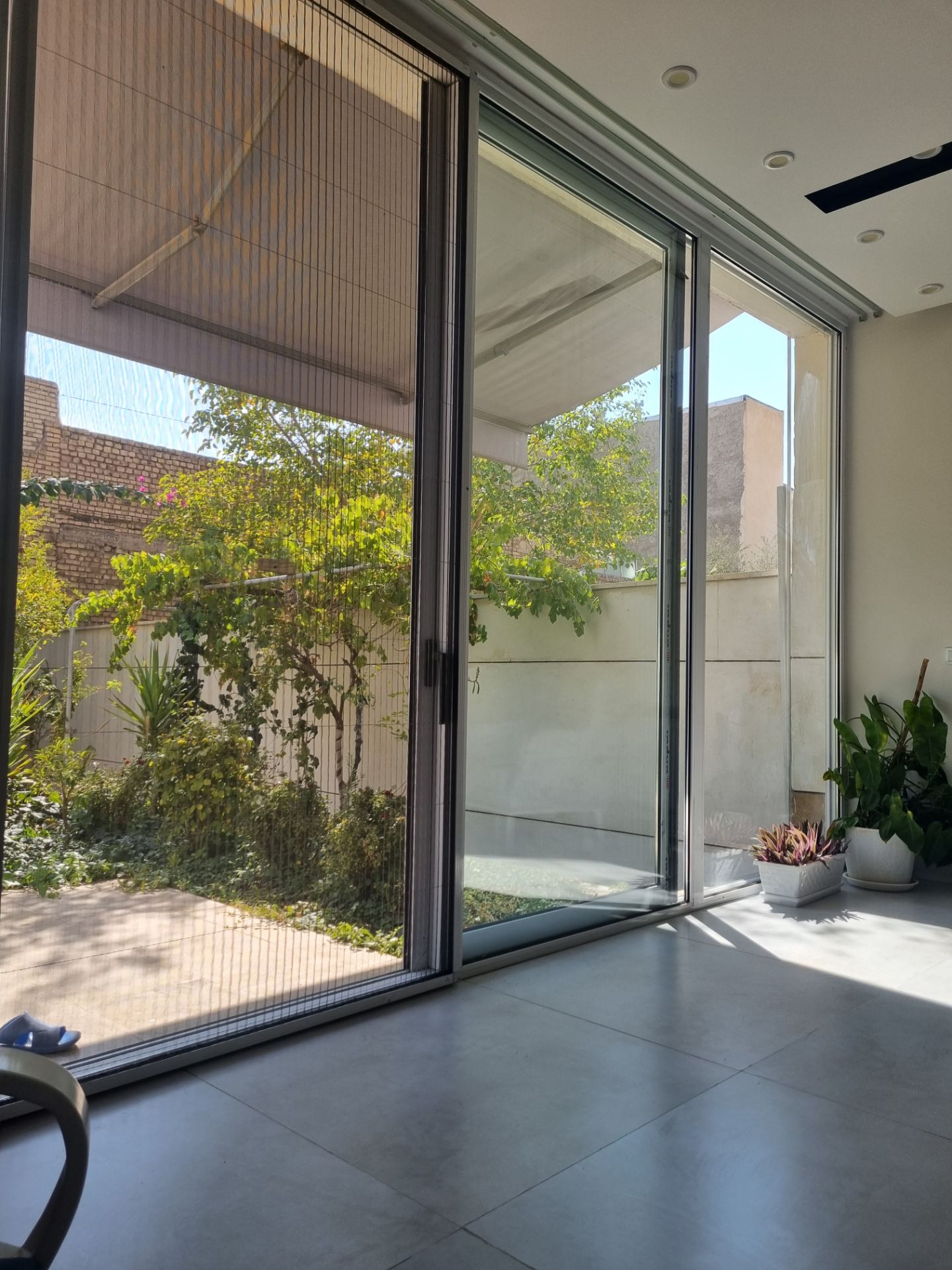
Glass facades are a popular choice for modern architecture. The use of glass in curtain wall design provides natural light and a modern aesthetic. Glass facades can be clear, tinted, or reflective. Clear glass provides an unobstructed view, while tinted glass reduces heat gain and glare. Reflective glass provides privacy and reduces heat gain.
Glass facades can also be designed with different types of glass, such as laminated glass or tempered glass. Laminated glass is made by sandwiching a layer of plastic between two layers of glass. This type of glass provides safety and security by holding together when shattered. Tempered glass is heat-treated to increase its strength and resistance to impact. This type of glass is often used in areas with high wind loads.
Metal Facade
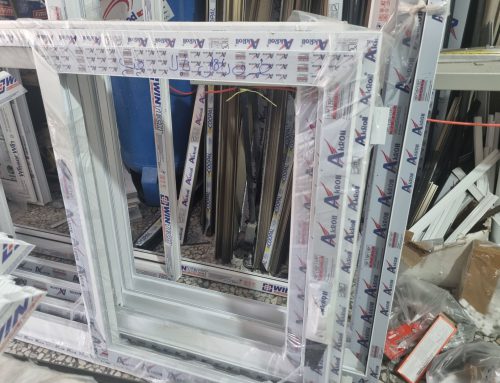
Metal facades are also a popular choice for curtain wall design. Metal facades can be made of aluminum, steel, or titanium. Metal facades provide durability, strength, and a modern aesthetic. Metal facades can be designed with different types of finishes, such as brushed, polished, or anodized.
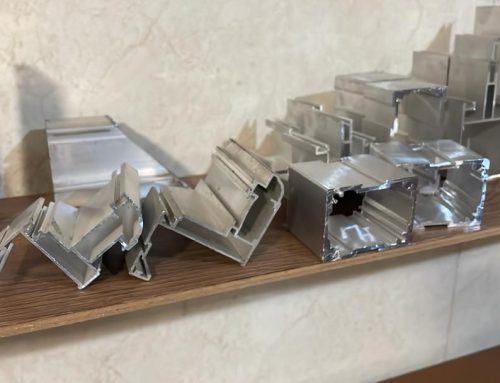
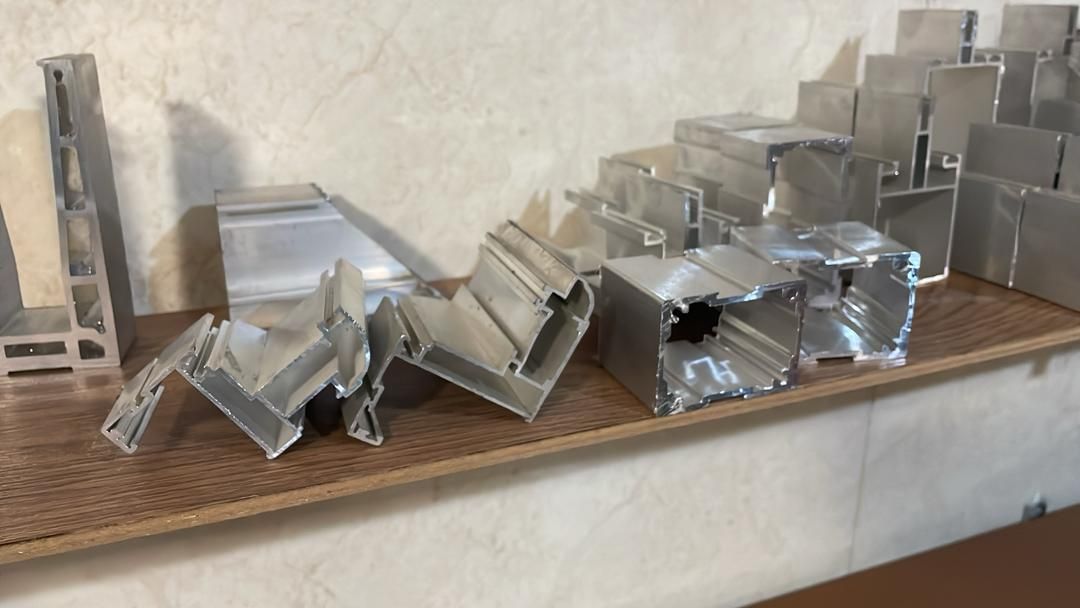
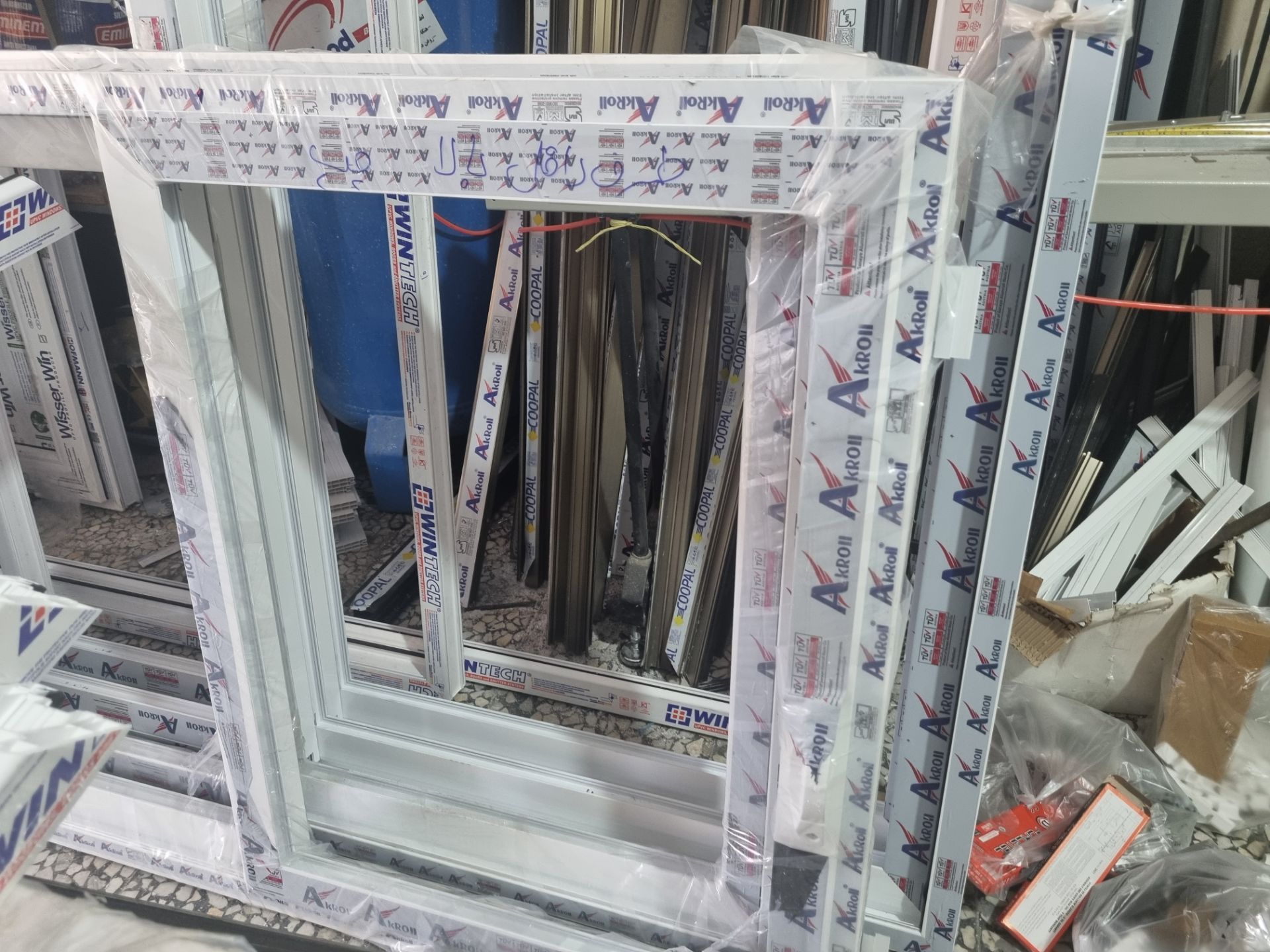
Aluminum is the most common material used in metal facades. Aluminum is lightweight, durable, and corrosion-resistant. Aluminum facades can be designed with different profiles and sizes to create a unique facade. Steel is a stronger material than aluminum but is heavier and more expensive. Titanium is a rare material that provides strength and durability but is also expensive.
Stone Facade
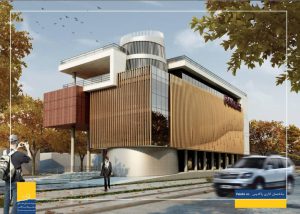
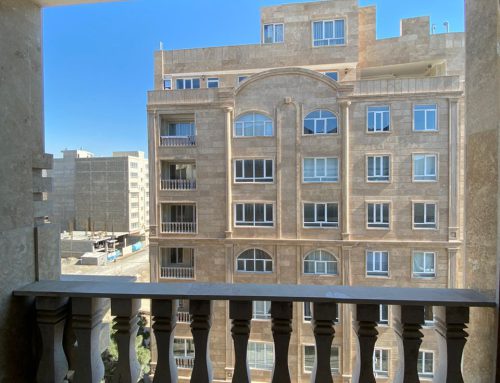
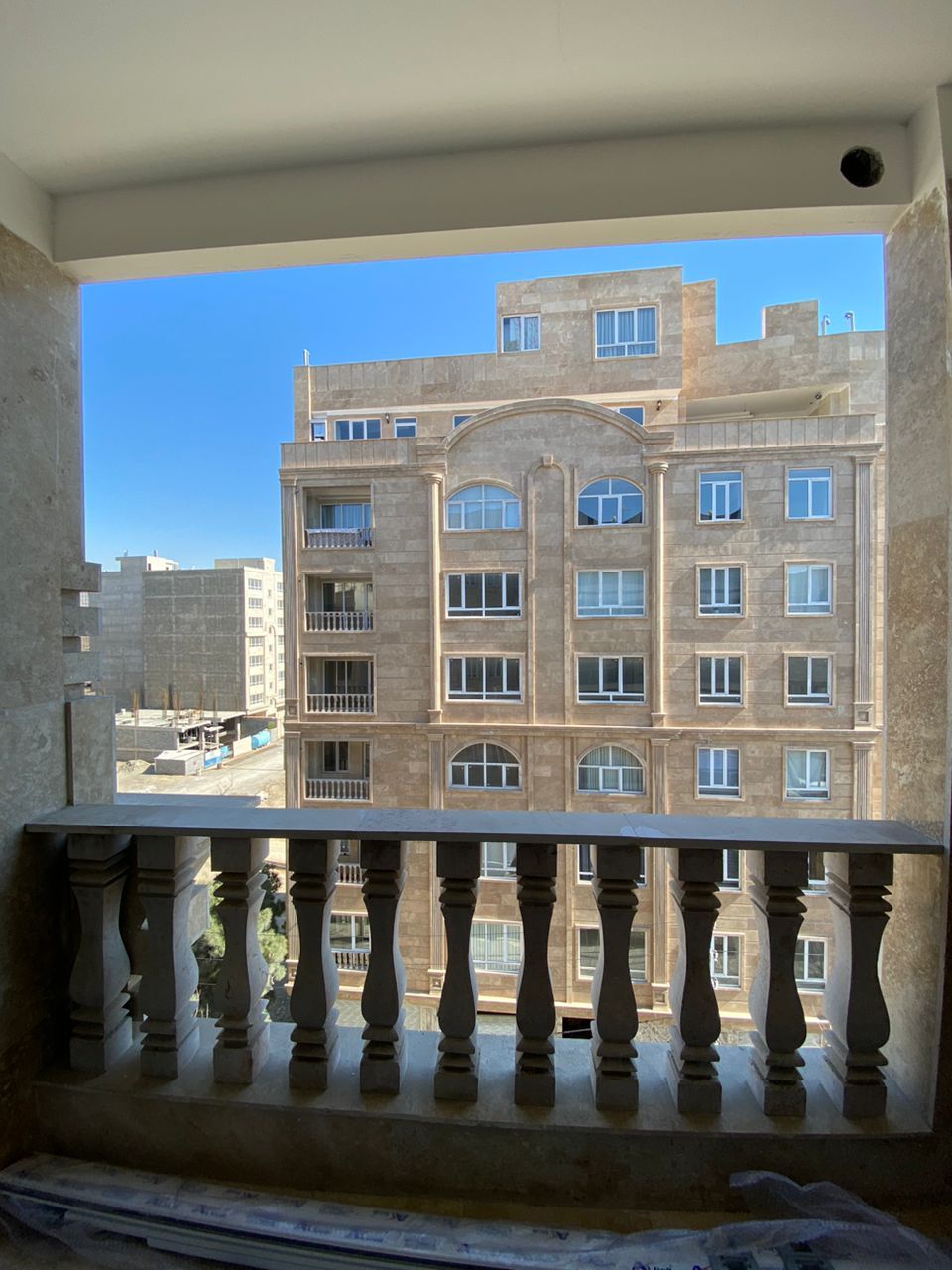
Stone facades are less common in curtain wall design but can provide a unique aesthetic. Stone facades can be made of granite, marble, limestone, or sandstone. Stone facades provide durability, strength, and a natural aesthetic. Stone facades can be designed with different finishes, such as polished, honed, or rough.
Granite is a popular material used in stone facades. Granite is a durable and strong material that provides a unique texture and pattern. Marble is a luxurious material that provides a smooth and elegant finish. Limestone is a natural material that provides a warm and earthy aesthetic. Sandstone is a durable material that provides a natural and rustic aesthetic.
Conclusion
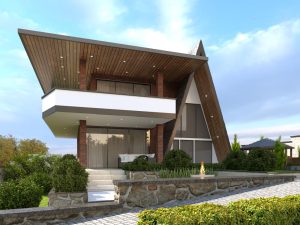
Curtain wall design is an essential aspect of modern architecture. The design of the curtain wall affects the energy efficiency, aesthetics, and functionality of a building. The facade options available for curtain wall design include glass, metal, and stone. Each option provides unique benefits and aesthetics.
Whether it’s a sleek glass facade, a contemporary metal facade, or a natural stone facade, careful consideration must be given to the design to create a functional and visually appealing curtain wall. As architects continue to push the boundaries of design, curtain wall systems will play a significant role in defining the buildings of the future.
In recent years, curtain wall design has evolved to incorporate advanced technologies and innovative materials. Building integrated photovoltaics (BIPV) have been integrated into glass facades, allowing buildings to generate renewable energy while maintaining transparency. This not only contributes to sustainable practices but also enhances the overall efficiency of the building.
Another area of development in curtain wall design is the incorporation of smart systems. These systems utilize sensors, actuators, and automation to optimize energy usage, lighting conditions, and thermal comfort. For example, sensors can detect the intensity of sunlight and adjust the shading devices accordingly, reducing heat gain and glare inside the building. Smart curtain wall systems contribute to energy savings, occupant comfort, and a more environmentally friendly approach to architecture.
One of the key considerations in curtain wall design is structural integrity. While curtain walls are not load-bearing, they must still be able to withstand the various forces they encounter, such as wind loads, thermal expansion and contraction, and seismic activity. Advanced engineering techniques, such as finite element analysis, are used to ensure the structural stability and safety of curtain wall systems.
Additionally, curtain walls must meet stringent building codes and regulations, including fire resistance standards, acoustic performance requirements, and accessibility guidelines. Designers must carefully select materials and incorporate appropriate fire-rated glazing and insulation systems to ensure the safety and comfort of occupants.
Aesthetically, curtain walls offer endless possibilities for creative expression. The use of different materials, finishes, and patterns allows architects to achieve their desired architectural vision. For example, a glass curtain wall can create a striking modern appearance, providing transparency and a sense of openness. On the other hand, a metal or stone facade can add texture, depth, and a more traditional aesthetic to the building.
The design of a curtain wall should also consider the integration with the overall architectural concept of the building. It should harmonize with the surrounding environment, complement the building’s form, and contribute to the overall visual appeal. The selection of materials, colors, and detailing should align with the design intent and create a cohesive and visually pleasing composition.
Maintenance and sustainability are important factors to consider in curtain wall design as well. As curtain walls are exposed to the elements, they require regular cleaning and maintenance to ensure their longevity and visual clarity. Designers should also consider the recyclability and environmental impact of the materials used in the curtain wall system. Choosing sustainable materials and implementing efficient insulation and glazing systems can contribute to energy efficiency and reduce the building’s carbon footprint.
In conclusion, curtain wall design is a crucial aspect of modern architecture, providing numerous benefits in terms of energy efficiency, aesthetics, functionality, and sustainability. The choice of facade material, whether it be glass, metal, or stone, along with innovative technologies and design considerations, allows architects to create visually striking buildings while ensuring occupant comfort and environmental responsibility. As technology and design continue to advance, curtain wall systems will continue to evolve, shaping the future of architecture and the urban landscape.

Leave A Comment