
Curtain wall design outside
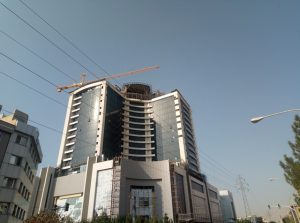
Curtain walls have been a popular feature in modern architectural designs, particularly in high-rise buildings. These non-structural façade systems are typically designed to be aesthetically pleasing, lightweight, and offer a level of energy efficiency. They can be made from various materials, including glass, aluminum, steel, and other composite materials. The exterior appearance of a curtain wall is the first thing that catches the eye, making it essential to get the design right.
This article discusses curtain wall design and the key considerations when designing an exterior curtain wall.
What is a Curtain Wall?
A curtain wall is a non-load-bearing exterior wall system that is attached to a building’s structural framework. Unlike conventional walls, a curtain wall does not support the roof or upper floors of a building. Instead, it hangs from the building’s skeleton, creating an external skin that separates the interior of the building from the external environment. A curtain wall is typically made up of lightweight materials such as glass, aluminum, or steel, which allows for large expanses of glass to be used in the design.
Curtain Wall Design Considerations
When designing a curtain wall system, there are several key considerations to take into account:
-
Building Location and Climate
The location of the building and the climate it’s in are critical factors that impact the design of a curtain wall. The curtain wall must be designed to withstand the wind and rain pressures associated with the local climate. For example, buildings located in areas that experience frequent storms or hurricanes must have curtain walls that can withstand high winds and rain. Similarly, buildings located in areas with extreme temperatures must have curtain walls that provide adequate insulation to keep the interior comfortable.
-
Structural Considerations
The curtain wall system must be designed to support the weight of the glass or other cladding materials, as well as any additional loads such as wind or snow. This requires careful consideration of the structural components of the curtain wall system, including the framing, anchors, and connections. The design must also take into account any differential movement between the curtain wall and the building structure, as this can cause stress on the system.
-
Aesthetics
The exterior appearance of the curtain wall is often the first thing that catches the eye. The design must take into account the building’s architectural style and the desired look and feel of the façade. The color, texture, and transparency of the glass must be carefully selected to complement the building’s design.
-
Energy Efficiency
Curtain walls are often designed to be energy-efficient, providing insulation and reducing heat gain and loss. This is achieved through the use of insulated glass units, low-emissivity coatings, and other thermal breaks in the system.
-
Maintenance and Cleaning
The curtain wall must be designed to be easy to maintain and clean, as it is often located at heights that are difficult to reach. This includes the use of materials that are easy to clean, such as self-cleaning glass, and access points for cleaning and maintenance.
Types of Curtain Walls
There are three main types of curtain walls:
-
Stick-built Curtain Walls
Stick-built curtain walls are made up of individual components that are assembled on-site. The vertical mullions and horizontal rails are assembled piece by piece, and the glass or other cladding materials are installed into the framework. This type of system is often used for low-rise buildings and is cost-effective.
-
Unitized Curtain Walls
Unitized curtain walls are pre-fabricated off-site and shipped to the construction site for installation. The curtain wall is assembled in large sections, including the glass or other cladding materials, and is then hoisted into place using a crane. This type of system is often used for high-rise buildings and is more expensive than stick-built systems.
-
Custom-designed Curtain Walls
Custom-designed curtain walls are often used for unique architectural designs where standard systems may not be suitable. These systems are specifically designed and engineered for the building, taking into account its structural requirements and desired aesthetics.
Custom-designed curtain walls offer architects and designers the freedom to explore innovative and creative solutions. They allow for unique shapes, sizes, and configurations, enabling the creation of iconic buildings that stand out in the urban landscape. With advancements in technology and manufacturing capabilities, custom-designed curtain walls can incorporate various materials and finishes, including advanced glass types, metal alloys, and composite panels.
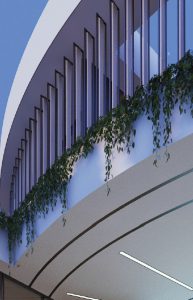
One of the key advantages of custom-designed curtain walls is their ability to seamlessly integrate with the overall architectural vision of the building. Architects can work closely with manufacturers and engineers to translate their design intent into a practical and functional curtain wall system. This collaboration ensures that the custom-designed curtain wall aligns with the building’s structural requirements while maintaining the desired aesthetic appeal.
Additionally, custom-designed curtain walls offer enhanced performance in terms of energy efficiency and sustainability. By carefully selecting materials, incorporating thermal breaks, and optimizing insulation, architects can create curtain walls that contribute to the building’s overall energy performance. This can lead to reduced energy consumption, lower heating and cooling costs, and improved occupant comfort.
However, custom-designed curtain walls also present some challenges. The complex nature of these systems requires close coordination between the architectural, engineering, and manufacturing teams. The design and fabrication processes may take longer, and the costs involved can be higher compared to standard curtain wall systems. It is crucial to involve experienced professionals and specialists who have expertise in custom curtain wall design to ensure a successful outcome.
Conclusion
Curtain wall design is a crucial aspect of modern architectural design. It involves careful consideration of factors such as building location, climate, structural requirements, aesthetics, energy efficiency, and maintenance. By addressing these considerations, architects and designers can create stunning exteriors that enhance the overall look and functionality of a building. Whether it’s a sleek glass façade or a striking combination of materials, a well-designed curtain wall can transform a building into an architectural masterpiece.
When designing custom curtain walls, architects must consider not only the visual impact but also the technical aspects. Factors such as structural integrity, weather resistance, acoustic performance, and fire safety need to be carefully addressed. The design should also account for installation and maintenance considerations, ensuring accessibility for cleaning, repairs, and component replacement.
In recent years, there has been a growing trend towards integrating sustainable design principles into custom curtain wall systems. This includes incorporating renewable energy technologies, such as photovoltaic panels or solar shading devices, into the curtain wall design. Additionally, designers are exploring the use of bio-based and recyclable materials to minimize environmental impact.
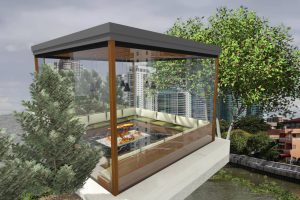
In conclusion, custom-designed curtain walls offer architects and designers the opportunity to create unique and striking exteriors that contribute to the overall architectural vision of a building. With careful consideration of structural requirements, aesthetics, energy efficiency, and sustainability, custom curtain walls can elevate the design and functionality of a building. As technology and manufacturing capabilities continue to advance, we can expect to see even more innovative and sustainable solutions in curtain wall design, pushing the boundaries of architectural creativity.

Leave A Comment