
Curtain wall construction design
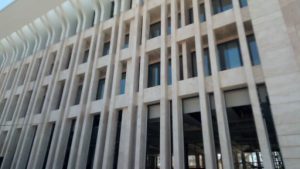
Curtain wall construction is a method of building where an exterior wall is hung like a curtain from the building frame, rather than being supported by the structure itself. This type of construction is commonly used in commercial buildings, particularly skyscrapers, and offers a number of benefits, including energy efficiency, ease of maintenance, and aesthetic appeal. In this article, we will explore the design considerations involved in curtain wall construction.
Structural considerations
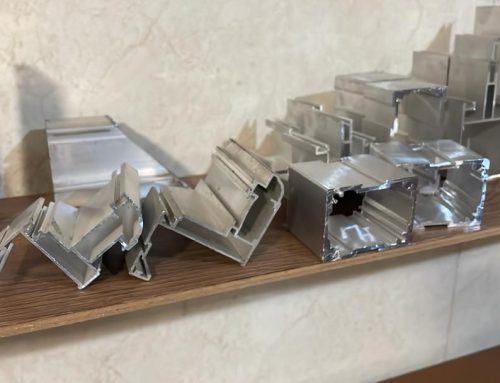
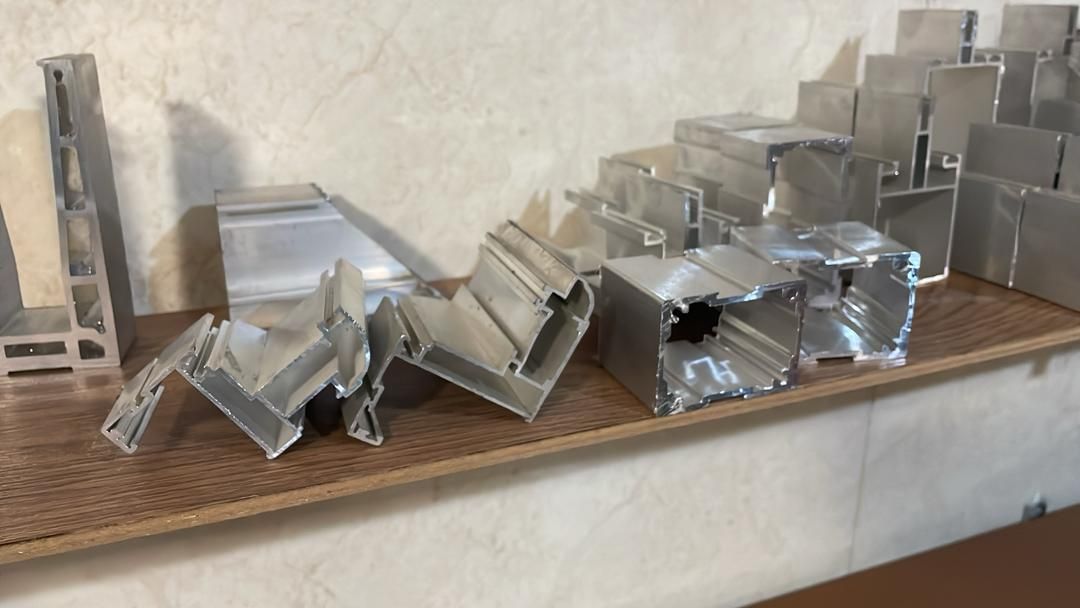
One of the most important considerations in curtain wall design is the structural support system. The curtain wall must be able to support its own weight, the weight of any materials that are hung from it, and the weight of any wind loads or other external forces that act upon it. The structural support system may consist of steel or aluminum framing, which is anchored to the building structure using steel anchors or other fasteners.
Another important consideration is the connection between the curtain wall and the building structure. The connection must be strong enough to support the weight of the curtain wall, but flexible enough to allow for movement caused by wind, thermal expansion, and other forces. This is typically accomplished using special connection systems, such as expansion joints, which allow the curtain wall to move independently of the building structure.
Finally, the design of the curtain wall must take into account the building’s location and the local climate. Buildings in high-wind or seismic zones, for example, may require additional reinforcement or special connection details to ensure that the curtain wall can withstand these forces.
Materials and finishes
Curtain walls can be constructed from a variety of materials, including glass, aluminum, steel, and composite materials. Glass is the most common material used in curtain wall construction, as it allows for maximum natural light and provides an unobstructed view. Aluminum and steel are popular choices for the framing system, as they are strong and lightweight, while composite materials offer a combination of strength and thermal insulation.
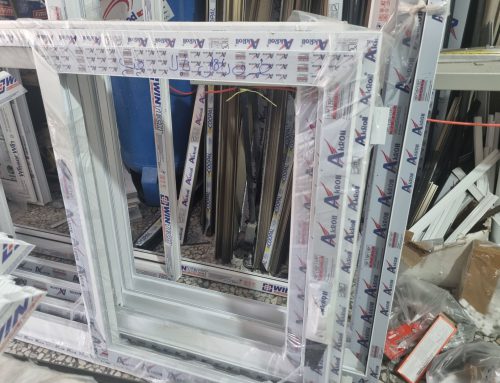
The choice of materials can also impact the energy efficiency of the building. High-performance glazing systems, such as low-E glass, can help to reduce the amount of solar heat gain and energy loss through the curtain wall. Similarly, thermally broken framing systems, which use a layer of insulating material to separate the inner and outer frames, can help to reduce thermal transfer and improve the overall energy efficiency of the building.
In addition to the materials used, the finish of the curtain wall can also play a role in the building’s aesthetic appeal. Curtain walls can be finished in a variety of colors and textures, including anodized or painted finishes for aluminum framing and a range of coatings and laminates for glass.
Acoustic considerations
Another important consideration in curtain wall design is acoustic performance. The large expanse of glass in a curtain wall can create an acoustical challenge, as sound waves can easily pass through the glass and into the building interior. To address this issue, curtain walls can be designed with specialized acoustic glazing, which incorporates multiple layers of glass or laminated glass with a layer of acoustic insulation in between.
Other strategies for improving acoustic performance include using thicker glass, increasing the air gap between the glass panes, and incorporating sound-absorbing materials into the interior of the curtain wall system.
Installation and maintenance
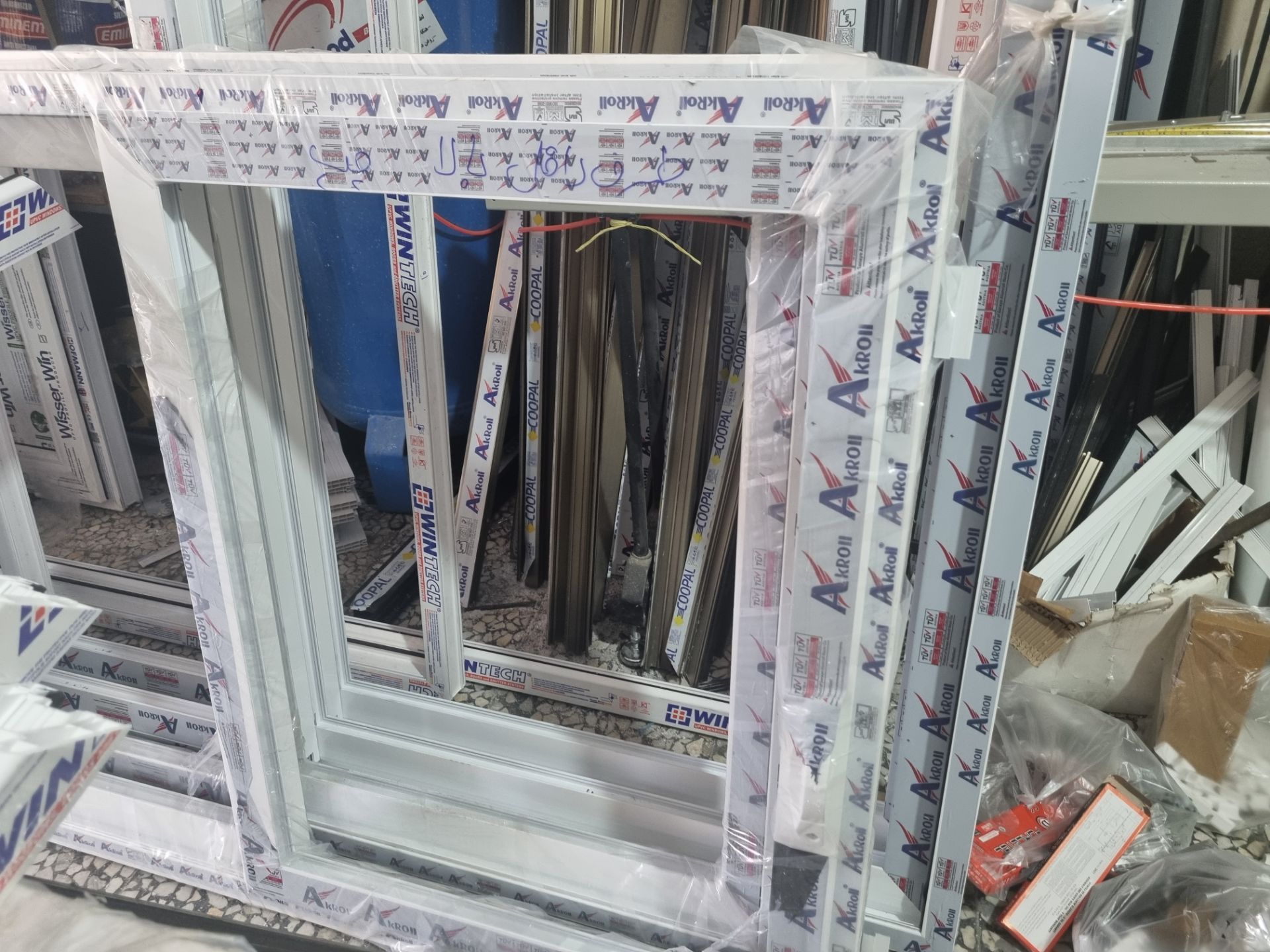
Installation and maintenance are also important considerations in curtain wall design. Curtain walls are typically assembled off-site and then transported to the building site for installation. This requires careful coordination between the curtain wall manufacturer, the installer, and the building owner to ensure that the installation process is smooth and efficient.
Once installed, the curtain wall requires regular maintenance to ensure its continued performance. This may include periodic cleaning of the glass, inspection of the framing system for signs of corrosion or damage, and replacement of any damaged or broken components.
Conclusion
In conclusion, curtain wall construction offers a number of benefits, including energy efficiency, aesthetic appeal, and ease of maintenance. However, designing and constructing a curtain wall requires careful consideration of structural, material, acoustic, and installation factors. By taking these factors into account, architects and engineers can create curtain wall systems that not only enhance the visual appeal of the building but also provide a high level of performance and durability.
Furthermore, curtain walls can incorporate insulation materials within the framing system to enhance thermal efficiency. By utilizing thermally broken framing systems, which employ a layer of insulating material between the inner and outer frames, heat transfer can be further minimized. This not only improves energy efficiency but also enhances occupant comfort by reducing the potential for drafts and cold spots near the windows.
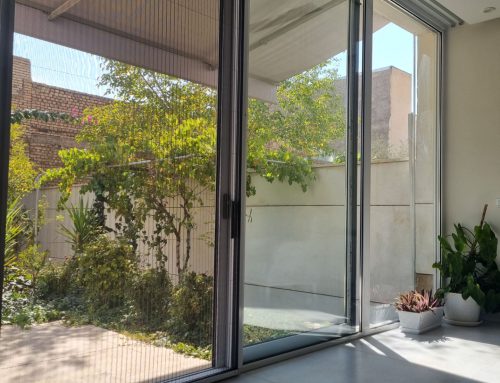
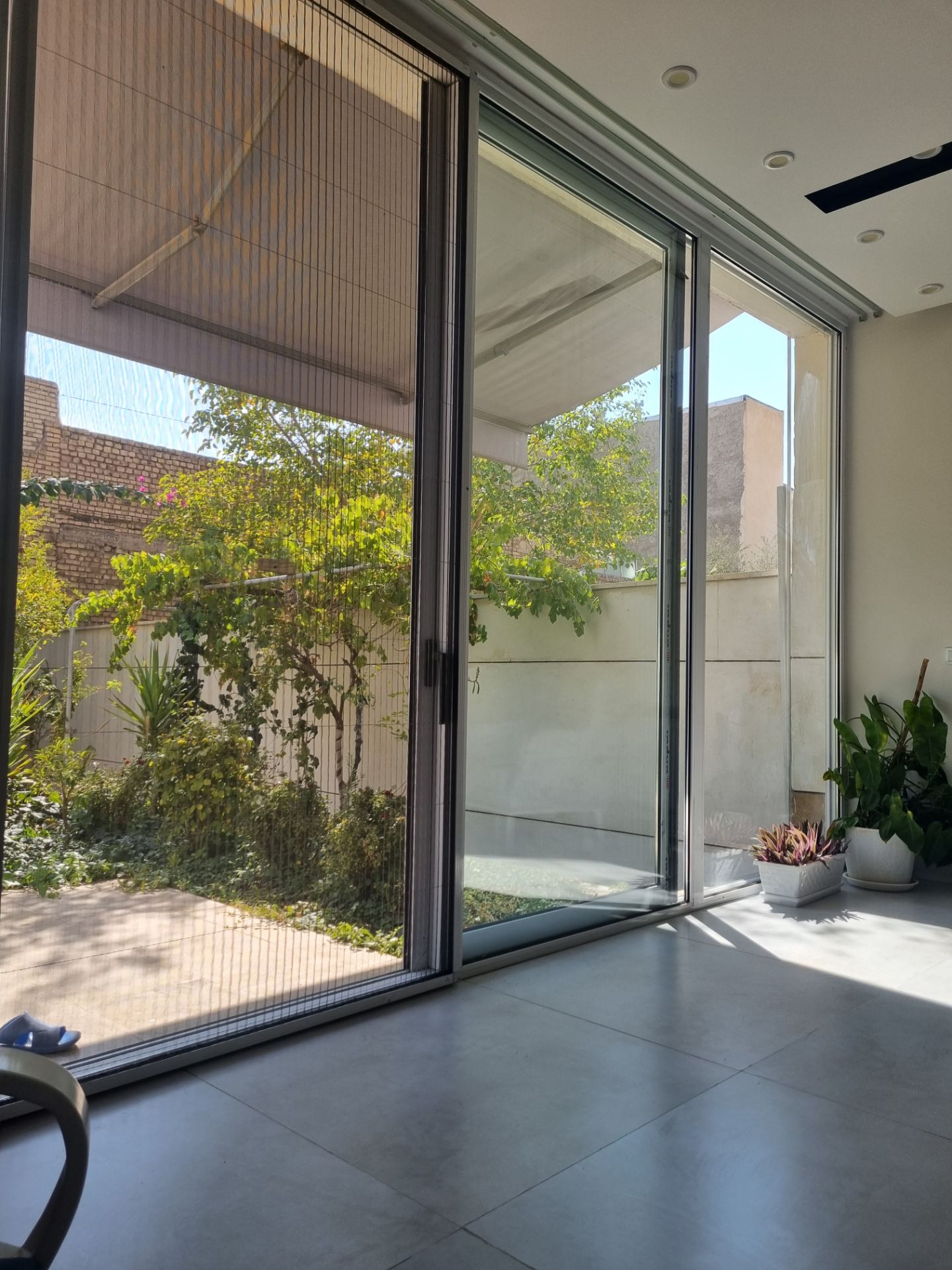
Aesthetic appeal is another significant advantage of curtain wall construction. The large expanses of glass create a visually striking appearance, allowing natural light to flood the interior spaces and providing occupants with unobstructed views of the surroundings. This design element can contribute to a sense of openness and connectivity with the outdoor environment, enhancing the overall user experience.
Additionally, curtain walls offer architects and designers a wide range of options in terms of finishes, colors, and textures. This allows for customization to match the desired architectural style and branding of the building. From sleek and modern to bold and artistic, the curtain wall can be tailored to meet specific design preferences and create a unique visual identity for the structure.
Maintenance of curtain walls is relatively straightforward compared to traditional load-bearing walls. Since the curtain wall is separate from the building structure, repairs and replacements can be carried out without disrupting the overall functionality of the building. Regular maintenance tasks typically involve cleaning the glass panels, inspecting the framing system for any signs of corrosion or damage, and ensuring that sealants and weatherstripping are in good condition.
To facilitate proper maintenance, it is essential to consider access and safety during the design phase. Designing access points, such as anchor points and catwalks, for cleaning and maintenance personnel ensures that routine tasks can be performed safely and efficiently.
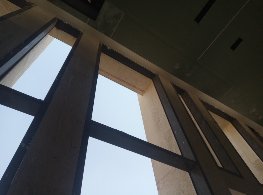
In conclusion, curtain wall construction design encompasses various considerations to achieve optimal performance, efficiency, and visual appeal. By carefully selecting materials, incorporating energy-efficient features, addressing acoustic concerns, and planning for proper installation and maintenance, architects and engineers can create aesthetically pleasing buildings that are energy-efficient, comfortable, and durable. The use of curtain walls not only enhances the overall architectural design but also contributes to a sustainable and environmentally friendly built environment.

Leave A Comment