
Curtain wall building examples
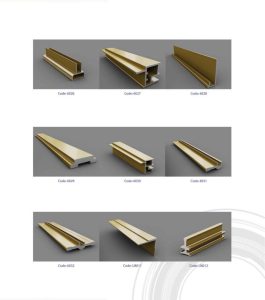
Curtain walls are an essential component of modern architecture that provides a sleek, efficient, and environmentally-friendly solution for building facades. The term ‘curtain wall’ refers to a non-structural outer layer of a building that is supported by the internal structure of the building. Curtain walls can be made of glass, metal, or other materials, and are designed to provide natural light and ventilation while also serving as a barrier against the elements.
The use of curtain walls in modern architecture dates back to the early 20th century, with early examples including the iconic Crystal Palace in London and the Kaufmann Department Store in Pittsburgh. Since then, curtain walls have become an increasingly popular choice for architects and builders, with many stunning examples of curtain wall buildings found around the world. Here are some examples of the most notable curtain wall buildings:
-
Burj Khalifa, Dubai
The Burj Khalifa is the tallest building in the world, standing at 828 meters tall with 160 floors. The building was designed by the Chicago-based architecture firm Skidmore, Owings & Merrill (SOM) and features a stunning curtain wall facade. The curtain wall is made up of more than 24,000 glass panels, each of which was individually designed and cut to fit the building’s unique shape. The glass panels are arranged in a series of stepped patterns, which not only add to the building’s aesthetic appeal but also help to reduce wind loads on the building.

-
Apple Park, California
Apple’s new headquarters in Cupertino, California, is a stunning example of a modern curtain wall building. The building was designed by the British architect Norman Foster and features a curved glass facade that wraps around the entire building. The curtain wall is made up of more than 3,000 individual glass panels, each of which is uniquely curved to fit the building’s shape. The glass panels are held in place by a custom-designed aluminum frame that is carefully concealed behind the glass, giving the building a seamless, futuristic look.
-
Taipei 101, Taiwan
Taipei 101 is a skyscraper located in Taipei, Taiwan, and was once the tallest building in the world. The building features a unique curtain wall system that is designed to withstand typhoon-strength winds and earthquakes. The system consists of steel plates and glass panels that are anchored to the building’s internal structure. The glass panels are coated with a special reflective film that helps to reduce heat gain from the sun, making the building more energy-efficient.
-
30 St Mary Axe, London
30 St Mary Axe, also known as the Gherkin, is a distinctive building located in the heart of London’s financial district. The building was designed by the British architect Norman Foster and features a curved glass curtain wall facade. The building’s shape and orientation are designed to maximize natural light and ventilation, reducing the building’s reliance on artificial lighting and air conditioning. The curtain wall is made up of more than 7,000 individual glass panels, each of which is angled and positioned to optimize the building’s energy performance.
-
Aqua Tower, Chicago
The Aqua Tower is a stunning example of a modern curtain wall building that incorporates organic, flowing forms into its design. The building features a unique undulating curtain wall that is designed to mimic the ripples of water. The curtain wall is made up of more than 80 unique floor plates, each of which has a slightly different shape and orientation. The glass panels are arranged in a series of wavy patterns that give the building a dynamic, fluid appearance.
-
Shanghai Tower, China
The Shanghai Tower is a skyscraper located in Shanghai, China, and is currently the second-tallest building in the world. The building’s curtain wall is made up of more than 1,000 individual glass panels
-
The Louvre Pyramid, France
The Louvre Pyramid is a striking architectural masterpiece located in the courtyard of the Louvre Museum in Paris, France. Designed by the renowned architect I.M. Pei, the pyramid features a glass curtain wall that creates a dramatic entrance to the museum. The transparent glass panels allow natural light to flood the interior, creating a sense of openness and transparency. The pyramid’s design blends harmoniously with the historical surroundings, combining modernity with tradition.
-
Petronas Towers, Malaysia
The Petronas Towers in Kuala Lumpur, Malaysia, are an iconic symbol of the country’s modernization and architectural prowess. Designed by the Argentine architect Cesar Pelli, the towers feature a distinctive stainless steel and glass curtain wall system. The glass panels provide panoramic views of the city and allow ample natural light to enter the building. The towers’ sleek and elegant design, coupled with the curtain wall, exemplifies the fusion of technology, sustainability, and aesthetics.
-
CCTV Headquarters, China
The CCTV Headquarters in Beijing, China, is an architectural marvel that showcases the innovative use of curtain walls. Designed by the Dutch architect Rem Koolhaas and his firm OMA, the building’s unique shape defies convention. The curtain wall system consists of a grid of diagonally angled steel columns, with glass panels suspended between them. This unconventional design creates a dynamic and visually stunning façade that stands out on the city skyline.
-
United Nations Secretariat Building, United States
The United Nations Secretariat Building in New York City is an iconic example of mid-century modern architecture. Designed by a team of international architects, including Le Corbusier, Oscar Niemeyer, and Wallace K. Harrison, the building features a curtain wall façade made of aluminum and glass. The modular curtain wall system allowed for efficient construction and provided an open, light-filled interior. The building’s clean lines and reflective glass panels contribute to its timeless appeal.
-
The Shard, United Kingdom
The Shard, located in London, is an impressive glass-clad skyscraper that has become an integral part of the city’s skyline. Designed by the Italian architect Renzo Piano, the building features a curtain wall façade that wraps around its triangular shape. The glass panels reflect the changing sky and provide stunning views of the city. The curtain wall design, coupled with its energy-efficient features, contributes to the building’s sustainable design and harmonious integration into the urban landscape.
-
The National Grand Theater, China
The National Grand Theater, also known as the “Egg,” is a futuristic cultural landmark in Beijing, China. Designed by the French architect Paul Andreu, the building’s exterior is entirely covered in titanium and glass curtain walls. The oval shape and metallic façade give the theater a sense of grandeur and innovation. The curtain wall system seamlessly integrates the building with its surroundings while allowing natural light to illuminate the interior spaces.
that are arranged in a spiraling pattern around the building. The curtain wall is not only aesthetically pleasing but also serves as a crucial element in the building’s energy-efficient design. The glass panels are coated with a special low-emissivity film that helps to reduce heat transfer, while also allowing natural light to enter the building.
These examples demonstrate the versatility and visual impact of curtain wall buildings in modern architecture. Curtain walls not only provide functional benefits such as natural light and ventilation but also contribute to the overall aesthetic appeal of a building. As technology and design continue to evolve, we can expect to see even more innovative and impressive curtain wall buildings in the future.
Conclusion
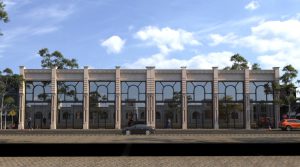
In conclusion, curtain wall buildings have revolutionized modern architecture, offering a multitude of benefits, including energy efficiency, natural lighting, and aesthetic appeal. The examples mentioned above showcase the creativity and versatility of curtain wall designs across different countries and architectural styles. As technology and architectural advancements continue to evolve, we can expect to witness even more impressive and groundbreaking curtain wall buildings in the future, pushing the boundaries of architectural design and sustainability.

I’m gone to tell my little brother, that he should also pay a
visit this weblog on reguhlar basis to get updated
from newewt news update.