
Curtain wall architecture design
Introduction
In the realm of modern architecture, one design approach has captured the imagination of architects and designers worldwide: curtain wall architecture. This innovative and visually striking design concept has revolutionized the way buildings are constructed, blending aesthetics with functionality in a seamless manner. In this article, we delve into the world of curtain wall architecture design, examining its features, benefits, and the creative possibilities it offers.
Defining Curtain Wall Architecture
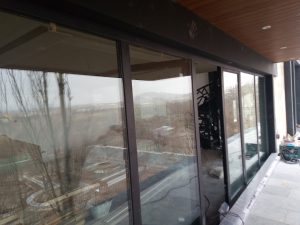
Curtain wall architecture refers to an exterior building envelope system that is non-structural and typically made of lightweight materials such as glass, aluminum, or composite panels. Unlike traditional load-bearing walls, curtain walls serve as a protective barrier against external elements while allowing ample natural light to permeate the interior spaces.
Features and Components
Curtain walls are composed of several key elements that work together harmoniously to create a stunning architectural effect:
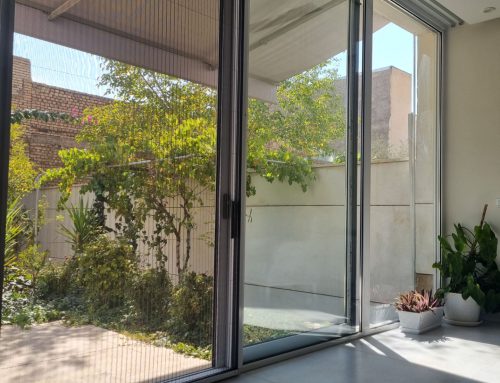
- Glazing: The most prominent feature of curtain wall architecture is the extensive use of glazing. Large panels of glass, often spanning from floor to ceiling, are utilized to create a sense of openness and transparency. The choice of glass can vary, from clear to tinted or even textured, allowing for diverse design possibilities.
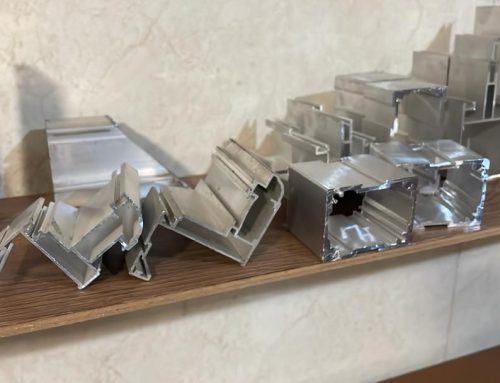
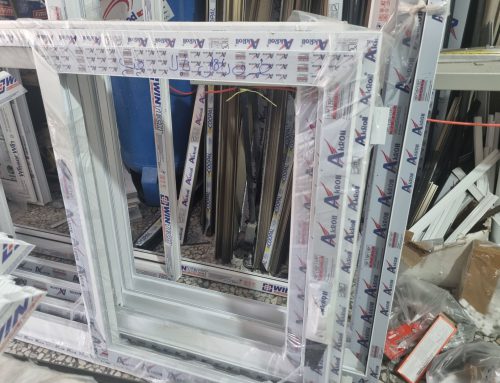
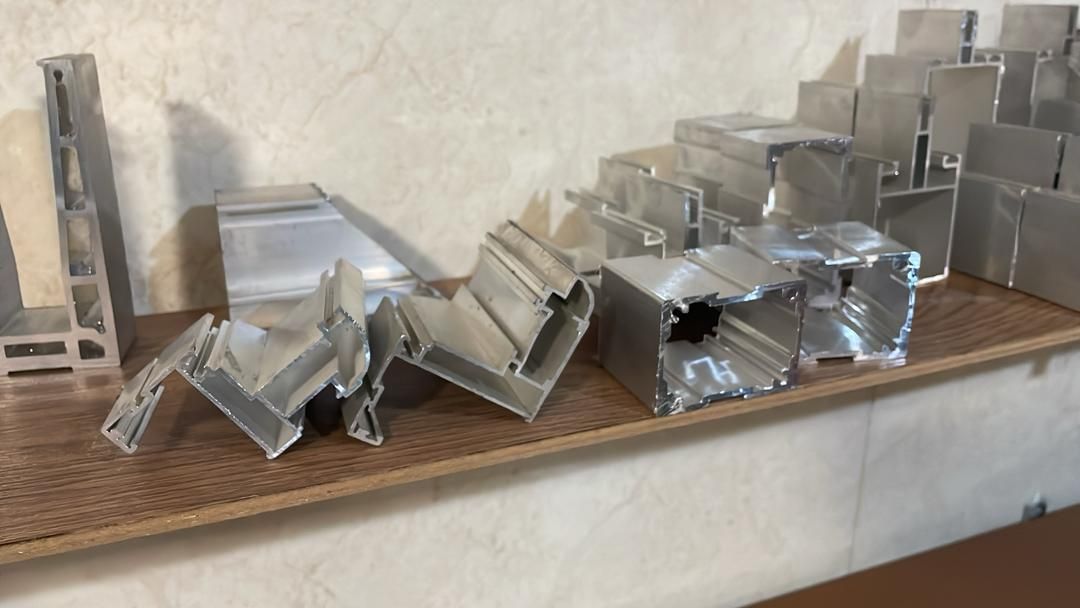
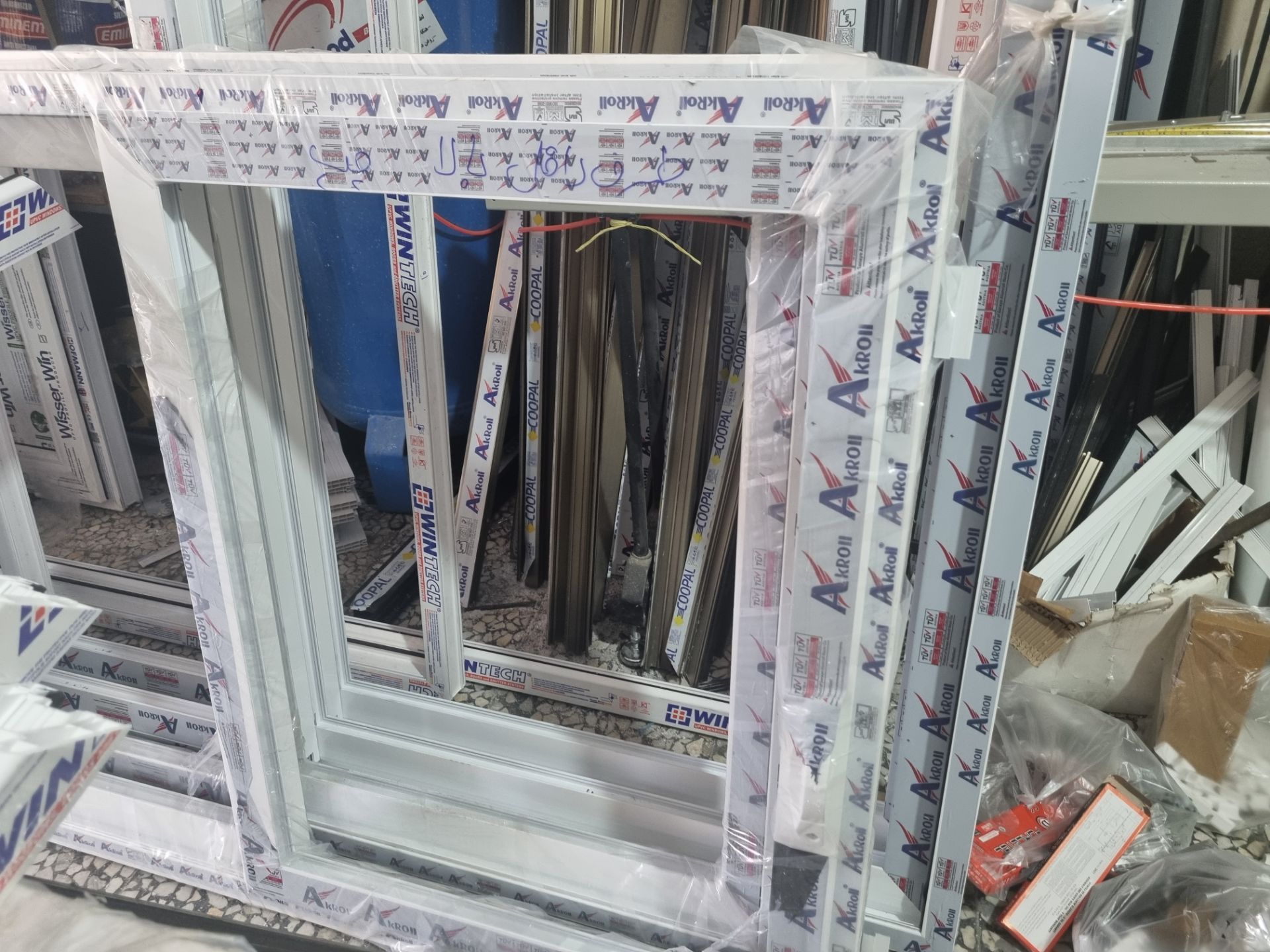
- Framing Systems: To support the glazing, framing systems made of aluminum, steel, or other lightweight materials are employed. These frames are engineered to be structurally sound while maintaining a slim and elegant profile. The frames can be designed to match the architectural style of the building, providing an additional aesthetic element.
- Spandrel Panels: In curtain wall design, opaque or semi-opaque panels called spandrel panels are integrated into the system. These panels cover the areas between the floors and conceal building infrastructure, such as ductwork or electrical systems. Spandrel panels are often made of materials that can mimic the appearance of the glazing, creating a cohesive exterior façade.
Benefits of Curtain Wall Architecture
Curtain wall architecture offers numerous advantages that make it a popular choice among architects and building owners:
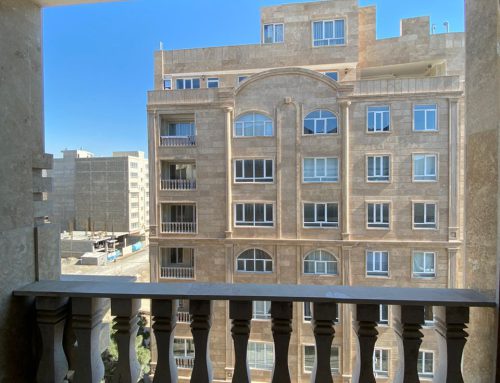
- Aesthetic Appeal: The transparent nature of curtain walls imparts a sense of lightness, elegance, and modernity to the building’s exterior. The seamless integration of glass and metal frames creates a visually stunning façade that can redefine the skyline and attract attention.
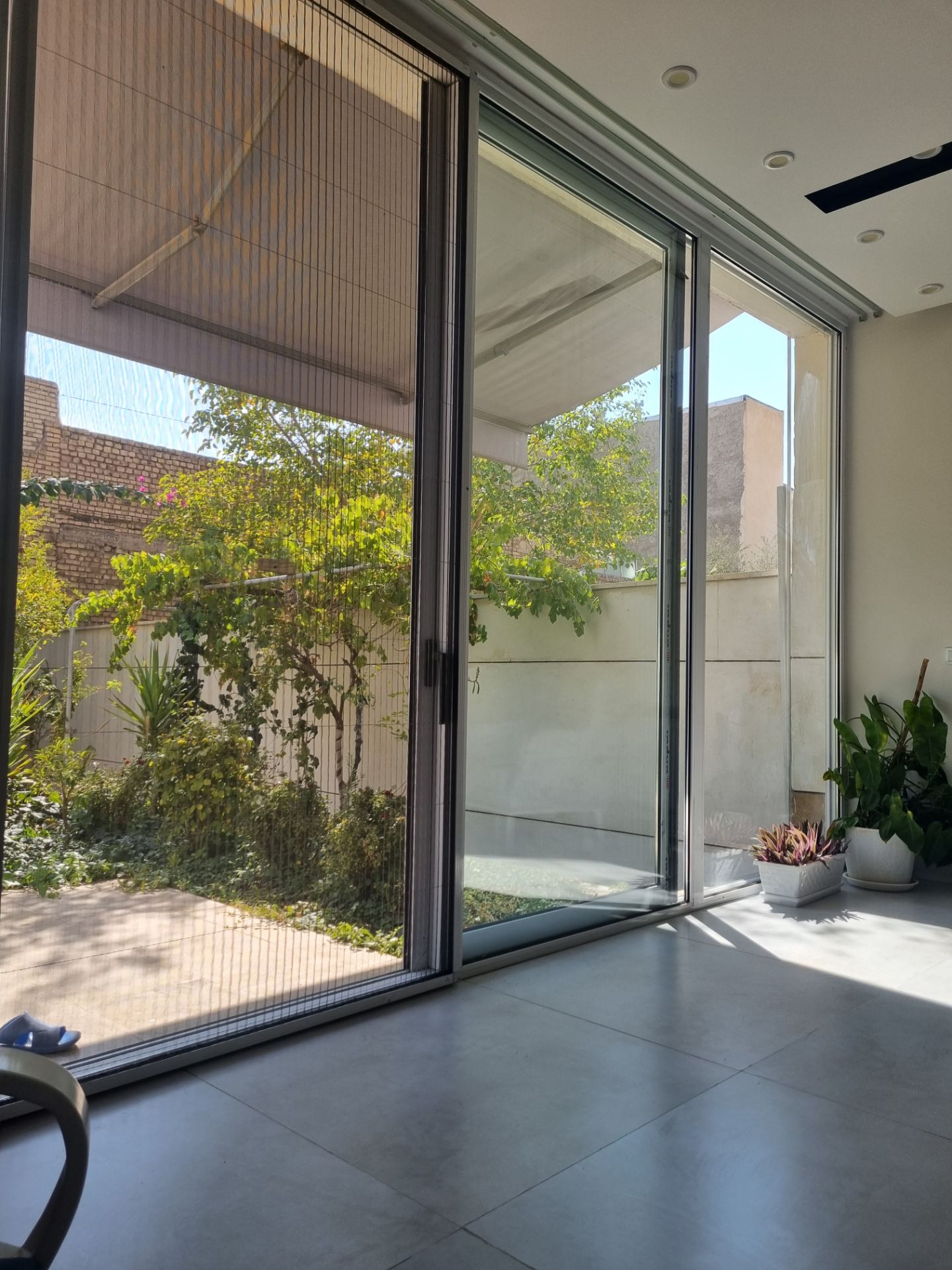
- Natural Light and Views: The extensive use of glazing in curtain walls ensures an abundance of natural light, reducing the need for artificial lighting during the day. It also offers panoramic views of the surroundings, connecting occupants with the external environment and promoting a sense of well-being.
- Energy Efficiency: Modern curtain wall systems are designed with energy efficiency in mind. The use of high-performance glass, thermal breaks in the frames, and insulation materials helps minimize heat transfer, reducing the reliance on heating and cooling systems and ultimately lowering energy consumption.
- Flexibility and Adaptability: Curtain walls offer great flexibility in terms of design possibilities and adaptability to different architectural styles. The modular nature of the system allows for easy replacement and alteration of individual components, making it convenient for renovations or expansions.
Innovative Applications
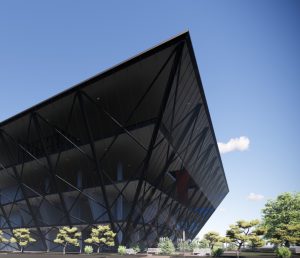
Curtain wall architecture has pushed the boundaries of design and has been implemented in various iconic buildings around the world. Some noteworthy examples include:
- Burj Khalifa, Dubai: The world’s tallest building, the Burj Khalifa, features a curtain wall system that showcases the immense scale of the structure while allowing breathtaking views of the city below.
- Apple Park, California: The circular design of the Apple Park headquarters incorporates a continuous glass curtain wall, blurring the boundaries between the building and its lush surroundings.
- National Centre for the Performing Arts, Beijing: This architectural masterpiece boasts an ellipsoid glass and titanium shell that envelopes the entire building, creating a striking visual impact and serving as a beacon for the arts in the city.
- The Louvre Pyramid, Paris: I.M. Pei’s iconic addition to the Louvre Museum features a large glass and metal pyramid surrounded by glass curtain walls. This modern interpretation seamlessly integrates with the historic architecture of the museum, becoming a symbol of art and culture.
Design Considerations
When designing with curtain wall systems, architects must consider several factors:
- Structural Integrity: While curtain walls are non-structural, they must be carefully engineered to withstand wind loads, thermal expansion, and other external forces. Collaboration between architects, engineers, and manufacturers is crucial to ensure the stability and safety of the system.
- Climate and Environmental Conditions: Different regions have varying climatic conditions that impact the performance of curtain wall systems. Factors such as temperature fluctuations, humidity levels, and exposure to extreme weather events must be taken into account during the design phase to ensure durability and energy efficiency.
- Sustainability: With increasing emphasis on sustainability in architecture, curtain walls can be designed to enhance energy efficiency. This includes incorporating double or triple glazing, low-emissivity coatings, and thermal breaks in the framing systems to minimize heat loss and improve insulation.
- Maintenance and Accessibility: Proper maintenance and accessibility considerations are vital for the long-term performance of curtain wall systems. Access to the exterior surface for cleaning, repair, and inspection should be incorporated into the design to ensure ease of maintenance.
- Safety and Security: As with any building element, safety and security are paramount considerations in curtain wall architecture. The design should incorporate features such as impact resistance, fire resistance, and blast resistance, depending on the specific requirements of the building and its location. Advanced security systems, such as laminated or tempered glass, can be integrated to enhance the protection of occupants.
- Acoustics: The acoustic performance of curtain wall systems is essential, especially for buildings located in noisy environments or near transportation hubs. Proper selection of glass thickness, insulation materials, and sealing techniques can help minimize noise infiltration and create a comfortable indoor environment.
- Integration with Building Systems: Curtain walls need to seamlessly integrate with other building systems, including HVAC (heating, ventilation, and air conditioning), electrical, and plumbing systems. Collaboration between architects, engineers, and contractors is crucial to ensure the coordination and compatibility of these systems within the overall building design.
- Building Codes and Regulations: Compliance with local building codes and regulations is essential when designing curtain wall systems. These codes may dictate factors such as wind loads, fire ratings, energy efficiency requirements, and accessibility standards. It is important for architects to work closely with building authorities to ensure that the design meets all relevant regulations.
In Conclusion

Curtain wall architecture design has revolutionized the way we approach building exteriors, offering a unique combination of elegance, functionality, and sustainability. With their transparent and lightweight nature, curtain walls have transformed the modern skyline, allowing buildings to blend harmoniously with their surroundings while providing exceptional interior environments filled with natural light.
The benefits of curtain wall architecture, including energy efficiency, aesthetic appeal, and flexibility, have made it a popular choice in iconic buildings around the world. However, careful consideration must be given to factors such as structural integrity, climate conditions, maintenance requirements, and safety and security measures.
As technology continues to advance, the possibilities for curtain wall design are expanding, with innovations in materials, energy efficiency, and performance. Architects and designers are constantly pushing the boundaries, creating awe-inspiring structures that redefine the urban landscape.
In the future, curtain wall architecture will continue to evolve, providing sustainable solutions that integrate seamlessly with the built environment. It will play a pivotal role in shaping the skylines of cities, promoting a harmonious relationship between architecture, nature, and human experience.

Leave A Comment