
Curtain glass wall detail
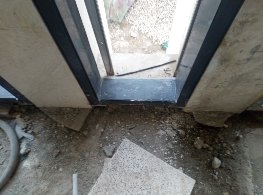
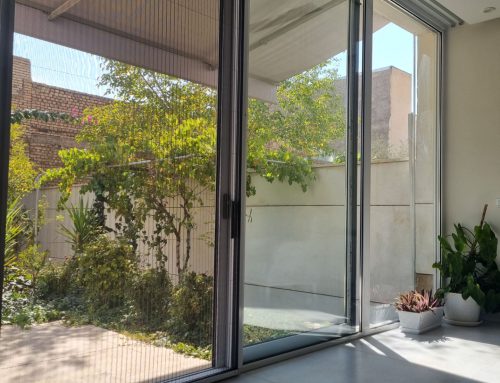
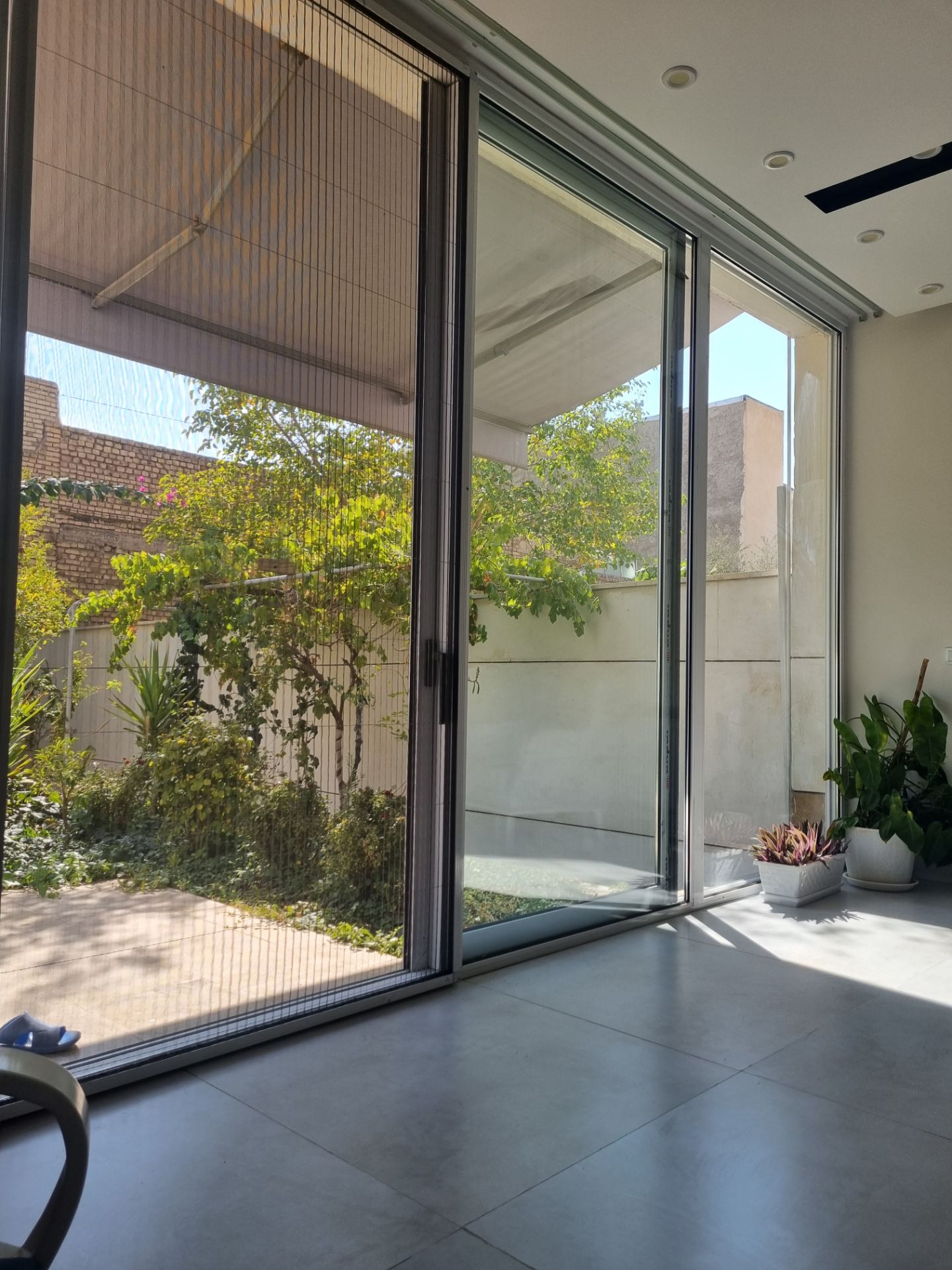
Curtain glass walls are a popular architectural feature that provide a sleek and modern look to a building. They offer several advantages over traditional walls, including increased natural light, better views, and improved energy efficiency. However, to achieve these benefits, curtain glass walls require careful attention to detail during the design and installation process.
In this article, we will explore the details of curtain glass walls, including their components, construction methods, and potential issues to consider.
Components of a Curtain Glass Wall
A curtain glass wall typically consists of several key components:
- Glass Panels: The glass panels are the primary element of a curtain glass wall. They are available in various sizes, thicknesses, and types of glass, such as tempered, laminated, or insulated.
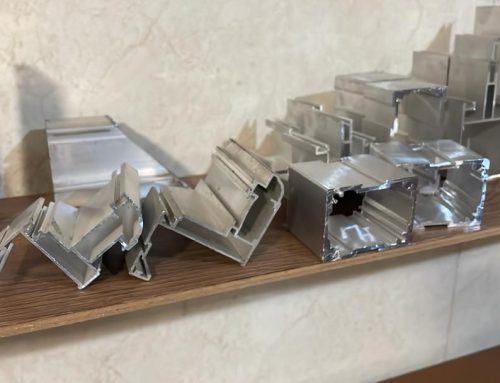
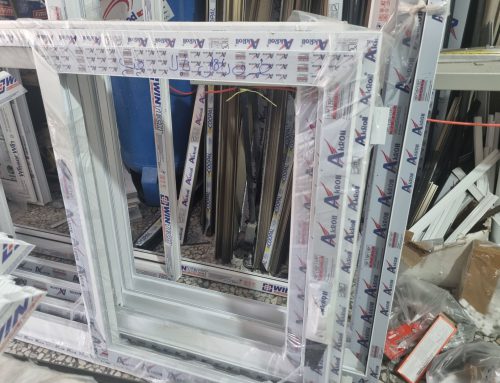
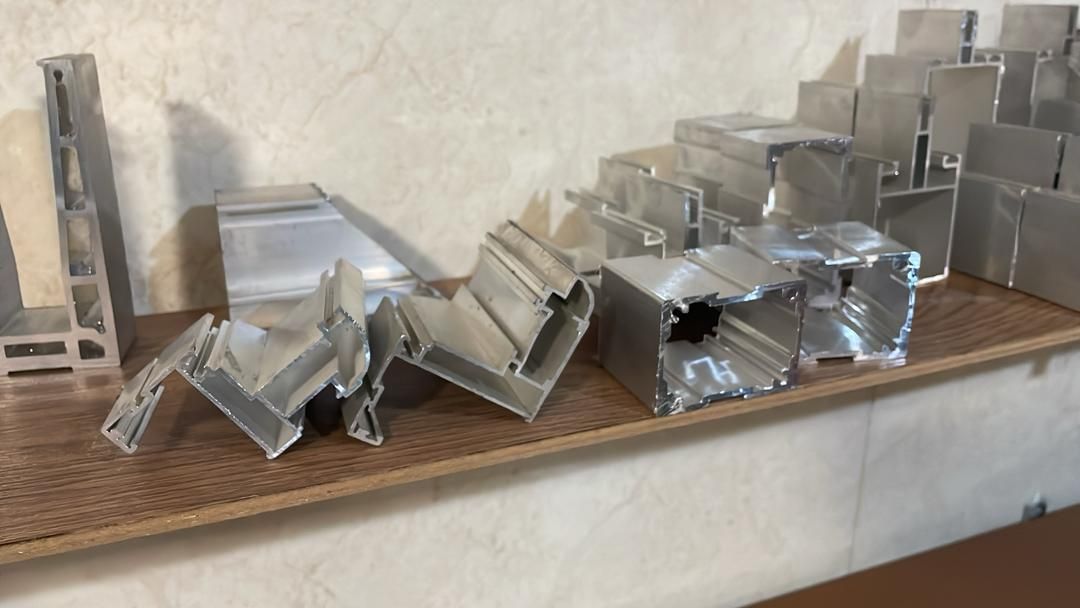
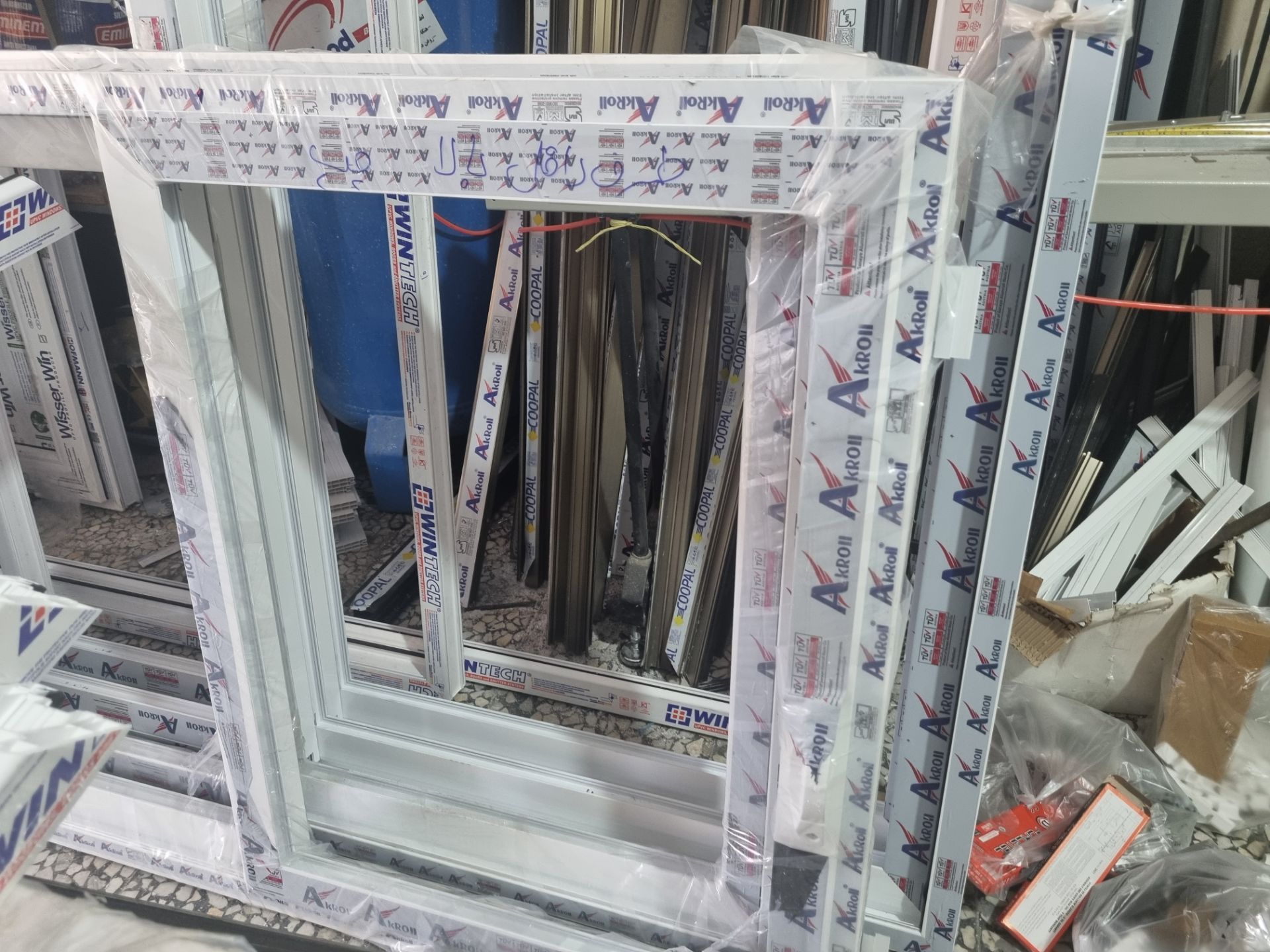
- Support Structure: The support structure is the framework that holds the glass panels in place. It is typically made of aluminum or steel, and its design depends on the size and weight of the glass panels.
- Seals: The seals are the materials used to join the glass panels and support structure. They help to create a weather-tight and soundproof barrier between the inside and outside of the building.
- Hardware: The hardware includes the handles, locks, hinges, and other components used to open and close the glass panels. The hardware must be durable and able to withstand the weight of the glass panels.
Construction Methods for Curtain Glass Walls
Curtain glass walls can be constructed using several methods, depending on the design requirements and the available resources. The most common methods include:
- Stick-Built: The stick-built method involves assembling the support structure on-site and attaching the glass panels one by one. This method allows for greater flexibility in the design and can accommodate complex shapes and angles.
- Unitized: The unitized method involves prefabricating the support structure and glass panels in a factory and then assembling them on-site. This method is faster and requires less labor than the stick-built method, but it may be more difficult to customize the design.
- Semi-Unitized: The semi-unitized method is a hybrid of the stick-built and unitized methods. It involves prefabricating some components, such as the support structure, and assembling others on-site, such as the glass panels. This method offers a balance of speed and flexibility.
Potential Issues to Consider
While curtain glass walls offer many benefits, there are also some potential issues to consider when designing and installing them. These include:
- Thermal Performance: Glass is a poor insulator, so curtain glass walls can lead to increased heat loss in colder climates and heat gain in warmer climates. To improve thermal performance, insulated glass and thermal breaks in the support structure can be used.
- Water Leakage: Curtain glass walls must be designed and installed to prevent water from entering the building. Seals and drainage systems should be carefully selected and maintained to prevent leaks.
- Wind Load: Curtain glass walls must be able to withstand the wind loads in the area where they are installed. The support structure must be designed to resist both the positive and negative pressures caused by wind.
- Maintenance: Curtain glass walls require regular maintenance to ensure they remain weather-tight and soundproof. This includes cleaning the glass panels, inspecting the seals and hardware, and repairing any damage or wear.
Conclusion
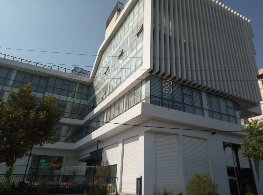
Curtain glass walls can provide an elegant and modern look to a building while also offering benefits such as increased natural light, better views, and improved energy efficiency. However, they require careful attention to detail during the design and installation process to ensure they perform as intended. By understanding the components, construction methods, and potential issues of curtain glass walls, architects and builders can create stunning and functional buildings that stand the test of time.
Designers should also consider the aesthetic impact of curtain glass walls. The transparency of the glass can create a sense of openness and connection with the surrounding environment, but it can also expose the interior to unwanted attention. Privacy can be achieved by using tinted or frosted glass or by incorporating shades or curtains into the design.
Another consideration is the acoustics of the building. The use of glass in construction can result in increased noise transmission, which can be a problem for buildings located in noisy areas or with high internal noise levels. Special acoustic laminated glass can help to reduce noise transmission, and the support structure can be designed to absorb sound.
When planning a curtain glass wall, it is important to work with a team of experienced professionals who can ensure that the design and installation meet the specific needs of the project. Architects, structural engineers, and glazing contractors should collaborate closely to ensure that the wall is structurally sound, energy-efficient, and aesthetically pleasing.
In addition to the design and installation, regular maintenance is critical for the longevity and performance of a curtain glass wall. Building owners should schedule regular inspections and cleaning of the glass panels, seals, and hardware to ensure that they remain in good condition. Any damage or wear should be addressed promptly to prevent further deterioration or leaks.
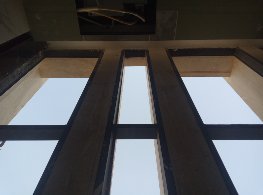
In conclusion, curtain glass walls can add beauty and functionality to a building, but they require careful consideration of the design, construction, and maintenance. With the right materials, methods, and expertise, a curtain glass wall can offer an elegant and efficient solution for modern architecture.

Leave A Comment