
Aluminium window section details
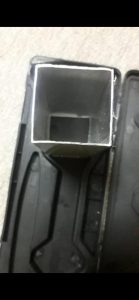
Aluminum windows have been gaining popularity over the years due to their durability, low maintenance, and sleek look. They are widely used in both residential and commercial buildings, and come in different shapes and sizes. In this article, we will discuss the different aluminum window section details that you need to know.
-
Frame Sections
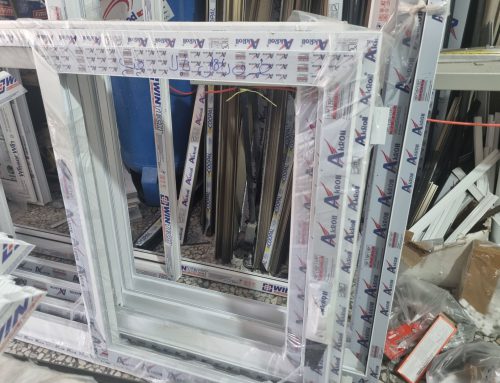
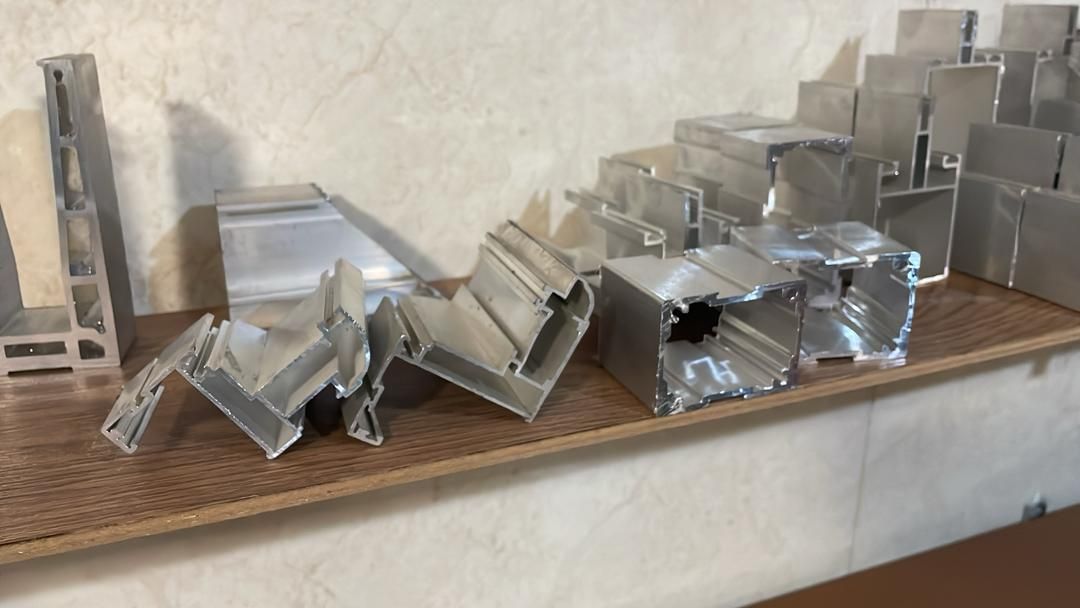
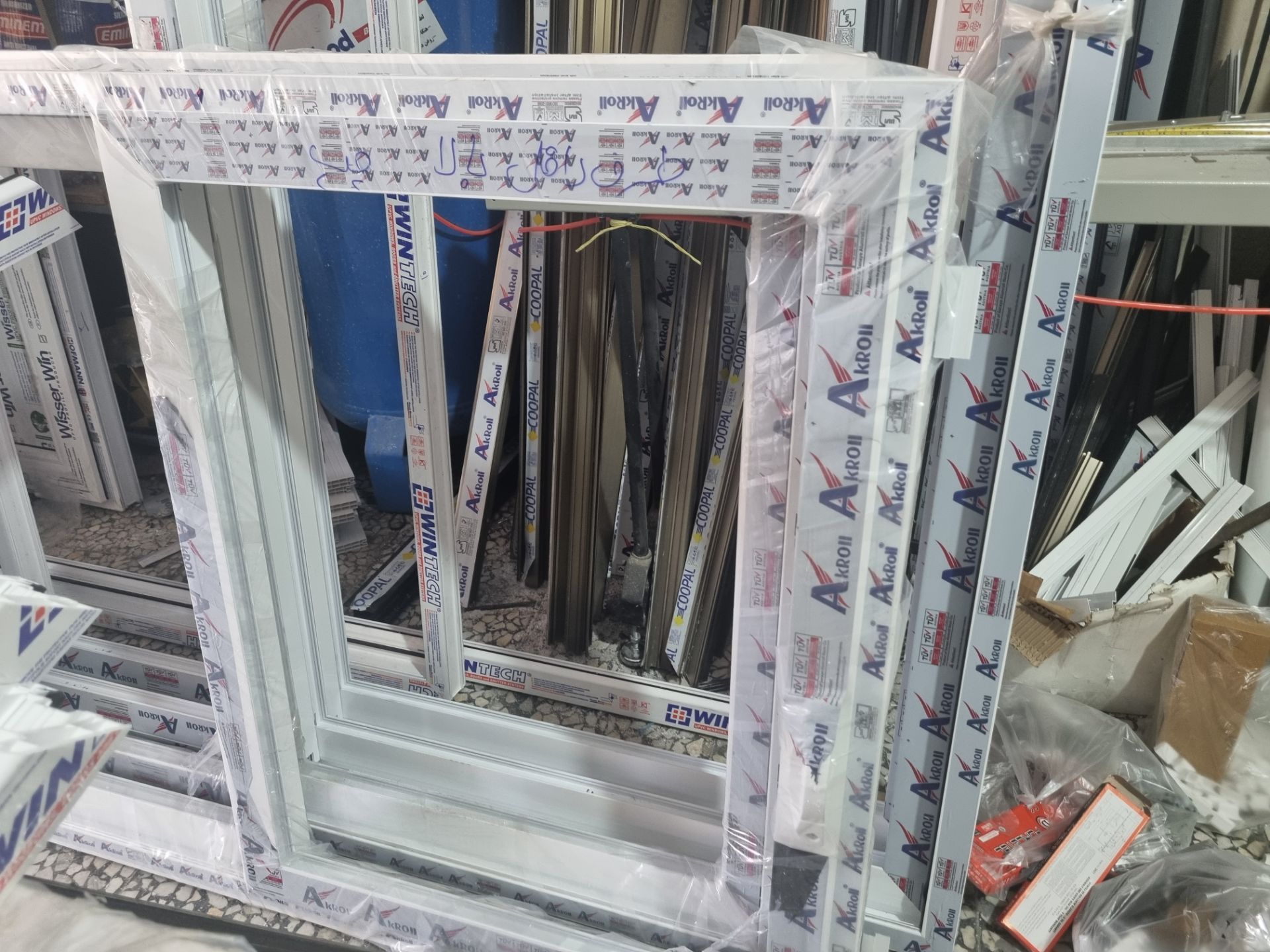
The frame section is the outermost part of the window that provides support and rigidity to the entire structure. Aluminum window frames are made of extruded aluminum profiles, which are available in different shapes and sizes. The most common shapes are rectangular, square, and round. The size of the frame section depends on the size of the window, and the loads it will be subjected to. The most common frame sizes are 50mm, 65mm, 75mm, and 100mm.
-
Sash Sections
The sash section is the part of the window that holds the glass in place. Like the frame section, sash sections are also made of extruded aluminum profiles, and are available in different shapes and sizes. The most common shapes for sash sections are rectangular, square, and round. The size of the sash section depends on the size of the window and the thickness of the glass. The most common sash sizes are 25mm, 35mm, and 50mm.
-
Glazing Sections
The glazing section is the part of the window that holds the glass in place. It consists of a glazing bead that is attached to the sash section. The glazing bead holds the glass in place and provides a seal to prevent air and water from entering the window. The glazing bead is available in different shapes and sizes, and is designed to fit the sash section. The most common glazing bead sizes are 12mm, 16mm, and 20mm.
-
Mullion Sections
Mullion sections are used to connect two or more window frames together. They are usually placed in between the frames to provide structural support. Mullion sections are available in different shapes and sizes, and the size of the mullion section depends on the size of the window and the loads it will be subjected to. The most common mullion sizes are 50mm, 65mm, 75mm, and 100mm.
-
Transom Sections
Transom sections are similar to mullion sections, but they are placed horizontally between two or more window frames. They provide additional structural support and are designed to distribute the load evenly across the window. Transom sections are available in different shapes and sizes, and the size of the transom section depends on the size of the window and the loads it will be subjected to. The most common transom sizes are 50mm, 65mm, 75mm, and 100mm.
-
Louvre Sections
Louvre windows are a type of window that consists of glass or aluminum panels that can be angled to allow for ventilation. The louvre sections are the parts of the window that hold the panels in place. They are available in different shapes and sizes, and the size of the louvre section depends on the size of the window and the loads it will be subjected to. The most common louvre sizes are 75mm, 100mm, and 150mm.
-
Insect Screen Sections
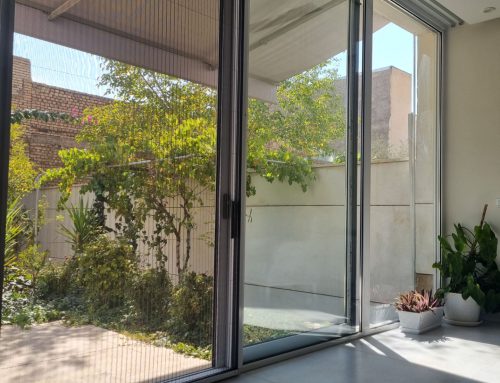
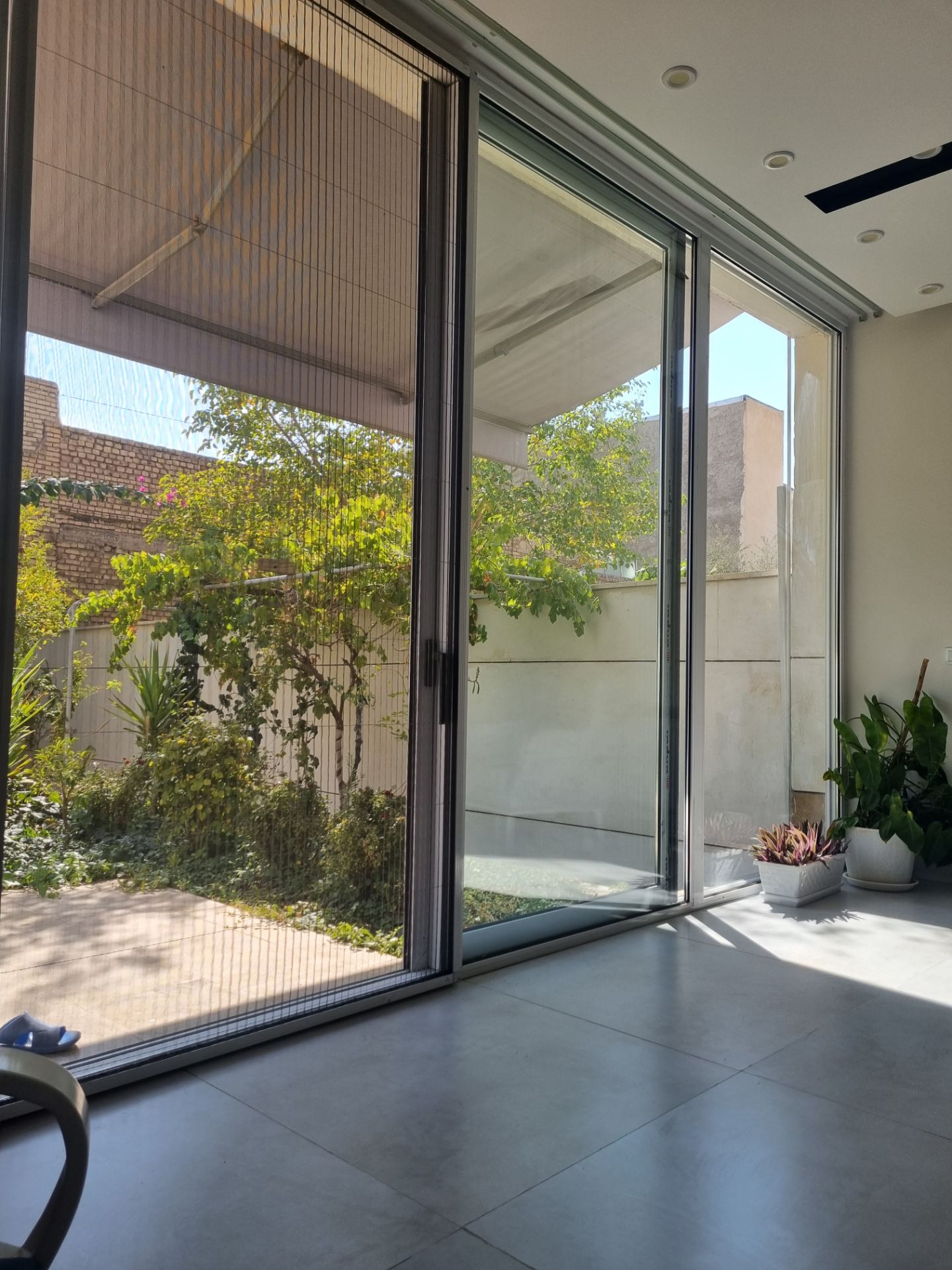
Insect screen sections are used to hold insect screens in place. They are usually attached to the frame section of the window and are available in different shapes and sizes. The size of the insect screen section depends on the size of the window and the size of the insect screen. The most common insect screen sizes are 9mm, 11mm, and 13mm.
-
Hardware Sections
Hardware sections are the parts of the window that are used to open, close, and lock the window. They include handles, locks, hinges, and rollers. The hardware sections are designed to fit the specific shape and size of the window frame and sash sections.
The handles are used to open and close the window. They are available in different shapes and sizes, and are designed to fit the specific shape and size of the window frame and sash sections. The most common handle shapes are D-shaped, L-shaped, and T-shaped.
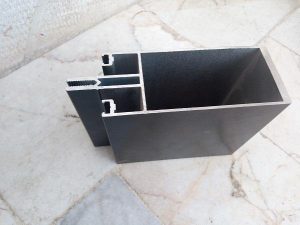
The locks are used to secure the window in the closed position. They are available in different types, such as hook locks, latch locks, and deadbolts. The type of lock used depends on the specific requirements of the window and the level of security required.
The hinges are used to attach the sash section to the frame section. They are available in different types, such as butt hinges and friction hinges. The type of hinge used depends on the size and weight of the window sash section.
The rollers are used to facilitate the opening and closing of sliding windows and doors. They are available in different types, such as single rollers and double rollers. The type of roller used depends on the size and weight of the window sash section.
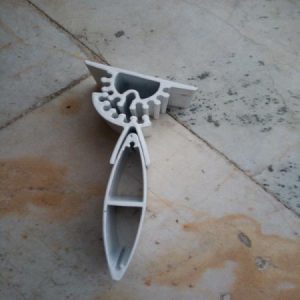
In conclusion, aluminum window section details are important to understand when selecting and designing windows for your building. The different sections, including frame, sash, glazing, mullion, transom, louvre, insect screen, and hardware sections, are designed to work together to provide a structurally sound and functional window system. By understanding the different section details, you can make informed decisions about the size, shape, and type of windows that will best meet the specific requirements of your building.

Leave A Comment