
Curtain wall advantages and disadvantages

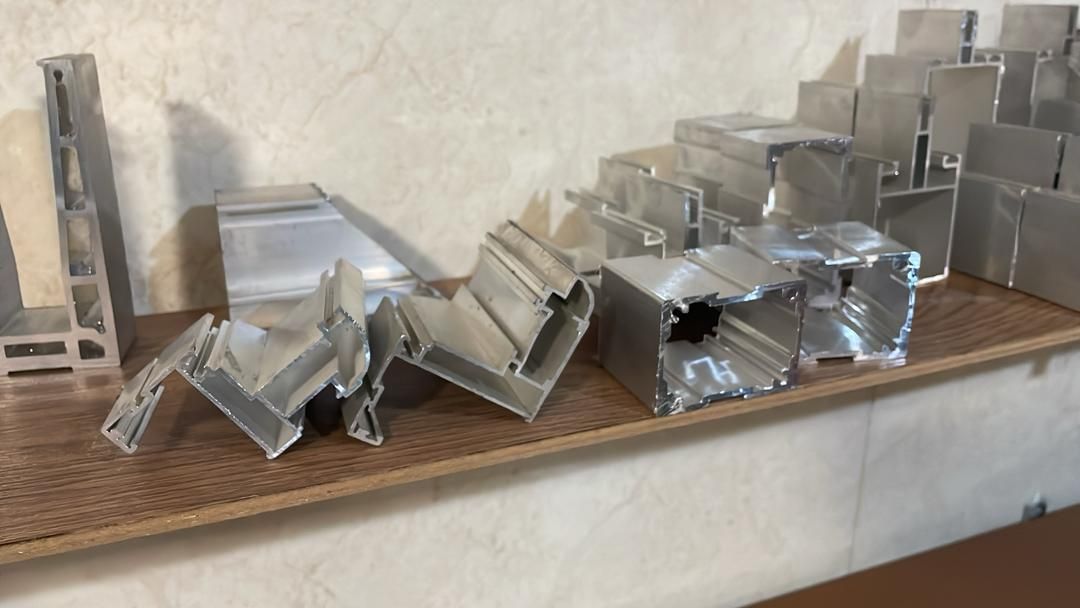
Curtain walls are an increasingly popular solution for modern buildings. They are a type of façade that consists of a thin aluminum or steel frame, which is then filled with glass, stone, or metal panels. Curtain walls are attached to the building’s structure, creating an exterior envelope that protects against weather, noise, and other environmental factors.
While curtain walls offer many advantages, they also come with some disadvantages. In this article, we will explore the pros and cons of curtain walls to help you make an informed decision for your building project.
Advantages of Curtain Walls
Aesthetic Appeal
One of the primary benefits of curtain walls is their aesthetic appeal. They give buildings a modern, sleek, and stylish look. Curtain walls can also be customized to suit the design requirements of a building, offering a wide range of colors, textures, and finishes. This feature is especially useful for buildings that are used for commercial or public purposes, where visual appeal plays a significant role in attracting customers or visitors.
Energy Efficiency
Curtain walls are designed to be highly energy-efficient. The glass panels used in the curtain wall system can be treated with special coatings to control solar heat gain and reduce glare. The frames of curtain walls are also made with high-quality insulation, which helps to reduce energy costs by maintaining a consistent interior temperature.
Natural Light and Views
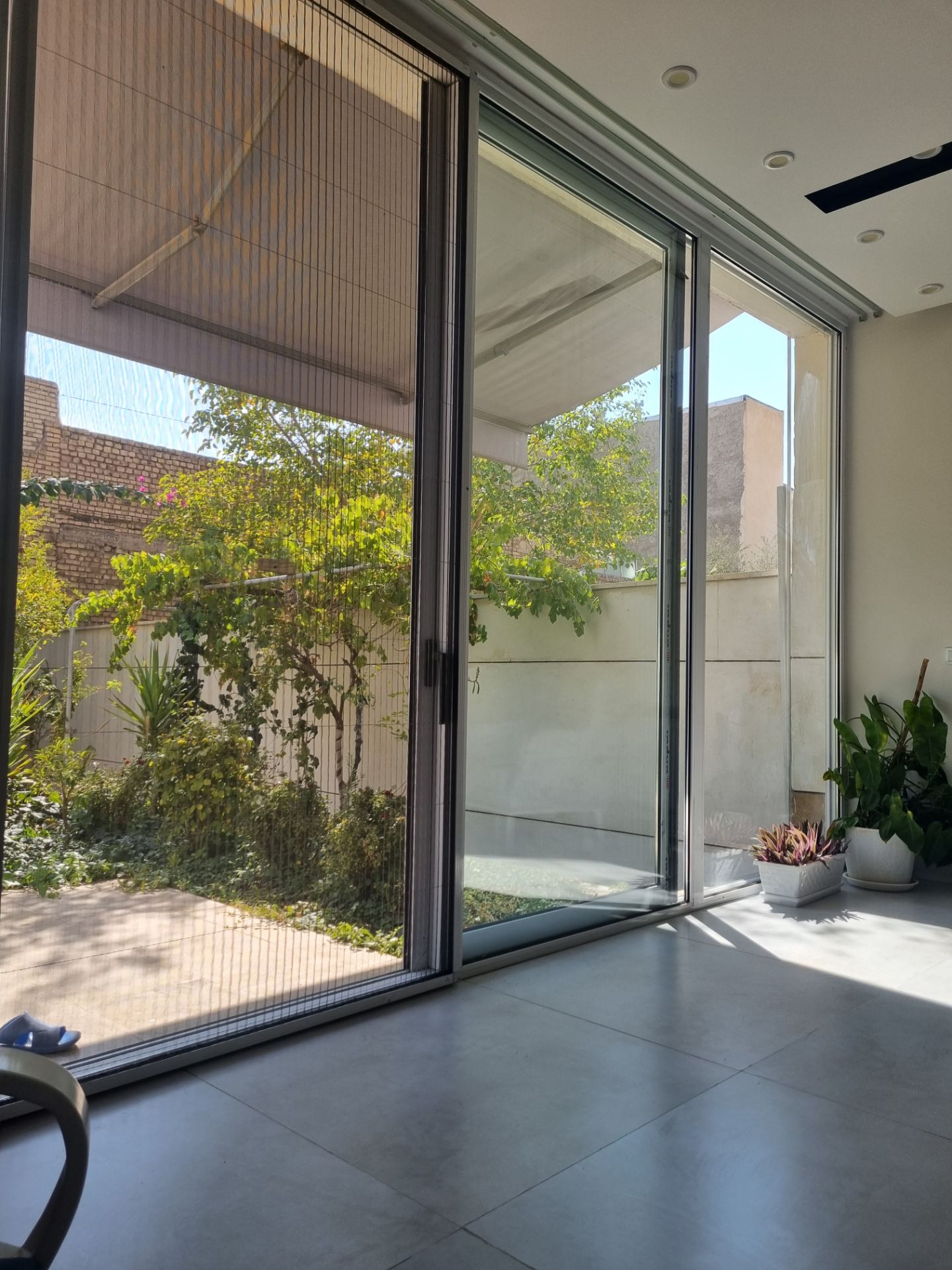
Curtain walls are designed to allow for maximum natural light and views of the surrounding environment. This feature is especially beneficial for buildings located in urban areas with limited natural light. Natural light has been proven to improve mental health, increase productivity, and reduce energy costs. Views of the surrounding environment have also been shown to increase productivity and reduce stress levels.
Structural Benefits
Curtain walls provide structural benefits that can help to extend the life of a building. The curtain wall system transfers the weight of the building away from the interior structure to the exterior frame, reducing the load on the building’s internal structure. This feature helps to prevent cracks in the building’s structure and can also help to reduce maintenance costs over time.
Noise Reduction
Curtain walls are designed to reduce noise levels in buildings. The glass panels used in the curtain wall system are typically thicker than standard windows, which helps to reduce outside noise. This feature is especially beneficial for buildings located in noisy urban areas, such as near highways or airports.

Disadvantages of Curtain Walls
Cost
One of the biggest disadvantages of curtain walls is their cost. Curtain walls can be expensive to manufacture and install. The cost of the glass panels, framing, and installation can quickly add up, making them prohibitive for some building projects.
Maintenance
Curtain walls require regular maintenance to ensure their longevity. The glass panels used in the curtain wall system can become dirty or damaged over time, requiring cleaning or replacement. The frames of the curtain walls can also become corroded, requiring maintenance to prevent rust or other damage.
Sealing Issues
Curtain walls are designed to be weather-resistant, but they can still experience sealing issues over time. The seals around the glass panels and frames can become damaged or degrade, allowing water or air to penetrate the building. This issue can lead to water damage, mold growth, and other issues that can be costly to repair.

Limited Design Flexibility
While curtain walls offer many design options, they can also be limiting in some ways. The size and shape of the building must be taken into consideration when designing a curtain wall system, and the design must be adapted to fit the building’s requirements. This limitation can make it difficult to use curtain walls in some building projects.
Structural Risks
Curtain walls carry a certain degree of structural risk. If not installed correctly, they can cause significant damage to the building, and even pose a safety hazard to occupants. This risk is especially high in areas that experience high winds or earthquakes, as the curtain wall system must be designed and installed to withstand these forces.
Environmental Impact
The production of curtain walls and their components can have a significant environmental impact. The manufacturing process for glass and aluminum can be energy-intensive and can contribute to greenhouse gas emissions. Additionally, the disposal of curtain walls at the end of their lifespan can be problematic if they are not recycled or disposed of properly.
Conclusion
Curtain walls offer many benefits, including aesthetic appeal, energy efficiency, natural light, and structural benefits. However, they also come with some disadvantages, including cost, maintenance, sealing issues, limited design flexibility, structural risks, and environmental impact.
When considering a curtain wall system for a building project, it is important to carefully evaluate the pros and cons and determine if the benefits outweigh the potential drawbacks. Factors such as building location, climate, and budget should also be taken into consideration.
Overall, curtain walls can be a valuable addition to modern buildings, but their use should be carefully considered to ensure that they are the right solution for a particular project. With proper design, installation, and maintenance, curtain walls can provide an attractive and efficient solution for building envelopes.

Leave A Comment