
Aluminium curtain wall profile
Introduction:
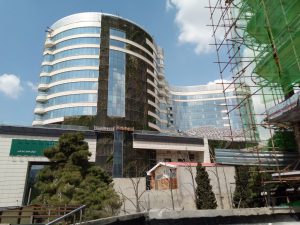
Curtain walls are non-structural cladding systems that are designed to resist air and water infiltration, seismic forces, and wind loads. They are used to provide aesthetic appeal and natural light to a building’s interior. Aluminium curtain wall profiles are among the most popular choices for commercial and residential buildings due to their durability, versatility, and energy efficiency. This article explores the features and benefits of aluminium curtain wall profiles.
Features:
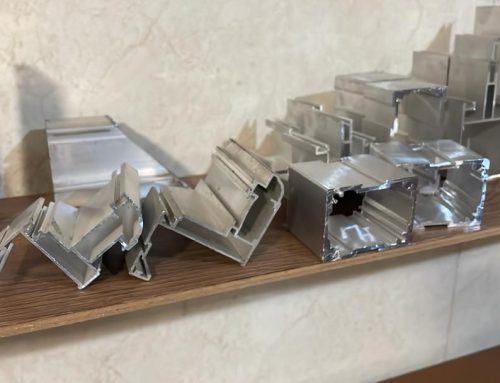
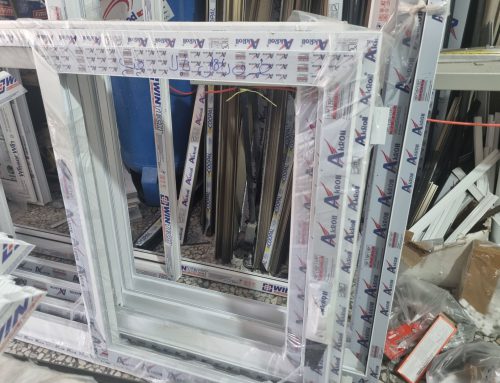
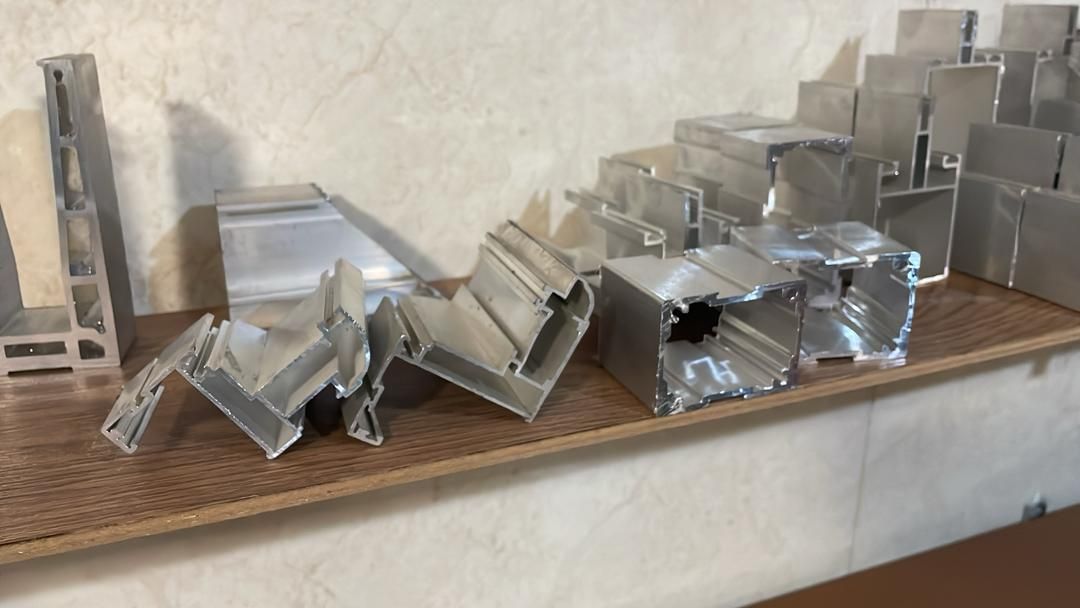
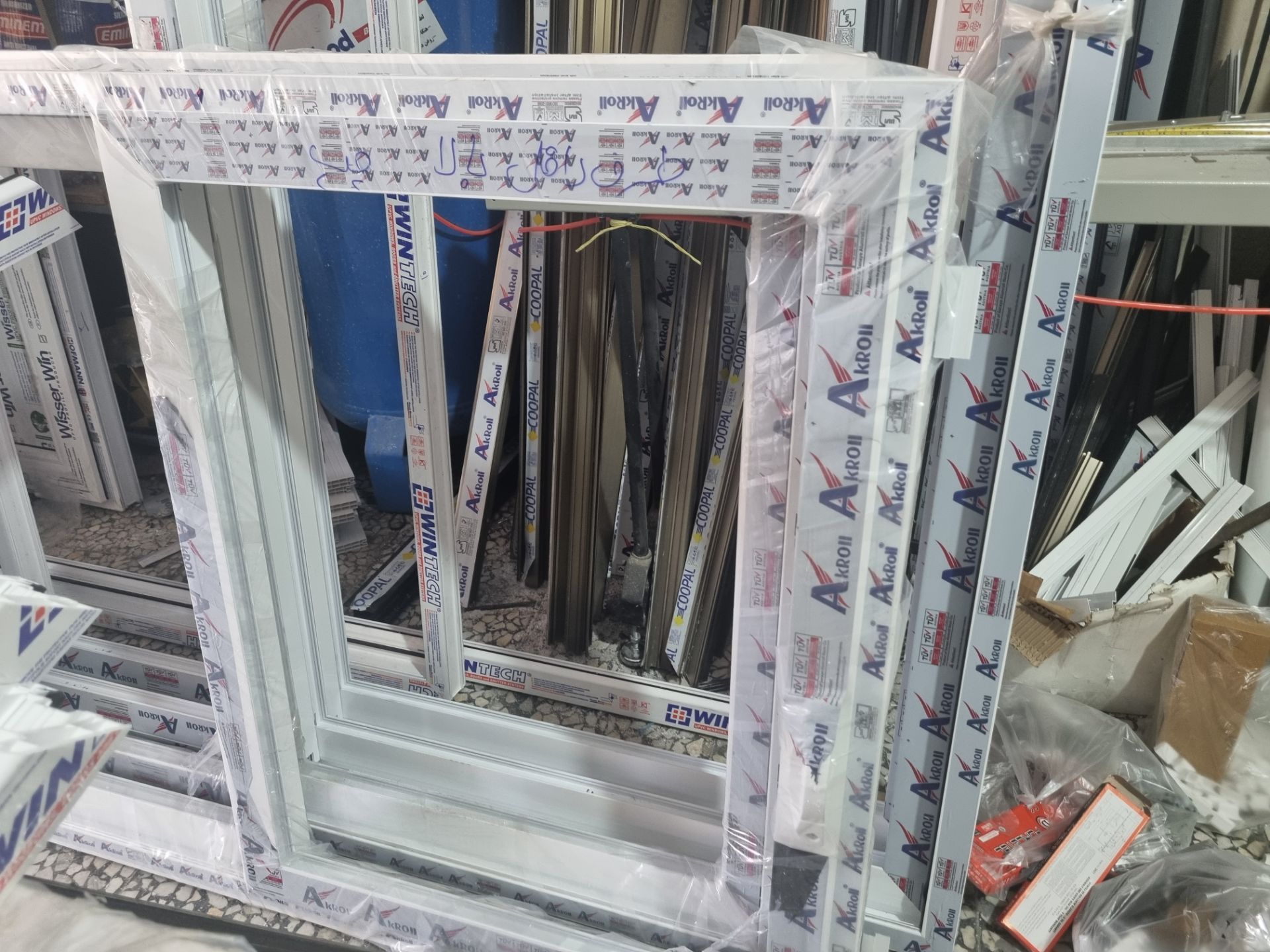
Aluminium curtain wall profiles are composed of several components, including the frame, glazing, insulation, and sealants. The frame is made of aluminium extrusions, which are lightweight, durable, and resistant to corrosion. The extrusions are available in various shapes and sizes to accommodate different architectural designs and building requirements. The most common shapes are rectangular, square, and trapezoidal.
The glazing is the glass panel that fills the frame. It is typically double-glazed or triple-glazed to provide insulation and reduce heat transfer. The glass can be tinted or coated to improve energy efficiency and reduce glare. The insulation is placed between the frame and the glazing to improve thermal performance and reduce condensation. The sealants are used to seal the joints between the components to prevent water and air infiltration.
Benefits:
Aluminium curtain wall profiles offer several benefits, including energy efficiency, durability, and aesthetic appeal. Here are some of the advantages:
Energy Efficiency:
Aluminium curtain wall profiles are designed to improve the energy efficiency of a building by reducing heat transfer and air infiltration. The double-glazed or triple-glazed glass panels provide insulation, while the insulation and sealants reduce air leakage. The profiles also allow natural light to enter the building, reducing the need for artificial lighting and saving energy.
Durability:
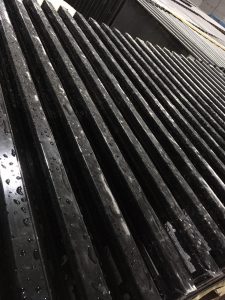
Aluminium curtain wall profiles are highly durable and can withstand extreme weather conditions. The aluminium extrusions are resistant to corrosion and do not warp, crack, or rot like other materials such as wood. The profiles also require minimal maintenance, making them an excellent choice for commercial and residential buildings.
Aesthetic Appeal:
Aluminium curtain wall profiles offer endless design possibilities and can be customized to suit any architectural style. The profiles can be painted or anodized in various colors to match the building’s exterior. The glass panels can also be tinted or coated to create different effects. The profiles provide a sleek and modern look to any building and increase its value.
Applications:
Aluminium curtain wall profiles are suitable for a wide range of applications, including commercial, residential, and institutional buildings. They are used in high-rise buildings, shopping centers, airports, hospitals, schools, and universities. Here are some of the applications:
Commercial Buildings:
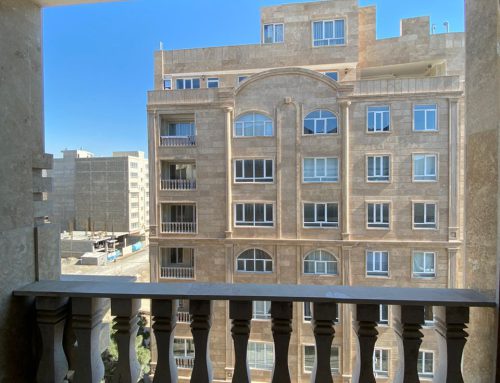
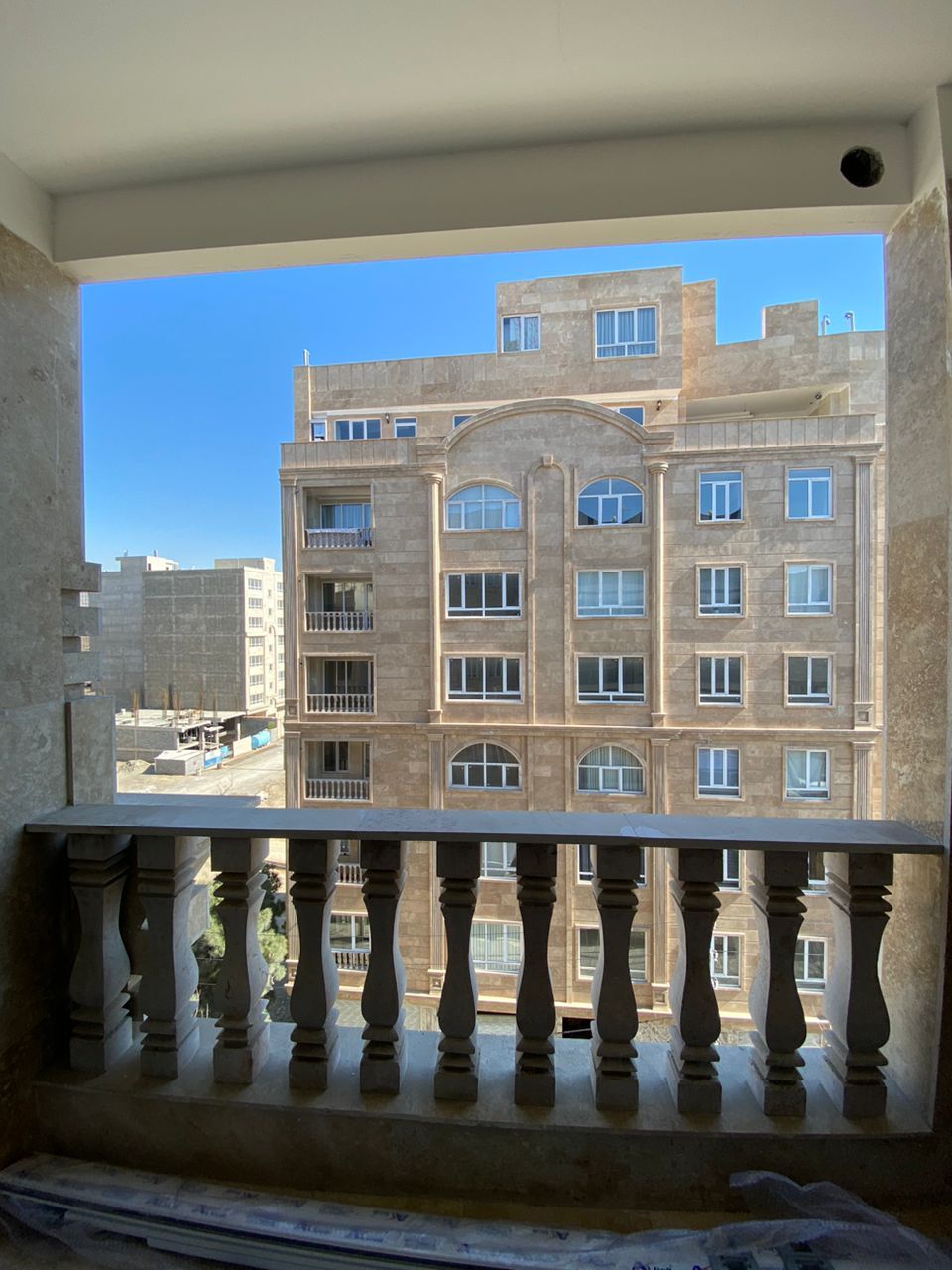
Aluminium curtain wall profiles are commonly used in commercial buildings such as office towers, hotels, and shopping centers. They provide a modern and sophisticated look to the building and enhance its aesthetic appeal. The profiles also allow natural light to enter the building, reducing the need for artificial lighting and saving energy.
Residential Buildings:
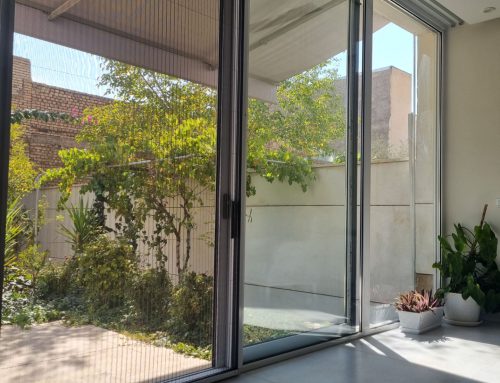
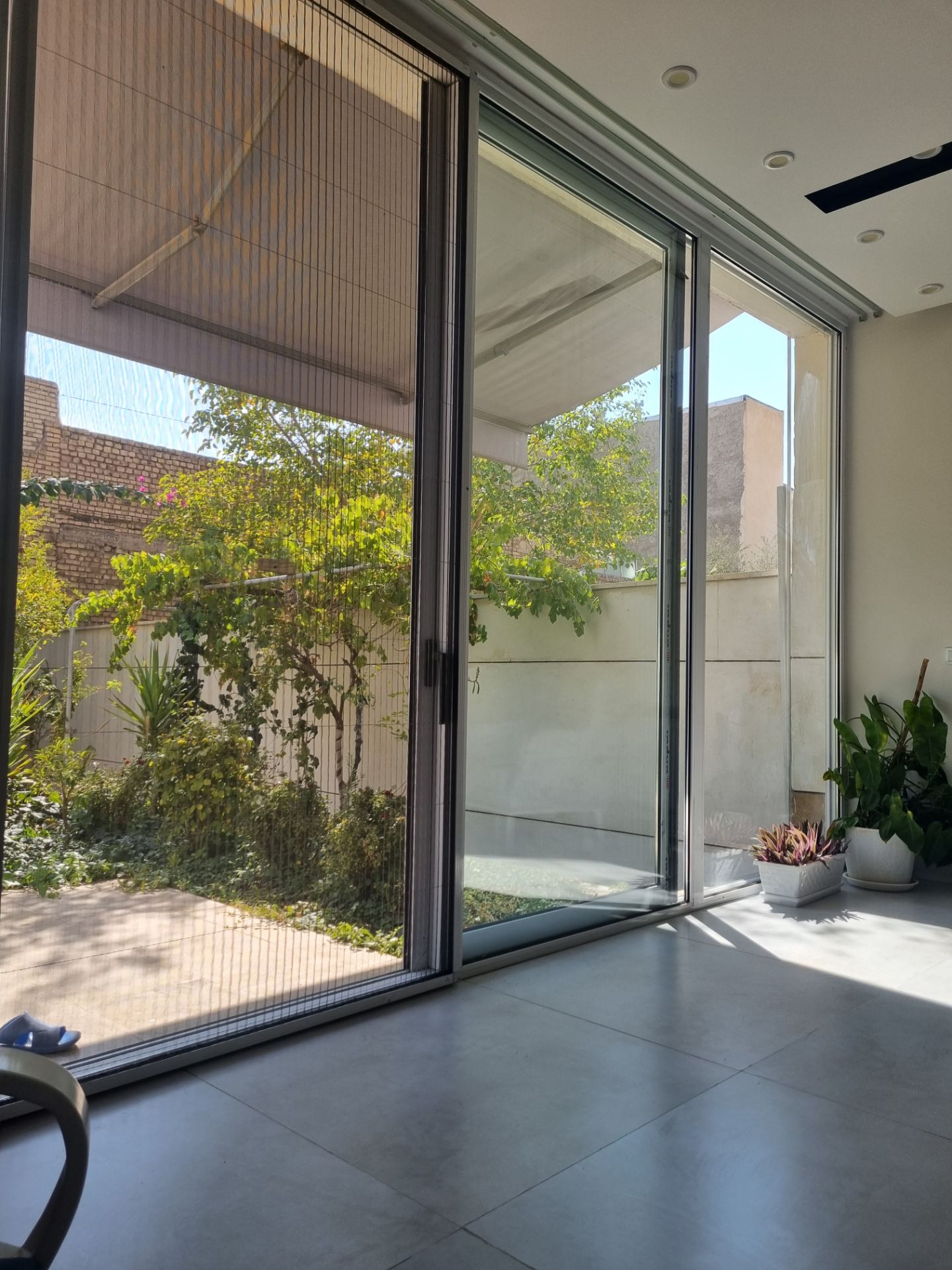
Aluminium curtain wall profiles are becoming increasingly popular in residential buildings such as apartments and condominiums. They provide a sleek and modern look to the building and offer excellent insulation, reducing energy costs. The profiles also provide a clear view of the outdoors, enhancing the living experience.
Institutional Buildings:
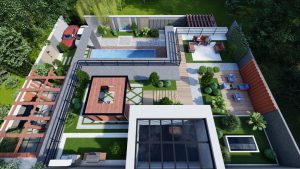
Aluminium curtain wall profiles are used in institutional buildings such as hospitals, schools, and universities. They provide a safe and secure environment for students and patients while allowing natural light to enter the building. The profiles also provide excellent insulation, reducing energy costs and improving thermal comfort.
Installation:
The installation of aluminium curtain wall profiles is a complex process that requires skilled professionals. Here are the steps involved:
Design:
The first step in installing aluminium curtain wall profiles is to design the system. The design includes calculations for wind loads, thermal performance, and water infiltration. The design team also determines the required dimensions, shapes, and materials for the extrusions, glazing, insulation, and sealants.
Fabrication:
Once the design is finalized, the aluminium extrusions are fabricated according to the specifications. The extrusions are cut, drilled, and shaped to the required dimensions and shapes. The glazing is also prepared, including the tinting or coating if necessary.
Installation:
The installation process begins with the installation of the anchor system, which holds the curtain wall profiles in place. The anchor system is attached to the building structure using screws or bolts. The aluminium extrusions are then installed onto the anchor system, and the glazing is inserted into the frame. The insulation and sealants are applied to the joints to prevent water and air infiltration.
Testing:
Once the installation is complete, the curtain wall system is tested for water infiltration, air leakage, and structural performance. The testing ensures that the system meets the required standards and performs as expected.
Maintenance:
Aluminium curtain wall profiles require minimal maintenance compared to other cladding systems. However, regular maintenance is necessary to ensure their longevity and performance. Here are some maintenance tips:
Cleaning:
Regular cleaning of the glass panels and aluminium frames is necessary to remove dirt, dust, and debris. The cleaning frequency depends on the location and environment of the building. For example, buildings located near highways or industrial areas may require more frequent cleaning.
Inspection:
Regular inspection of the curtain wall system is necessary to detect any signs of damage or wear. The inspection should include checking the anchor system, aluminium extrusions, glazing, insulation, and sealants. Any damages should be repaired immediately to prevent water infiltration and structural damage.
Repairs:
Repairs to the curtain wall system should be carried out by skilled professionals to ensure their quality and longevity. The repairs may include replacing damaged glass panels, sealants, or insulation. Any repairs should be done as soon as possible to prevent further damage and maintain the system’s performance.
Conclusion:
Aluminium curtain wall profiles offer numerous benefits, including energy efficiency, durability, and aesthetic appeal. They are suitable for various applications, including commercial, residential, and institutional buildings. The installation of aluminium curtain wall profiles is a complex process that requires skilled professionals. Regular maintenance is necessary to ensure their longevity and performance. Overall, aluminium curtain wall profiles are an excellent choice for building owners who are looking for a durable and energy-efficient cladding system with a modern and sleek look.
Aluminium curtain wall profile Aluminium curtain wall profile

Leave A Comment