
Types aluminium window profiles
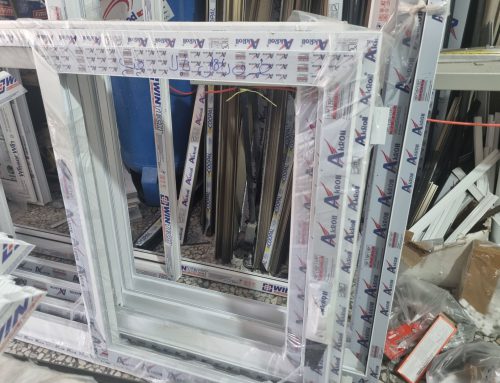
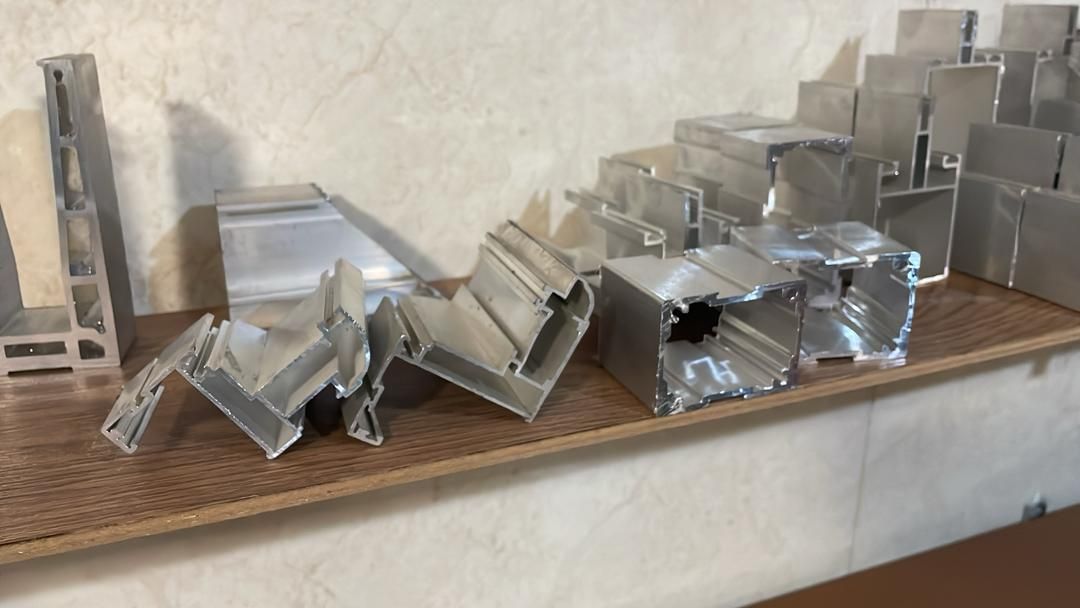
Aluminium window profiles are an excellent option for homeowners and builders looking for a durable, lightweight, and aesthetically pleasing window framing material. Aluminium profiles are commonly used in residential and commercial construction because of their flexibility, strength, and energy efficiency. There are several types of aluminium window profiles available, and each has its own unique features and benefits.
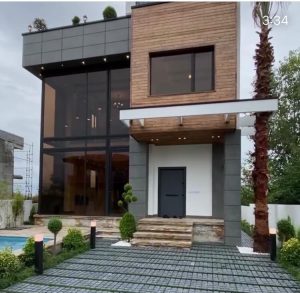
The types of aluminium window profiles include:
Casement window profiles
Sliding window profiles
Awning window profiles
Tilt and turn window profiles
Fixed window profiles
Casement Window Profiles:
Casement windows are one of the most popular types of windows used in residential and commercial buildings. They are hinged at the side and open outward, making them ideal for ventilation and natural light. Casement window profiles are available in various sizes, shapes, and designs. They are durable, energy-efficient, and easy to maintain. Casement windows are suitable for both contemporary and traditional style buildings.
Sliding Window Profiles:

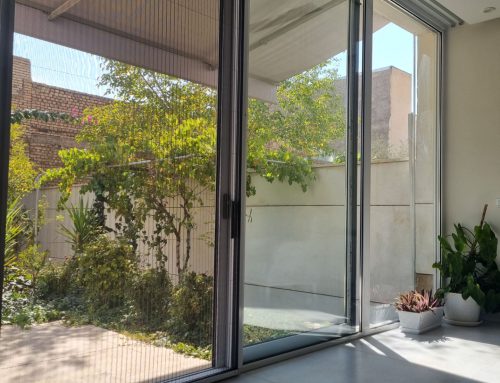
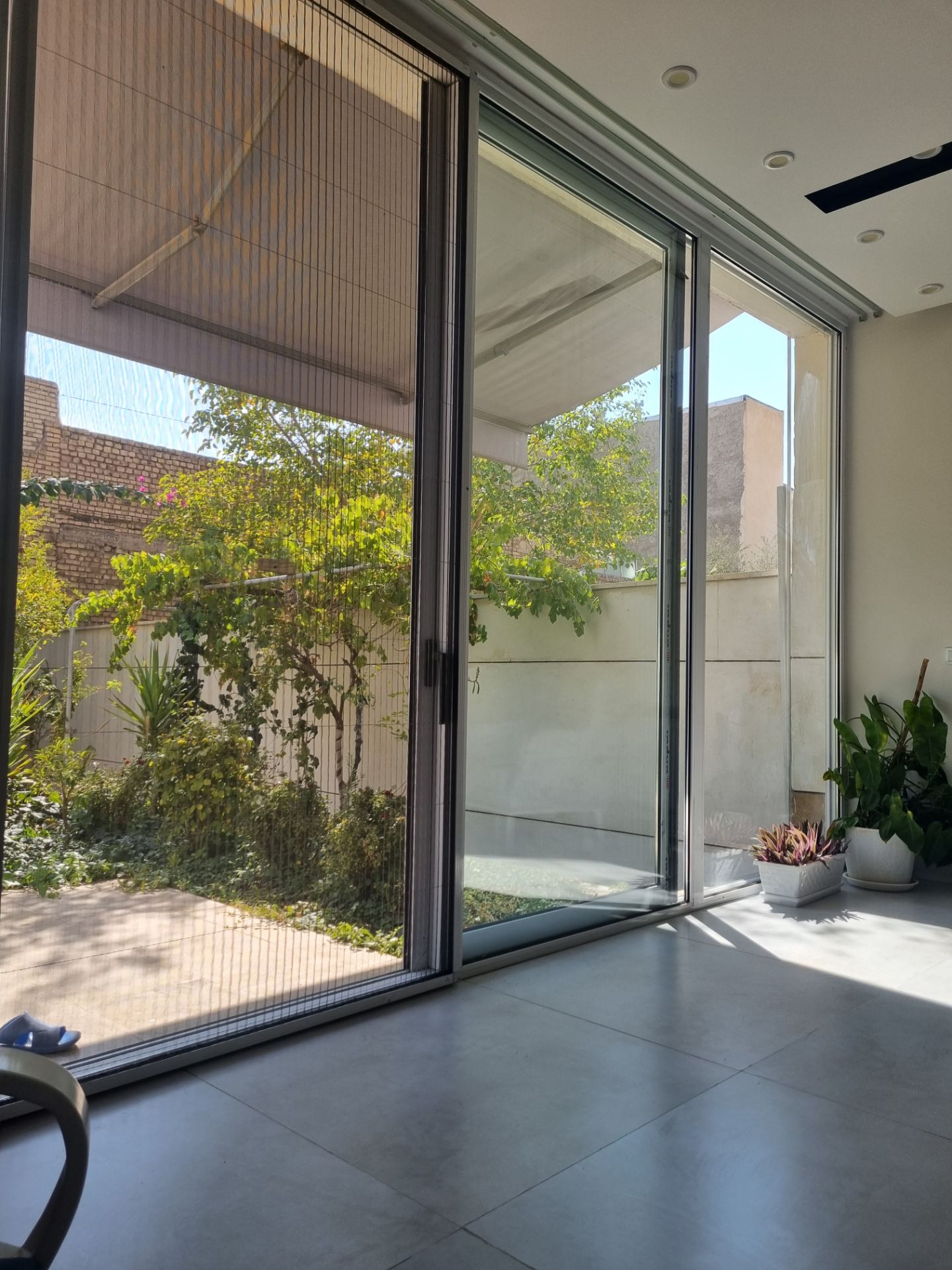
Sliding windows are another popular option for homeowners and builders. They are designed to slide horizontally along tracks, making them easy to operate and ideal for rooms where space is limited. Sliding window profiles are available in various sizes, and they can be customized to fit specific needs. They are energy-efficient, easy to maintain, and can be designed to match any architectural style.
Awning Window Profiles:
Awning windows are hinged at the top and open outward from the bottom, creating an awning-like effect. They are ideal for rooms that require ventilation and natural light, such as bathrooms and kitchens. Awning window profiles are available in various sizes and designs, and they are energy-efficient and easy to maintain. They are suitable for both contemporary and traditional style buildings.
Tilt and Turn Window Profiles:
Tilt and turn windows are a popular choice for homeowners and builders who want a window that can provide ventilation and security. They can be opened in two ways: they can tilt inwards from the top for ventilation or swing inwards from the side for easy cleaning and maintenance. Tilt and turn window profiles are available in various sizes and designs, and they are energy-efficient and easy to maintain. They are suitable for both contemporary and traditional style buildings.
Fixed Window Profiles:
Fixed windows are a non-operable type of window that provides natural light and views. They are ideal for rooms where ventilation is not required, such as hallways and stairwells. Fixed window profiles are available in various sizes and designs, and they are energy-efficient and easy to maintain. They are suitable for both contemporary and traditional style buildings.
Benefits of Aluminium Window Profiles:
Aluminium window profiles have several benefits that make them a popular choice for homeowners and builders.
Durability:
Aluminium is a strong and durable material that can withstand harsh weather conditions and extreme temperatures. Aluminium window profiles are resistant to corrosion, rot, and decay, making them an ideal choice for buildings located in coastal areas or areas with high humidity.
Lightweight:
All-focus
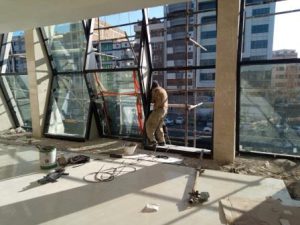
Aluminium is a lightweight material that makes it easy to transport and install. It also reduces the stress on the building’s structure, making it ideal for high-rise buildings.
Energy-Efficiency:
Aluminium window profiles are energy-efficient and can help reduce energy consumption and costs. They can be designed with thermal breaks, which help to insulate the window and reduce heat transfer.
Low Maintenance:
Aluminium window profiles require minimal maintenance and can last for many years without any significant repairs or replacements. They are resistant to fading, chipping, and peeling, making them an ideal choice for buildings that require low maintenance.
Aesthetics:
Aluminium window profiles are available in various designs, sizes, and colors, making them ideal for buildings of any architectural style. They can be customized to match the exterior and interior of the building, providing a seamless and polished look.
Cost-Effective:
Aluminium window profiles are cost-effective and provide a great return on investment. They are competitively priced compared to other window framing materials such as wood or vinyl, and their durability and energy-efficiency can result in long-term cost savings.
Eco-Friendly:
Aluminium is a sustainable and eco-friendly material that can be recycled and reused. The production of aluminium window profiles requires less energy compared to other materials, reducing the carbon footprint and environmental impact.
When choosing the right aluminium window profile for your building, it is essential to consider the following factors:
Building Design:
The type of aluminium window profile you choose should match the overall design and style of the building. For example, casement windows are more suitable for traditional style buildings, while sliding windows are ideal for modern and contemporary buildings.
Functionality:
The window’s functionality should also be considered, such as whether it needs to provide ventilation, natural light, or security. Tilt and turn windows are ideal for buildings that require both ventilation and security, while fixed windows are suitable for areas where natural light and views are necessary.
Energy Efficiency:
Energy efficiency is also an important factor to consider when choosing aluminium window profiles. The window profiles can be designed with thermal breaks and double-glazed glass to increase insulation and reduce heat transfer.
Maintenance:
The maintenance requirements of the aluminium window profiles should also be considered. Some types of profiles require more maintenance than others, such as sliding windows that require regular lubrication of the tracks.
In conclusion, aluminium window profiles offer several benefits, including durability, energy efficiency, low maintenance, aesthetics, and cost-effectiveness. The different types of aluminium window profiles provide flexibility and versatility to match any building design and functionality requirements. When choosing the right aluminium window profile, it is important to consider the building’s design, functionality, energy efficiency, and maintenance requirements. With the right aluminium window profile, you can enhance the beauty, comfort, and value of your building.

Leave A Comment