
Buy Opening vent Thermal profile

Introduction:
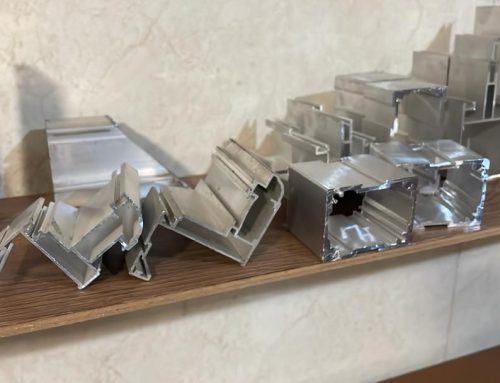
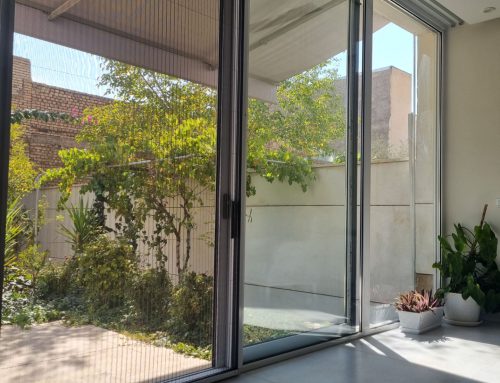
Buy Opening vent Thermal profile , In the quest for creating more comfortable and energy-efficient living spaces, architects and homeowners alike are constantly seeking innovative solutions. One such advancement in the realm of ventilation is the incorporation of thermal profile opening vents. These vents not only provide effective means of air circulation but also contribute significantly to the overall energy efficiency and comfort of a building.
Understanding Thermal Profile Opening Vents:
Thermal profile opening vents are specialized ventilation systems designed to regulate the indoor climate by allowing controlled airflow. What sets them apart is their ability to adapt to external temperature conditions, creating a responsive and energy-efficient solution. These vents are typically integrated into windows or walls and can be manually or automatically adjusted based on environmental factors.
Key Features and Benefits:
- Temperature Regulation: Thermal profile opening vents respond to changes in temperature, opening and closing to maintain an optimal indoor climate. During warmer periods, the vents open to facilitate cooling air circulation, while in colder conditions, they remain closed to preserve heat.
- Energy Efficiency: By intelligently managing the airflow, these vents contribute to energy efficiency by reducing the reliance on mechanical heating and cooling systems. This results in lower energy consumption and, consequently, reduced utility costs.
- Improved Indoor Air Quality: Adequate ventilation is crucial for maintaining good indoor air quality. Thermal profile opening vents ensure a constant supply of fresh air, preventing the buildup of pollutants, allergens, and excess humidity. This is particularly beneficial for occupants with respiratory conditions.
- Customizable Settings: Many thermal profile opening vents come equipped with customizable settings, allowing users to fine-tune the ventilation system according to their preferences and the specific requirements of the building.
- Noise Reduction: Properly designed thermal profile opening vents can also contribute to noise reduction, acting as a barrier against external sounds while still allowing for controlled airflow.
- Enhanced Comfort: The ability to maintain a consistent and comfortable indoor temperature adds to the overall well-being of occupants. This is especially valuable in regions with extreme temperature variations.
- Sustainable Design: The energy efficiency and reduced reliance on artificial heating and cooling make thermal profile opening vents a sustainable choice in building design. Sustainable practices not only benefit the environment but also align with contemporary architectural trends.
Installation and Maintenance:
The installation of thermal profile opening vents is typically carried out during the construction or renovation phase of a building. Proper placement and sizing are crucial to ensure optimal performance. Routine maintenance, including cleaning and lubrication, is essential to keep the vents functioning smoothly and efficiently over time.
Integration into Smart Homes:
As we move further into the era of smart homes, thermal profile opening vents are seamlessly integrating into these advanced ecosystems. With the rise of Internet of Things (IoT) technology, many vents can now be connected to smart home systems, allowing for remote control and automation. Homeowners can manage their indoor climate from anywhere using smartphone apps or voice-activated assistants, adding a layer of convenience to their lives.
Adapting to Climate Change:
Climate change brings about unpredictable weather patterns and extremes. Thermal profile opening vents serve as a responsive solution, helping buildings adapt to varying temperatures and climate conditions. This adaptability not only ensures comfort but also prepares structures to withstand the challenges posed by a changing climate.
Government Incentives and Energy Efficiency Standards:
With a growing emphasis on sustainability and energy efficiency, many governments around the world are offering incentives for implementing green building technologies. Thermal profile opening vents, being energy-efficient and environmentally friendly, often qualify for such incentives. Additionally, as energy efficiency standards become more stringent, the integration of these vents can help buildings meet and exceed regulatory requirements.
Challenges and Considerations:
While thermal profile opening vents offer numerous benefits, it’s essential to consider potential challenges. Factors such as the initial cost of installation and the need for proper maintenance should be weighed against the long-term energy savings and comfort advantages. Additionally, local climate conditions and building design should be taken into account to ensure the vents are optimally configured.
Future Innovations:
The field of building ventilation is continually evolving, and the future holds exciting possibilities for thermal profile opening vents. Ongoing research and development aim to enhance their efficiency, connectivity, and adaptability further. Integration with artificial intelligence and machine learning may enable these vents to learn occupant preferences and adjust settings autonomously, taking building climate control to a new level of sophistication.
Case Studies: Realizing the Impact
Examining real-world applications provides valuable insights into the tangible impact of thermal profile opening vents. Case studies demonstrate how these innovative systems have been successfully integrated into various buildings, showcasing their adaptability and effectiveness.
- Residential Retrofit in Temperate Climate: In a residential retrofit project in a temperate climate, thermal profile opening vents were installed in existing windows. Homeowners reported a noticeable improvement in indoor comfort, with reduced reliance on air conditioning during the summer months. This led to a significant decrease in energy bills, showcasing the immediate financial benefits of incorporating such technology.
- Commercial Building in Urban Setting: A commercial building in a bustling urban setting embraced thermal profile opening vents as part of its sustainability initiative. The automated vents responded to peak daylight hours by allowing natural ventilation, reducing the need for artificial lighting and air conditioning. The building achieved LEED (Leadership in Energy and Environmental Design) certification, underlining the positive environmental impact of this ventilation strategy.
- Hospitality Industry Implementation: In the hospitality industry, where guest comfort is paramount, thermal profile opening vents were incorporated into guest rooms. The system’s ability to adapt to varying weather conditions resulted in enhanced guest satisfaction. The hotel also reported a reduction in overall energy consumption, aligning with its commitment to sustainable and eco-friendly practices.
Global Trends and Market Adoption:
The adoption of thermal profile opening vents is part of a larger global trend toward sustainable building practices. As environmental consciousness grows, builders and developers are increasingly recognizing the value of energy-efficient solutions. Consequently, the market for these innovative vents is expanding, with more manufacturers offering advanced models that cater to a diverse range of architectural styles and climate conditions.
Collaboration and Industry Standards:
The widespread adoption of thermal profile opening vents also hinges on collaboration within the construction industry and the establishment of clear standards. Architects, engineers, manufacturers, and policymakers need to work in tandem to create guidelines that ensure the effective integration of these vents into diverse building designs. Industry standards can help streamline the implementation process and guarantee the reliability and performance of thermal profile opening vent systems.
Global Impact on Carbon Footprint:
One of the most significant contributions of thermal profile opening vents is their potential impact on reducing the carbon footprint of buildings. By decreasing reliance on traditional heating and cooling methods, these vents contribute to a significant reduction in greenhouse gas emissions. This aligns with global efforts to mitigate climate change and creates a more sustainable built environment.
Educational Initiatives and Awareness:
Educating architects, builders, and homeowners about the benefits of thermal profile opening vents is crucial for their widespread adoption. Awareness campaigns and educational initiatives can help demystify the technology, dispel misconceptions, and emphasize the positive impact on energy efficiency and indoor comfort. When stakeholders are well-informed, they are more likely to embrace these innovations in their projects.
Affordability and Accessibility:
To ensure inclusivity and broad adoption, it’s essential to address the affordability and accessibility of thermal profile opening vents. As technology advances and becomes more mainstream, the costs associated with manufacturing and installation are likely to decrease. Government incentives and subsidies can further encourage the incorporation of these systems into both new construction and retrofit projects.
Regulatory Support and Incentives:
Governments and regulatory bodies play a pivotal role in fostering the adoption of sustainable technologies. Offering financial incentives, tax breaks, or fast-tracking approvals for projects that incorporate thermal profile opening vents can accelerate their integration into the mainstream. These incentives not only benefit individual building owners but also contribute to the overall sustainability goals of a region or country.
Continuous Innovation and Research:
The journey doesn’t end with the current state of thermal profile opening vents. Continuous innovation and research are vital to improving their efficiency, durability, and adaptability. Investment in research and development will lead to the discovery of new materials, advanced automation features, and enhanced energy-saving capabilities. The evolution of these vents is part of a broader commitment to pushing the boundaries of what is possible in sustainable building practices.
Community Engagement and Social Impact:
The impact of thermal profile opening vents extends beyond the physical realm of buildings; it reaches into the heart of communities. Socially responsible architecture involves not only creating energy-efficient structures but also fostering a sense of community engagement. By integrating sustainable technologies like thermal profile opening vents, architects and builders contribute to a narrative of shared responsibility for the environment. Public awareness campaigns and community outreach programs can further amplify this impact, encouraging a collective commitment to sustainable living.
Resilience in the Face of Climate Challenges:
The adaptability of thermal profile opening vents positions them as a key asset in the face of climate challenges. As extreme weather events become more frequent, buildings equipped with these vents are better prepared to handle temperature fluctuations, ensuring the safety and well-being of occupants. This resilience is a critical aspect of sustainable design that addresses the pressing need for climate-resilient infrastructure.
Educational Institutions and Research Centers:
To accelerate the integration of thermal profile opening vents, educational institutions and research centers play a pivotal role. By incorporating these technologies into architectural and engineering curricula, the next generation of professionals will be well-equipped to champion sustainable practices. Research centers can explore new possibilities, pushing the boundaries of what is achievable with thermal profile opening vents and informing future advancements in building science.
Global Collaboration for Sustainable Urbanization:
The impact of thermal profile opening vents is not confined to individual buildings; it extends to shaping the urban landscape. Sustainable urbanization is a global challenge that demands collaborative solutions. By sharing best practices, technologies, and success stories, cities worldwide can work toward a collective vision of environmentally conscious and livable spaces. International collaborations can foster the exchange of ideas and accelerate the adoption of sustainable building practices on a global scale.
Measuring Success: Metrics and Monitoring:
To gauge the success of thermal profile opening vents in various projects, it is essential to establish metrics for performance and efficiency. Monitoring energy savings, indoor air quality improvements, and occupant satisfaction over time provides valuable data that can inform future designs and optimizations. These metrics contribute to a growing body of evidence supporting the efficacy of thermal profile opening vents as a sustainable and practical solution.
Continued Advocacy and Policy Influence:
Advocacy for sustainable building practices, including the integration of thermal profile opening vents, is an ongoing process. Architects, environmentalists, and industry leaders can play a crucial role in influencing policies that promote environmentally conscious construction. By actively engaging with policymakers, advocating for green building standards, and participating in discussions about urban planning, stakeholders can contribute to the development of regulatory frameworks that incentivize sustainable choices.
Global Sustainability Certifications:
The pursuit of sustainability often involves seeking recognition through established certifications. Thermal profile opening vents, when integrated into a building design, can contribute to achieving certifications such as BREEAM (Building Research Establishment Environmental Assessment Method), LEED, or other region-specific sustainability standards. These certifications not only validate a commitment to environmental responsibility but also enhance the market value of a building.
Public-Private Partnerships for Innovation:
To accelerate the adoption of thermal profile opening vents and similar sustainable technologies, fostering public-private partnerships is essential. Collaborations between government entities, private corporations, and research institutions can lead to innovative solutions, research initiatives, and pilot projects. These partnerships facilitate the sharing of resources, expertise, and data, creating a synergy that propels the sustainability agenda forward.
Feedback Loops for Continuous Improvement:
A critical aspect of the journey towards sustainability is the establishment of feedback loops. Building occupants, architects, and maintenance personnel can provide valuable insights into the performance of thermal profile opening vents through regular feedback. This information creates a continuous improvement cycle, guiding manufacturers and designers in refining their products and ensuring that future iterations meet the evolving needs of users.
Celebrating Success Stories and Awards:
Recognizing and celebrating successful projects that showcase the positive impact of thermal profile opening vents is instrumental in inspiring others. Industry awards and accolades can highlight exemplary efforts in sustainable design, encouraging architects and builders to aim for higher standards. These success stories serve as beacons, guiding the industry towards a future where sustainability is not just an aspiration but a standard practice.
Public Awareness and Behavioral Change:
While architects and builders play a crucial role in incorporating sustainable technologies, the end-users—building occupants—also have a part to play. Public awareness campaigns can educate individuals about the benefits of thermal profile opening vents, fostering a sense of responsibility towards sustainable living. Behavioral change, driven by understanding the environmental impact of daily choices, contributes to a culture of sustainability that extends beyond the confines of buildings.
User Experiences and Feedback:
User feedback plays a crucial role in assessing the success of any technology. Many occupants of buildings equipped with thermal profile opening vents express satisfaction with the improved indoor climate. Users appreciate the ability to personalize their environment, contributing to a sense of control and well-being. Positive experiences shared by occupants serve as powerful testimonials for the efficacy of these systems.
Looking Ahead: Anticipating Evolution in Building Design:
As we look ahead, the evolution of building design is inexorably tied to technological advancements. Thermal profile opening vents represent just one facet of this ongoing transformation. With continued research and development, we can anticipate even more sophisticated solutions that seamlessly integrate with the broader ecosystem of smart buildings. The synergy between sustainable architecture and technological innovation is poised to redefine our approach to creating living spaces that prioritize both comfort and environmental responsibility.
A Living Legacy:
In the grand tapestry of sustainable architecture, the integration of thermal profile opening vents represents a pivotal chapter. As buildings equipped with these technologies stand as symbols of progress, resilience, and environmental stewardship, they become a living legacy. This legacy extends far beyond the structures themselves; it shapes the way societies conceive, construct, and inhabit their built environments.
In Conclusion: The Ever-Evolving Landscape of Sustainability:
The narrative of thermal profile opening vents unfolds within the broader context of a rapidly evolving landscape of sustainability. As technology advances, policies adapt, and societal values shift, the role of innovative ventilation systems continues to expand. It is a story of adaptation, collaboration, and a collective commitment to leaving a positive imprint on the planet.
Embracing the full potential of thermal profile opening vents requires a multi-faceted approach—one that involves architects, policymakers, communities, and individuals. As we navigate the complexities of urbanization, climate challenges, and resource constraints, the integration of sustainable technologies becomes not just an option but a necessity.
In the end, the story of thermal profile opening vents is not static; it’s a dynamic tale of ongoing innovation, advocacy, and a shared vision for a sustainable and resilient future. Through a collective effort, we shape not only the buildings of today but also the legacy we leave for generations to come , Buy Opening vent Thermal profile ,Buy Opening vent Thermal profile , Buy Opening vent Thermal profile , Buy Opening vent Thermal profile , Buy Opening vent Thermal profile.



Leave A Comment