
Buy Metal strap profile
Introduction
Metal strap profiles play a crucial role in various industries, offering strength, durability, and versatility in a wide range of applications. From construction projects to manufacturing and even decorative uses, the choice of metal strap profiles can significantly impact the success of a project. In this article, we will explore the key factors to consider when buying metal strap profiles, ensuring you make an informed decision that aligns with your project requirements.
-
Material Selection
One of the primary considerations when buying metal strap profiles is the material. Different metals offer varying levels of strength, corrosion resistance, and aesthetics. Common materials include stainless steel, aluminum, galvanized steel, and carbon steel.
- Stainless Steel: Known for its corrosion resistance, stainless steel is an excellent choice for outdoor applications and environments with high humidity.
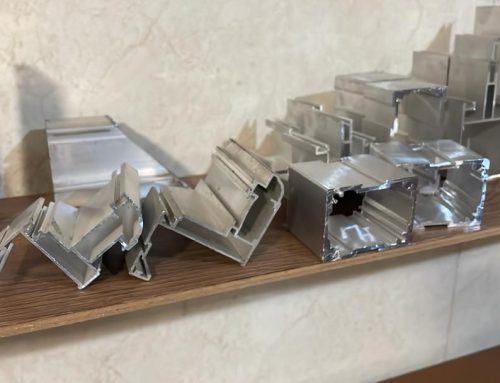
- Aluminum: Lightweight and corrosion-resistant, aluminum is ideal for applications where weight is a critical factor, such as in aerospace or transportation.
- Galvanized Steel: This type of steel is coated with a layer of zinc to enhance corrosion resistance, making it suitable for outdoor use.
- Carbon Steel: Known for its strength, carbon steel is often used in heavy-duty applications, but it may require additional coatings to prevent corrosion.
-
Profile Dimensions
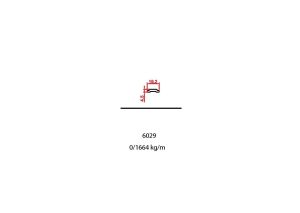
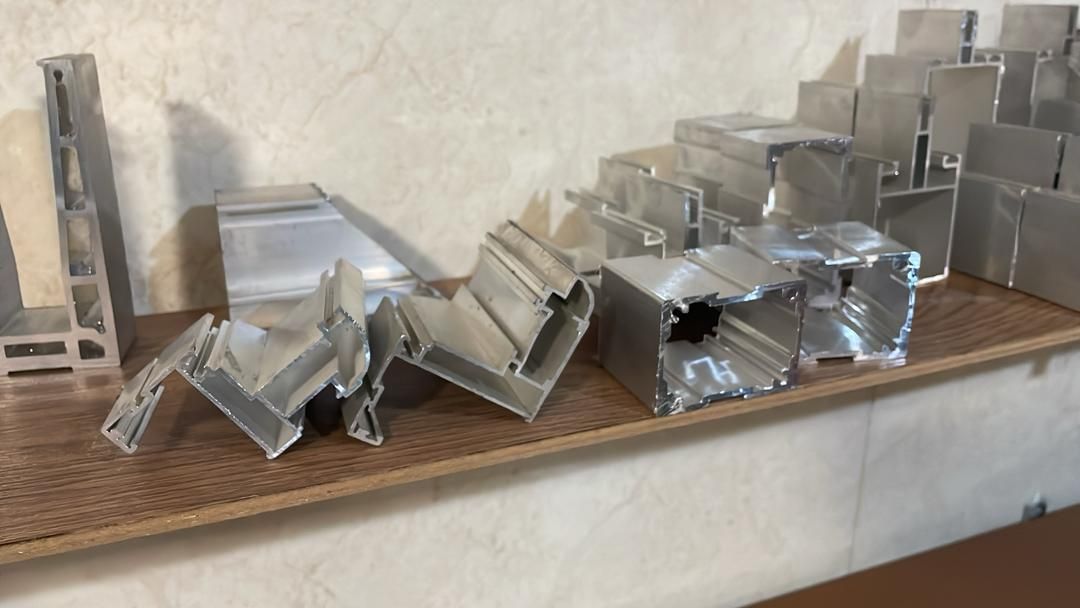
Metal strap profiles come in a variety of shapes and sizes, each serving a specific purpose. The dimensions of the profile, including width, thickness, and length, should be chosen based on the intended application and load-bearing requirements. Thicker profiles generally offer greater strength, but they may also be heavier.
Consider consulting with a structural engineer or a professional in your industry to determine the optimal dimensions for your specific project. It’s crucial to strike a balance between strength and weight, ensuring the metal strap profile meets both safety and efficiency criteria.
-
Surface Finish
The surface finish of a metal strap profile can impact its aesthetics, corrosion resistance, and overall durability. Common surface finishes include:
- Polished: Provides a shiny, smooth surface, often chosen for decorative or architectural applications.
- Brushed: Offers a textured appearance, hiding scratches and fingerprints, making it suitable for high-traffic areas.
- Galvanized: Provides a protective zinc coating for enhanced corrosion resistance, ideal for outdoor and industrial applications.
Choose a surface finish that aligns with your project’s visual requirements and environmental conditions.
-
Sustainability
As sustainability becomes an increasingly important consideration in construction and manufacturing, it’s essential to evaluate the environmental impact of the chosen metal strap profiles. Look for materials that are recyclable and consider the manufacturing processes involved. Opting for recycled or recyclable materials contributes to a more sustainable and eco-friendly choice.
-
Cost Considerations
While it’s crucial to prioritize quality and suitability for your project, cost is a significant factor in the decision-making process. Different metal materials and finishes come with varying price tags. It’s essential to strike a balance between your budget constraints and the performance requirements of the metal strap profiles.
Consider the long-term cost implications as well. Higher initial costs for a premium material or finish may be justified if it translates into lower maintenance and replacement expenses over time. Assess the total cost of ownership to make a well-informed decision that aligns with your budget and project goals.
-
Compliance and Standards
Ensure that the chosen metal strap profiles comply with industry standards and regulations. Different applications may have specific requirements, and using non-compliant materials can lead to safety hazards and legal issues. Check for certifications and standards relevant to your industry and geographic location to guarantee that your chosen metal strap profiles meet the necessary criteria.
-
Supplier Reputation
Choosing a reputable and reliable supplier is as important as selecting the right metal strap profiles. Research suppliers thoroughly, considering factors such as their reputation in the industry, customer reviews, and the quality of their products. A reliable supplier will provide you with not only high-quality materials but also excellent customer service, timely delivery, and support throughout your project.
-
Customization Options
Depending on the complexity of your project, you may require customized metal strap profiles. Check if the supplier offers customization options in terms of dimensions, finishes, and additional features. Customization ensures that the metal strap profiles precisely meet your project’s unique requirements, providing a tailored solution for optimal performance.
-
Installation and Maintenance
Consider the ease of installation and maintenance when selecting metal strap profiles. Some materials may require specialized tools or techniques for installation, and certain finishes may demand specific maintenance practices to retain their appearance and performance. Understanding these requirements can contribute to a smoother installation process and reduce long-term maintenance costs.
-
Future Expansion and Compatibility
Anticipate future needs and potential changes to your project. Choosing metal strap profiles that allow for easy modification or expansion can save time and resources in the long run. Consider the compatibility of the chosen profiles with other materials and systems in your project to ensure a seamless integration.
-
Weather and Environmental Factors
The environmental conditions in which the metal strap profiles will be used play a significant role in their performance and longevity. If your project involves outdoor applications, consider factors such as exposure to sunlight, extreme temperatures, and moisture. Certain metals and finishes are better suited for specific environmental conditions, so choose accordingly to enhance the durability of your investment.
-
Feedback and Lessons Learned
Before finalizing your decision, seek feedback from professionals in your industry who have experience with similar projects. Learn from their successes and challenges to refine your approach. This collective wisdom can provide valuable insights and help you avoid potential pitfalls in the selection and use of metal strap profiles.
-
Case Studies and Success Stories
Explore case studies and success stories related to projects that used similar metal strap profiles. Real-world examples can provide valuable insights into the performance and durability of specific materials and finishes. By learning from the experiences of others, you can gain a better understanding of how well certain metal strap profiles have performed in different applications and environments.
-
Warranty and Quality Assurance
Before finalizing your purchase, inquire about the warranty and quality assurance provided by the supplier. A reliable supplier should stand behind the quality of their products, offering warranties that demonstrate their confidence in the durability and performance of the metal strap profiles. Understanding the terms and conditions of the warranty will give you peace of mind and assurance regarding the longevity of your investment.
-
Continuous Improvement and Innovation
Stay informed about advancements in metal strap profile technology and manufacturing processes. Continuous improvement and innovation in the industry may introduce new materials or features that can enhance the performance and sustainability of your project. Regularly assess the market to ensure that your chosen metal strap profiles align with the latest industry standards and technological advancements.
-
Project Documentation
Maintain comprehensive documentation throughout the entire process, from the initial selection of metal strap profiles to installation and ongoing maintenance. Accurate documentation can be invaluable for future reference, especially if modifications or expansions are required. It serves as a reference point for any troubleshooting, repairs, or replacements that may be necessary down the line.
-
Post-Project Evaluation
After the completion of your project, conduct a thorough post-project evaluation. Assess the performance of the chosen metal strap profiles in real-world conditions and compare the actual outcomes with your initial expectations. This evaluation process can provide valuable feedback for future projects and help refine your decision-making process when selecting metal strap profiles.
-
Recommendations for Further Research
As technology and materials science continue to advance, it is advisable to stay updated on the latest research in the field of metal strap profiles. Explore academic journals, industry publications, and attend conferences or workshops to gain insights into emerging trends, innovative materials, and improved manufacturing techniques. Staying informed will empower you to make future decisions that incorporate cutting-edge solutions and maintain a competitive edge in your projects.
-
Community Engagement and Networking
Engage with professional communities and networks related to your industry. Join forums, online communities, or attend local events where professionals discuss their experiences with metal strap profiles. Networking with peers can provide valuable firsthand knowledge, recommendations for reputable suppliers, and insights into best practices.
-
Continuous Learning
The field of construction, manufacturing, and materials engineering is dynamic and continually evolving. Embrace a mindset of continuous learning to stay ahead of industry developments. Attend workshops, webinars, and training programs to deepen your understanding of the factors influencing the performance of metal strap profiles. This commitment to ongoing education will enhance your decision-making capabilities in future projects.
-
Feedback Loop Implementation
Establish a feedback loop within your organization or project team to collect insights from various stakeholders. Encourage open communication about the performance of the selected metal strap profiles, any challenges encountered, and areas for improvement. This iterative feedback loop can lead to refined decision-making processes in subsequent projects.
-
Adaptation to Changing Circumstances
Be prepared to adapt to changing circumstances, whether they involve advancements in technology, shifts in industry regulations, or modifications to project requirements. Flexibility and adaptability are key traits that will enable you to navigate uncertainties and make informed decisions that align with the evolving landscape of your industry.
-
Documenting Lessons Learned
Document the lessons learned from each project involving metal strap profiles. Create a repository of information that includes successful strategies, challenges faced, and solutions implemented. This documentation serves as a valuable resource for future projects, allowing you to build on past experiences and continuously improve your decision-making process.
-
Celebrate Success and Learn from Setbacks
Acknowledge and celebrate successful outcomes resulting from well-informed decisions regarding metal strap profiles. Equally important, use setbacks or challenges as learning opportunities. Analyze any unexpected issues that may have arisen and incorporate these lessons into your decision-making framework, fostering a culture of continuous improvement within your organization.
-
Future Trends and Emerging Technologies
Look towards the future and anticipate trends in the metal strap profile industry. Stay informed about emerging technologies, sustainable practices, and innovative materials. This forward-thinking approach will position you to make proactive decisions that align with the evolving needs of your projects and industry standards.
-
Conclusion
Buying metal strap profiles is a critical step in ensuring the success and longevity of your project. By considering a range of factors, including material selection, dimensions, surface finish, sustainability, cost, compliance, supplier reputation, customization options, installation and maintenance requirements, future expansion, weather considerations, feedback, case studies, warranty, continuous improvement, project documentation, and post-project evaluation, you can make well-informed decisions that align with your project goals.
Remember that each project is unique, and the specific requirements may vary. Engage with industry experts, leverage available resources, and stay attuned to industry trends to make decisions that not only meet your immediate needs but also position your project for long-term success. With careful consideration and attention to detail, you can confidently choose metal strap profiles that provide the strength, style, and sustainability required for your specific application.



Leave A Comment