
Buy Curtain wall mullion profiles
Introduction:
Curtain wall systems have revolutionized the architecture and construction industries, offering a versatile and aesthetically pleasing solution for building facades. Among the key components of curtain wall systems, mullion profiles play a crucial role in providing structural support and enhancing the overall performance of the system. In this article, we will delve into the world of curtain wall mullion profiles, exploring their importance, benefits, and considerations when purchasing.
Understanding Curtain Wall Mullion Profiles:
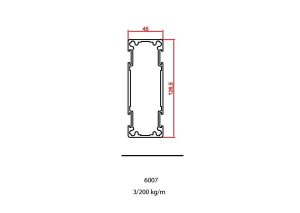
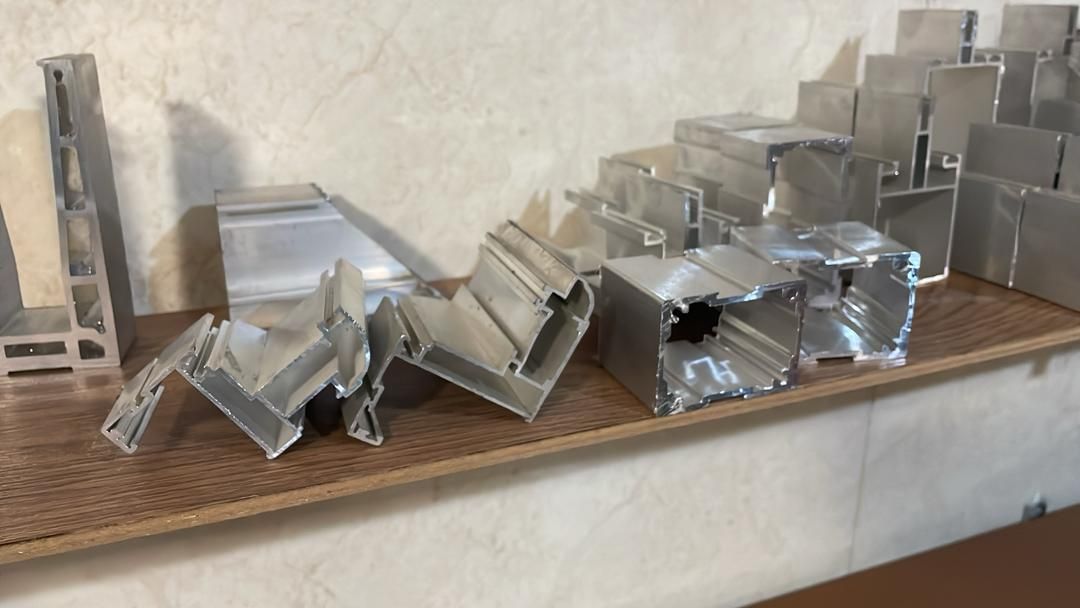
Curtain wall mullion profiles are vertical or horizontal members that connect and support the glass or other infill panels within a curtain wall system. These profiles are essential for distributing the loads imposed by wind, gravity, and other external forces, ensuring the stability and integrity of the entire structure.
Advantages of Curtain Wall Mullion Profiles:
- Structural Integrity: One of the primary functions of mullion profiles is to provide structural support to the curtain wall system. The profiles are designed to withstand various loads, including wind, snow, and seismic forces, ensuring the stability and safety of the building.
- Thermal Performance: Modern curtain wall mullion profiles are often designed with thermal breaks or insulating materials to enhance the thermal performance of the building envelope. This helps in reducing energy consumption and maintaining a comfortable interior environment.
- Aesthetic Flexibility: Mullion profiles contribute significantly to the visual appeal of a building’s façade. Manufacturers offer a wide range of designs, finishes, and colors, allowing architects and designers to create customized and visually striking curtain wall systems that complement the overall architectural vision.
- Versatility: Curtain wall mullion profiles come in various shapes and sizes, catering to the diverse design requirements of different projects. This versatility allows architects to explore creative and innovative designs while ensuring the functionality of the curtain wall system.
- Installation Efficiency: Well-designed mullion profiles contribute to the ease and efficiency of the installation process. They are engineered for quick and straightforward assembly, reducing construction time and costs.
Considerations When Buying Curtain Wall Mullion Profiles:
- Material Selection: Mullion profiles are commonly made from aluminum, steel, or other materials. The choice of material depends on factors such as structural requirements, thermal performance, and budget constraints.
- Design and Aesthetics: Consider the design options offered by manufacturers, ensuring that the mullion profiles align with the architectural vision of the project. Customization possibilities, such as color choices and finishes, should also be taken into account.
- Structural Requirements: Assess the specific structural requirements of the project, including wind loads, seismic considerations, and other environmental factors. Choose mullion profiles that meet or exceed these requirements to ensure the longevity and safety of the curtain wall system.
- Thermal Performance: Evaluate the thermal performance of the mullion profiles, especially if energy efficiency is a key consideration for the project. Look for profiles with thermal breaks or insulating features to enhance the building’s overall energy performance.
- Manufacturer Reputation: Choose mullion profiles from reputable manufacturers with a track record of producing high-quality and reliable products. Read customer reviews, check certifications, and seek recommendations to ensure the chosen profiles meet industry standards.
Innovations in Curtain Wall Mullion Profiles:
As technology continues to advance, the curtain wall industry sees ongoing innovations in mullion profile design. Some manufacturers are incorporating advanced materials, such as fiber-reinforced composites, to enhance the strength-to-weight ratio of mullion profiles. This not only contributes to improved structural performance but also supports sustainability goals by reducing material usage.
Additionally, smart technologies are being integrated into curtain wall systems, including mullion profiles. Some profiles are designed to accommodate sensors and automation, allowing for responsive building envelopes that adapt to environmental conditions. This not only enhances energy efficiency but also provides occupants with a more comfortable and dynamic indoor environment.
Environmental Considerations:
Sustainable and eco-friendly construction practices are gaining prominence in the architectural and construction industries. When selecting curtain wall mullion profiles, it’s essential to consider the environmental impact of the chosen materials. Opting for recyclable materials and designs that promote energy efficiency aligns with the broader industry trend towards sustainable building practices.
Maintenance and Long-Term Durability:
Curtain wall mullion profiles play a critical role in the long-term durability of a building’s façade. It’s crucial to consider the maintenance requirements of the chosen profiles and ensure they can withstand the local climate conditions. Regular inspection and maintenance can help extend the lifespan of the curtain wall system and prevent potential issues.
Collaboration with Manufacturers:
Effective collaboration between architects, designers, and manufacturers is key to ensuring the successful integration of curtain wall mullion profiles into a building project. Engaging with manufacturers early in the design process allows for a better understanding of available options, customization possibilities, and technical specifications. This collaboration fosters a seamless integration of aesthetics, functionality, and structural performance.
Continuous Evolution and Industry Trends:
The curtain wall industry is dynamic, and trends in design and technology are ever-evolving. Staying abreast of industry trends is crucial for architects and builders aiming to create structures that not only meet current standards but also anticipate future needs. Integrated technologies, sustainable practices, and innovative materials will likely continue to shape the landscape of curtain wall systems, including mullion profiles.
BIM (Building Information Modeling) is becoming increasingly prevalent in the design and construction of complex building projects. Architects and builders leverage BIM to create accurate 3D models that include detailed information about every component, including mullion profiles. This collaborative approach enhances communication, reduces errors, and ensures a more seamless construction process.
Challenges and Solutions:
While curtain wall mullion profiles offer numerous benefits, they also present certain challenges. Balancing structural requirements with aesthetic considerations, especially in projects with intricate or unconventional designs, can be a complex task. Moreover, ensuring compatibility with other building systems and components requires meticulous planning and coordination.
To address these challenges, manufacturers are investing in research and development to create mullion profiles that strike a perfect balance between form and function. Computer-aided design tools and simulation technologies enable thorough testing and analysis, ensuring that mullion profiles meet or exceed performance expectations.
Case Studies and Success Stories:
Examining case studies of successful projects that utilized innovative curtain wall mullion profiles can provide valuable insights. Architects and builders can learn from the experiences of their peers, gaining inspiration and practical knowledge for their own projects. Case studies also highlight the adaptability and versatility of mullion profiles in various architectural contexts.
Navigating the Procurement Process:
Once the decision to purchase curtain wall mullion profiles is made, navigating the procurement process becomes a critical step. Architects, builders, and project managers need to collaborate closely with suppliers or manufacturers to ensure a smooth and efficient acquisition of the chosen profiles.
- Request for Proposals (RFPs): Begin by creating a detailed Request for Proposals outlining the project’s specific requirements, design expectations, and performance standards. This document should also include information on quantities, timelines, and any customization needs.
- Supplier Selection: Evaluate potential suppliers based on their reputation, experience, and ability to meet the project’s unique demands. Consider factors such as production capacity, lead times, and the supplier’s track record in delivering high-quality mullion profiles.
- Material Samples and Mock-ups: Request material samples and, if feasible, mock-ups of the mullion profiles to assess their quality, finish, and compatibility with the overall design. This step helps avoid potential issues during the manufacturing and installation phases.
- Cost Analysis: Obtain detailed cost estimates from potential suppliers, considering not only the initial purchase price but also factors such as transportation costs, installation expenses, and any long-term maintenance considerations.
- Collaboration and Communication: Maintain open lines of communication with the selected supplier throughout the procurement process. Address any concerns or questions promptly to ensure a transparent and collaborative partnership.
Installation and Quality Assurance:
Once the curtain wall mullion profiles are procured, the focus shifts to the installation phase. Effective coordination between the construction team and the installation crew is essential to ensure that the mullion profiles are integrated seamlessly into the overall curtain wall system.
- Installation Planning: Develop a detailed installation plan that considers the sequence of installation, safety measures, and any specific requirements for handling and securing the mullion profiles. This planning phase helps avoid disruptions and delays during construction.
- Quality Assurance: Implement a robust quality assurance program to monitor the manufacturing and installation processes. Regular inspections, adherence to industry standards, and collaboration with the supplier can help identify and address any issues promptly.
- Testing and Commissioning: Conduct thorough testing of the curtain wall system, including mullion profiles, to ensure compliance with performance specifications. This may involve structural testing, water penetration testing, and other assessments to validate the system’s integrity.
- Documentation and Maintenance Guidelines: As the project nears completion, ensure that comprehensive documentation, including as-built drawings and maintenance guidelines, is provided. This information is invaluable for future maintenance and any potential renovations or modifications.
Post-Installation Considerations:
Even after successful installation, ongoing considerations are crucial to maintaining the longevity and performance of the curtain wall system and its mullion profiles.
- Regular Maintenance: Establish a routine maintenance schedule for the entire curtain wall system, paying particular attention to mullion profiles. Regular inspections and maintenance help prevent deterioration and ensure the system continues to function optimally.
- Adaptability to Future Changes: Consider the adaptability of the curtain wall system to future changes or renovations. Flexible designs and modular components can facilitate modifications without compromising the integrity of the existing structure.
- Technology Upgrades: Stay informed about advancements in curtain wall technology and mullion profile design. Upgrading to newer materials or incorporating smart technologies can enhance the performance and energy efficiency of the system over time.
Final Thoughts and Future Trends:
As the architectural landscape continues to evolve, so too will the technology, materials, and design principles associated with curtain wall mullion profiles. Staying attuned to emerging trends is crucial for professionals seeking to push the boundaries of innovation and sustainability.
- Incorporation of Sustainable Materials: The demand for sustainable and eco-friendly building practices is on the rise. Manufacturers are exploring the use of recycled and environmentally friendly materials in the production of mullion profiles to align with the broader industry shift towards green construction.
- Integration of Smart Technologies: The advent of smart building technologies is influencing the design of curtain wall systems, including mullion profiles. Incorporating sensors, adaptive shading systems, and energy-efficient technologies into mullion profiles can enhance the overall performance and efficiency of the building envelope.
- Parametric Design and Customization: Parametric design tools are enabling architects to create complex and highly customized structures. Mullion profiles, with their inherent versatility, can be designed parametrically to achieve intricate patterns and shapes, allowing for unparalleled design freedom.
- Enhanced Thermal Performance: As energy efficiency becomes a central concern in construction, future mullion profiles are likely to feature advanced thermal break technologies and insulating materials. This focus on thermal performance aims to minimize heat loss and contribute to sustainable, energy-efficient buildings.
- Digital Twin Technology: The concept of digital twins, virtual replicas of physical structures, is gaining traction in the construction industry. Applying digital twin technology to curtain wall systems, including mullion profiles, allows for real-time monitoring, predictive maintenance, and performance optimization.
Embracing Sustainability for Future Generations:
The pursuit of sustainability in architecture is more than just a trend; it’s a responsibility. As the world grapples with environmental challenges, the construction industry plays a pivotal role in shaping a more sustainable future. The use of recyclable materials, energy-efficient designs, and sustainable practices in the production of curtain wall mullion profiles contributes to reducing the ecological footprint of buildings.
Architects and builders are increasingly turning to manufacturers who prioritize sustainable practices, creating a demand for mullion profiles that align with environmental goals. The adoption of green building standards and certifications, such as LEED (Leadership in Energy and Environmental Design), underscores the industry’s commitment to creating structures that are not only visually striking but also environmentally responsible.
Global Inspirations and Cross-Cultural Influences:
In an era of global connectivity, architectural inspiration knows no bounds. The exchange of ideas and cross-cultural influences shape the design choices of architects worldwide. Mullion profiles, as integral components of curtain wall systems, often reflect a fusion of architectural styles and influences.
From the sleek lines of modernist designs to the intricate patterns inspired by traditional craftsmanship, mullion profiles serve as a canvas for architectural expression. As architects draw inspiration from diverse cultures, the curtain wall becomes a dynamic interface where the past and present converge in a harmonious blend.
Resilience and Adaptability in Changing Climates:
The impacts of climate change are reshaping the priorities of architects and builders. Rising temperatures, extreme weather events, and shifting climate patterns necessitate a reevaluation of building design to enhance resilience and adaptability.
Curtain wall mullion profiles, with their role in supporting the building envelope, are crucial components in this shift towards resilient architecture. Advanced materials, durability testing, and innovative design strategies contribute to the creation of structures that can withstand the challenges posed by a changing climate.
Community Engagement and Social Impact:
Architecture is not solely about structures; it is about the communities they serve. Modern architects increasingly recognize the social impact of their designs, aiming to create spaces that foster community engagement, inclusivity, and well-being. The transparency and openness facilitated by curtain wall systems, with carefully chosen mullion profiles, contribute to the creation of inviting and accessible spaces.
Moreover, the integration of public art, green spaces, and community-oriented design principles is influencing the aesthetic choices associated with curtain wall systems. Mullion profiles, as design elements, play a role in shaping the visual identity of buildings that are not just structures but vibrant contributors to the social fabric.
Conclusion:
The world of curtain wall mullion profiles is an ever-evolving landscape where technology, sustainability, culture, and community converge. Architects, builders, and manufacturers are not just shaping structures; they are crafting narratives that resonate with the aspirations and values of society.
As we look ahead, the continued collaboration between professionals in the construction industry will fuel innovations in curtain wall design, further pushing the boundaries of what is achievable. From sustainable practices to cultural influences, and from technological advancements to community engagement, the journey of curtain wall mullion profiles is an odyssey of creativity and responsibility—a journey that will continue to define the skylines of our cities and the experiences of those who inhabit these spaces.

Leave A Comment