
Aluminum window frame extrusion profiles
Introduction
In the ever-evolving world of architecture and construction, the use of aluminum window frame extrusion profiles has become increasingly popular due to their exceptional versatility, durability, and aesthetic appeal. These innovative building components have revolutionized the way windows are designed, manufactured, and installed. This article explores the various benefits and applications of aluminum window frame extrusion profiles, shedding light on why they have become a preferred choice for modern buildings.
-
What are Aluminum Window Frame Extrusion Profile?
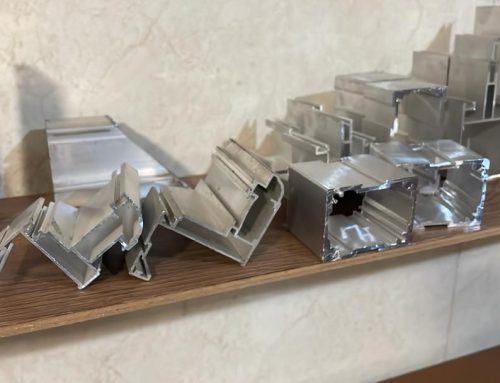
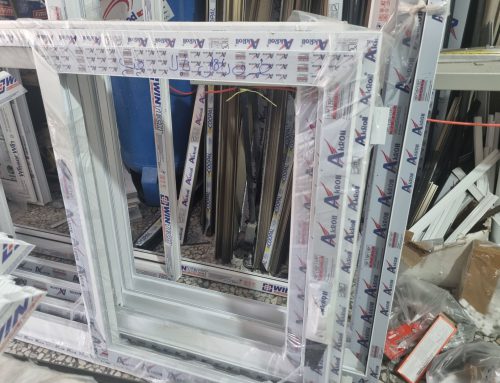
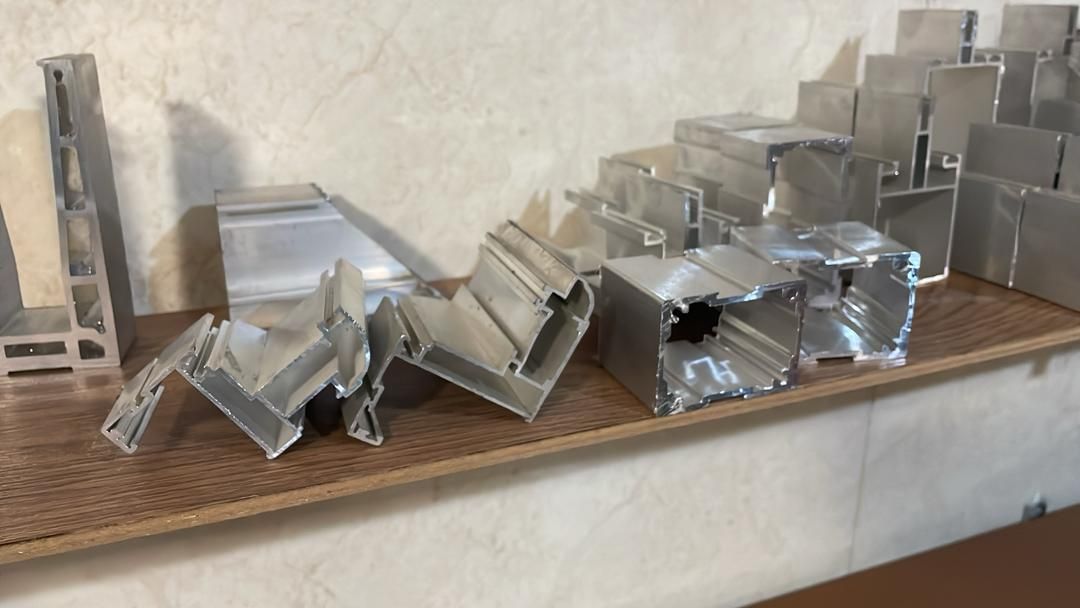
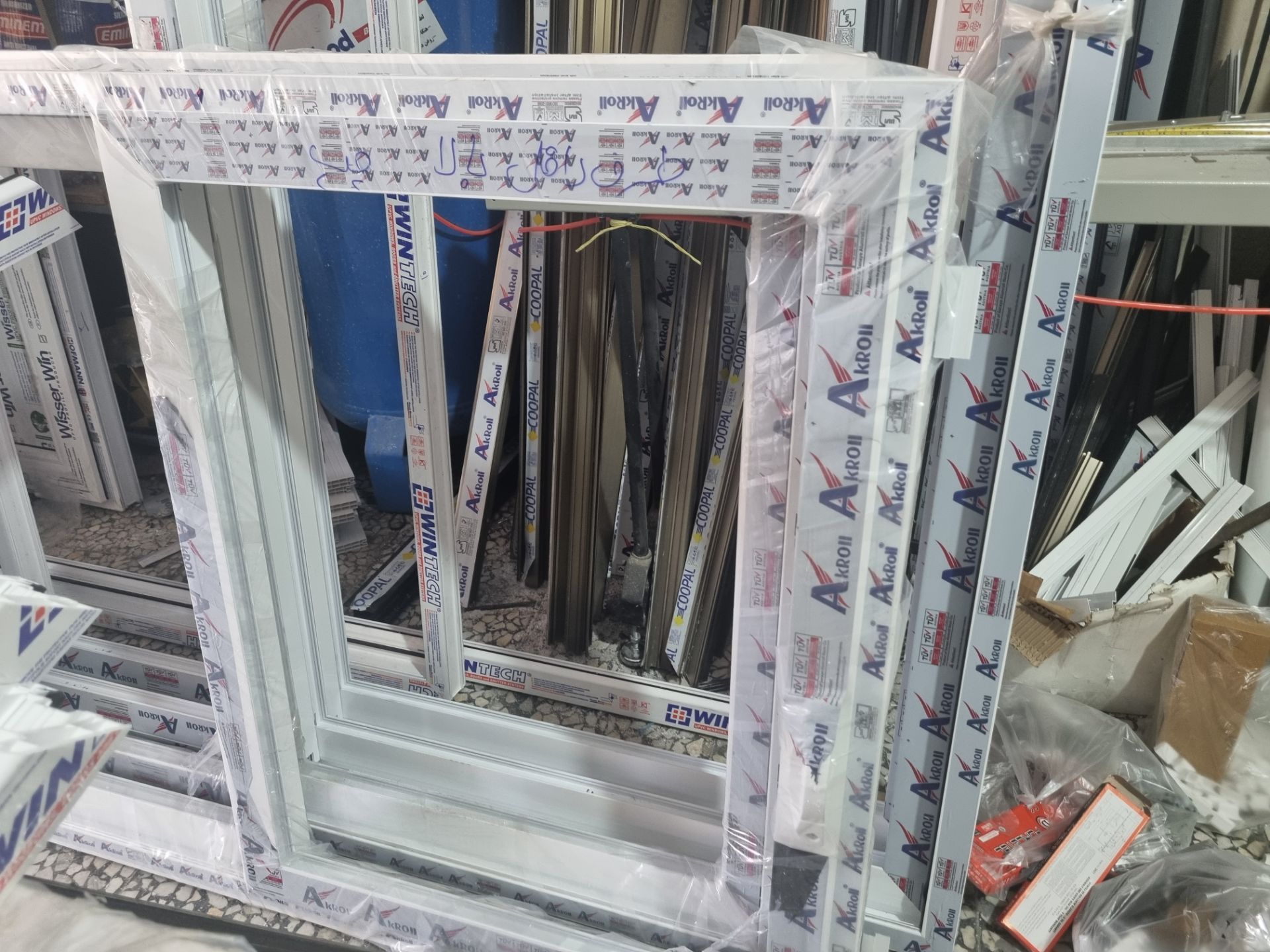
Aluminum window frame extrusion profile are custom-shaped sections produced by the process of extrusion, where aluminum is pushed through a die to create a uniform cross-sectional shape. The profiles can have diverse designs, ranging from simple geometric shapes to more complex forms that accommodate various window styles. The process allows for precision in size and shape, making it possible to cater to specific architectural requirements.
-
Versatility in Design and Aesthetics
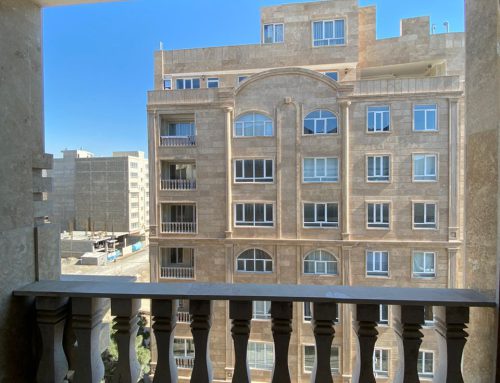
One of the significant advantages of aluminum window frame extrusion profiles lies in their design flexibility. Architects and designers can create unique and visually appealing window configurations to suit different architectural styles. Whether it’s a sleek and modern look for contemporary buildings or a classic design for heritage structures, aluminum profiles can be tailored to meet diverse aesthetics.
Additionally, these profiles can be anodized or powder-coated in a wide range of colors, enhancing their visual appeal and allowing seamless integration with the building’s overall design theme.
-
Lightweight and Durable
Aluminum is renowned for its lightweight characteristics, making it an ideal material for window frames. The reduced weight simplifies the installation process, reducing labor costs and making it a preferred choice for high-rise buildings and renovation projects. Despite its lightweight nature, aluminum remains robust and durable, providing excellent structural integrity and withstanding various weather conditions.
Moreover, aluminum window frame extrusion profile are corrosion-resistant, ensuring the frames maintain their quality and appearance for an extended period. This durability results in reduced maintenance requirements and overall cost savings in the long run.
-
Energy Efficiency
Energy efficiency is a significant concern in modern architecture, and aluminum window frames play a vital role in addressing this issue. With advancements in technology, aluminum profile can be engineered to accommodate thermal breaks and energy-efficient glazing systems, enhancing the overall insulation of the building. This feature significantly reduces heat transfer between the interior and exterior, leading to improved energy efficiency and reduced utility bills.
-
Sustainable Solution
In an era of increasing environmental consciousness, sustainable building materials are in high demand. Aluminum window frame extrusion profiles are an eco-friendly choice as aluminum is a recyclable material. The recycling process consumes only a fraction of the energy required for primary aluminum production, making it a sustainable option for reducing the carbon footprint of construction projects.
-
Application in Various Window Types
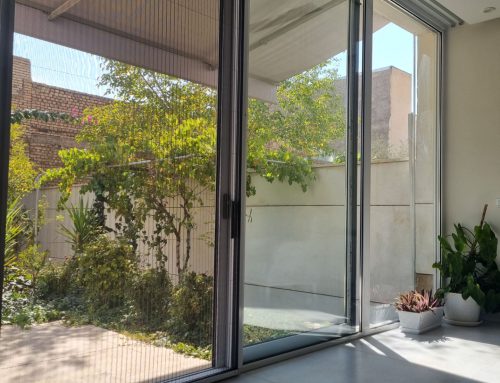
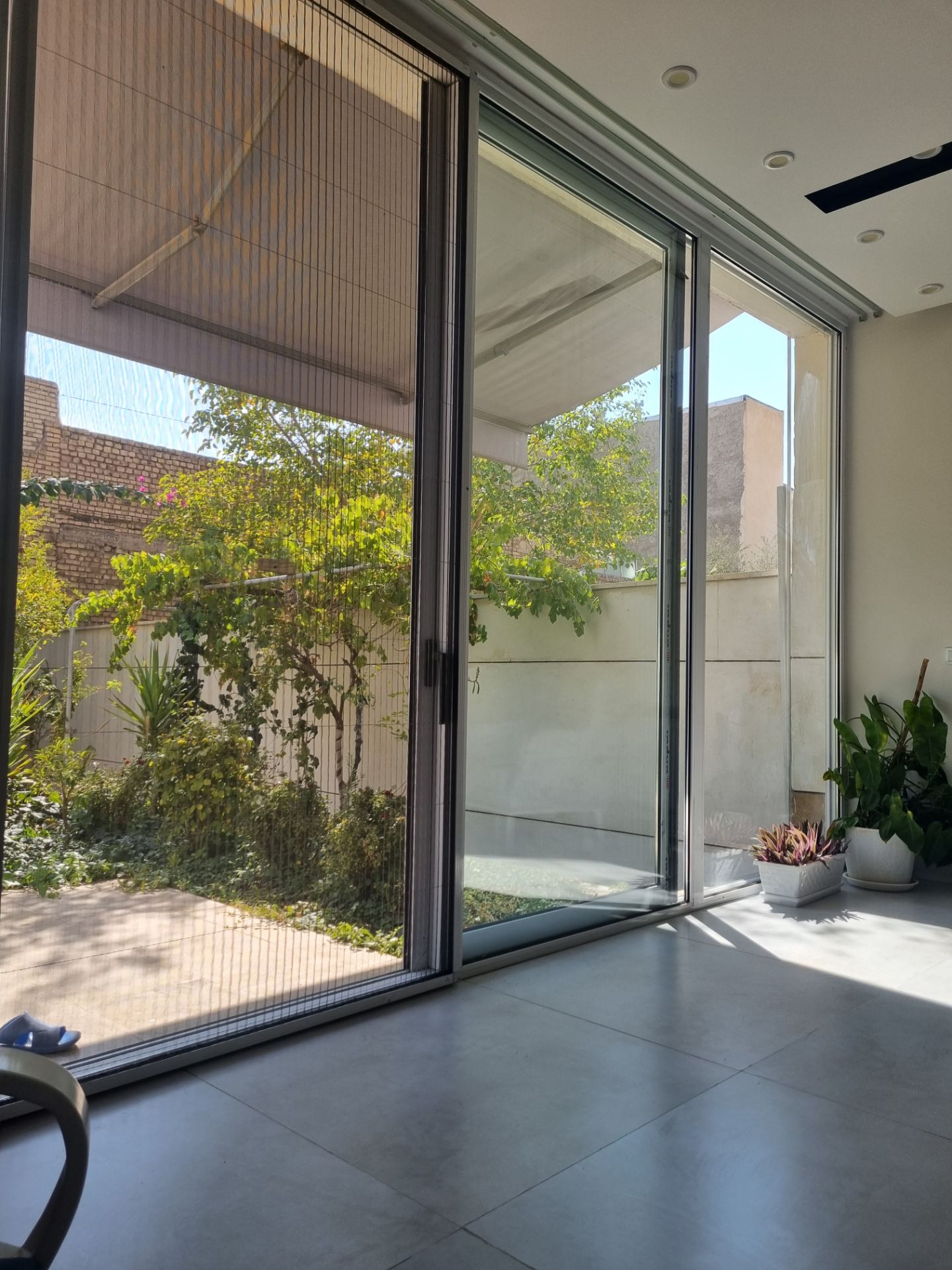
The versatility of aluminum window frame extrusion profiles extends beyond aesthetics. These profiles can accommodate different types of windows, including casement, sliding, awning, fixed, and tilt-and-turn windows. They can also be used in combination with curtain walls and facades, allowing for seamless integration in various architectural designs.
-
Installation and Maintenance
The installation process of aluminum window frame extrusion profiles is straightforward and efficient. Due to their lightweight nature, handling and positioning during installation become much more manageable for construction teams. Additionally, the precision in the manufacturing process ensures that the profiles fit together seamlessly, resulting in a more robust and reliable window frame structure.
Once installed, aluminum window frames require minimal maintenance. Their corrosion-resistant properties protect them from rust and decay, reducing the need for frequent inspections and repairs. Occasional cleaning and lubrication of moving parts are typically sufficient to keep the windows functioning optimally.
-
Sound Insulation
In addition to thermal efficiency, aluminum window frame extrusion profile can also contribute to sound insulation. When combined with appropriate glazing, they can significantly reduce external noise infiltration, providing occupants with a more serene and comfortable living or working environment.
-
Fire Resistance
Aluminum is inherently fire-resistant, making it a safe choice for window frames in buildings where fire protection is a concern. The material’s high melting point ensures that it retains its structural integrity in high-temperature conditions, allowing occupants more time to safely evacuate in the event of a fire.
-
Cost-Effectiveness
Despite being a premium material, the cost-effectiveness of aluminum window frame extrusion profiles becomes evident in the long run. Their durability and low maintenance requirements result in reduced lifecycle costs, making them a financially viable choice for commercial and residential projects alike.
-
Regulatory Compliance
Aluminum window frame extrusion profiles often meet or exceed industry standards and building codes. Manufacturers and suppliers ensure that their products comply with local regulations and international standards for quality and safety, providing architects and builders with peace of mind.
-
Environmental Impact
Beyond their recyclability, aluminum window frame extrusion profiles can contribute to a building’s overall sustainability by facilitating better energy efficiency. By reducing the energy consumption for heating and cooling, buildings can lower their carbon footprint and contribute to a more sustainable future.
Conclusion
In conclusion, aluminum window frame extrusion profiles offer a plethora of benefits that make them an attractive choice for modern architecture and construction. Their versatility in design, lightweight properties, energy efficiency, and durability make them a preferred option for both residential and commercial projects. The ability to customize profiles to suit specific requirements ensures that architects can create stunning window designs that harmonize with the overall building aesthetics.
As sustainable building practices continue to gain importance, the recyclability of aluminum and its energy-efficient features further boost its appeal. The use of aluminum window frame extrusion profiles is not only environmentally responsible but also financially beneficial, as reduced maintenance costs and energy savings contribute to overall project cost-effectiveness.

As technology and manufacturing processes evolve, we can expect even more innovative aluminum profiles that push the boundaries of design and performance. With these advancements, aluminum window frames will continue to play a significant role in shaping the future of modern architecture, delivering comfort, style, and sustainability to buildings around the world.

Leave A Comment