
Why Aluminum Windows Are Pricier Than Wood

Introduction
The choice of windows is a crucial decision for homeowners, as it not only impacts the aesthetics but also plays a vital role in energy efficiency and overall comfort. Among the myriad options available, two popular choices are aluminum and wood windows. While aluminum windows offer numerous advantages like durability, low maintenance, and modern design, they are often associated with higher price tags compared to their wooden counterparts. In this article, we delve into the factors that contribute to the higher cost of aluminum windows and explore why they may be more expensive than wood.
-
Material Costs
One of the primary reasons behind the higher price of aluminum windows is the cost of raw materials. Aluminum, being a metal, is generally more expensive than wood. The production of aluminum involves energy-intensive processes, which add to the manufacturing expenses. On the other hand, wood is a renewable resource, and the production processes are comparatively less resource-intensive, making it a more cost-effective material for windows.
-
Manufacturing and Processing
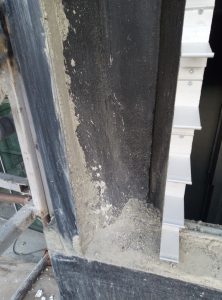
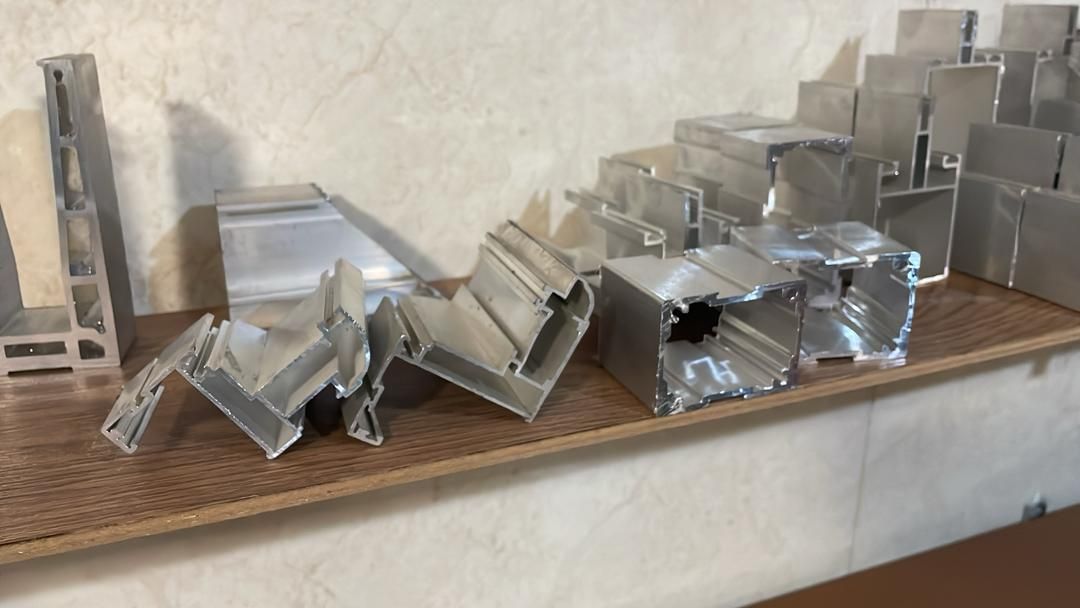
The manufacturing and processing of aluminum windows are complex and require specialized equipment and skilled labor. Aluminum needs to be extruded and shaped into the desired profiles, followed by treatments like anodizing or powder-coating for enhanced durability and aesthetics. These processes demand sophisticated technology and precision, driving up the overall cost of aluminum windows. Conversely, wood windows, though labor-intensive during fabrication, can be processed with relatively simpler machinery and techniques, resulting in lower production costs.
-
Thermal Efficiency
Wooden windows have natural insulating properties, providing excellent thermal efficiency. They tend to retain heat better during cold weather and keep the interior cooler during hot summers. This inherent thermal performance reduces the need for excessive heating or cooling, leading to potential cost savings in the long run. While aluminum windows can still be energy-efficient with thermal breaks and advanced coatings, achieving comparable insulation levels often necessitates additional investments, further contributing to their higher price.
-
Customization and Design
Aluminum windows offer a wide range of modern designs and sleek profiles that cater to contemporary architectural styles. Customization options, such as color choices and finishes, are abundant with aluminum windows. However, these customized features come at an extra cost. On the other hand, wooden windows, though versatile and customizable to an extent, may not offer the same level of design flexibility without substantially increasing the price.

-
Longevity and Durability
Durability is one of the key selling points of aluminum windows. They are resistant to weathering, corrosion, and rot, making them a long-lasting investment. While wooden windows can also last for decades with proper maintenance, they require more attention to prevent moisture-related issues and decay. The added longevity and low-maintenance nature of aluminum windows contribute to their higher upfront cost.
-
Environmental Considerations
In recent years, environmental awareness has become a significant factor influencing consumer choices. As sustainability gains importance, the environmental impact of products, including windows, is under scrutiny. Wood, being a renewable resource, is often perceived as more eco-friendly compared to aluminum, which requires substantial energy consumption during production.
However, it’s essential to note that many aluminum manufacturers have taken steps to improve their sustainability practices. Recycled aluminum is becoming more prevalent in window production, reducing the need for virgin materials and lowering the overall environmental footprint. Additionally, aluminum windows’ long lifespan and recyclability at the end of their use contribute to their sustainable profile.
-
Maintenance Costs
While aluminum windows typically have lower maintenance requirements compared to wood, their higher upfront cost may be offset by long-term savings in maintenance expenses. Wood windows, although visually appealing, demand periodic upkeep, including repainting and protection against water damage. These maintenance costs, when accumulated over time, can level out the initial price difference between aluminum and wood windows.
-
Market Demand and Supply
Market forces also play a role in determining the prices of aluminum and wood windows. The demand for aluminum windows might be higher due to their contemporary appeal and advantages like durability and low maintenance. Increased demand can lead to higher prices, especially if the supply chain experiences fluctuations or challenges.
Wood windows, on the other hand, might experience more stable pricing due to their longer history in the market and traditional appeal. However, fluctuations in the availability and cost of quality wood can also influence the prices of wooden windows.
-
Brand and Quality
The reputation of the manufacturer and the quality of materials used significantly impact window prices. Well-established brands with a track record of producing high-quality and reliable products may command higher prices for their aluminum windows. Similarly, manufacturers known for their craftsmanship and attention to detail might price their wooden windows at a premium.
When comparing prices between aluminum and wood windows, it is essential to consider the specific brand and product features. Cheaper options may compromise on quality and performance, leading to potential issues in the future.
Conclusion

While it is true that aluminum windows are generally more expensive than wood, this cost disparity can be attributed to several factors such as material costs, manufacturing complexity, thermal efficiency, customization options, longevity, and brand reputation. Homeowners must carefully weigh these factors against their budget and preferences when choosing between the two window types.
Both aluminum and wood windows offer unique advantages, and the decision ultimately hinges on the homeowner’s priorities, architectural style, and environmental considerations. Whether one opts for the sleek modernity of aluminum or the timeless charm of wood, investing in high-quality windows from reputable manufacturers will undoubtedly enhance a home’s aesthetics, comfort, and energy efficiency for years to come.

Leave A Comment