
Aluminum extrusion profiles for windows and doors
Introduction
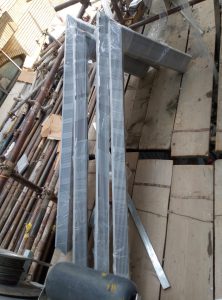
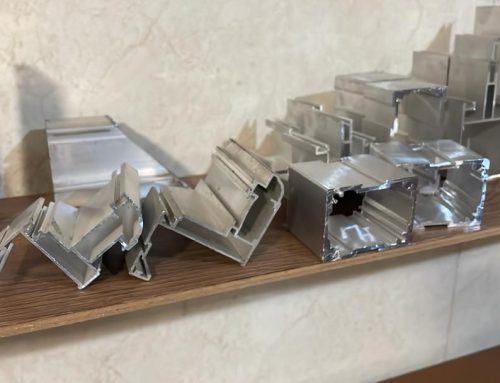
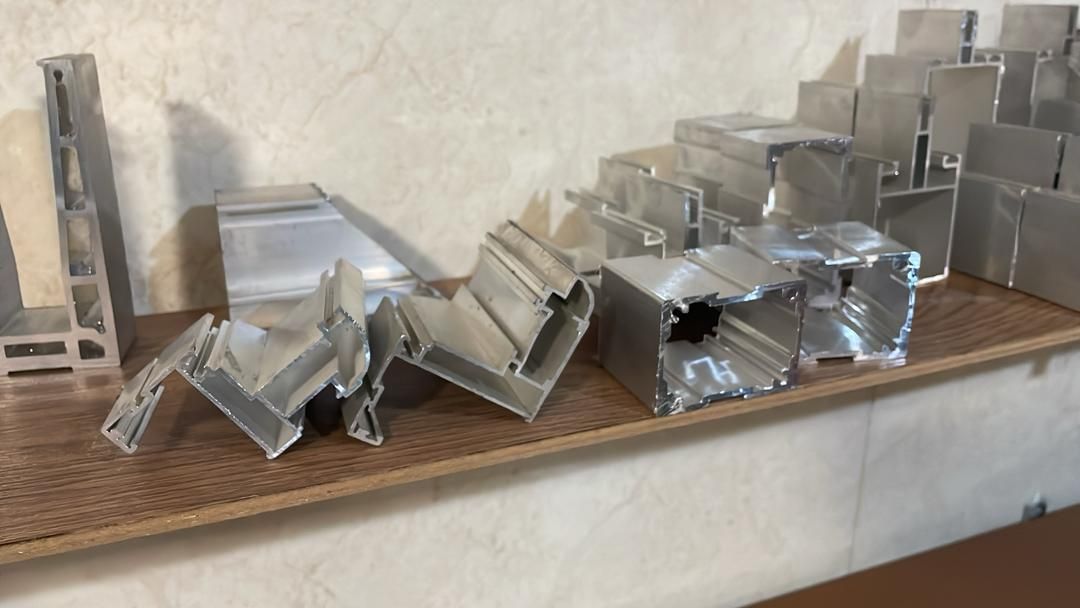
The world of architecture and interior design has seen tremendous advancements over the years, and one such innovation that has greatly impacted the fenestration industry is aluminum extrusion profiles for windows and doors. Aluminum extrusion is a manufacturing process that involves shaping aluminum alloy by forcing it through a die to create specific cross-sectional profiles. These profiles offer numerous benefits in terms of aesthetics, durability, energy efficiency, and sustainability. In this article, we will explore the key features and advantages of aluminum extrusion profiles, and their significance in modern window and door systems.
Aesthetic Versatility
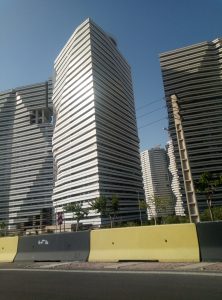
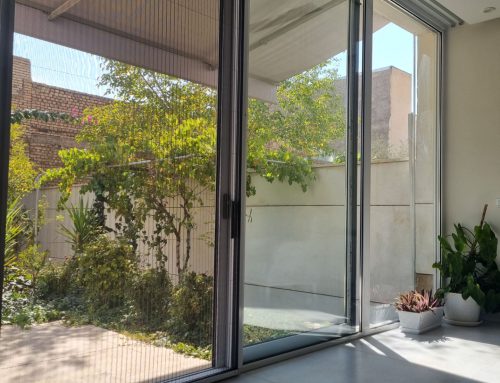
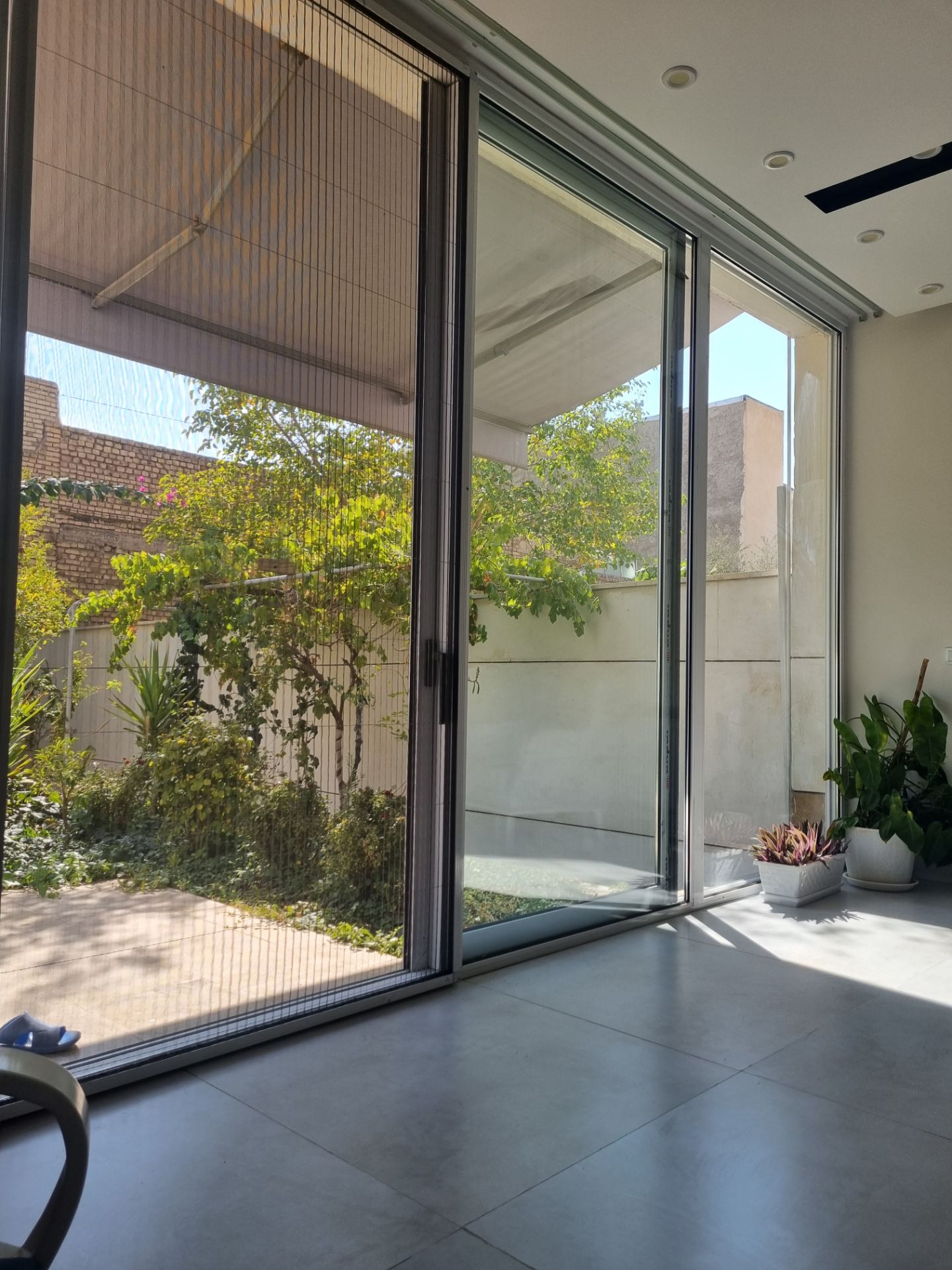
One of the primary reasons for the widespread popularity of aluminum extrusion profiles is their exceptional aesthetic versatility. Architects and designers can choose from a wide array of profile shapes, sizes, and configurations, allowing them to achieve their desired design vision. The material’s inherent strength and malleability enable the creation of slim, sleek profiles with clean lines, enabling larger glass areas and maximizing natural light. Whether it’s a contemporary urban building or a traditional architectural design, aluminum extrusion profiles can seamlessly blend in and enhance the overall appearance of the structure.
Durability and Strength
Aluminum is renowned for its remarkable strength-to-weight ratio. This makes aluminum extrusion profiles ideal for window and door systems, as they can withstand the harshest weather conditions without compromising on structural integrity. Unlike other materials, aluminum profiles do not rust or corrode, ensuring longevity and low maintenance requirements. This durability factor is especially crucial for exterior applications, where windows and doors are constantly exposed to varying climatic challenges.
Energy Efficiency
In an era focused on sustainable living and energy conservation, aluminum extrusion profiles play a crucial role in promoting energy-efficient building design. These profiles can be engineered with thermal breaks and insulating features, reducing heat transfer and enhancing the building’s energy performance. By effectively regulating temperature, aluminum extrusion profiles help in maintaining comfortable indoor environments, thus reducing the need for excessive heating or cooling. This, in turn, leads to lower energy consumption and cost savings for the building occupants.
Environmentally Friendly
Aluminum is a 100% recyclable material, making it an environmentally responsible choice for windows and doors. The recycling process requires significantly less energy compared to primary aluminum production, resulting in reduced greenhouse gas emissions. Additionally, using recycled aluminum for extrusion profiles conserves natural resources and reduces waste, contributing to a more sustainable future. Architects and homeowners looking to adopt eco-friendly building practices often favor aluminum extrusion profiles for their green credentials.
Ease of Fabrication and Installation
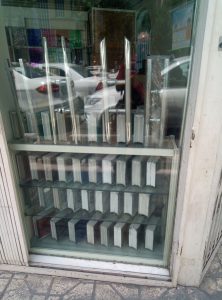
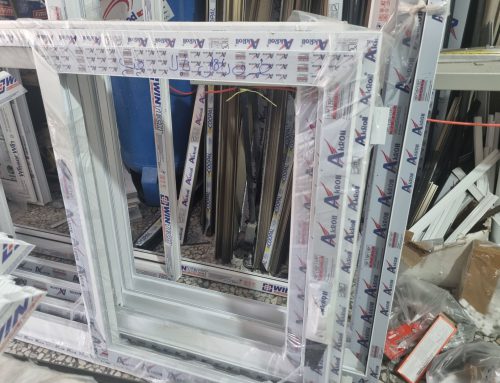
The extrusion process allows for efficient fabrication of aluminum profiles in a cost-effective manner. Manufacturers can produce profiles of varying lengths and complexities with precision, reducing waste and ensuring optimal material utilization. Furthermore, aluminum’s lightweight nature simplifies the installation process, making it easier and faster for builders to assemble window and door systems on-site. This translates to shorter construction times and increased project efficiency.
Advancements in Aluminum Extrusion Technology
As technology continues to progress, advancements in aluminum extrusion technology have further enhanced the capabilities of aluminum profiles for windows and doors. Computer-aided design (CAD) and computer-aided manufacturing (CAM) software have revolutionized the design and production process, allowing for greater precision and complexity in profile shapes. This level of precision ensures a seamless fit and maximizes the performance of window and door systems.
Additionally, innovations in thermal break technology have significantly improved the energy efficiency of aluminum extrusion profiles. Thermal breaks are insulating materials placed between the inner and outer sections of the aluminum profile. They create a barrier that reduces heat transfer through the frame, preventing thermal bridging and enhancing the overall thermal performance of the window or door. As a result, buildings with thermally broken aluminum profiles enjoy improved energy efficiency, reduced heat loss, and enhanced comfort for occupants.
Integration of Smart Features
The advent of the Internet of Things (IoT) and smart building technologies has influenced the fenestration industry. Aluminum extrusion profiles can now be designed to incorporate sensors and smart features that monitor and control various aspects of the building environment. These smart windows and doors can adjust tint, shading, or ventilation based on real-time data, optimizing energy consumption and providing a more comfortable indoor experience.
Seamless Integration with Glass
Aluminum extrusion profiles have the unique ability to seamlessly integrate with different types of glass, including double-glazed, triple-glazed, and low-emissivity (low-e) glass. This combination enhances the overall performance of windows and doors, providing benefits such as improved thermal insulation, noise reduction, and increased security. The compatibility with advanced glass technologies allows architects and designers to create energy-efficient, soundproof, and safe living spaces.
Structural Integrity and Security
Beyond their aesthetic appeal, aluminum extrusion profiles offer robust structural integrity and excellent security features. Their inherent strength and durability make them resistant to forced entry, contributing to the safety of occupants. In commercial buildings, the use of aluminum profiles in curtain wall systems ensures that the façade can withstand wind loads and other external forces, providing a secure and stable building envelope.
Maintenance and Longevity
Aluminum extrusion profiles are virtually maintenance-free, thanks to their resistance to rust, corrosion, and weathering. Unlike other materials, aluminum does not require regular painting or sealing to maintain its appearance and functionality. Routine cleaning is usually sufficient to keep the profiles in top condition for years, reducing the overall cost of ownership over the building’s lifespan.
Conclusion
Aluminum extrusion profiles have become a cornerstone of modern window and door systems due to their unparalleled combination of aesthetic versatility, durability, energy efficiency, and sustainability. With continuous advancements in technology, these profiles have evolved to meet the demands of today’s architecture and design practices, integrating smart features, enhancing thermal performance, and ensuring superior structural integrity.
As architects, designers, and homeowners seek greener, more sustainable building solutions, aluminum extrusion profiles continue to shine as an eco-friendly choice. Their recyclability, along with their long lifespan and low maintenance requirements, aligns with the growing emphasis on environmentally responsible construction.
As the fenestration industry continues to innovate and evolve, aluminum extrusion profiles will remain at the forefront of creating sophisticated, energy-efficient, and secure windows and doors for buildings of all kinds. Embracing this technology not only elevates the aesthetics of a structure but also contributes to a more sustainable and environmentally conscious future for the construction industry.

Leave A Comment