
Aluminum mining mine
Introduction:
Aluminum, a versatile and lightweight metal, is a crucial component in various industries, ranging from aerospace and transportation to construction and packaging. The process of obtaining aluminum involves mining bauxite ore, the primary source of aluminum. This article delves into the intricacies of aluminum mining, exploring the stages involved, environmental considerations, and the significance of aluminum in our daily lives.
Bauxite Mining:
The journey of aluminum begins with the extraction of bauxite, a reddish-brown ore that is rich in aluminum hydroxide. Bauxite is typically found in tropical or subtropical regions, with significant deposits in countries like Australia, Guinea, Brazil, and Jamaica. The mining process involves both surface and underground mining methods.
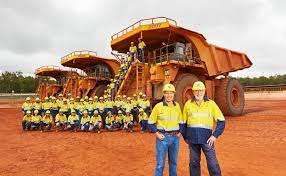
Surface mining is the most common method, where topsoil and vegetation are removed to expose the bauxite ore beneath. Heavy machinery, including bulldozers and excavators, is employed to extract the ore, which is then transported to processing plants for further refinement.
Refining Bauxite into Alumina:
The extracted bauxite undergoes a refining process to produce alumina, also known as aluminum oxide. This process is known as the Bayer process, named after its creator, Karl Bayer. During this stage, the bauxite ore is crushed and mixed with a sodium hydroxide solution, resulting in the precipitation of aluminum hydroxide. This compound is then heated to produce alumina, which is the precursor to aluminum.
Electrolytic Reduction:
The final step in aluminum production involves transforming alumina into aluminum through an electrolytic reduction process known as the Hall-Héroult process. In this method, alumina is dissolved in molten cryolite, an aluminum compound, and subjected to an electric current. This process results in the extraction of pure aluminum, which is then cast into various shapes such as ingots or sheets for further industrial use.
Environmental Considerations:
While aluminum is an essential material in modern society, its mining and processing do raise environmental concerns. Bauxite mining can lead to deforestation, habitat disruption, and water pollution. Additionally, the energy-intensive nature of the aluminum smelting process contributes to greenhouse gas emissions.
To mitigate these environmental impacts, the aluminum industry has been working on adopting sustainable practices. Recycling aluminum is a key aspect of reducing the industry’s carbon footprint, as recycled aluminum requires significantly less energy compared to primary aluminum production. Moreover, responsible mining practices and rehabilitation efforts in mined areas aim to minimize ecological damage.
Significance of Aluminum:
Aluminum’s unique properties, including its light weight, corrosion resistance, and conductivity, make it an indispensable material in various industries. From aircraft and automobiles to packaging and construction, aluminum plays a crucial role in enhancing efficiency, durability, and sustainability across diverse applications.
Technological Advancements and Innovation:
The aluminum mining industry is not immune to technological advancements that continue to shape the landscape of resource extraction and processing. Robotics, automation, and artificial intelligence are being integrated into mining operations, improving efficiency and safety. Advanced sensors and monitoring systems are helping optimize the extraction process and minimize environmental impact.
In refining and smelting, innovations aim to reduce energy consumption and emissions. Research and development efforts are ongoing to explore alternative methods for aluminum production that have a lower environmental footprint. These advancements reflect the industry’s commitment to sustainability and responsible resource management.
Global Aluminum Market Dynamics:
The global demand for aluminum remains robust, driven by factors such as urbanization, population growth, and the increasing use of aluminum in electric vehicles and renewable energy technologies. As a result, aluminum mining operations continue to expand in various parts of the world, with emerging economies playing a significant role in the industry’s growth.
International trade and geopolitical factors also influence the aluminum market. Changes in tariffs, trade agreements, and geopolitical tensions can impact the availability and pricing of aluminum on the global stage, affecting both producers and consumers.
Recycling as a Sustainable Solution:
One key strategy to address the environmental impact of aluminum mining is the promotion of recycling. Aluminum is highly recyclable, and recycled aluminum requires only a fraction of the energy needed for primary production. The recycling process also reduces waste and conserves natural resources. Governments, industries, and consumers are increasingly recognizing the importance of recycling aluminum as part of a circular economy.
Social and Economic Impacts:
Aluminum mining operations contribute significantly to the economies of regions with abundant bauxite deposits. These operations create job opportunities, stimulate local economies, and fund infrastructure development. However, it’s crucial to address potential social and economic challenges, such as land rights, community displacement, and the fair distribution of benefits from mining activities. Responsible mining practices involve engaging with local communities and implementing measures to mitigate negative impacts.
The Future of Aluminum Mining:
Looking ahead, the aluminum mining industry faces both challenges and opportunities. Continued innovation, sustainable practices, and a focus on responsible resource management will be essential to meeting the growing demand for aluminum while minimizing environmental impact. Balancing economic growth with social and environmental considerations will be crucial for the industry’s long-term sustainability.
Regulatory Framework and Environmental Standards:
Governments and international organizations play a crucial role in shaping the aluminum mining industry through regulatory frameworks and environmental standards. Stringent regulations are in place to ensure that mining activities adhere to environmental and safety guidelines. Compliance with these standards is essential for securing permits and maintaining the industry’s social license to operate. Ongoing dialogue between stakeholders, including government bodies, environmental organizations, and the mining industry, helps strike a balance between economic interests and environmental protection.
Community Engagement and Corporate Social Responsibility:
Successful aluminum mining operations recognize the importance of community engagement and corporate social responsibility (CSR). Mining companies often invest in community development projects, education, healthcare, and infrastructure to benefit local populations. Establishing transparent communication channels and collaborating with communities can foster positive relationships, ensuring that the benefits of mining are shared equitably.
Challenges and Mitigation Strategies:
While aluminum mining contributes significantly to economic development, it is not without challenges. Environmental concerns, social impacts, and fluctuations in global aluminum prices pose ongoing challenges for the industry. Mining companies actively work to address these challenges through sustainable practices, responsible resource management, and community partnerships. Continuous improvement in technology and operational efficiency is also crucial for mitigating environmental and social impacts.
Global Supply Chain Dynamics:
The aluminum supply chain is interconnected on a global scale. From bauxite mining to aluminum production, transportation, and end-use applications, the industry relies on an intricate network of suppliers, manufacturers, and distributors. Disruptions in any part of the supply chain, whether due to geopolitical events, natural disasters, or other unforeseen circumstances, can have ripple effects on the availability and pricing of aluminum products worldwide.
The Role of Research and Education:
Ongoing research and education initiatives are essential for the sustainable development of the aluminum mining industry. Academic institutions, research organizations, and industry partnerships contribute to advancements in mining technologies, environmental management practices, and recycling methods. Education and training programs also play a crucial role in developing a skilled workforce equipped to address the evolving challenges and opportunities in the aluminum sector.
Emerging Trends and Innovations:
The aluminum mining industry is witnessing a wave of emerging trends and innovations that promise to reshape its future. Advanced exploration technologies, including remote sensing and geospatial analytics, are improving the efficiency of identifying potential bauxite deposits. Additionally, the integration of artificial intelligence and machine learning in mining operations enhances predictive maintenance, optimizing equipment performance and reducing downtime.
In terms of sustainability, there is a growing focus on developing alternative methods for aluminum extraction that have a lower environmental impact. This includes exploring novel refining processes and adopting cleaner energy sources for smelting operations. Innovations in water management and rehabilitation techniques are also contributing to more responsible mining practices.
Circular Economy and Aluminum Recycling:
The concept of a circular economy, where resources are reused and recycled, is gaining prominence in the aluminum industry. Recycling aluminum is not only environmentally friendly but also economically viable. The closed-loop nature of aluminum recycling reduces the demand for new raw materials and minimizes energy consumption, making it a key strategy for sustainable resource management.
As consumer awareness grows, there is an increasing emphasis on the recyclability of aluminum products. Governments and industries are working together to implement recycling programs, incentivize recycling initiatives, and educate the public about the importance of responsibly disposing of aluminum products.
Adaptation to Climate Change:
Climate change poses significant challenges to industries worldwide, and the aluminum mining sector is no exception. Extreme weather events, changing precipitation patterns, and rising temperatures can impact mining operations and disrupt the supply chain. The industry is responding by implementing climate resilience measures, such as improved water management strategies, energy efficiency initiatives, and the development of low-carbon technologies.
Furthermore, aluminum producers are exploring ways to reduce their carbon footprint. This includes investing in renewable energy sources, such as solar and wind power, to replace traditional fossil fuel-based energy in the smelting process. These initiatives align with global efforts to combat climate change and transition toward a more sustainable future.
Collaborative Partnerships and Industry Collaboration:
The complex challenges facing the aluminum mining industry often require collaborative solutions. Governments, mining companies, research institutions, and environmental organizations are increasingly forming partnerships to address shared concerns. Collaborative initiatives focus on developing best practices, sharing knowledge, and implementing innovative technologies to enhance the industry’s overall sustainability.
These partnerships extend beyond the mining sector to include downstream industries and end-users. Engaging with stakeholders along the entire supply chain promotes responsible practices, ethical sourcing, and a shared commitment to minimizing the environmental and social impacts of aluminum production.
Looking Ahead:
As the aluminum mining industry navigates the dynamic landscape of technological advancements, environmental stewardship, and global economic dynamics, it is clear that the future will be shaped by a combination of innovation, sustainability, and responsible resource management. Balancing the demand for aluminum with the need for environmental and social responsibility will be key to ensuring the industry’s long-term viability.
In conclusion, the aluminum mining sector is at a pivotal juncture, facing challenges that demand strategic thinking and collaborative action. By embracing sustainable practices, leveraging technological innovations, and fostering partnerships, the industry can continue to meet the world’s growing demand for aluminum while contributing to a more sustainable and resilient global economy. The journey of aluminum, from mining to application, reflects not only the evolution of an essential material but also the ongoing commitment to creating a better, more sustainable future for generations to come.






Leave A Comment