
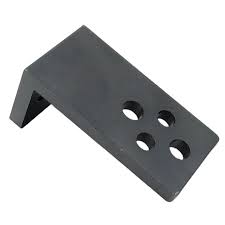
buy aluminium angle bracket
Introduction:
In the world of construction, DIY projects, and industrial applications, the choice of materials plays a pivotal role in determining the durability and stability of structures. Aluminium angle brackets have gained significant popularity as essential components in various projects due to their versatility, strength, and corrosion resistance. In this article, we will delve into the reasons why aluminium angle brackets are a preferred choice and explore their diverse applications.
-
Material Characteristics:
Aluminium possesses several key properties that make it an ideal material for angle brackets:
- Lightweight: Aluminium is significantly lighter than other metals like steel, making it easier to handle and transport.
- Corrosion Resistance: Unlike steel, aluminium does not rust, making it suitable for both indoor and outdoor applications.
- Strength: Although lighter, aluminium maintains impressive strength, providing reliable support in various structural applications.
- Ductility: Aluminium is highly ductile, allowing for easy fabrication and customization.
-
Versatility in Applications:
Aluminium angle brackets find application in a wide range of industries and projects:
- Construction: Used in framing, supports, and reinforcement of structures, aluminium angle brackets contribute to the overall stability and longevity of buildings.
- DIY Projects: Hobbyists and DIY enthusiasts often use aluminium angle brackets for creating shelves, furniture, and other customized solutions due to their ease of use and adaptability.
- Industrial Settings: In industrial applications, these brackets serve as reliable components for mounting equipment, supporting conveyors, and reinforcing machinery.
-
Easy Fabrication and Customization:
One of the key advantages of aluminium angle brackets is their ease of fabrication and customization. Aluminium can be easily cut, drilled, and shaped to meet specific project requirements. This makes it a preferred choice for projects where precise dimensions and tailored solutions are crucial.
- Cost-Effective Solutions:Aluminium angle brackets provide a cost-effective alternative to other materials without compromising on strength and durability. The initial investment in aluminium brackets often pays off in the long run due to their resistance to corrosion, reducing the need for frequent replacements.
- Aesthetic Appeal:Beyond their functional benefits, aluminium angle brackets are appreciated for their sleek and modern appearance. This makes them suitable for projects where aesthetics are a consideration, such as interior design or architectural applications.
-
Environmental Considerations:
Aluminium is a highly recyclable material, making it an environmentally friendly choice. The ability to recycle aluminium without losing its structural integrity aligns with sustainable construction practices and eco-friendly initiatives.
- Installation and Maintenance:Installing aluminium angle brackets is a straightforward process, thanks to their lightweight nature. The brackets can be easily affixed using common fastening methods such as screws or bolts. Their low maintenance requirements further contribute to their popularity, as they do not demand special coatings or treatments to withstand environmental conditions.
-
Resistance to Corrosion:
Aluminium’s inherent resistance to corrosion is a standout feature. This property is particularly beneficial in applications where the brackets are exposed to the elements, such as outdoor construction or industrial settings. The corrosion resistance ensures a longer lifespan and minimizes the need for constant monitoring and maintenance.
- Strength-to-Weight Ratio:The strength-to-weight ratio of aluminium is a significant advantage in applications where structural integrity is paramount. Despite being lightweight, aluminium angle brackets offer remarkable strength, making them suitable for supporting heavy loads without adding unnecessary weight to the overall structure. This characteristic is especially crucial in projects where weight considerations are a primary concern.
-
Innovations in Design:
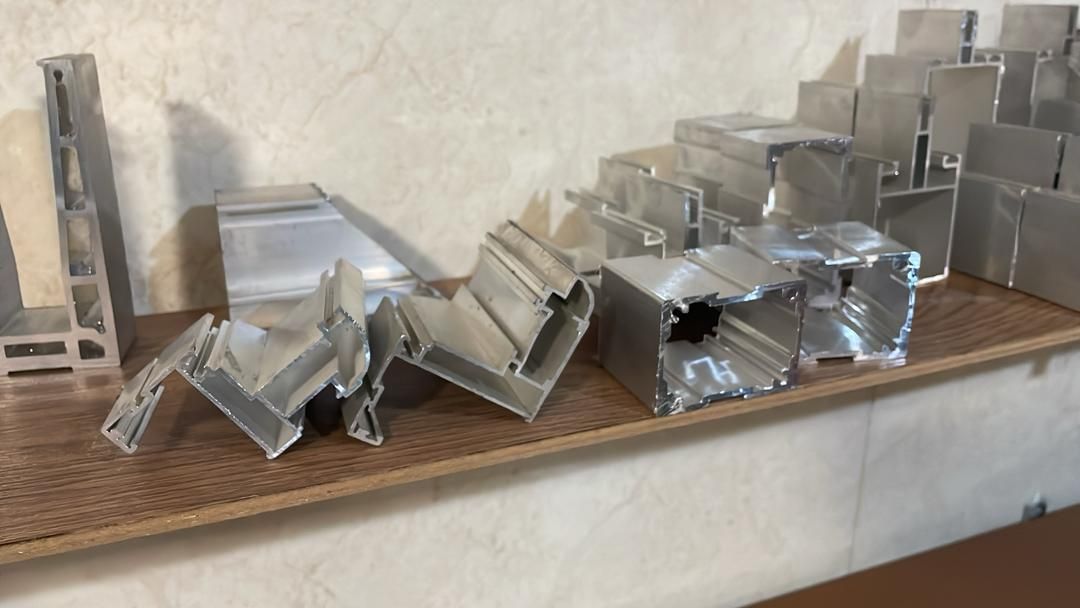
As technology and design innovations continue to evolve, so do the possibilities for aluminium angle brackets. Advanced manufacturing techniques allow for the creation of intricate and complex designs, expanding the range of applications in which these brackets can be used. This adaptability positions aluminium as a material of choice for architects and engineers seeking both functionality and aesthetic appeal.
- Global Availability:Aluminium is a widely available material on a global scale. This accessibility ensures a steady supply of aluminium angle brackets, making them a practical choice for projects irrespective of location. The global distribution of aluminium also contributes to cost-effectiveness, as transportation costs are generally lower compared to more exotic or region-specific materials.
-
Regulatory Compliance:
Aluminium meets various industry standards and regulatory requirements. Its compliance with building codes and safety standards enhances its credibility in construction projects, providing assurance to architects, builders, and regulatory bodies.
- Future Trends:Looking ahead, the use of aluminium angle brackets is likely to grow as sustainable and eco-friendly practices become increasingly important in construction. The material’s recyclability aligns with the global push for greener alternatives, and ongoing research may uncover even more environmentally friendly applications for aluminium in the construction industry.
-
Tips for Choosing and Using Aluminium Angle Brackets:
- Consider the Load: Before selecting aluminium angle brackets, carefully assess the load requirements of your project. Different brackets may have varying load capacities, so choosing the right one is crucial for structural stability.
- Surface Preparation: While aluminium is corrosion-resistant, proper surface preparation can enhance its performance. Consider using brackets with protective coatings or finishes for applications where exposure to harsh weather conditions is expected.
- Compatibility with Fasteners: Ensure that the chosen aluminium angle brackets are compatible with the fasteners you intend to use. Using high-quality fasteners that are also corrosion-resistant will contribute to the overall longevity of the structure.
- Customization Options: Take advantage of the ease of customization offered by aluminium. If standard brackets do not meet your project’s requirements, explore the possibility of ordering custom-designed brackets to ensure a precise fit.
-
Case Studies: Real-World Applications of Aluminium Angle Brackets:
- Architectural Marvels: Aluminium angle brackets have played a crucial role in the construction of iconic structures, such as modern skyscrapers, where their combination of strength and lightweight properties is essential.
- Infrastructure Projects: In infrastructure projects, such as bridges and highways, aluminium angle brackets have been utilized for their durability and resistance to environmental factors, ensuring the longevity of critical components.
- Residential Projects: Homeowners and DIY enthusiasts have successfully incorporated aluminium angle brackets into various projects, from installing shelves to building custom furniture, showcasing the versatility of this material.
- Challenges and Considerations:
- Thermal Conductivity: Aluminium has high thermal conductivity, which may be a consideration in certain applications. In environments with extreme temperature variations, additional insulation measures may be needed to address thermal conductivity.
- Cost Factors: While aluminium is generally cost-effective, prices may fluctuate based on market conditions. It’s essential to factor in the overall project budget and consider any potential cost variations.
-
Looking Ahead: The Future of Aluminium in Construction:
As technological advancements continue, the role of aluminium in construction is likely to expand further. Ongoing research may lead to the development of new alloys and manufacturing techniques, enhancing the properties and applications of aluminium angle brackets.
-
In Summary:
Aluminium angle brackets have rightfully earned their place as go-to components in various construction and DIY projects. Their lightweight nature, corrosion resistance, and adaptability make them a reliable choice across diverse applications. From supporting heavy loads in industrial settings to adding a modern touch to residential projects, aluminium angle brackets continue to prove their worth. As the construction industry evolves, so does the appreciation for materials that offer a balance of strength, versatility, and sustainability.
-
Final Recommendations:
- Stay Informed: Keep abreast of the latest developments in aluminium alloys and fabrication techniques to make informed decisions about the best type of aluminium angle brackets for your specific project.
- Collaborate: Engage with suppliers, architects, and fellow builders to share experiences and gain insights into best practices for using aluminium angle brackets effectively.
- Embrace Innovation: As technology advances, explore new design possibilities and innovations that can elevate your projects. Aluminium’s compatibility with modern fabrication methods opens the door to exciting opportunities for creativity and efficiency.
- Acknowledging the Role of Aluminium in Building a Sustainable Future:The inherent recyclability of aluminium aligns with the global push toward sustainable construction practices. By choosing aluminium angle brackets, builders contribute to a more eco-friendly industry, minimizing environmental impact and fostering a commitment to responsible construction.
-
Resources for Further Exploration:
- Industry Associations: Connect with organizations and associations related to the construction and metalworking industries. These groups often provide valuable resources, updates, and networking opportunities.
- Research Papers and Journals: Stay informed about the latest advancements in aluminium research by exploring academic papers and journals dedicated to materials science and engineering.
- Trade Shows and Expos: Attend industry events to discover new products, technologies, and trends in construction materials. These gatherings provide an excellent platform for networking and gaining insights from industry experts.
-
Conclusion:
Aluminium angle brackets stand as a testament to the versatility and resilience of this remarkable material. From their ability to withstand environmental challenges to their adaptability in various applications, aluminium angle brackets have become indispensable in the toolkit of builders and designers worldwide. As we navigate the ever-changing landscape of construction, the enduring popularity of aluminium angle brackets serves as a reminder that innovation and sustainability can go hand in hand. With their combination of strength, aesthetic appeal, and environmental friendliness, aluminium angle brackets are poised to remain a cornerstone in the construction industry for years to come.

Leave A Comment