
Aluminum billet
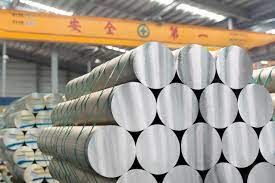
Introduction:
Aluminum billet, a key raw material in the production of various aluminum products, plays a pivotal role in modern manufacturing processes. Its versatility, lightweight properties, and corrosion resistance make it an essential component in industries ranging from automotive and aerospace to construction and consumer goods. In this article, we will delve into the characteristics of aluminum billet, its manufacturing process, and its diverse applications.
Composition and Properties:
Aluminum billet is typically made from high-purity aluminum alloyed with small amounts of other elements, such as copper, magnesium, manganese, and silicon. The alloying process enhances specific properties, such as strength, hardness, and heat resistance, depending on the intended application.
Aluminum, in general, is renowned for its lightweight nature, corrosion resistance, and excellent conductivity. These properties make it a preferred material in industries where strength-to-weight ratio and durability are crucial factors.
Manufacturing Process:
The production of aluminium billet involves several stages. The process begins with the extraction of bauxite, which is refined into alumina through a series of chemical processes. Alumina is then smelted using the Hall-Héroult process to obtain primary aluminum. This aluminum is further alloyed with specific elements to achieve the desired properties for various applications.
Once the desired alloy composition is achieved, the aluminum is cast into billets through a process known as extrusion. In extrusion, the metal is heated and forced through a shaped die, resulting in a long, uniform profile. The extruded billets are then cooled and cut into manageable lengths.
Applications:
- Automotive Industry: Aluminium billet is widely used in the automotive industry for the production of lightweight components that contribute to fuel efficiency. Engine parts, wheels, and structural components benefit from the high strength-to-weight ratio of aluminum.
- Aerospace Industry: The aerospace sector relies on aluminum billet for manufacturing critical components of aircraft. The material’s low density is crucial in reducing overall aircraft weight, enhancing fuel efficiency, and improving performance.
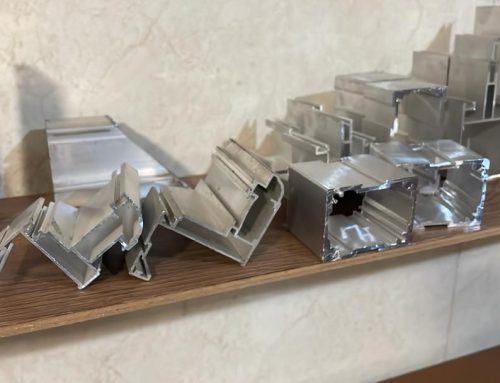
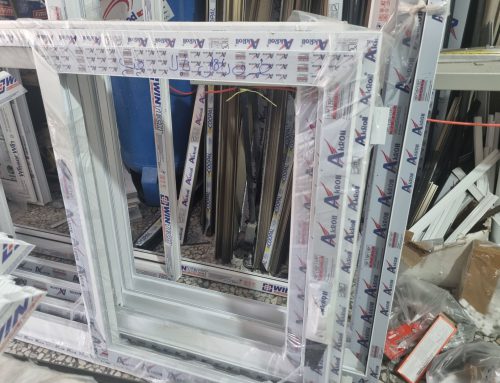
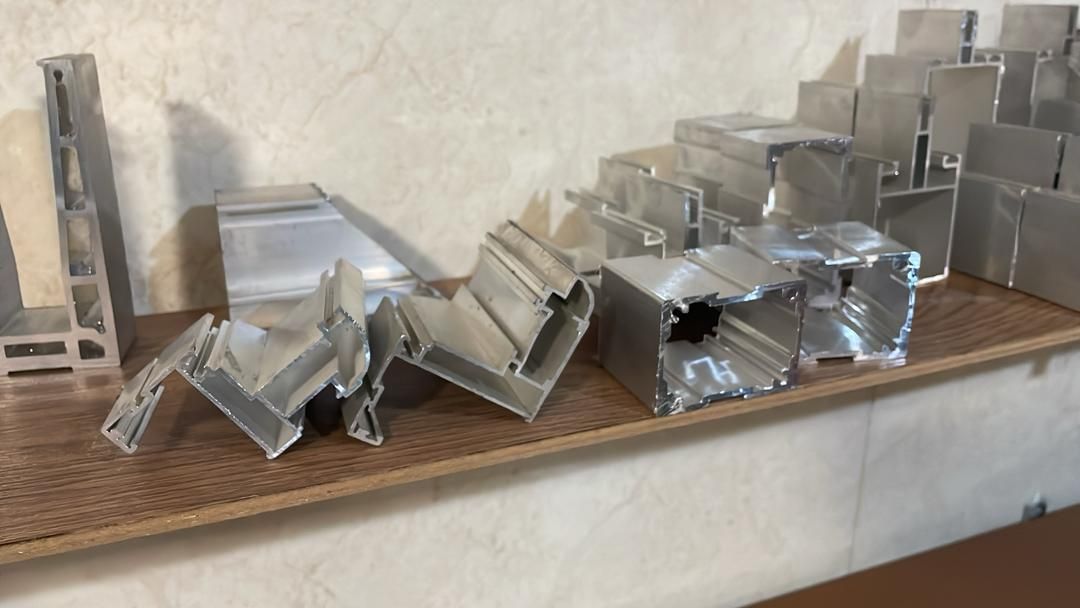
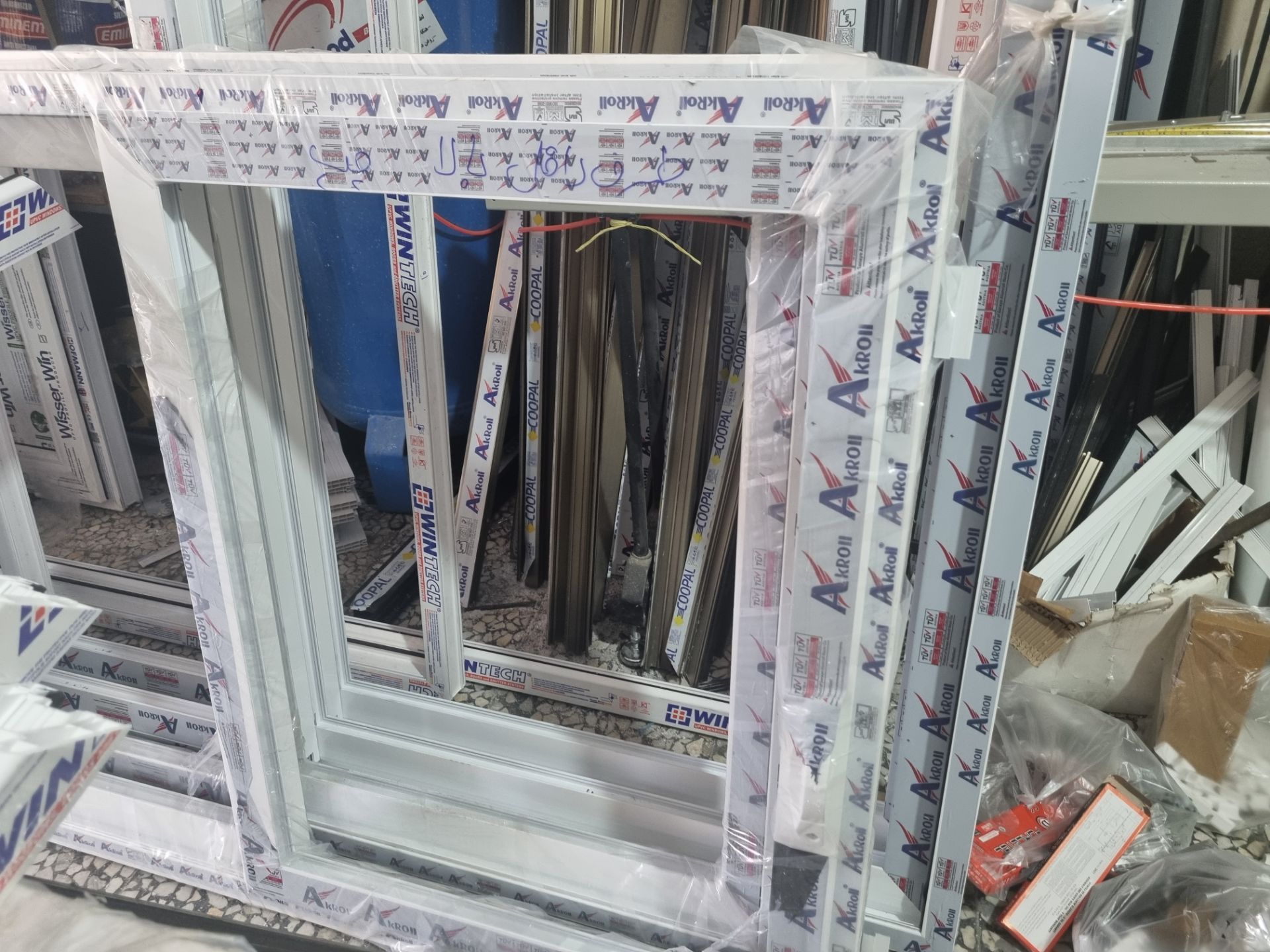
- Construction: In the construction industry, aluminium billet finds application in the creation of architectural elements, window frames, and structural components. Its corrosion resistance makes it ideal for outdoor applications where exposure to the elements is a concern.
- Consumer Goods: From kitchen appliances to electronic devices, aluminum billet is used in the production of various consumer goods due to its aesthetic appeal, durability, and ease of machining.
- Industrial Applications: The industrial sector utilizes aluminium billet for a range of applications, including the fabrication of heat exchangers, machinery components, and specialized tools. The material’s thermal conductivity and resistance to corrosion are advantageous in these settings.
Advancements in Aluminum Billet Technology:
The manufacturing of aluminum billet has seen continuous advancements in technology, driven by the need for enhanced performance, efficiency, and sustainability. Innovations in alloying techniques, extrusion processes, and recycling methods have contributed to making aluminum billet an increasingly attractive choice for manufacturers across diverse industries.
- Advanced Alloying Techniques: Research and development efforts have focused on refining alloy compositions to tailor the properties of aluminum billet for specific applications. The ability to customize alloys with precise combinations of elements has led to improvements in strength, corrosion resistance, and other critical characteristics.
- Extrusion Technology: Extrusion technology has evolved to enable the production of complex and intricate profiles with high precision. This has expanded the possibilities for designing lightweight yet robust components in industries such as aerospace and automotive. Computer-controlled extrusion processes ensure consistency in the quality and dimensions of aluminium billet profiles.
- Recycling and Sustainability: The aluminum industry has made significant strides in promoting sustainability through recycling initiatives. Recycling aluminum requires significantly less energy compared to primary production, making it an environmentally responsible choice. Recycled aluminum billet retains its properties, allowing manufacturers to incorporate sustainable practices into their production processes.
- Surface Treatments and Coatings: Advancements in surface treatments and coatings have further enhanced the durability and aesthetics of aluminum billet products. Anodizing, for example, provides a protective layer that improves corrosion resistance and offers a wide range of color options for decorative applications.
- Integration of Digital Technologies: The integration of digital technologies, such as computer-aided design (CAD) and simulation tools, has streamlined the design and production processes of aluminum billet components. This integration allows for faster prototyping, improved accuracy in design, and better optimization of material usage.
Future Trends and Challenges:
Looking ahead, the aluminum billet industry is poised to experience continued growth and innovation. Some key trends and challenges include:
- Lightweighting Initiatives: As global industries focus on reducing carbon emissions and improving energy efficiency, the demand for lightweight materials like aluminum is expected to rise. Aluminum billet will play a crucial role in lightweighting initiatives across sectors, from automotive to consumer electronics.
- Circular Economy Practices: The circular economy model, emphasizing recycling and sustainable practices, will drive the aluminum industry toward greater resource efficiency. Manufacturers are likely to place increased emphasis on using recycled content in the production of aluminum billet, contributing to a more sustainable and circular supply chain.
- Global Supply Chain Dynamics: The aluminum industry is influenced by global supply chain dynamics, including geopolitical factors and market demand. Manufacturers will need to navigate challenges related to raw material sourcing, trade policies, and geopolitical tensions to ensure a stable supply of aluminium billet.
- Innovations in Heat Treatment: Heat treatment processes continue to evolve, allowing manufacturers to enhance the mechanical properties of aluminum billet. Innovations in heat treatment methods can result in improved strength, hardness, and overall performance, expanding the range of applications in which aluminum billet can be effectively utilized.
- Energy Efficiency and Green Manufacturing: The aluminum industry is increasingly focusing on energy efficiency and green manufacturing practices. Efforts to reduce the environmental impact of aluminum billet production include the implementation of energy-efficient technologies, renewable energy sources, and overall process optimization.
- Customization and Tailored Solutions: With advancements in technology, manufacturers are better equipped to provide customized and tailored solutions to meet the specific needs of different industries. This flexibility allows for the creation of aluminum billet with properties finely tuned for a particular application, further expanding its reach and utility.
- Global Collaboration and Standardization: Collaboration among industry players, research institutions, and regulatory bodies is essential for establishing global standards and best practices in aluminum billet production. Standardization ensures consistency in quality, promotes interoperability, and facilitates the adoption of aluminum billet across diverse applications on a global scale.
- Challenges in Alloying and Raw Material Costs: While alloying enhances the properties of aluminum billet, it also presents challenges, including potential increases in raw material costs and the complexity of alloy development. Manufacturers must navigate these challenges to ensure the economic viability and competitiveness of aluminum billet in the market.
- Supply Chain Resilience: The COVID-19 pandemic highlighted the importance of resilient supply chains. The aluminum billet industry, like many others, faces challenges related to supply chain disruptions. Building resilience through strategic sourcing, inventory management, and diversification of suppliers will be crucial for maintaining a stable supply of aluminum billet.
- Regulatory Compliance and Sustainability Reporting: Regulatory requirements related to environmental sustainability and corporate responsibility are shaping the aluminum industry’s practices. Companies are increasingly expected to adhere to stringent environmental standards, report on their sustainability initiatives, and demonstrate a commitment to reducing their carbon footprint.
- Research and Development for New Applications: Ongoing research and development efforts are likely to uncover new applications for aluminum billet. Industries may discover novel ways to leverage the unique properties of aluminum, leading to the creation of innovative products and solutions. As technology advances, aluminum billet may find applications in fields that were previously unexplored.
- Digitalization and Industry 4.0 Integration: The integration of digitalization and Industry 4.0 principles into manufacturing processes is poised to enhance efficiency and productivity in the aluminum billet industry. Smart manufacturing technologies, data analytics, and IoT (Internet of Things) devices can contribute to real-time monitoring, predictive maintenance, and overall optimization of production processes.
- Global Economic Trends and Market Dynamics: The aluminum billet industry is subject to global economic trends and market dynamics. Fluctuations in demand, changes in consumer preferences, and economic conditions can impact the industry’s growth. Keeping abreast of these trends and adapting strategies accordingly will be essential for manufacturers in the aluminum billet sector.
- Education and Workforce Development: As the aluminum industry evolves, the need for a skilled workforce becomes increasingly crucial. Training programs and educational initiatives should be in place to equip workers with the necessary skills for advanced manufacturing processes. This includes expertise in digital technologies, materials science, and sustainable practices.
- Environmental Impact and Carbon Footprint Reduction: The aluminum industry is under scrutiny for its environmental impact, particularly regarding energy consumption and greenhouse gas emissions. Continued efforts to reduce the carbon footprint of aluminum billet production, explore alternative energy sources, and implement eco-friendly practices will contribute to a more sustainable and environmentally responsible industry.
- Consumer Awareness and Preferences: Consumer awareness of environmental issues and sustainable practices is growing. This has a direct impact on the choices made by end-users and can influence industry practices. Manufacturers of aluminum billet products may need to adapt to changing consumer preferences and communicate transparently about the environmental benefits of their products.
- Geopolitical Factors and Trade Dynamics: Geopolitical factors and trade dynamics can influence the availability of raw materials, impact production costs, and shape market conditions. Companies in the aluminum billet industry must stay informed about geopolitical developments and navigate potential challenges related to trade policies, tariffs, and international relations.
- Adoption of Additive Manufacturing: The adoption of additive manufacturing, also known as 3D printing, presents new opportunities and challenges for the aluminum billet industry. Innovations in additive manufacturing technologies may open doors to more intricate and customized designs, revolutionizing the way aluminum billet components are produced.
In conclusion, the trajectory of the aluminium billet industry is intertwined with technological advancements, sustainability initiatives, and the ability to adapt to a rapidly changing global landscape. Continued collaboration, innovation, and a commitment to sustainable practices will be key factors in shaping the future of aluminum billet as it remains a critical material in diverse industrial applications. Manufacturers and stakeholders must stay proactive, embracing emerging trends and addressing challenges to ensure the longevity and success of the aluminum billet industry.
The ongoing advancements in alloying techniques, extrusion processes, and digital technologies underscore the industry’s commitment to pushing boundaries. With a keen focus on sustainability, the aluminum billet sector is not only meeting current environmental standards but actively working towards setting new benchmarks for eco-friendly manufacturing practices.
The future of aluminium billet lies in its ability to align with global trends, embrace technological evolution, and adhere to the principles of a circular economy. As the industry navigates challenges such as raw material costs, supply chain disruptions, and regulatory compliance, strategic collaborations and forward-thinking approaches will be pivotal.
Manufacturers, researchers, policymakers, and consumers all play crucial roles in shaping the destiny of aluminium billet. It is a collective effort to ensure that this remarkable material continues to contribute to lightweighting initiatives, energy efficiency goals, and the overall advancement of sustainable manufacturing practices.
As we look ahead, the story of aluminum billet unfolds within the context of a dynamic and interconnected world. The material’s ability to evolve and meet the demands of diverse industries positions it as a cornerstone of modern manufacturing. With an unwavering commitment to excellence, sustainability, and innovation, aluminum billet remains at the forefront of shaping a future where efficiency, durability, and environmental responsibility coexist harmoniously.





Leave A Comment