
Aluminum Die Casting Parts
Introduction
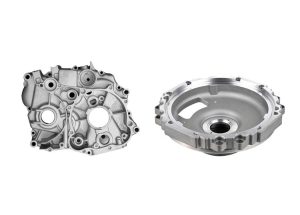
In the world of manufacturing and engineering, aluminum die casting parts have become a cornerstone of numerous industries, providing durability, precision, and cost-effectiveness. This manufacturing process allows for the creation of intricate and complex components used in everything from automotive applications to consumer electronics. In this article, we will delve into the world of aluminum die casting, exploring its advantages, applications, and the reasons behind its widespread adoption.
Understanding Aluminum Die Casting
Aluminum die casting is a highly efficient and versatile manufacturing process that involves injecting molten aluminum alloy into a steel mold, or die, under high pressure. Once the aluminum cools and solidifies, it takes the shape of the mold, resulting in a highly detailed and precise part. This process is repeated consistently, making it suitable for mass production.
Advantages of Aluminum Die Casting
- Lightweight and High Strength: Aluminum die casting parts are known for their excellent strength-to-weight ratio. This makes them ideal for applications where weight is a critical factor, such as aerospace and automotive industries. Despite being lightweight, aluminum parts maintain their structural integrity and can withstand substantial loads.
- Precision and Complexity: Die casting allows for the production of highly intricate and complex parts with tight tolerances. This precision is crucial in industries like electronics, where the design of components must be exact for proper functionality.
- Cost-Effective: Aluminum die casting is cost-effective, primarily due to its ability to produce large quantities of parts in a relatively short time. The reduced need for post-processing and the longevity of aluminum components also contribute to cost savings.
- Thermal Conductivity: Aluminum is an excellent conductor of heat, making it ideal for components that need to dissipate heat effectively. This property is particularly advantageous in the manufacturing of electronic devices and automotive components.
- Corrosion Resistance: Aluminum naturally forms a protective oxide layer when exposed to air, which enhances its resistance to corrosion. This characteristic extends the lifespan of aluminum die casting parts in various environments.
Applications of Aluminium Die Casting Parts
- Automotive Industry: Aluminium die casting is widely used in the automotive sector for the production of engine components, transmission parts, and structural components. The lightweight and durable nature of aluminum make it a preferred choice for improving fuel efficiency and reducing emissions.
- Electronics and Technology: The intricate and lightweight nature of aluminum die casting makes it ideal for manufacturing electronic components, including smartphone cases, laptop frames, and heat sinks. Its thermal conductivity helps dissipate heat generated by electronic devices.
- Aerospace: In the aerospace industry, where weight savings are critical, aluminum die casting parts find extensive use in aircraft components, such as engine housings, brackets, and interior components.
- Household Appliances: Aluminium die casting is used in the production of various household appliances, including kitchen gadgets, vacuum cleaners, and power tools. The lightweight yet sturdy nature of aluminum ensures the durability of these products.
- Industrial Equipment: The versatility of aluminum die casting extends to industrial machinery and equipment, where it is utilized for producing gears, pumps, and other critical components.
Challenges and Innovations in Aluminium Die Casting
While aluminum die casting offers numerous advantages, it’s important to acknowledge some of the challenges associated with the process and the innovations being made to address them.
- Material Selection: The choice of aluminum alloy can significantly impact the properties of the final part. Manufacturers are continually developing new aluminum alloys with enhanced properties, such as improved strength or better heat resistance, to expand the range of applications.
- Sustainability: As environmental concerns grow, there is an increasing focus on sustainable manufacturing processes. Some advancements in die casting include the use of recycled aluminum and more energy-efficient production methods, reducing the environmental footprint of the process.
- Porosity and Surface Finish: Porosity and surface defects can occur in die-cast parts. To mitigate this, modern die casting techniques involve vacuum or pressure die casting, which helps reduce air entrapment and improve the overall surface finish of parts.
- Automation and Robotics: Automation and robotics have been integrated into die casting operations to improve efficiency and consistency. Automated die casting cells can operate around the clock with minimal human intervention, ensuring higher production rates and product quality.
- Simulation and Computer-Aided Design: Advances in simulation and computer-aided design (CAD) have allowed manufacturers to optimize the die casting process. Through simulations, engineers can predict potential defects and make design adjustments before production begins, reducing costs and time-to-market.
Future Outlook
As technology and materials continue to advance, the future of aluminum die casting appears promising. The process is likely to evolve further with innovations in material science, automation, and sustainability. This will lead to increased efficiency, reduced costs, and expanded applications in various industries.
Additionally, the demand for lightweight, high-strength components in electric vehicles and renewable energy systems will likely drive further growth in the aluminum die casting industry. The ongoing trend towards miniaturization in electronics and the need for improved thermal management will also contribute to the continued relevance of aluminum die casting.
Investing in Quality and Sustainability
Manufacturers, as well as consumers, are increasingly valuing quality and sustainability. Choosing a reliable and environmentally responsible aluminum die casting partner is essential. Companies that implement rigorous quality control processes and adhere to sustainability standards can offer better long-term value to their clients.
Quality Control: Reputable die casting companies employ strict quality control measures to ensure that every part meets or exceeds industry standards. These measures include thorough inspections, material testing, and dimensional checks to guarantee the consistency and reliability of the components produced.
Sustainability Initiatives: Sustainability is a growing concern across industries. Many manufacturers are adopting eco-friendly practices by using recycled aluminum, optimizing energy usage, and reducing waste. Partnering with a die casting company that prioritizes sustainability can align your product manufacturing with global environmental goals.
Global Market Expansion
The aluminum die casting industry is not limited to a single geographic region. Companies worldwide benefit from the versatility of this manufacturing process. As global markets continue to expand and become increasingly interconnected, aluminum die casting parts are transported across borders to reach various industries and consumers.
Trade agreements and international collaborations enable the efficient flow of aluminum die casting parts between countries, contributing to economic growth and technological advancements on a global scale. The industry’s resilience and adaptability make it well-positioned to participate in the global marketplace.
Innovation and Research
Innovation is the lifeblood of the manufacturing sector, and the aluminum die casting industry is no exception. Ongoing research and development efforts are geared towards enhancing the process, improving materials, and expanding its applications.
Researchers are exploring new casting techniques, such as high-pressure die casting (HPDC) and squeeze casting, to further improve part quality and reduce defects. The development of innovative alloys with enhanced properties, such as improved strength, thermal conductivity, and corrosion resistance, is also a focus area.
Challenges and Adaptations
Despite its many advantages, the aluminum die casting industry faces several challenges that demand adaptation and innovation. These challenges include:
- Environmental Regulations: Increasing environmental regulations require die casting companies to reduce emissions and waste. Adhering to these regulations while maintaining efficiency is an ongoing challenge. Manufacturers must invest in environmentally friendly practices, such as efficient recycling systems and clean energy sources.
- Cost Pressures: As competition intensifies, companies are under constant pressure to reduce costs without compromising quality. Innovations in die casting technology, automation, and process optimization are crucial for maintaining competitiveness.
- Supply Chain Disruptions: The aluminium die casting industry, like many others, is susceptible to supply chain disruptions caused by factors such as natural disasters, trade disputes, and global events. Diversifying suppliers and building resilient supply chains are essential strategies for mitigating these risks.
- Workforce Skills: The industry requires skilled workers who can operate and maintain advanced die casting machinery and automation systems. Investing in workforce development and training is essential to ensure a skilled and adaptable workforce.
- Evolving Market Demands: Consumer preferences and market demands are constantly evolving. Manufacturers must stay agile and responsive to changing customer needs and industry trends.
Future Prospects and Innovations
The aluminium die casting industry’s future looks promising with several exciting innovations on the horizon:
- Advanced Materials: Research into new aluminum alloys and composite materials continues, with an emphasis on improving strength, durability, and heat resistance. These materials will expand the range of applications for aluminum die casting parts.
- Smart Manufacturing: The adoption of Industry 4.0 principles, including the Internet of Things (IoT) and data analytics, will enable more intelligent and connected manufacturing processes. Real-time data monitoring and analysis will improve quality control and efficiency.
- Sustainable Practices: The industry will continue to focus on sustainability by optimizing energy consumption, reducing waste, and increasing the use of recycled materials. Companies that embrace sustainable practices will gain a competitive edge.
- 3D Printing and Additive Manufacturing: While traditional die casting remains dominant, 3D printing and additive manufacturing technologies are gaining traction. These technologies offer new possibilities for rapid prototyping and producing complex parts with reduced material waste.
- Customization: Consumers increasingly seek personalized products. Aluminum die casting companies may invest in flexible production lines that can efficiently accommodate custom orders and small batch sizes.
Conclusion
The aluminium die casting industry is a dynamic and critical component of modern manufacturing. Its versatility, precision, and cost-effectiveness have made it indispensable across a wide range of industries, from automotive to electronics. Continuous advancements in materials, sustainability practices, and technology ensure its relevance in the ever-changing landscape of manufacturing.
Investing in high-quality and sustainable aluminum die casting services is essential for companies aiming to stay competitive and meet the demands of their customers. As the global marketplace expands, innovation and research will play a pivotal role in shaping the future of aluminum die casting, opening up new possibilities and applications across industries. The aluminum die casting industry, with its rich history and promising future, remains a cornerstone of modern manufacturing.





Leave A Comment