
Aluminum Billet
Introduction
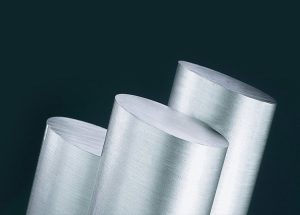
Aluminum, a lightweight and corrosion-resistant metal, has become an indispensable material in various industries. One of its primary forms, the aluminum billet, plays a crucial role in the production of a wide range of products, from aerospace components to automotive parts. In this article, we will delve into the world of aluminum billets, exploring their properties, applications, and significance in modern manufacturing.
What is an Aluminum Billet?
An aluminum billet is a cylindrical or rectangular piece of aluminum alloy that serves as the initial material for various manufacturing processes, particularly extrusion and forging. Billets are typically made from high-quality aluminum alloy ingots, which are heated to a specific temperature and then extruded or forged into desired shapes. The size and shape of aluminum billets vary depending on the intended application.
Properties of Aluminum Billets
Aluminum billets offer several key properties that make them an attractive choice for manufacturing processes:
Lightweight: Aluminum is about one-third the weight of steel, making it an ideal material for applications where weight reduction is critical, such as in the automotive and aerospace industries.
High Strength-to-Weight Ratio: Despite its lightweight nature, aluminum exhibits impressive strength, making it suitable for applications requiring both strength and durability.
Corrosion Resistance: Aluminum naturally forms a protective oxide layer on its surface, providing excellent resistance to corrosion and ensuring longevity in various environments.
Good Thermal and Electrical Conductivity: Aluminum is an excellent conductor of heat and electricity, making it suitable for applications like heat sinks and electrical conductors.
Recyclability: Aluminum is highly recyclable, and recycling it consumes significantly less energy compared to producing primary aluminum, making it an environmentally friendly choice.
Applications of Aluminum Billets
The versatility of aluminum billets has led to their widespread use across numerous industries:
- Aerospace: Aluminum billets are a staple in the aerospace industry, where they are used to manufacture components like aircraft frames, landing gear, and structural parts. Their combination of strength and lightness is essential for aircraft performance and fuel efficiency.
- Automotive: In the automotive sector, aluminum billets find application in engine components, wheels, chassis parts, and body panels. Their lightweight nature contributes to improved fuel efficiency and handling.
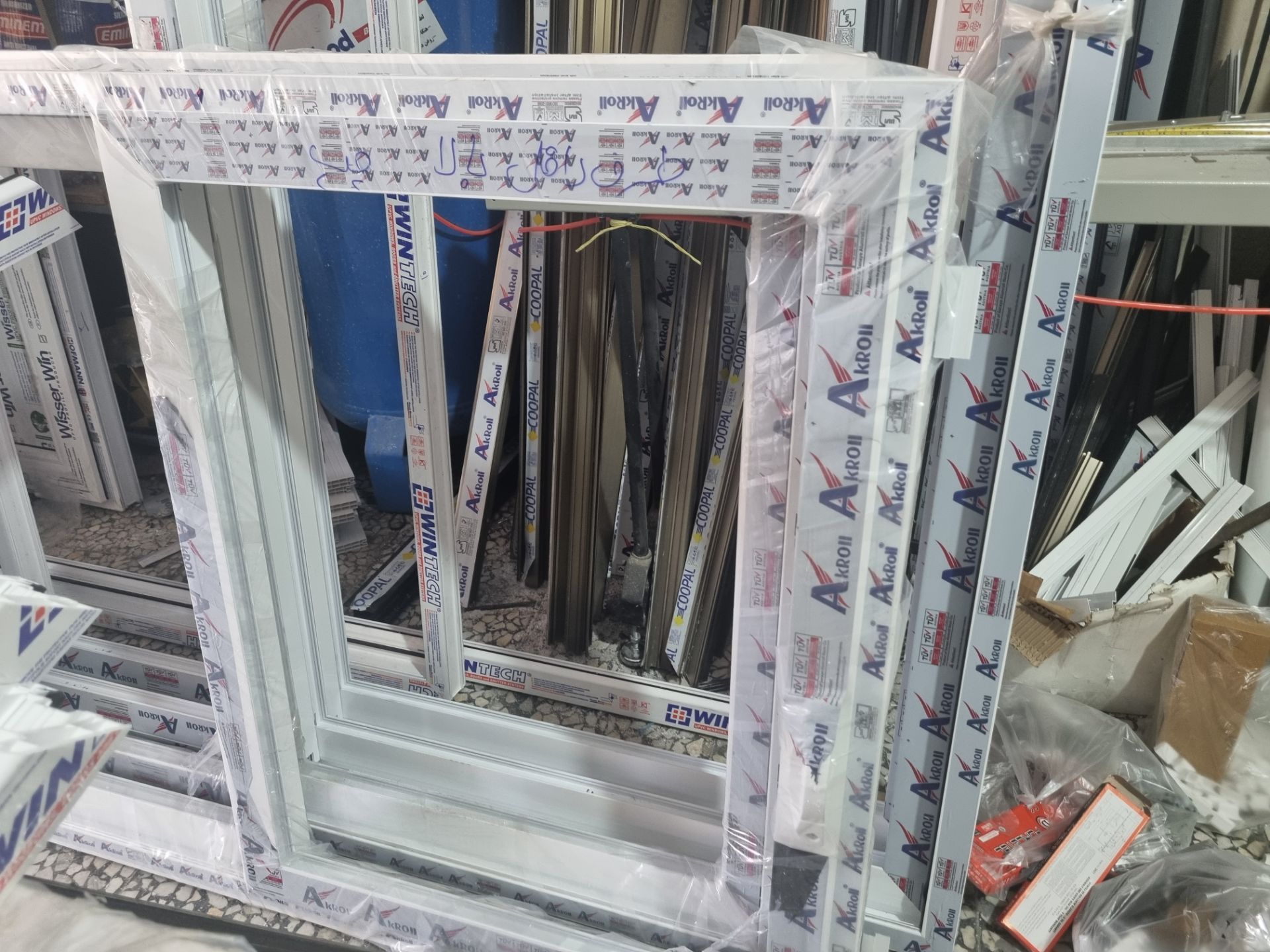
- Construction: Aluminum billets are used in the construction industry for making windows, doors, curtain walls, and structural components. Their corrosion resistance ensures durability in outdoor environments.
- Electrical Engineering: Aluminum billets are used to create electrical conductors, particularly in power transmission lines and cables. Their excellent electrical conductivity reduces energy loss during transmission.
- Marine: In marine applications, aluminum billets are used to manufacture boat hulls, masts, and other components due to their resistance to saltwater corrosion.
- Sporting Goods: Aluminum billets are employed to craft various sporting goods such as bicycle frames, baseball bats, and golf club heads. Their lightweight yet strong properties enhance performance.
In recent years, the aluminum industry has witnessed innovations in alloy compositions and production techniques, resulting in billets with enhanced properties. These advancements have expanded the range of applications even further, allowing manufacturers to create components that are not only lighter and stronger but also more sustainable and cost-effective.
One notable trend in the aluminum billet industry is the development of high-strength aluminum alloys, such as 7000 and 6000 series alloys. These alloys offer improved mechanical properties, allowing for the design and production of even lighter and more durable products. This is particularly relevant in the automotive and aerospace sectors, where weight reduction is a continuous pursuit to enhance fuel efficiency and reduce carbon emissions.
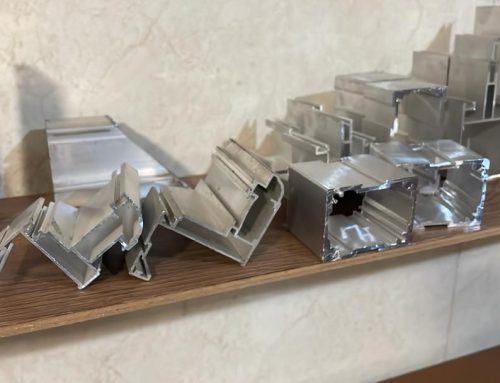
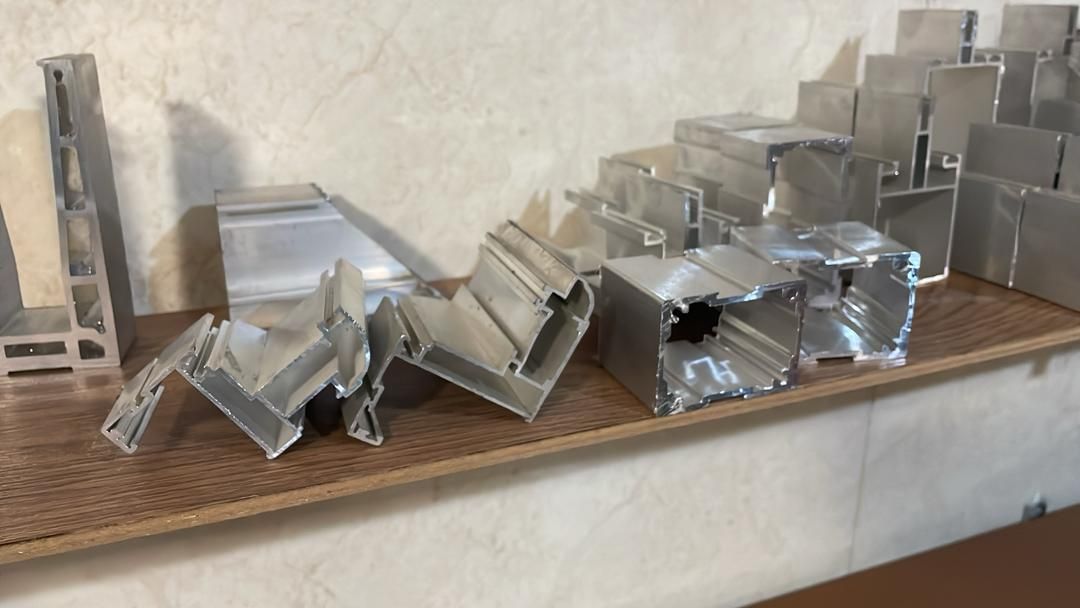
Additionally, the extrusion of aluminum billets has become a go-to method for shaping complex profiles and components. Extrusion allows for precision and flexibility in design, enabling manufacturers to create intricate shapes with minimal material waste. This process is not only efficient but also environmentally friendly, as it maximizes the utility of aluminum and minimizes scrap generation.
Furthermore, the recyclability of aluminum billets cannot be overstated. Recycling aluminum requires only a fraction of the energy needed to produce primary aluminum, making it a sustainable choice. Aluminum can be recycled repeatedly without compromising its properties, making it a circular material that aligns with the principles of a green and eco-conscious world.
As we look to the future, several challenges and opportunities lie ahead for the aluminum billet industry. Here are some key considerations:
Environmental Sustainability: The aluminum industry has made significant strides in reducing its environmental impact, but there is always room for improvement. Innovations in energy-efficient smelting and recycling processes will continue to make aluminum production more sustainable. Additionally, as global environmental regulations become stricter, the industry will need to adapt and prioritize sustainability even further.
Advanced Alloys: Research and development efforts are ongoing to create new aluminum alloys with enhanced properties. These alloys may offer even greater strength, improved corrosion resistance, and increased formability, expanding the range of applications for aluminum billets.
Digital Manufacturing: Industry 4.0 technologies, such as digital twins, artificial intelligence, and automation, are increasingly being integrated into manufacturing processes. These technologies can optimize the production of aluminum billets, leading to higher efficiency and quality.
Supply Chain Resilience: Recent disruptions in global supply chains have highlighted the importance of building resilient supply networks. The aluminum billet industry will need to adapt to ensure a stable supply of raw materials, such as bauxite and alumina, while also diversifying sourcing options.
Customization: Customers are increasingly seeking customized solutions in various industries. Aluminum billet manufacturers must be prepared to meet these demands by offering flexibility in terms of billet size, shape, and alloy composition.
Energy Efficiency: Energy costs are a significant factor in aluminum production. Continued efforts to reduce energy consumption through advanced smelting techniques and efficient material handling will help maintain the competitiveness of aluminum billets in the global market.
In conclusion, aluminum billets are a vital component of modern manufacturing, with applications spanning across industries and a promising future ahead. Their exceptional properties, coupled with ongoing research and innovation, position aluminum billets as a key driver of progress and sustainability. As we address global challenges and seize new opportunities, the versatility and adaptability of aluminum billets will continue to shape the products and technologies of tomorrow, ushering in an era of lighter, stronger, and more sustainable solutions for a rapidly changing world.





Leave A Comment