
Drawn Aluminum Tube
Introduction
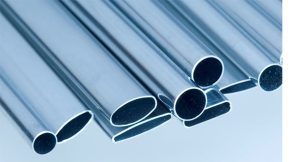
Aluminum, a lightweight and corrosion-resistant metal, has found its way into various industries due to its exceptional properties. One of the most versatile forms of aluminum products is the drawn aluminum tube. These tubes are created through a meticulous manufacturing process, making them suitable for a wide range of applications. In this article, we will delve into the world of drawn aluminum tubes, exploring their production methods, properties, and numerous industrial applications.
Production Methods
Drawn aluminum tubes are created through a process known as tube drawing, which involves pulling a solid aluminum billet through a die to reduce its diameter and thickness. This process results in a seamless, uniform tube with precise dimensions. Here is an overview of the production steps:
- Extrusion: The initial step involves producing an aluminum billet through extrusion, which is a process that shapes the aluminum into a cylindrical form.
- Annealing: To enhance the ductility of the material and make it more suitable for drawing, the billet is often subjected to an annealing process, which involves heating it to a specific temperature and then slowly cooling it.
- Tube Drawing: The annealed billet is then fed through a series of dies that gradually reduce its diameter and thickness while increasing its length. This process can be repeated several times to achieve the desired dimensions.
- Finishing: After drawing, the tube may undergo further processing, such as straightening, cutting, or surface treatment, depending on its intended application.
Properties of Drawn Aluminum Tubes
Drawn aluminum tubes offer a multitude of advantages, making them a preferred choice in various industries:
- Lightweight: Aluminum is significantly lighter than steel, making drawn aluminum tubes an excellent choice for applications where weight reduction is crucial, such as in aerospace and automotive industries.
- Corrosion Resistance: Aluminum naturally forms a protective oxide layer on its surface, rendering it highly resistant to corrosion. This property makes drawn aluminum tubes ideal for outdoor and marine applications.
- High Strength-to-Weight Ratio: Aluminum tubes offer an impressive strength-to-weight ratio, providing structural integrity without adding unnecessary weight.
- Excellent Heat Transfer: Aluminum’s exceptional thermal conductivity makes these tubes suitable for heat exchangers and cooling systems.
- Versatility: Drawn aluminum tubes can be easily machined, welded, and formed into various shapes, making them versatile for a wide range of applications.
Industrial Applications
Drawn aluminum tubes are used across multiple industries due to their unique combination of properties:
- Automotive: Drawn aluminum tubes are employed in the construction of lightweight frames and components, improving fuel efficiency and reducing emissions.
- Aerospace: These tubes are vital for aircraft construction, where weight reduction is critical for enhanced performance.
- HVAC (Heating, Ventilation, and Air Conditioning): Aluminum tubes are used in heat exchangers and air conditioning systems due to their excellent thermal conductivity.
- Marine: Their corrosion resistance makes drawn aluminum tubes a preferred choice for boat building and marine applications.
- Architecture: Aluminum tubes are used in architectural designs, offering both structural support and aesthetic appeal.
- Electronics: These tubes serve as heat sinks in electronic devices to dissipate heat efficiently.
Future Developments and Sustainability
The future of drawn aluminum tubes looks promising, with ongoing research and development aimed at improving their properties and sustainability. Here are some notable trends and innovations:
- Alloy Advancements: Engineers are continually developing new aluminum alloys with enhanced strength, corrosion resistance, and other desirable properties. These alloys can further expand the applications of drawn aluminum tubes.
- Sustainability Initiatives: The aluminum industry is increasingly focused on sustainability, including reducing energy consumption during production and promoting recycling. Recycling aluminum is highly efficient and helps reduce the carbon footprint of aluminum products, including drawn aluminum tubes.
- Advanced Manufacturing Techniques: Innovations in manufacturing techniques, such as additive manufacturing and precision extrusion, are opening up new possibilities for the production of complex and customized aluminum tube geometries.
- Integration with Composite Materials: In some applications, aluminum tubes are being combined with composite materials to create lightweight and durable structures. This hybrid approach can be particularly beneficial in the aerospace and automotive sectors.
- Energy Efficiency: Aluminum tubes are playing a crucial role in improving energy efficiency in various industries. As energy conservation becomes increasingly important, these tubes will continue to find applications in heat exchangers, cooling systems, and other energy-saving technologies.
- Medical and Healthcare: Aluminum tubes are also making inroads into the medical field, where their lightweight and corrosion-resistant properties are advantageous for equipment and device manufacturing.
- 3D Printing: The adoption of 3D printing technology for aluminum alloys is expanding. This allows for the creation of complex, customized components with reduced material waste.
Challenges and Considerations
While drawn aluminum tubes offer a multitude of advantages, they are not without their challenges and considerations:
- Cost: The production of high-quality drawn aluminum tubes can be relatively expensive due to the precision manufacturing processes involved. However, their long-term benefits, such as reduced maintenance and enhanced performance, often outweigh the initial investment.
- Alloy Selection: Choosing the right aluminum alloy is crucial for the success of any application. Different alloys offer varying degrees of strength, corrosion resistance, and other properties. Engineers must carefully consider the specific requirements of their projects when selecting the appropriate alloy.
- Surface Finish: Depending on the application, achieving the desired surface finish of drawn aluminum tubes may require additional processing steps, such as polishing or anodizing. These finishing techniques can add to the overall cost and production time.
- Joining and Welding: Joining aluminum tubes can be more challenging than joining other materials, such as steel. Specialized welding techniques and equipment may be necessary for certain applications.
- Recycling and Sustainability: While aluminum is highly recyclable, the recycling process still requires energy. However, recycling aluminum is significantly more energy-efficient than producing it from raw materials. To minimize the environmental impact, industries are continually improving their recycling efforts.
- Regulatory Compliance: Depending on the application and industry, there may be specific regulations and standards that govern the use of aluminum materials. Manufacturers must ensure that their products meet these requirements.
Conclusion
Drawn aluminum tubes have evolved into a cornerstone of modern engineering, offering a unique combination of properties that cater to a wide range of industrial applications. As technological advancements continue to shape the world of materials science and manufacturing, these tubes will remain at the forefront of innovation and design.
While challenges such as cost and material selection must be carefully considered, the benefits of using drawn aluminum tubes, including their lightweight nature, corrosion resistance, and thermal conductivity, make them an invaluable asset in various sectors. As sustainability becomes an increasingly critical factor in material choice, aluminum’s recyclability and efficiency in production make it an attractive option for environmentally conscious industries.
In summary, drawn aluminum tubes are not just components; they are integral to the advancement of industries like aerospace, automotive, and healthcare. Their adaptability, durability, and ability to meet the demands of ever-evolving technologies ensure that they will continue to play a vital role in shaping the future of engineering and manufacturing, Drawn Aluminum Tube.





Leave A Comment