
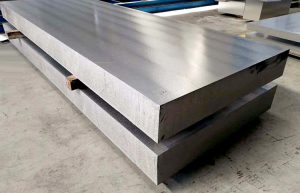
1100 Aluminum Plate
Introduction
Aluminum, one of the most abundant elements on Earth, has found a multitude of applications in various industries, thanks to its exceptional properties such as lightweight, corrosion resistance, and excellent thermal conductivity. Among the different aluminum alloys available, the 1100 aluminum alloy stands out for its unique combination of characteristics. In this article, we will delve into the properties and applications of 1100 aluminum plate.
Composition and Properties
1100 aluminum alloy, also known as pure aluminum, is composed primarily of aluminum (Al) and a small percentage of other elements, including copper (Cu), iron (Fe), and silicon (Si). It is classified as a commercially pure aluminum alloy, containing a minimum of 99% aluminum. This high aluminum content makes 1100 aluminum plate highly ductile and easy to form, making it an excellent choice for a wide range of applications.
Key properties of 1100 aluminum plate include:
- Lightweight: 1100 aluminum is incredibly lightweight, making it ideal for applications where weight reduction is crucial, such as in the aerospace and automotive industries.
- Corrosion Resistance: This alloy offers excellent corrosion resistance, even in harsh environments, making it suitable for outdoor applications.
- Weldability: 1100 aluminum plate is highly weldable, making it easy to join and fabricate into various shapes and structures.
- Good Electrical Conductivity: It possesses good electrical conductivity, making it suitable for electrical and electronic applications.
- Thermal Conductivity: 1100 aluminum plate has a high thermal conductivity, making it an excellent choice for heat exchangers and cooling applications.
Applications
Due to its unique properties, 1100 aluminum plate finds applications in a wide range of industries:
- Aerospace: In the aerospace industry, 1100 aluminum is used for aircraft components and structures due to its lightweight nature, corrosion resistance, and ease of fabrication.
- Automotive: In the automotive sector, 1100 aluminum is employed for components that require lightweight construction, such as heat shields, body panels, and radiator tanks.
- Electronics: Its good electrical conductivity makes it suitable for electronic components, including capacitor foils and heat sinks.
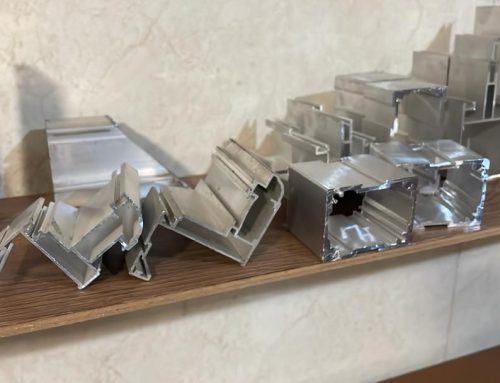
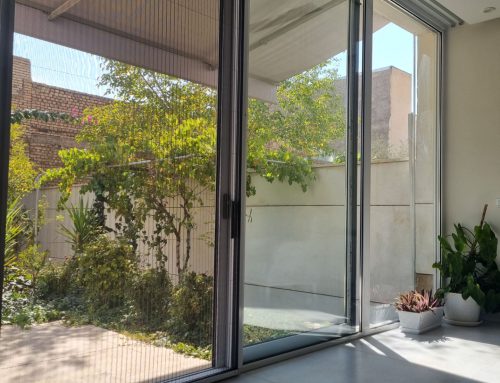
- Architecture and Construction: 1100 aluminum plate is utilized for roofing, cladding, and decorative applications in architectural and construction projects, thanks to its corrosion resistance and ease of forming.
- Food and Chemical Industry: Due to its non-reactive nature, 1100 aluminum is often used for food and chemical storage containers and processing equipment.
- Heat Exchangers: Its high thermal conductivity makes it an ideal material for heat exchanger fins and tubes in HVAC systems and industrial applications.
- Reflectors: The reflectivity of 1100 aluminum plate makes it suitable for reflective surfaces, such as lighting fixtures and solar reflectors.
Future Potential and Considerations
As we look toward the future, the versatility and strengths of 1100 aluminum plate continue to drive innovation in materials science and engineering. Researchers and engineers are exploring ways to enhance its properties even further through alloying and advanced manufacturing techniques. These efforts aim to improve its mechanical strength and expand its application potential.
However, it’s essential to consider some limitations when using 1100 aluminum plate:
- Low Strength: While 1100 aluminum’s low strength is advantageous for some applications, it may not be suitable for heavy-duty structural components. In such cases, other aluminum alloys with higher strength properties, like the 2024 or 6061 alloys, might be preferred.
- Formability: While 1100 aluminum is highly formable, it can be susceptible to work hardening during forming processes. Proper annealing or heat treatment may be necessary to maintain desired properties.
- Melting Point: 1100 aluminum has a relatively low melting point compared to some other alloys. This limits its use in applications where high-temperature resistance is required.
- Cost: The cost of 1100 aluminum may be higher compared to some other aluminum alloys due to its high purity. It’s essential to consider the cost-benefit trade-off for your specific application.
Challenges and Sustainability
In today’s world, sustainability is a critical consideration in material selection and usage. 1100 aluminum’s properties make it an eco-friendly choice in many applications. Its corrosion resistance reduces the need for coatings and maintenance, which can be environmentally taxing. Additionally, aluminum is highly recyclable, and recycling it requires only a fraction of the energy needed to produce it from raw materials. As such, 1100 aluminum supports sustainability goals by promoting resource conservation and reducing environmental impact.
However, the production of aluminum, like most metals, can be energy-intensive, particularly in the extraction and refining stages. As the world focuses on reducing carbon emissions and energy consumption, aluminum producers are continually seeking ways to improve the energy efficiency of aluminum production processes. Sustainable practices in aluminum manufacturing are an ongoing area of research and development.
Furthermore, the recycling rate of aluminum in various industries can be improved, reducing the need for primary aluminum production. Governments and organizations worldwide are promoting aluminum recycling through initiatives, incentives, and recycling programs. This trend is not only environmentally responsible but also economically viable, as recycling aluminum often makes financial sense due to its high scrap value.
Conclusion
The 1100 aluminum plate, with its remarkable combination of lightweight properties, corrosion resistance, and ease of fabrication, remains a valuable material across numerous industries. Its versatility has paved the way for innovation and advancements in technology and engineering. As we continue to address global challenges, such as sustainability and resource efficiency, 1100 aluminum’s positive environmental impact and recyclability make it a compelling choice for a more sustainable future.
Whether it’s contributing to more fuel-efficient aircraft, energy-efficient heat exchangers, or eco-friendly architectural solutions, 1100 aluminum plate continues to play a pivotal role in shaping our modern world. Its unique properties and adaptability ensure that it will remain a top choice for manufacturers, engineers, and designers as they seek solutions that are both effective and environmentally responsible.



Leave A Comment